What a Bullmastiff Was Bred to Do to a Poacher
It’s a common misconception that Bullmastiffs were bred for aggression, designed to "attack" poachers with vicious intent. Many new owners, or those simply curious about the breed's origins, might feel a knot of worry in their stomach at the thought of their sweet, goofy giant having such a history. Understanding the true nature of their original purpose, however, is key to appreciating this magnificent breed and ensuring they thrive in our modern homes. This guide will delve into the precise, nuanced role the Bullmastiff was created to fulfill, clarifying what a gamekeeper truly expected from their "Night Dog" and how that legacy shapes the Bullmastiff we know and love today.
The Era of the Poacher: A Victorian Dilemma
To truly grasp why the Bullmastiff came into existence, we need to transport ourselves back to 19th-century England, a time when sprawling estates and vast game preserves were guarded by gamekeepers. These men faced a constant, frustrating battle against poachers, individuals who illegally hunted game, often for survival, but sometimes for profit. The stakes were high, for both sides.
Victorian Gamekeepers and Their Dilemma
Imagine a gamekeeper in the dead of a cold, moonless night. His estate covers hundreds, if not thousands, of acres, often dense with woods and tricky terrain. He's alone, vulnerable, and responsible for protecting valuable game birds and deer, which were seen as property and a source of income or recreation for the landowner. The poachers were often desperate, resourceful, and sometimes armed. A gamekeeper couldn't be everywhere at once, and a human patrol was often too slow, too noisy, or simply too few in number to cover the vast territory effectively. He needed an edge, a silent partner who could detect intruders, cover ground quickly, and, most importantly, apprehend a poacher without causing fatal harm, which could lead to legal complications for the estate owner. Traditional guard dogs often lacked either the speed, the silence, or the control needed for this very specific, dangerous job.
The Rise of Poaching as a Threat
Poaching wasn't just a petty crime; it was a serious economic threat to landowners. The loss of game meant a direct impact on their finances and status. Fences and human patrols were only so effective, and the rural landscape provided ample cover for those determined to trespass. These weren't always organized gangs, but often individuals or small groups trying to put food on their own tables. Catching them was essential, but brutalizing them was not the goal; the objective was to catch, identify, and prosecute them. This legal distinction heavily influenced the kind of dog that was needed. A dog that killed or severely maimed a poacher would bring unwanted scrutiny and potential legal trouble, turning the asset into a liability. The gamekeepers needed a dog that was powerful enough to stop a fully grown man, but discerning enough not to escalate the confrontation beyond what was necessary for apprehension. What Poaching Meant on a Victorian Estate highlights just how critical this role was.
The Bullmastiff's Unique Mandate: To Hold, Not to Harm
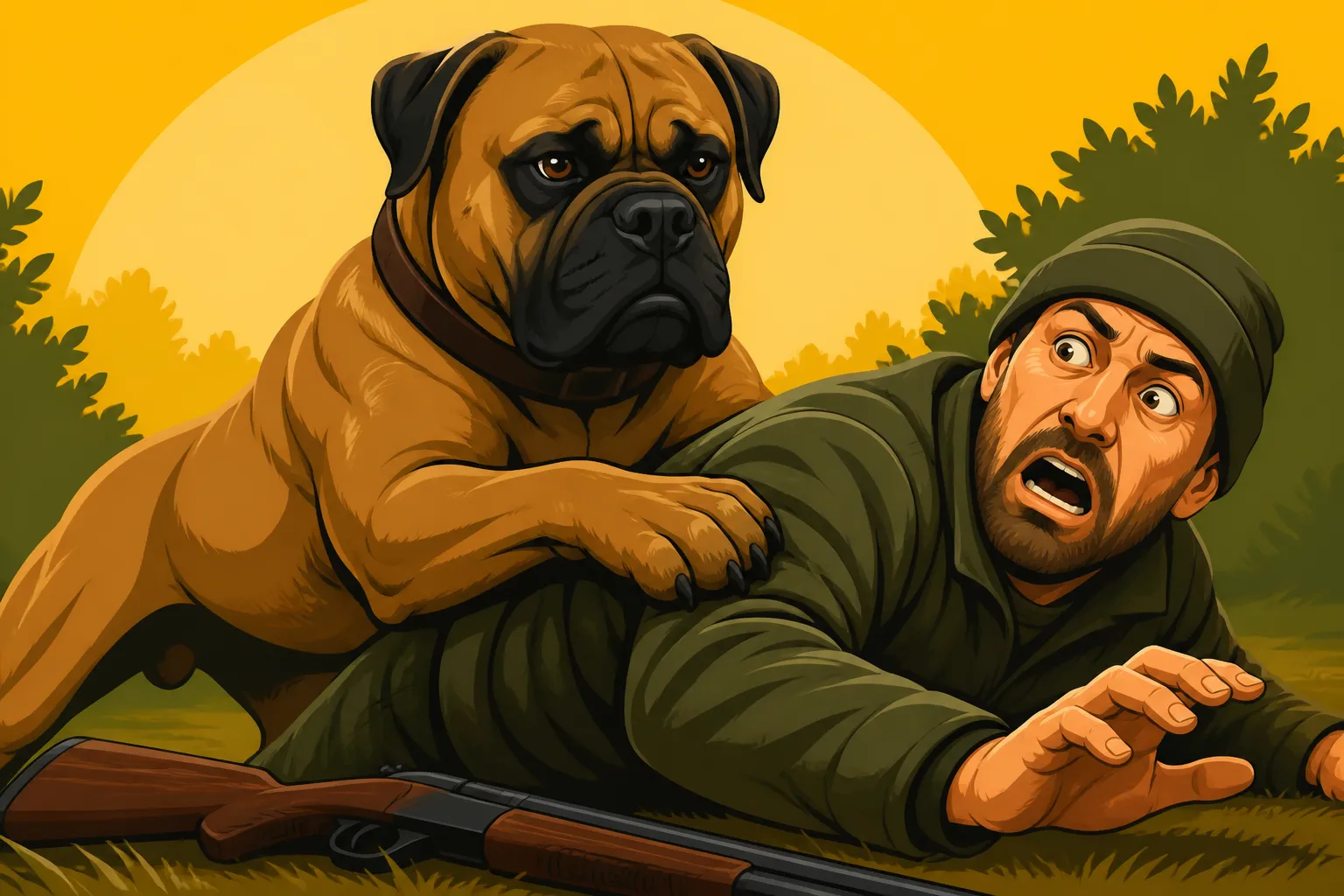
The Bullmastiff was specifically bred for a highly specialized role: to incapacitate and hold a human intruder until the gamekeeper arrived. This wasn't about mauling or killing; it was about control and deterrence.
Silent Pursuit in the Dark
One of the most remarkable aspects of the Bullmastiff's original job was its ability to work silently. Poachers operated under the cover of darkness, relying on stealth. A barking dog would give away its position, alerting the poacher to the presence of a patrol and allowing them to escape or prepare for a confrontation. Therefore, the Bullmastiff was developed to track and apprehend in utter silence. This explains why, to this day, Bullmastiffs are not known for being incessant barkers. While they certainly have a deep, booming bark, it's typically reserved for situations they deem truly important, often as a warning rather than a constant clamor. Their silent approach allowed them to surprise a poacher, giving the gamekeeper the advantage. The Silent Guard: Why a Bullmastiff Barks So Little delves deeper into this fascinating trait.
The Art of Incapacitation Without Maiming
The core of the Bullmastiff's job was to "hold" a poacher. This meant using their size, strength, and presence to bring a man down and keep him pinned, without inflicting severe injuries. This wasn't a bite-and-shake attack. Instead, it involved knocking a person off their feet, pinning them with their weight, or using their powerful jaws to grip clothing, never flesh. Imagine a dog that could body-block a person, using its massive frame to knock them off balance, then lean its entire weight into them, or perhaps take a firm, non-injurious grip on an arm or leg, preventing movement. The goal was to render the poacher immobile, not to injure them in a way that would lead to legal repercussions for the estate owner. Why a Bullmastiff Holds Instead of Biting is absolutely central to understanding their historical function.
"The Gamekeeper's Night Dog": A Partnership
This silent, controlled apprehension wasn't just about the dog; it was about the partnership between the Bullmastiff and the gamekeeper. The dog was an extension of the gamekeeper's will, trained to understand the boundaries of its actions. The gamekeeper would follow, knowing his dog was capable of handling the initial confrontation and holding the poacher until he could intervene. This level of trust and cooperation required a highly intelligent, biddable, and stable dog, not a mindless aggressor. The term "Gamekeeper's Night Dog" perfectly encapsulates this precise and vital role, highlighting its nocturnal operations and the specialized skill set required. How a Gamekeeper Used a Bullmastiff on a Poacher further illustrates this dynamic partnership.
Breeding for Purpose: A Calculated Combination
The Bullmastiff didn't just appear out of thin air; it was the result of a deliberate, careful breeding program, combining specific traits from two distinct breeds to create the perfect "Night Dog."
Mastiff Strength, Bulldog Agility
The recipe for the Bullmastiff was famously precise: approximately 60% Mastiff and 40% Old English Bulldog. The Mastiff contributed immense size, power, and a naturally protective, intimidating presence. A Mastiff's sheer bulk alone could deter many, but they were often considered too slow and ponderous for the quick, silent pursuit needed to catch a nimble poacher. That's where the Old English Bulldog came in. This was not the Bulldog we know today, but a more athletic, tenacious, and agile dog, capable of quick bursts of speed and possessing incredible strength for its size. The Bulldog's tenacity and grip, combined with the Mastiff's substance, created a dog that was fast enough to catch, strong enough to hold, and determined enough to keep an intruder immobilized. The objective was a dog that could cover ground swiftly and then apply decisive, controlled force. The Bullmastiff Was Sixty Percent Mastiff and Forty Percent Bulldog provides more context on this genetic blend.
Temperament for Control, Not Aggression
Crucially, the gamekeepers selected for specific temperamental traits. They needed dogs that were brave and confident, certainly, but also highly controllable and discerning. A dog that was overly aggressive or prone to indiscriminate biting would be a liability. The desired temperament was one of quiet self-assurance, a dog that understood its job and performed it with a deliberate, measured response. This meant a strong protective instinct, but one tempered by an innate understanding of restraint. They needed a dog that could assess a situation, act decisively to apprehend, and then maintain control without escalating violence. This careful balance of power and disposition is a hallmark of the breed's historical development and explains why a well-bred Bullmastiff today is known for being a gentle giant with its family, yet an imposing and serious guardian when needed. Why a Bullmastiff Was Not Bred to Maul reiterates this critical aspect of their breeding.
The "Hold, Not Harm" Ethos: Why It Mattered
The emphasis on holding rather than harming a poacher wasn't a matter of sentimentality; it was a pragmatic choice driven by legal and practical considerations.
The Value of a Live Poacher
Catching a poacher alive and relatively unharmed was far more valuable to the landowner than finding a deceased one. A live poacher could be identified, questioned, and prosecuted, serving as a deterrent to others. They could reveal accomplices, methods, or other valuable intelligence. A dead poacher, on the other hand, presented a legal quagmire, potentially leading to charges against the gamekeeper or the estate owner. The dog's job was to facilitate justice, not to be the executioner. This meant the dog had to be reliable in its restraint, a skill that required immense self-control and specific training.
The Consequences of a Vicious Dog
Having a dog with a reputation for savagery would have been detrimental. Such a dog would invite public outcry, legal action, and could even lead to breed bans or restrictions. Gamekeepers and landowners understood that their dogs, powerful as they were, had to operate within certain legal and ethical boundaries. A dog that was out of control or prone to excessive force would quickly become infamous and ultimately unviable for its intended purpose. Therefore, the breeding program actively selected against uncontrolled aggression, fostering instead a dog that was resolute and imposing, but not inherently malicious. This is why a truly vicious Bullmastiff is an anomaly, usually the result of poor breeding, lack of socialization, or improper training, rather than a reflection of the breed's historical intent. This foundation of controlled restraint is still evident in the breed's temperament today.
Legacy in the Modern Bullmastiff
The historical role of the Bullmastiff as the "Gamekeeper's Night Dog" continues to profoundly influence their characteristics and behavior in our homes today.
The Innate Guarding Instinct
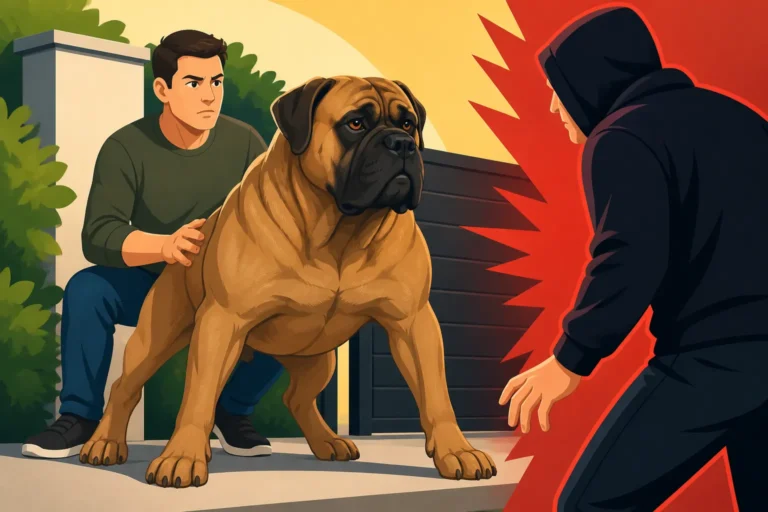
Even generations removed from the English estates, the Bullmastiff retains a strong, inherent guarding instinct. They are naturally watchful and observant of their surroundings. This doesn't mean they're constantly on high alert, but they are acutely aware of who belongs and who doesn't. When a stranger approaches, a Bullmastiff often won't bark wildly; instead, they might adopt a quiet, imposing stance, perhaps moving between their family and the perceived intruder, a silent but unmistakable warning. This is their historical role manifesting as a deep-seated desire to protect their "territory" and "flock." How Protective a Bullmastiff Is explores this trait in more detail. This natural inclination means they don't typically require extensive "protection training," which can often be counterproductive for a breed with such inherent abilities. Why Protection Training Is Unnecessary for a Bullmastiff explains why this can be true.
Deliberate Action, Not Hasty Reaction
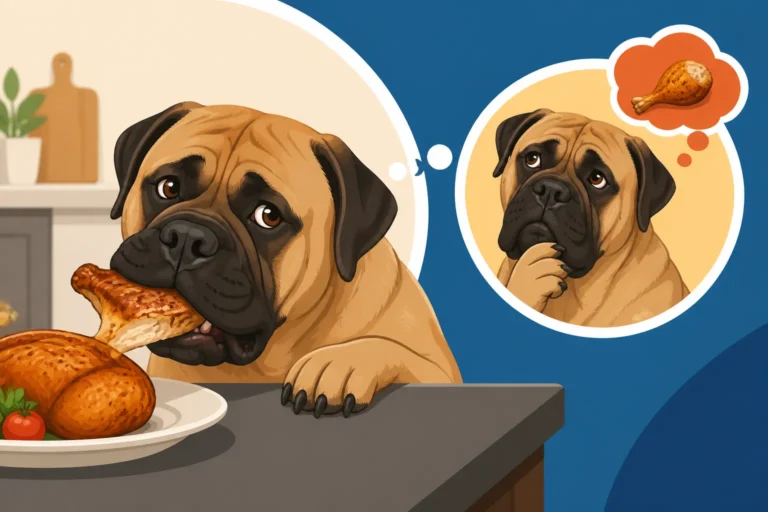
The Bullmastiff's historical need for careful, controlled action means they are often not impulsive or quick to react. They tend to observe, process, and then act. This can sometimes be misinterpreted as stubbornness or slowness, but it is, in fact, a deeply ingrained deliberation. When you give a Bullmastiff a command, they might pause for a moment, appearing to weigh your request. This isn't defiance, but a moment of processing, assessing the situation, and deciding on the most appropriate response, much like their ancestors had to do before apprehending a poacher. This thoughtful nature is a testament to their selective breeding for discerning judgment rather than blind obedience or aggression. The Bullmastiff That Pauses to Decide Whether You Are Worth It truly captures this aspect of their personality.
Physicality and Presence
The Bullmastiff's impressive size and powerful build were essential for its original job, and these traits remain central to the breed's identity. A 100-plus pound dog simply stepping between you and a perceived threat can be an incredibly effective deterrent. They often "lean" on their people, a behavior that some interpret as affectionate, but which may also stem from their instinct to body-block or keep close watch. Their sheer physical presence, combined with their calm demeanor, often makes them formidable guardians without needing to resort to overt aggression. When considering a Bullmastiff, understanding that their physical attributes are intrinsically linked to their protective heritage is crucial.
Training Implications from Their History
Knowing the Bullmastiff's origins helps us understand how to best train and integrate them into modern life. Their historical purpose means they are not like other breeds.
Understanding Their Deliberate Nature
As we discussed, Bullmastiffs are thinkers. They aren't always going to react with lightning speed to a command. When you're training a Bullmastiff, patience is absolutely key. Don't mistake their thoughtful pause for defiance. Use positive reinforcement, clear cues, and make training sessions engaging and relatively short. They learn quickly, but they need to want to perform the action. Repeating commands or becoming frustrated will often be met with an even deeper pause or disengagement. Think of it less as training a robot and more like collaborating with a very strong-willed, intelligent partner. This breed requires an owner who can be a confident, consistent, and calm leader.
To help manage their deliberation, starting early with puppy training is vital. Online programs, such as those offered by BAXTER & Bella, can be incredibly helpful for foundational skills, especially when your Bullmastiff puppy is still small enough to manage easily. Learning to read your dog’s body language and understanding their motivations will greatly enhance your training success.
Channeling the Protective Drive Appropriately
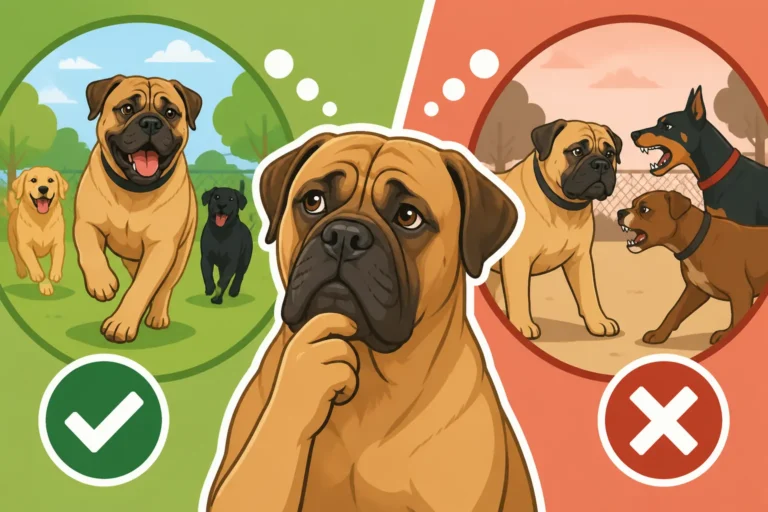
The Bullmastiff's guarding instinct is a powerful force that needs proper channeling. This doesn't mean encouraging aggression, but rather directing their natural inclination into appropriate behaviors. Socialization is paramount from a young age, exposing them to a wide variety of people, places, and other dogs. This teaches them what is "normal" and not a threat, allowing their protective instincts to be reserved for genuine concerns.
Without proper guidance, their protective drive can manifest in undesirable ways, such as excessive territoriality or anxiety around strangers. Enroll in obedience classes, and consider activities like canine good citizen programs or even scent work, which can engage their minds and satisfy their desire for a "job." If you find yourself struggling with a stubborn Bullmastiff who outweighs you, remember that tools available on Amazon, like a sturdy, well-fitting harness or a reliable long line for safe outdoor practice, can be invaluable aids in managing their powerful physique during training. Training a Bullmastiff That Weighs More Than You Do offers practical advice on this front.
Early Socialization is Key
Because of their protective nature, early and extensive socialization is non-negotiable for a Bullmastiff puppy. From the moment you bring your puppy home, expose them to as many different sights, sounds, people, and safe, vaccinated dogs as possible. Puppy classes are an excellent way to provide controlled exposure and positive experiences. The goal isn't to make them indiscriminately friendly with everyone, but to teach them discernment – to understand that most new people and experiences are not a threat, allowing them to reserve their formidable protective instincts for truly appropriate situations. A well-socialized Bullmastiff is a confident Bullmastiff, capable of calmly assessing its environment rather than reacting out of fear or over-protectiveness.
Here's a quick comparison of the foundational breeds and the Bullmastiff:
| Breed | Primary Contribution to Bullmastiff | Key Temperament Trait (Modern) | Historical Role | Modern Traits Derived |
|---|---|---|---|---|
| Old English Mastiff | Size, power, imposing presence | Dignified, calm, loyal | Guarding estates, war dogs | Large size, protective instinct |
| Old English Bulldog | Agility, tenacity, powerful grip, fearlessness | Tenacious, courageous, strong-willed | Bull-baiting, farm dog, driving cattle | Agility, strong bite/hold (on fabric), determination |
| Bullmastiff | Synthesis of above | Confident, protective, deliberate, gentle with family | Poacher catcher (hold, not harm, silently) | Guarding instinct, silent observation, controlled power, deliberation |
Conclusion: A History of Purpose and Protection
The Bullmastiff's history as the "Gamekeeper's Night Dog" is a testament to its intelligent design and specialized purpose. They were never intended to be indiscriminate attackers, but rather controlled, silent guardians capable of apprehending and holding a human intruder without causing grievous harm. This unique heritage explains many of their most cherished traits today: their quiet demeanor, their deliberate nature, their profound loyalty, and their powerful, yet often gentle, protective instinct.
Understanding this history allows us to appreciate the Bullmastiff for what it truly is: a remarkable blend of strength, courage, and discernment. When you welcome a Bullmastiff into your home, you're not just getting a large dog; you're inviting a living legacy of controlled power and unwavering devotion, a dog whose ancestors walked the moonlit grounds of English estates, standing guard with silent purpose. By honoring their past through consistent training, proper socialization, and a deep understanding of their unique temperament, we can ensure these magnificent dogs continue to thrive as beloved family members and guardians.
Disclaimer
This article is for general informational purposes only and does not constitute professional advice. Laws, prices and regulations vary by location and change over time. Consult a qualified professional for guidance on your specific situation.