How a Gamekeeper Used a Bullmastiff on a Poacher
The Bullmastiff is a magnificent, imposing dog, often seen today as a gentle giant napping on the sofa. But cast your mind back to their origins, and you uncover a fascinating, somewhat gritty history: these impressive canines were specifically developed for a highly demanding, dangerous job – catching poachers on vast English estates. This guide will take you deep into the world of the 19th-century gamekeeper and his formidable Bullmastiff, exploring the unique role these dogs played in protecting property and deterring crime.
The Historical Context: Life on a Victorian Estate and the Poaching Problem
Imagine sprawling English estates in the 19th century, often covering thousands of acres, teeming with game like deer, pheasants, and rabbits. This game wasn't just for sport; it represented significant wealth, status, and a crucial food source for the landed gentry. Protecting these valuable assets was the job of the gamekeeper, a figure of authority who often lived a solitary, vigilant life, constantly battling those who sought to exploit the land’s bounty.
The Stakes of Poaching for Gamekeepers and Landowners
Poaching wasn't merely a quaint rural pastime or a harmless way for a hungry family to put food on the table, although necessity certainly drove some to it. For large estates, it was a systemic problem that threatened their very economic foundation. Organized poaching gangs could decimate game populations, costing landowners substantial income from hunting leases and food production. Beyond the financial loss, there was the constant threat of property damage, violence, and a general breakdown of order that challenged the authority of the landowner and the gamekeeper. These were serious crimes, and the penalties, if caught, were severe, often involving imprisonment or forced transportation.
For the gamekeeper, the stakes were even more personal. His reputation, his livelihood, and even his family's safety depended on his ability to deter and apprehend poachers. He was expected to be relentless in his duties, patrolling tirelessly, often alone, through the dark, silent woods. The vastness of these estates, combined with the cunning and desperation of poachers, meant that a gamekeeper on foot was often at a severe disadvantage. He needed an edge, a partner who could cover ground silently, detect intruders, and, if necessary, subdue them without resorting to lethal force that could lead to even greater legal headaches.
Why Conventional Methods Failed Against Resourceful Poachers
Human patrols, even when diligent, could only cover so much ground. Poachers often knew the terrain intimately, understood the gamekeeper’s routines, and worked under the cover of darkness, making them incredibly elusive. They were adept at moving silently, using natural camouflage, and often setting elaborate traps and snares that were hard to detect. Catching them in the act, especially a large group, was a dangerous proposition for a lone gamekeeper. Confronting a group of men, often armed with rudimentary weapons or tools that could be used as such, was a recipe for a violent encounter.
Traditional guard dogs of the era, while often large and intimidating, frequently lacked the specific blend of stealth, power, and controlled temperament required. A dog that barked incessantly would give away its position and the gamekeeper's presence long before a poacher was close enough to be apprehended. A dog that was too aggressive might severely injure or even kill a poacher, which, while a deterrent, could lead to legal repercussions for the gamekeeper. What was needed was a specialized tool, a canine enforcement officer designed for a very particular kind of nighttime pursuit and non-lethal apprehension. This is precisely where the ingenious development of the Bullmastiff came into play.
The Bullmastiff's Unique Role: A Silent Deterrent and Holding Force
The creation of the Bullmastiff was a testament to problem-solving. Gamekeepers, frustrated with existing breeds, began selectively breeding for the ideal "night dog" – a powerful, agile, and silent guardian that could effectively track, confront, and hold a poacher until the gamekeeper arrived. They combined the massive size and unwavering loyalty of the old English Mastiff with the tenacity, courage, and shorter, broader muzzle of the Bulldog. The result was a dog perfectly suited for the job.
Bred for the Night: Stealth, Strength, and Silence
The Bullmastiff’s original breeding was incredibly deliberate, focusing on specific traits essential for its unique line of work. First and foremost was stealth. A loud, barking dog was useless for surprising a poacher. Therefore, breeders selected for dogs with a naturally quiet disposition, dogs that could move through undergrowth with minimal noise, relying on their keen senses of smell and sight rather than sound. This explains why even today, many Bullmastiffs are not excessive barkers; it's an echo of their ancestors' need to work in silence. The Silent Guard: Why a Bullmastiff Barks So Little
Then there was the immense strength. A gamekeeper’s Bullmastiff needed to be powerful enough to physically stop a full-grown man, often a strong and desperate individual, from escaping. They needed broad chests, muscular legs, and a low center of gravity to maintain their footing and hold their ground. Their dark brindle coat, often favored in early breeding, provided excellent camouflage in the low light of a moonless night, allowing them to blend into the shadows of the woods and approach undetected. This combination of quiet movement, raw power, and natural disguise made them truly formidable at their task, a silent, powerful shadow moving through the dark.
The Art of the "Hold": Disarming Without Maiming
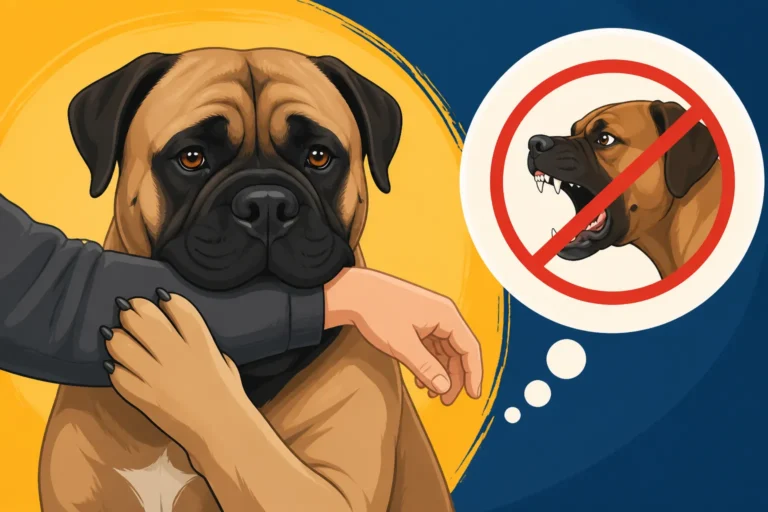
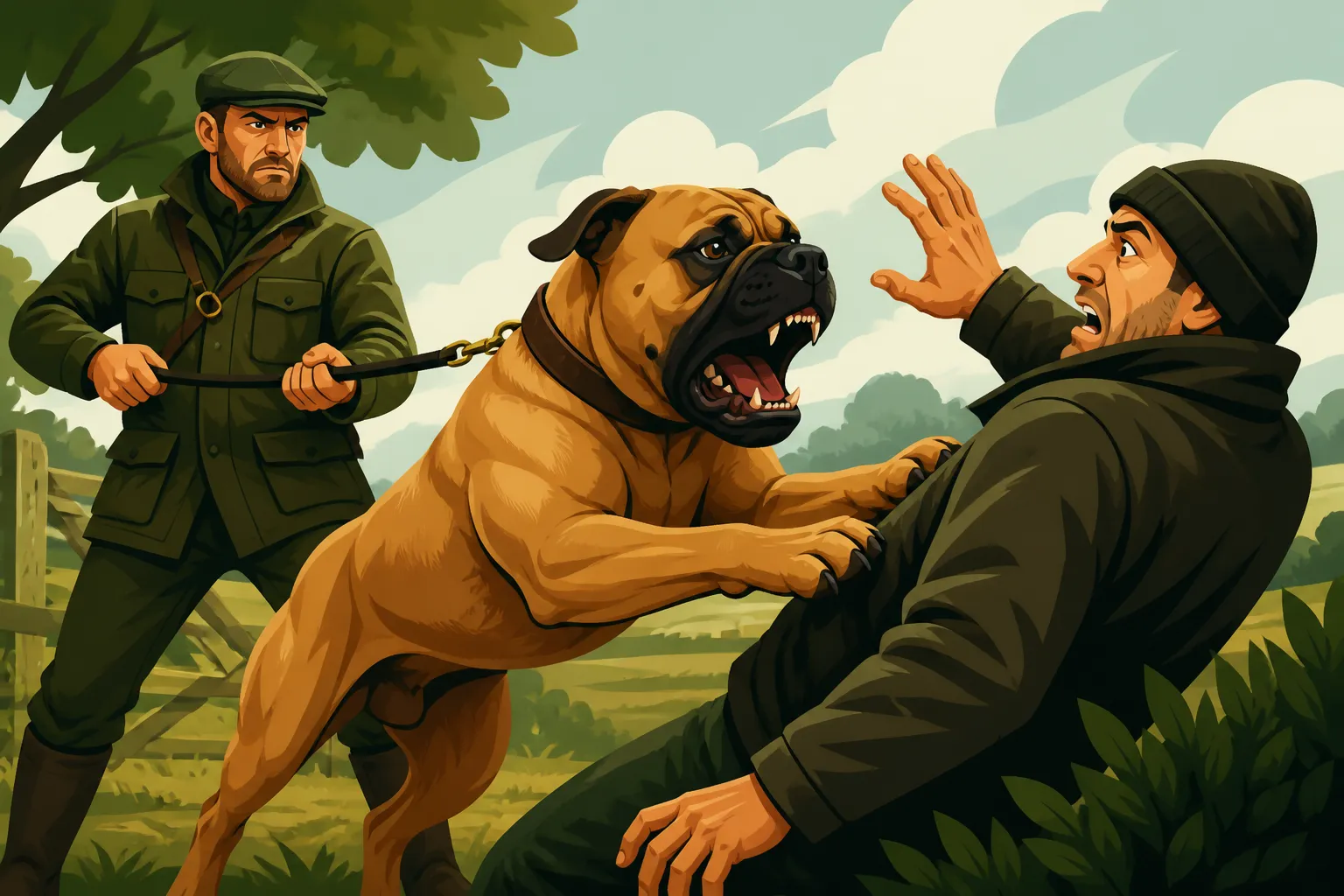
Perhaps the most remarkable aspect of the Bullmastiff's original purpose was the "hold" technique. Unlike some breeds trained for attack, the Bullmastiff was not bred to maul or severely injure a poacher. The goal was to apprehend, not to maim or kill. A dead poacher was a legal nightmare for the gamekeeper and the estate owner. The Bullmastiff was instead trained to pin a man down, block his escape, or physically hold him without biting, or at least without inflicting serious, disfiguring wounds. This might involve running ahead and physically body-checking a fleeing poacher, using their weight to knock him off balance, or standing over him, growling menacingly, preventing movement until the gamekeeper arrived. A Bullmastiff Was Bred to Hold a Man, Not Bite Him
This requires an incredible amount of control and a very specific temperament: brave enough to confront a human threat, but discerning enough to apply the right amount of force. It speaks volumes about the Bullmastiff's inherent sense of restraint and their intelligence. They were taught to understand their immense power and use it judiciously, a truly difficult balance for any working dog. This "holding" instinct, rather than a "biting" one, is a core reason why they were so highly valued. Why a Bullmastiff Holds Instead of Biting Even today, you might notice a Bullmastiff leaning on you or subtly placing their body between you and a stranger, a gentle echo of that protective, body-blocking instinct.
Training for the Task: Instinct Refined by Discipline
You can imagine that a dog bred with such physical prowess and an inherent protective instinct needed incredibly rigorous and consistent training. A gamekeeper’s Bullmastiff wasn't simply left to its own devices; its natural abilities were honed and refined through extensive discipline. This training began early, focusing on obedience, tracking, and understanding complex commands under distracting and stressful circumstances. These dogs learned to differentiate between an innocent wanderer and a stealthy intruder.
A gamekeeper might start with simple scent tracking, gradually introducing the concept of a human "quarry." Over time, the training would escalate to controlled scenarios where the dog learned to pursue, corner, and "hold" a human volunteer, often using protective padding, ensuring the dog understood the boundaries of its force. The emphasis was always on control – the ability to engage, hold, and then release on command. This level of sophisticated training, particularly for a dog that would eventually outweigh its handler, was critical. Training a Bullmastiff That Weighs More Than You Do Modern Bullmastiff owners, while not needing to train for poacher apprehension, can learn a lot from this. Organizations like BAXTER & Bella offer online training programs that emphasize positive reinforcement and building a strong, respectful bond, which is key for such powerful breeds. This foundation allows owners to channel their Bullmastiff's instincts safely and effectively.
Beyond the Catch: The Gamekeeper's Control and the Aftermath
The dramatic moment of apprehension was only one part of the equation. What happened next, and how the gamekeeper managed his powerful canine partner, was equally important. It required unwavering trust, ironclad control, and a deep understanding between man and dog.
Maintaining Control: Recalling the Dog from a "Hold"
The ability to call the Bullmastiff off a held poacher was paramount. This wasn't a dog that merely chased and engaged; it needed to be a precise instrument of control. Once the poacher was apprehended and the gamekeeper arrived on the scene, the dog had to release its hold instantly and return to its handler's side. This required an extraordinary level of obedience, especially in a high-adrenaline situation. It demonstrated that the dog was working with the gamekeeper, not independently attacking. How a Bullmastiff Was Sent After a Poacher
This sophisticated level of recall and impulse control, ingrained in the Bullmastiff's historical training, is why even today, responsible Bullmastiff owners emphasize early and consistent obedience. A dog of this size and power, regardless of its gentle disposition, must be responsive to its owner's commands at all times. Imagine being able to tell a 130-pound dog to "leave it" in the face of temptation, or to "stay" when visitors arrive. That foundational obedience echoes the demands placed on their ancestors.
The Legacy of the Gamekeeper's Dog in Modern Bullmastiffs
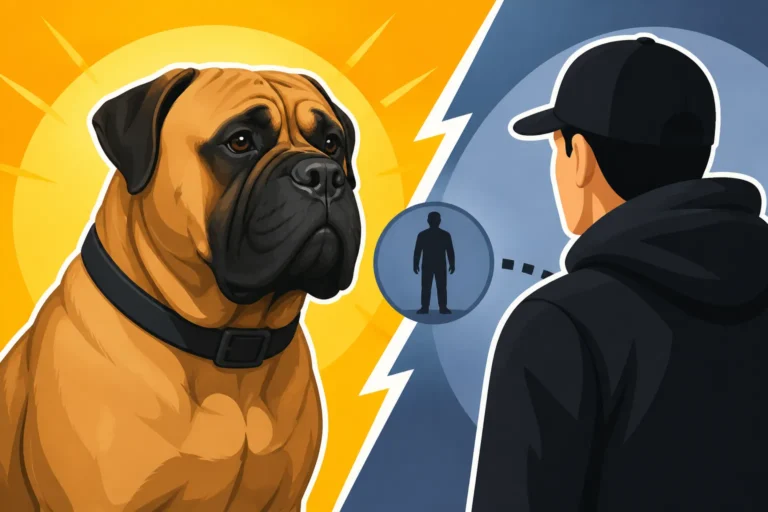
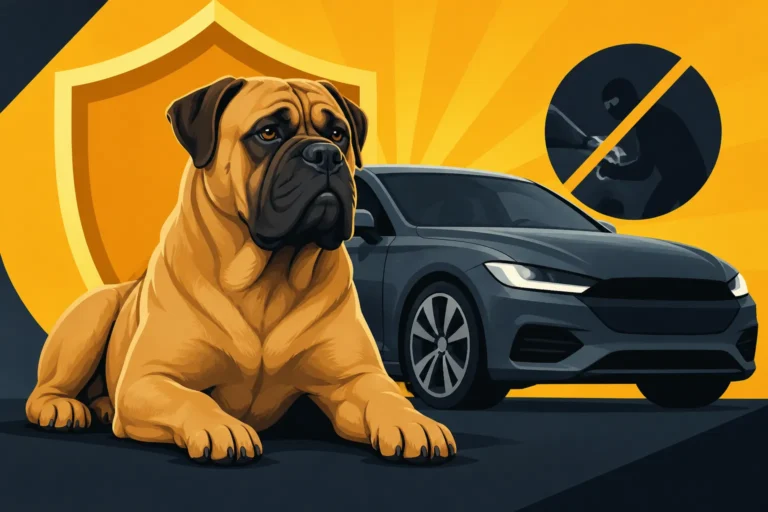
While gamekeepers no longer patrol estates with Bullmastiffs to catch poachers, the core traits developed for that historical role are very much alive in the breed today. Modern Bullmastiffs retain that powerful guarding instinct, a deep-seated desire to protect their families and their territory. They are naturally watchful, often taking up a strategic position in the home where they can observe goings-on, always aware of who is coming and going. How Protective a Bullmastiff Is They might not be chasing shadowy figures through the woods, but they will certainly alert you to a strange car in the driveway or an unexpected visitor.
This protective nature often manifests as a calm, watchful demeanor rather than overt aggression. They are typically reserved with strangers, taking their time to assess new people before offering their affection. Their silent guardian role is still present; they are not typically nuisance barkers, but when they do bark, it's usually with purpose and gravity. The Silent Guard: Why a Bullmastiff Barks So Little For modern owners, understanding this heritage helps explain some of their Bullmastiff's natural behaviors and instincts. Having robust equipment for walks, like sturdy leashes and collars (easily found on Amazon), helps manage their strength when their protective instincts kick in during walks.
What This History Means for Today's Bullmastiff Owner
Understanding the Bullmastiff's origins isn't just a fun history lesson; it's absolutely crucial for anyone living with or considering bringing one of these magnificent dogs into their home. Their historical purpose profoundly shaped their temperament, physical build, and the specific needs they have as companions.
Understanding Their Innate Drive for Guardianship
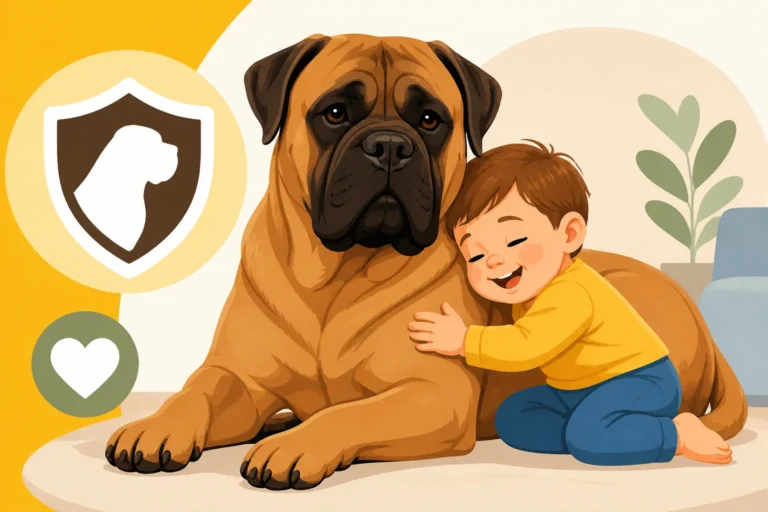
Today's Bullmastiffs carry that instinct to guard, albeit adapted for a domestic setting. They are deeply devoted to their families and often form strong bonds, particularly with children. This guardianship manifests not as aggression, but as a calm, watchful presence. They are aware of their surroundings and will instinctively position themselves to protect their loved ones. This is why many Bullmastiffs seem to "lean" on their people or subtly step between them and strangers. It’s an ingrained desire to be a protective barrier.
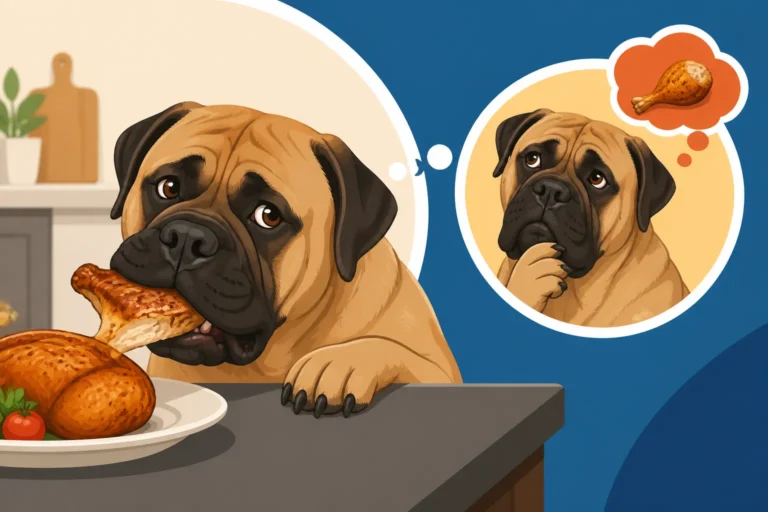
However, this strong protective instinct requires responsible management. It's essential to socialize a Bullmastiff extensively from a young age to ensure they learn appropriate responses to new people, places, and other animals. You want a dog that can discern a genuine threat from a friendly visitor, not one that views every stranger with suspicion. This also means being mindful of guarding behaviors around resources like food or toys. Whether a Bullmastiff Guards Its Food Early training can redirect these natural instincts into acceptable channels, fostering a well-adjusted family member rather than a liability.
The Importance of Early and Consistent Training
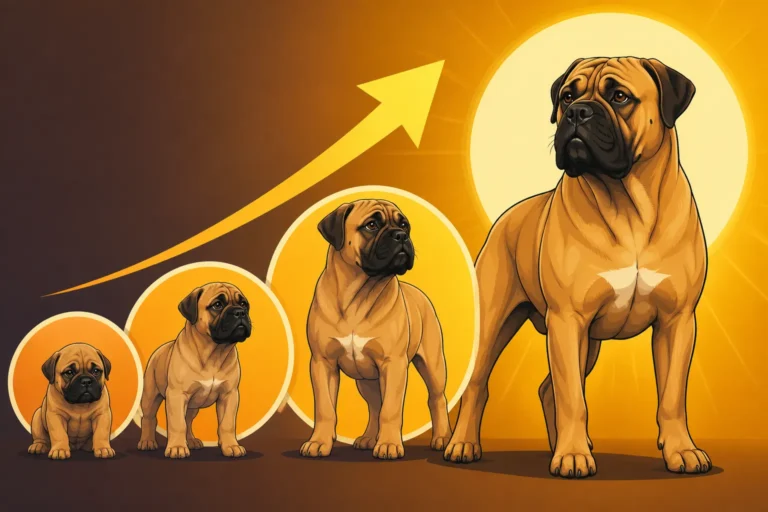
Given their immense size and strength, a Bullmastiff's training is not optional; it’s an absolute necessity. Their historical role demanded unwavering obedience, and that hasn't changed. While you're not training them to apprehend poachers, you need to be able to reliably control a dog that could easily outweigh you. This means starting positive reinforcement training the moment your Bullmastiff puppy comes home. Every interaction is a training opportunity, building a foundation of trust and respect. Why a Bullmastiff Must Be Trained Before It Is Strong
Focus on basic obedience commands like "sit," "stay," "come," and a reliable "leave it." Leash training is also vital, as a pulling Bullmastiff can be a handful, to say the least. Consider enrolling in puppy classes and continuing with advanced obedience. Online resources like those offered by BAXTER & Bella can be incredibly helpful for structured training at home, especially for owners who need guidance on handling a powerful, strong-willed breed. The goal is to build a dog that is a joy to live with, safe around others, and responsive to your every cue.
Respecting Their Deliberate Nature
One trait that often surprises first-time Bullmastiff owners is their deliberate nature. They aren't always the quickest to respond to a command, sometimes pausing for a moment as if considering whether your request is truly reasonable or necessary. This isn't stubbornness in a defiant sense, but rather a remnant of their original job. A gamekeeper's dog needed to assess a situation before acting, making a calculated move rather than a rash one. They had to decide if a figure in the darkness was a threat or simply a deer. The Bullmastiff That Pauses to Decide Whether You Are Worth It
This means that patience is key when training and living with a Bullmastiff. While they are intelligent and capable of learning a great deal, they process information at their own pace. Repetition, positive reinforcement, and a calm, consistent approach will yield far better results than harsh corrections or impatient demands. Embrace their thoughtful demeanor, and you’ll find a loyal, intelligent partner who will dedicate their considerable presence to your family's well-being.
Disclaimer
This article is for general informational purposes only and does not constitute professional advice. Laws, prices and regulations vary by location and change over time. Consult a qualified professional for guidance on your specific situation.