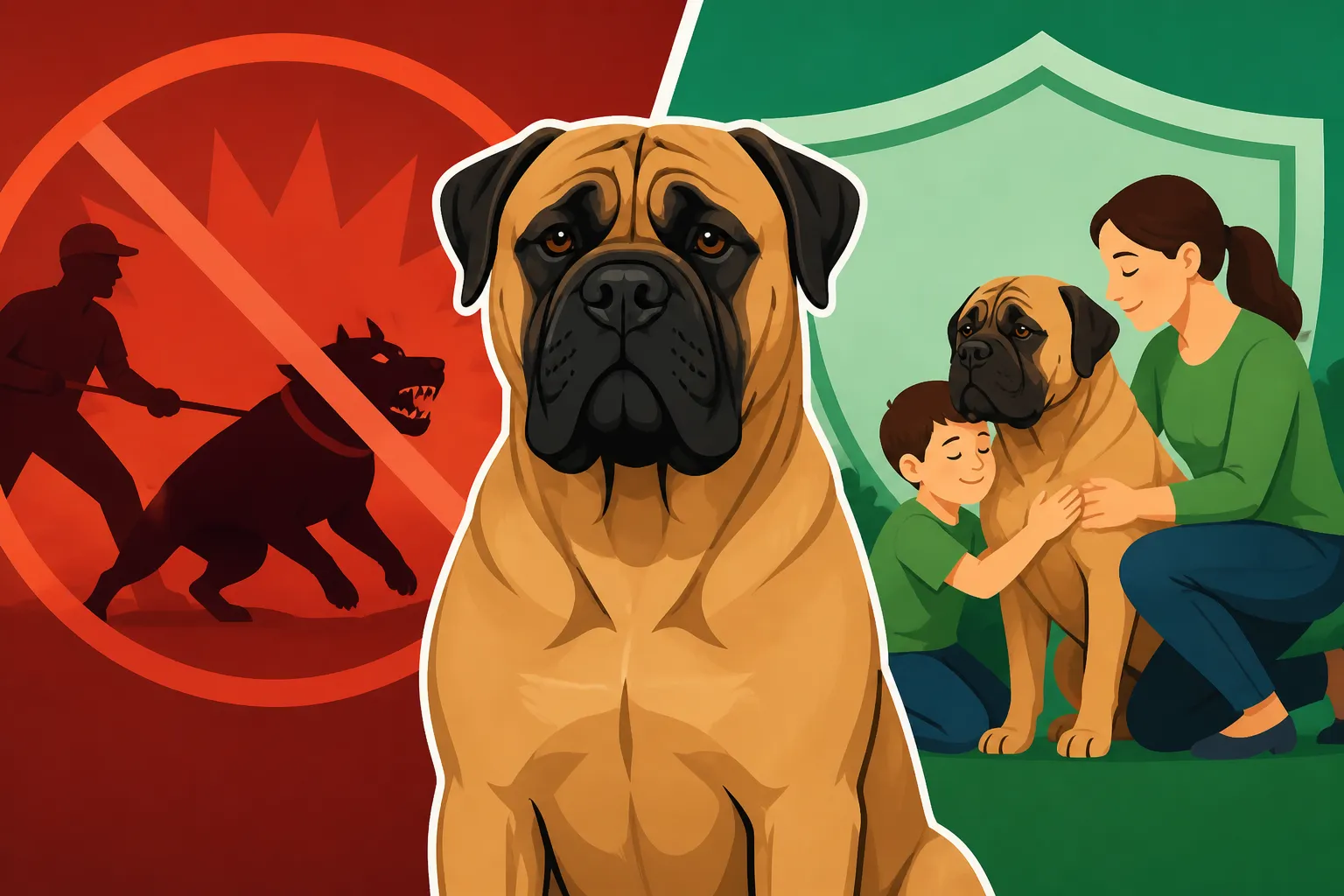
Why a Bullmastiff Was Not Bred to Maul
When people first encounter a Bullmastiff, especially if they're unfamiliar with the breed, their sheer size and powerful build can sometimes conjure up images of a fierce, aggressive animal, perhaps even one bred for violent confrontation. It’s a common, understandable misconception, but it’s crucial to understand that the Bullmastiff was explicitly not bred to maul, attack, or inflict severe harm. Instead, their entire purpose, from their very origins, was built around control and restraint, a nuance that defines their protective nature even today.
The Historical Mandate: Gamekeepers and Poachers
To truly grasp why the Bullmastiff was not intended for mauling, we have to journey back to the sprawling estates of Victorian England. This is where the breed’s story begins, born out of a specific and rather urgent need.
The Gamekeeper's Dilemma and the Need for a Specialized Dog
Picture this: vast, private estates teeming with game, and a constant, persistent problem of poachers trying to steal it. Gamekeepers, whose job it was to protect these lands and their valuable wildlife, faced a real challenge. They needed a dog that could help them apprehend these intruders, often in the dead of night, across rugged terrain. But here’s the critical part – they couldn't afford a dog that would savagely attack or kill a poacher. Why? Well, for one, it would be a legal nightmare. The aim was to deter and detain, not to commit grievous bodily harm or homicide. A dead poacher created more trouble than a caught one. Beyond that, the gamekeeper himself needed to be able to control the dog quickly and effectively once the intruder was subdued. A dog that couldn't be called off, or that became overly aggressive, was a liability, not an asset. This unique demand led to the careful blending of two very different breeds: the powerful Mastiff, known for its size and intimidation, and the tenacious Bulldog, famed for its courage and low center of gravity. The goal was to create a "Night Dog" that was strong, fast, and fearless, yet inherently controllable and non-aggressive in the extreme sense. You can read more about this specific role in What a Bullmastiff Was Bred to Do to a Poacher.
The "Holding" Instinct, Not the "Attacking" Instinct
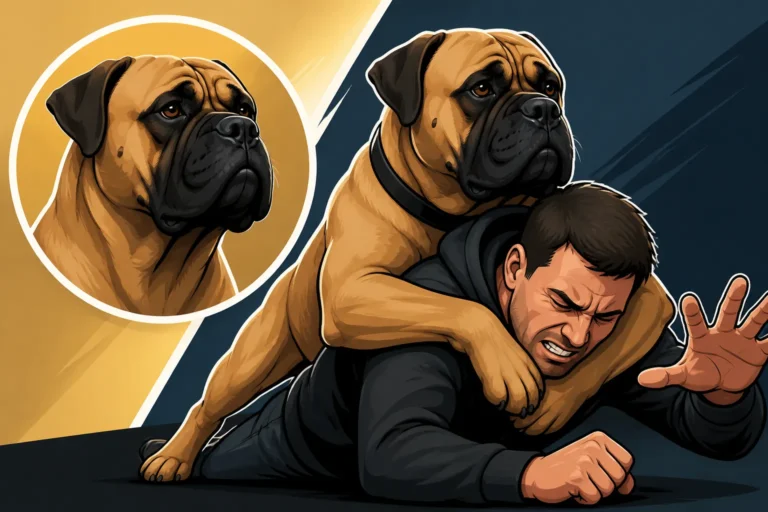
This leads us directly to the Bullmastiff's defining trait: the "holding" instinct. Unlike breeds developed for fighting other animals or, regrettably, for human combat, the Bullmastiff was designed to pin down an intruder. Think of it less like a snarling, biting beast and more like a massive, furry grappling hook. Their historical method was to silently track a poacher, run them down, and then use their immense weight and strength to knock the person to the ground and hold them there, often by "body blocking" or leaning on them, preventing escape until the gamekeeper arrived. They were bred to be swift to the chase, but then to transition into a controlled, incapacitating hold, not a mauling frenzy. This required incredible discernment, a stable temperament, and immense physical power paired with an equally strong inhibitory control. The ideal Bullmastiff would pin a man, perhaps even bite defensively if necessary, but never tear into him. This fine line between apprehension and aggression is what makes their historical purpose so unique and fascinating. How a Gamekeeper Used a Bullmastiff on a Poacher delves deeper into these tactics.
Let's break down the difference between the intended "holding" versus the feared "mauling" behavior:
| Feature | Bullmastiff's Bred "Holding" Behavior | Feared "Mauling" Behavior |
|---|---|---|
| Primary Goal | Detain, incapacitate, prevent escape | Inflict severe injury, kill |
| Method | Knock down, pin with weight, body block, hold, possible defensive bite | Repeated, aggressive biting, tearing, unrelenting attack |
| Control | Highly controllable, responds to handler's commands once situation is managed | Difficult to call off, driven by uncontrolled aggression |
| Temperament | Courageous, discerning, protective, stable | Highly aggressive, unpredictable, potentially unstable |
| Outcome | Poacher apprehended, minimized serious injury | Severe injury or death to the poacher, legal liabilities for the owner |
Temperament and Physicality of a Non-Mauling Breed
The physical characteristics and temperament that define the Bullmastiff today are direct results of this historical imperative. They weren't just big dogs; they were purpose-built dogs.
Strength and Control: A Bullmastiff's Physical Prowess
A Bullmastiff's physique is a testament to its original job. They are substantial dogs, often weighing well over 100 pounds, with a powerful, muscular build that allows for bursts of speed over short distances and immense strength for pinning. Their broad chest, well-muscled legs, and substantial bone structure were all crucial for tackling and holding an adult human. However, this impressive physicality was always coupled with the necessity for control. Imagine trying to manage a 130-pound dog that was intent on unrestrained aggression; it would be nearly impossible for a single gamekeeper to handle, especially if the dog turned on them. Thus, while they possessed the physical capability to inflict serious harm, their breeding specifically aimed to channel that power into restraint. They needed to be able to sprint and take down a moving target, but then immediately switch to a passive, holding stance. This intricate balance of raw power and inherent control is what truly sets the Bullmastiff apart. Training is absolutely vital to harness this power responsibly, especially when you consider Training a Bullmastiff That Weighs More Than You Do.
The Importance of a Calm, Even Temperament
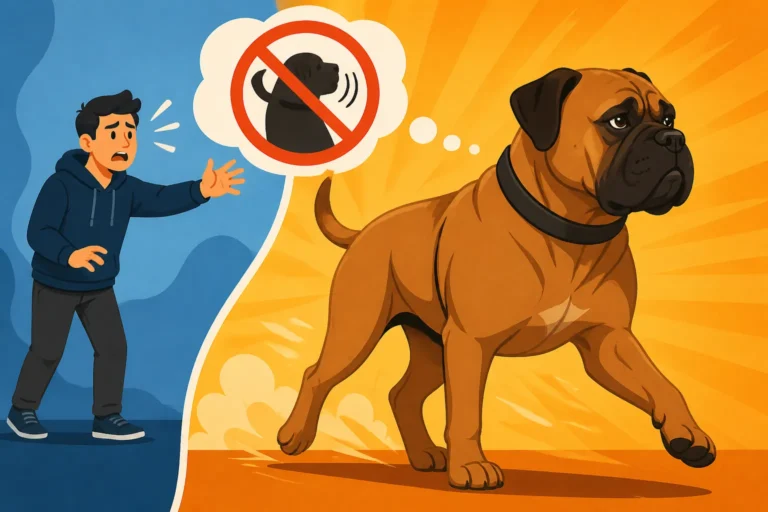
Beyond the physical attributes, the most telling aspect of the Bullmastiff’s non-mauling nature is their temperament. Gamekeepers couldn't risk having an overly reactive, neurotic, or indiscriminately aggressive dog. They needed a dog that could assess a situation, act decisively, and then, most importantly, stand down when commanded. This required a naturally calm, confident, and stable disposition. A Bullmastiff needed to be fearless in the face of an intruder, but not prone to unprovoked aggression or hysteria. Their loyalty to their handler and inherent desire to please were essential for effective control. This deliberate selection for an even temper means that a well-bred Bullmastiff today is typically a calm, affectionate, and steadfast companion, particularly with their own family. Their protective instincts are usually expressed through presence and deterrence, rather than immediate, uncontrolled violence. This calm demeanor is also why The Silent Guard: Why a Bullmastiff Barks So Little is a common trait; they were meant to be stealthy.
Modern Bullmastiff Behavior and Misconceptions
In today's world, the Bullmastiff is far removed from the cold, damp estates of Victorian England. Most Bullmastiffs live as beloved family companions, but their ancestral traits still manifest in their modern behavior.
Understanding the Modern Bullmastiff's Protective Nature
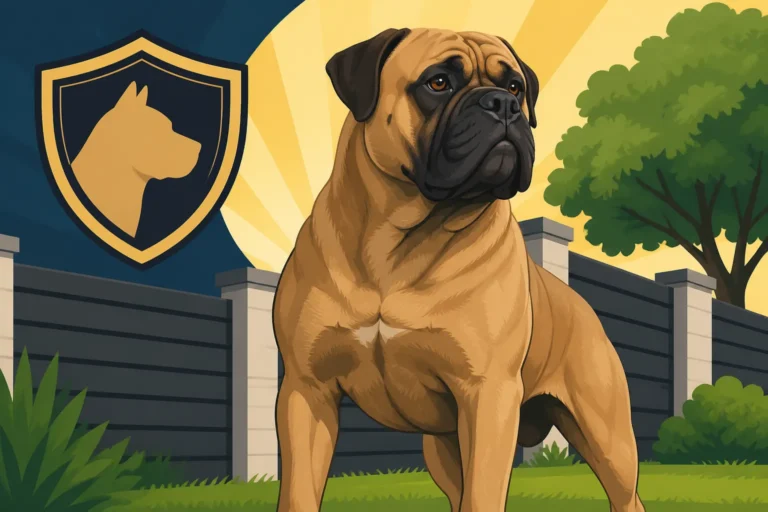
While they are no longer apprehending poachers, the protective instinct is deeply ingrained in the Bullmastiff. This often translates into a keen awareness of their surroundings and a strong bond with their family, whom they perceive as their "charge." They are naturally wary of strangers, but this wariness typically expresses itself as aloofness rather than outright aggression. A Bullmastiff might stand between you and a visitor, or lean into you protectively, acting as a physical barrier. This is their historical "holding" instinct at play – not to maul, but to control the space and the perceived threat. They are excellent natural deterrents simply by their imposing presence. Most Bullmastiffs will alert their family to an unusual presence, and then observe. If they feel their family is truly threatened, they will act to intercede, often using their body to block or push, consistent with their historical role. They might "body block" a stranger who approaches too closely or too quickly, which is a key part of How a Bullmastiff Body Blocks a Stranger. It’s important to distinguish this controlled, protective behavior from unprovoked aggression, which is atypical for a well-bred and properly socialized Bullmastiff. You can learn more about their general protective instincts in How Protective a Bullmastiff Is.
Training and Socialization: Ensuring a Well-Adjusted Gentle Giant
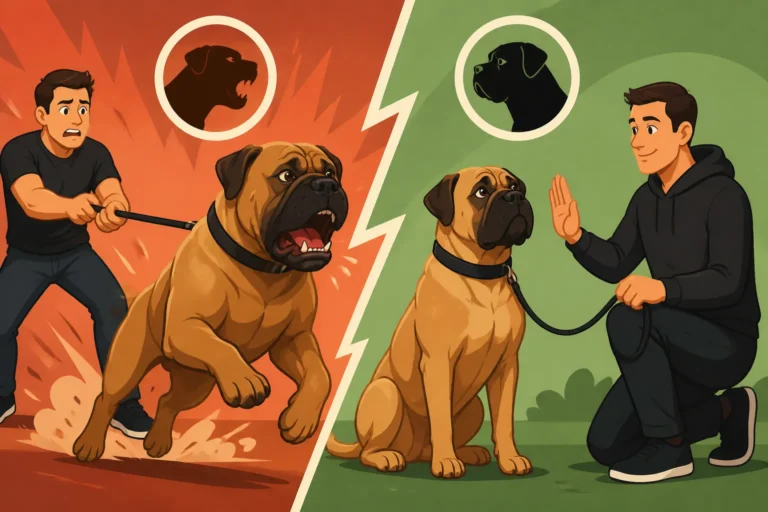
Given their size and protective instincts, proper training and extensive socialization are absolutely non-negotiable for a Bullmastiff. Even though they weren't bred to maul, their sheer power means that any uncontrolled behavior, even if not maliciously intended, can be dangerous due to their size. Early and consistent socialization exposes puppies to a wide variety of people, sights, sounds, and other animals in a positive way, helping them learn appropriate responses and build confidence. This teaches them that most strangers are not threats. Training, especially positive reinforcement methods, helps shape their protective tendencies into appropriate, manageable behaviors. Commands like "leave it," "stay," and a rock-solid "come" are vital for ensuring that your Bullmastiff remains a benevolent guardian, not an out-of-control force. Investing in a good online training program, like BAXTER & Bella, can be incredibly helpful for new owners, guiding them through the critical early stages of development and beyond. You want a dog that can protect, but more importantly, a dog that chooses to be gentle and respectful under your guidance. This training is essential for fostering a relationship based on trust and clear communication.
Dispelling the Myths and Promoting Responsible Ownership
The narrative around large, powerful breeds often gets muddled with sensationalism and fear, overshadowing their true nature and historical purpose.
The Difference Between Guarding and Aggression
It's vital for current and prospective Bullmastiff owners, as well as the general public, to understand the clear distinction between guarding behavior and aggression. A Bullmastiff's guarding is an instinctual response to protect its family and territory. This might involve barking at strangers, positioning themselves between their family and an perceived threat, or using their size to deter. True aggression, on the other hand, is an unprovoked attack, often driven by fear, poor breeding, or inadequate socialization. A properly bred and raised Bullmastiff should exhibit controlled guarding, not unprovoked aggression. They are not dogs that should be "guard trained" in the aggressive sense, as their natural instincts are usually more than sufficient for deterrence. In fact, deliberate protection training can often override their natural discretion and create an unpredictable dog, which is why Why Protection Training Is Unnecessary for a Bullmastiff is so important to understand. Their powerful presence and watchful demeanor are usually enough to make any ill-intentioned person think twice.
Advocating for the Breed: Education and Experience
As owners and enthusiasts, we have a responsibility to educate others about the Bullmastiff's true nature. Sharing accurate information about their history, temperament, and care can help dispel outdated myths and foster a better understanding of these magnificent dogs. When considering a Bullmastiff, it's crucial to seek out reputable breeders who prioritize health and temperament, carefully screening their dogs for stability and sound minds. These breeders are vital in preserving the breed’s gentle giant reputation and ensuring future generations embody the controlled, protective nature the gamekeepers originally sought. For prospective owners, researching extensively, visiting adult Bullmastiffs, and even reaching out to Bullmastiff rescues (which often have a wealth of knowledge and experience) can provide invaluable insights. Equip yourself with the right knowledge and tools, perhaps by exploring highly-rated resources and products on platforms like Amazon for quality training aids and sturdy equipment, to ensure you can provide the best possible environment for your Bullmastiff to thrive as a calm, confident, and deeply loyal companion, rather than a misunderstood menace. Their nature is one of quiet strength and unwavering protection, not mindless ferocity.
Disclaimer
This article is for general informational purposes only and does not constitute professional advice. Laws, prices and regulations vary by location and change over time. Consult a qualified professional for guidance on your specific situation.