Why a Bullmastiff Ignores a Cue It Knows
It can be incredibly frustrating when your big, beloved Bullmastiff, a dog you've spent countless hours training, suddenly decides to act like they've never heard a single cue in their life. You say "sit," they stare at a squirrel; you call "come," and they ponder the meaning of life at the far end of the yard. This guide is here to help you understand why your Bullmastiff might be tuning you out and, more importantly, what you can do to bring back that reliable responsiveness you both deserve.
The Bullmastiff's Unique Temperament and Learning Style
Let's start by acknowledging that Bullmastiffs aren't your typical "eager to please" golden retrievers. They're magnificent, thoughtful, and often, quite opinionated creatures. Their temperament, rooted in their history as estate guardians, lends itself to a very specific way of learning and responding that can sometimes be misinterpreted as stubbornness or outright defiance. Understanding this fundamental difference is key to cracking the code when they seem to ignore a cue they know perfectly well.
Deliberation, Not Disobedience
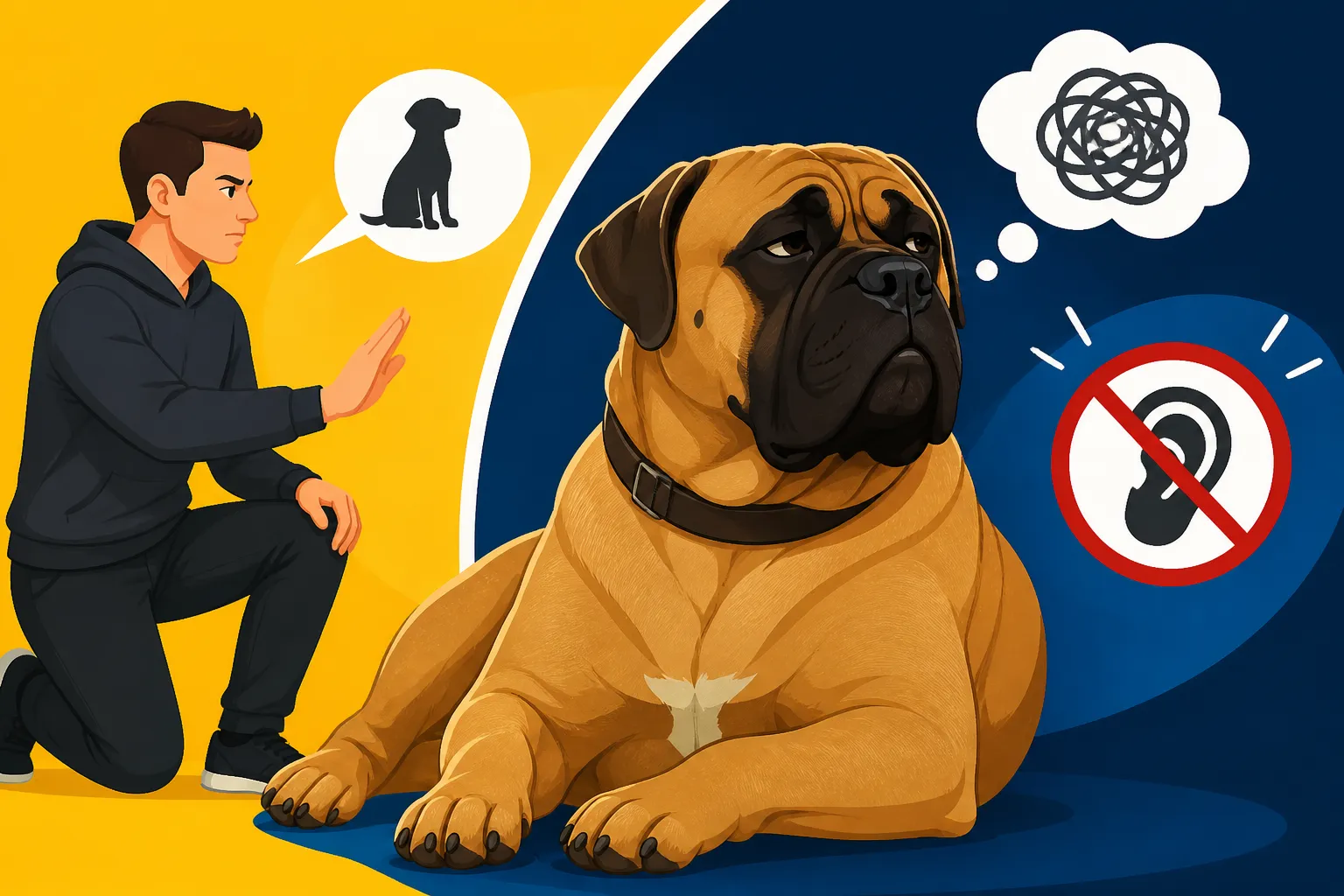
One of the most common traits Bullmastiff owners quickly discover is their dog's propensity for deliberation. When you give a cue, especially in a new or distracting environment, a Bullmastiff often won't just immediately spring into action. Instead, you might observe a slight pause, a head tilt, or even a slow blink. This isn't necessarily a sign of rebellion; it's often their intelligent brain processing the request, weighing it against the current environment, and deciding if it's worth their effort. They are not naturally fast responders; they are thinkers. They were bred to be silent, steady guardians, making calculated moves, not frantic ones. You might find yourself wondering Why a Bullmastiff Pauses Before Obeying, and this inherent trait is a big part of it.
This inherent deliberation means that consistency, patience, and making your request compelling are far more effective than repetition or harsh commands. If you constantly repeat a cue ("Sit! Sit! SIT!"), your Bullmastiff learns that the first "sit" isn't actually the cue; it's the fifth one, or the one you say with a certain tone of voice. This only exacerbates the problem, teaching them to wait for more information. Instead, deliver a clear cue once, and then wait for that deliberate response, ready to reward it enthusiastically.
The Importance of Motivation
Bullmastiffs are not typically driven solely by a desire to please. While they adore their families and seek connection, their motivation in training often hinges on what's in it for them. This isn't selfish; it's practical. A Bullmastiff will typically perform a known behavior reliably if the reward is significant enough. If what you're offering (a dry biscuit, a pat on the head) pales in comparison to the excitement of a passing dog or a fascinating scent, guess which one will win? That's right, the exciting thing.
Therefore, you need to understand What Motivates a Bullmastiff. Is it a high-value treat like boiled chicken or cheese? Is it a favorite squeaky toy? Is it enthusiastic verbal praise and a good butt scratch? What works on one Bullmastiff might not work on another, and what works in the quiet living room might not cut it at the busy dog park. Your job as their handler is to be a master of motivation, constantly assessing and adapting your rewards to ensure they are always more enticing than whatever fleeting distraction the world throws their way.
Maturity and the Bullmastiff Brain
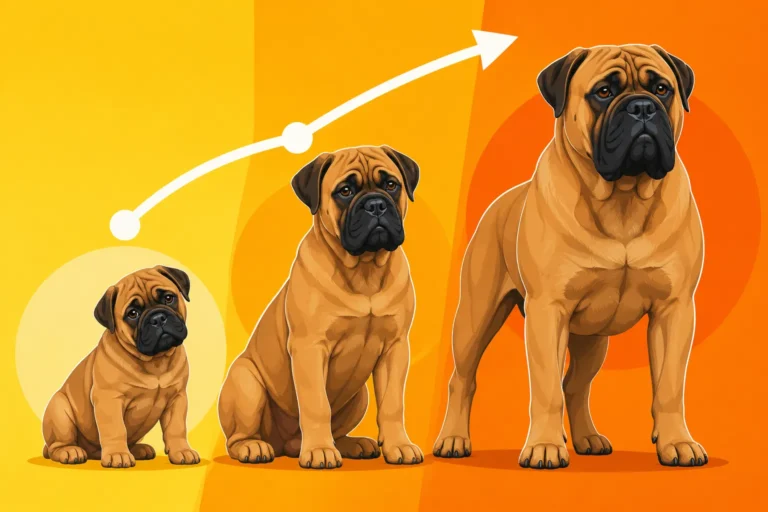
It’s easy to look at a year-old Bullmastiff, already weighing well over a hundred pounds, and assume they're a fully mature adult. However, this breed develops at a slower pace than many others. Physically, they might look grown, but mentally and emotionally, they can remain quite puppy-like and impulsive well into their second or even third year. This extended adolescence means that their focus, impulse control, and reliability can fluctuate wildly.
Just as a human teenager might have moments of brilliant insight followed by bouts of inexplicable forgetfulness, a young Bullmastiff's ability to consistently execute a known cue can be a roller coaster. Understanding When a Bullmastiff Finishes Maturing helps set realistic expectations. What might seem like deliberate defiance could simply be an underdeveloped ability to self-regulate or prioritize your request over their immediate instincts. Consistent, patient training throughout these formative years is critical, reinforcing good habits long before their brains fully catch up to their massive bodies.
Common Reasons a Bullmastiff Might "Ignore" You
Beyond their inherent temperament, there are several very practical reasons why a Bullmastiff who knows a cue might suddenly seem deaf to your requests. It’s rarely about them actively trying to be "bad"; it’s more often about context, distraction, or even their physical state.
Environmental Distractions
Imagine trying to focus on a complicated math problem while someone is loudly playing a drum solo next to you, a delicious pizza is being delivered, and your favorite movie is on TV. That's often what the world is like for a Bullmastiff. Their sense of smell is incredibly powerful, and their vision can pick up subtle movements far away. A squirrel across the park, the scent of a discarded hot dog wrapper, or even the sound of another dog barking three blocks away can be a monumental distraction, completely eclipsing your voice.
This is especially true for cues like "come" or "stay" when you’re outdoors. What works perfectly in your quiet backyard might utterly fail at a bustling park. They aren't ignoring you maliciously; they're simply responding to a stronger, more immediate stimulus. This is where "proofing" comes in – practicing cues in increasingly distracting environments, gradually building their ability to focus on you amidst the chaos. Without this gradual exposure, their recall might be Why a Bullmastiff's Recall Is Unreliable in a high-distraction area.
Lack of Generalization
Dogs, even smart ones like Bullmastiffs, don't automatically generalize behaviors from one context to another. If you've only ever taught your Bullmastiff to "sit" in the kitchen, they might genuinely not understand what "sit" means when you're in the living room, at a friend's house, or on a hiking trail. They associate the cue with a specific location, position, or even your specific tone of voice in that familiar setting.
This lack of generalization is a huge pitfall for many dog owners. We assume that once a dog knows a cue, they know it everywhere. But for a Bullmastiff, you essentially need to re-teach the cue in various locations, with different levels of distraction, and even with different people giving the cue. Think of it as teaching a language – knowing how to say "hello" in your home doesn't mean you automatically know how to say it in a crowded marketplace or a foreign country. Regularly practicing cues in new places, starting with low distraction and slowly increasing it, is paramount.
Health or Discomfort
Sometimes, what appears to be a Bullmastiff ignoring a cue is actually a subtle sign of physical discomfort or an underlying health issue. For a large, heavy-boned breed prone to joint issues, a "sit" or "down" cue might become painful, causing them to hesitate or avoid it. A sudden reluctance to jump in the car could signal a back problem. Even a mild ear infection could make them less receptive to verbal cues, as their hearing might be affected or they might be generally uncomfortable.
Bullmastiffs are notoriously stoic, often hiding pain until it's quite advanced. If your otherwise reliable dog suddenly starts ignoring cues, especially those involving movement, it's always worth a vet check. Consider how their massive weight impacts their joints, especially as they get older. Hips and Elbows Under a Hundred and Thirty Pound Bullmastiff are under constant stress, and what was once easy can become challenging. Rule out any medical reasons before you assume it's purely a behavioral issue.
Testing Boundaries
Bullmastiffs are intelligent and strong-willed. As they mature, especially during their adolescent phase, they may occasionally "test the waters" to see where the boundaries lie. This isn't malicious, but rather an exploration of their world and their place in it. A perfectly executed "stay" might be abandoned because they want to see if they really have to stay, or if they can get away with breaking it. This is particularly common if your reinforcement has become inconsistent or if you've allowed them to "get away with" ignoring a cue in the past.
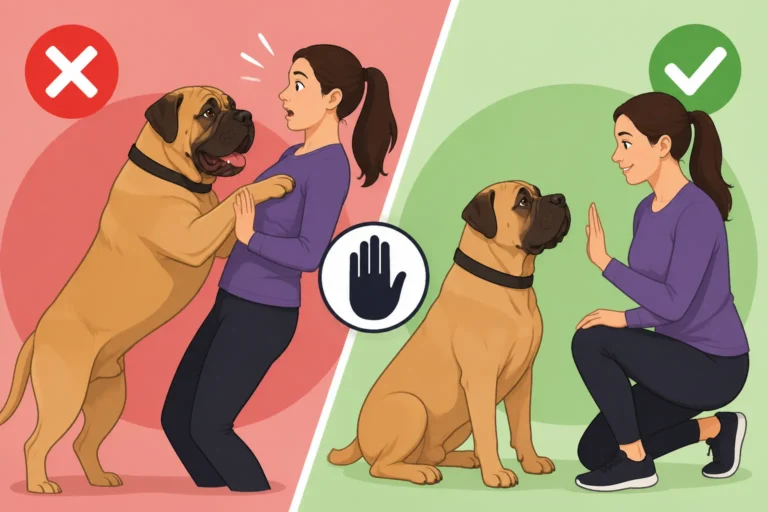
If your Bullmastiff is testing boundaries, it's crucial to respond with calm, firm consistency. Avoid getting angry or frustrated, as this can be counterproductive with such a sensitive breed; remember How Sensitive a Bullmastiff Is. Instead, go back to basics. Re-establish clear expectations, ensure your rewards are high-value, and always follow through. If they don't perform the cue, gently guide them into position and then reward. Don't punish them for not doing it, but ensure they don't get rewarded for not doing it either.
Strategies to Reinforce Cues and Improve Responsiveness
Now that we understand why your Bullmastiff might be ignoring cues, let's talk about practical strategies to get them back on track and build even stronger reliability. It all comes down to consistency, understanding their motivators, and making training a positive, ongoing experience.
Re-evaluating Your Reinforcement
If your Bullmastiff isn't responding, the first thing to look at is your reward system. Are you still using the same old dry kibble for a "come" in a distracting environment? Probably not cutting it! For high-stakes cues or challenging environments, you need high-value rewards. This could be tiny pieces of cooked chicken, cheese, hot dogs, or a favorite squeaky toy they only get during training.
Think about variety too. Sometimes, a Bullmastiff can get bored with the same reward. Rotate your high-value treats and toys to keep them guessing and excited. Make your praise enthusiastic and genuine. Your tone of voice, your body language, and the excitement you convey are all part of the reward package. Make yourself the most exciting thing in the environment, even if just for a moment after they perform the cue. If you're looking for guidance on finding the right rewards or training techniques, online platforms like BAXTER & Bella offer comprehensive resources and support that can help you dial in your training approach. They often have experts who understand breed-specific challenges.
Proofing and Practice in New Environments
This is where the rubber meets the road. Once your Bullmastiff reliably performs a cue in a quiet, familiar setting, you must gradually introduce distractions and new environments. Start small:
- Low Distraction: Practice in a different room of your house, then your quiet backyard.
- Moderate Distraction: Move to a slightly busier area, like a quiet street corner or a friend's less-exciting home. Keep sessions short, maybe just a few minutes, as suggested by How Short a Bullmastiff's Training Session Should Be.
- High Distraction: Finally, tackle truly distracting environments like a park during off-peak hours, slowly building up to busier times.
Always set your Bullmastiff up for success. If you know they'll fail in a highly distracting environment, don't ask them to perform a critical cue like "come." Instead, keep them on a long line for safety and focus on simple cues like "watch me" or a short "sit" with super high-value rewards. Gradually increase the distance, duration, and distraction for each cue. This systematic approach helps them understand that "sit" means "sit" everywhere, not just in the kitchen. Many specialty dog training tools, like extra-long training leashes or treat pouches, can be found on Amazon to aid in this process.
Making Training a Lifestyle
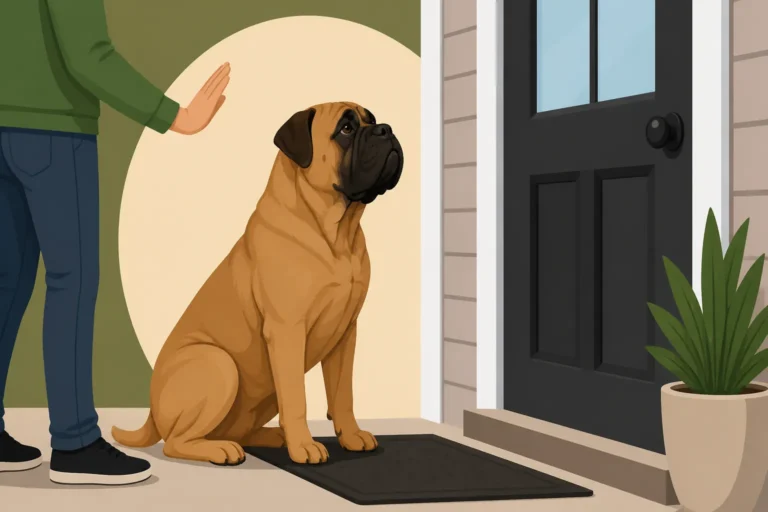
For a Bullmastiff, training isn't something you do for 15 minutes a day and then forget. It needs to be an ongoing dialogue, seamlessly integrated into your daily life. Every interaction is a training opportunity. When your Bullmastiff wants to go outside, ask for a "sit" first. Before they get their dinner bowl, ask for a "down" and a "wait." When guests arrive, practice a "place" command.
These everyday "mini-training sessions" reinforce cues, build focus, and strengthen your bond. It also keeps their minds active, which is crucial for a breed that needs mental stimulation as much as physical activity. Consider What Mental Work a Bullmastiff Needs – it's more than just a walk around the block. Engaging their minds with consistent, positive reinforcement training prevents boredom and makes them more attentive to your cues throughout the day. Consistency here is key; even if your Bullmastiff is known for How Stubborn a Bullmastiff Is, persistent positive reinforcement can make a world of difference.
When to Seek Professional Help
Sometimes, despite your best efforts, a Bullmastiff's selective hearing persists, or perhaps new behavioral challenges emerge. This is absolutely nothing to be ashamed of. These are powerful, intelligent dogs, and sometimes an outside perspective from a professional trainer or behaviorist is invaluable. They can observe your interactions, identify subtle miscommunications, and provide tailored strategies for your specific dog and situation.
Look for trainers who use positive reinforcement methods and have experience with giant breeds or strong-willed dogs. Avoid anyone who suggests harsh corrections or force, as this can severely damage your bond with a Bullmastiff and often backfires, making them even less responsive. As discussed in Why Harsh Correction Fails on a Bullmastiff, their sensitive nature responds far better to encouragement and reward. A good professional can help you refine your timing, discover new motivators, and troubleshoot persistent issues, giving you both the tools to succeed. Online training programs, such as those from BAXTER & Bella, can also provide structured guidance and access to professional trainers for virtual consultations, offering support from the comfort of your home.
| Reason for Ignoring Cue | Common Signs | Recommended Action |
|---|---|---|
| Deliberation | Pause, slow response, head tilt. | Give cue once, wait patiently, reward enthusiastic. Avoid repeating. |
| Low Motivation | Stares at distraction, ignores reward. | Increase reward value (high-value treats, favorite toy). Vary rewards. |
| Distraction | Focuses on environment (scent, sight, sound). | Proof cues in varying environments. Use a long line for safety. Gradually increase distraction. |
| Lack of Generalization | Performs cue only in familiar places. | Practice cues in many different locations and contexts. |
| Discomfort/Pain | Reluctance, slow movement, groaning, altered gait. | Vet check immediately. Rule out medical issues, especially joint pain. |
| Testing Boundaries | Breaking known commands, direct defiance, 'testing' limits. | Consistent follow-through. Never let them get away with ignoring. Reinforce heavily. |
| Adolescence | Inconsistent responses, bursts of energy, poor impulse control. | Consistent, patient training. Short, frequent sessions. Revisit basics often. |
Ultimately, a Bullmastiff who seems to ignore a known cue isn't being spiteful. They're communicating something, whether it's "I'm distracted," "this isn't worth it," or "I don't understand what you want here." By becoming a keen observer, a master of motivation, and a patient, consistent leader, you can strengthen your bond and ensure your magnificent Bullmastiff remains the responsive, well-mannered companion you know they can be.
Disclaimer
This article is for general informational purposes only and does not constitute professional advice. Laws, prices and regulations vary by location and change over time. Consult a qualified professional for guidance on your specific situation.