Why Harsh Correction Fails on a Bullmastiff
It can be incredibly frustrating when your strong-willed Bullmastiff seems to ignore your commands, especially when you've tried everything, from firm verbal corrections to even more physical interventions. Many owners, faced with a massive dog that seems to have a mind of its own, mistakenly believe that a tougher approach is the only way to get through. However, for a Bullmastiff, harsh correction rarely works as intended and often does more harm than good, leading to a breakdown in trust and even behavioral problems. This guide will delve into why traditional "tough love" methods fall flat with this unique breed and explore the power of positive reinforcement in building a willing and happy companion.
Understanding the Bullmastiff Temperament: Why "Tough Love" Backfires
Bullmastiffs are a fascinating blend of power and sensitivity, a combination that makes them truly special but also means they respond very differently to training compared to many other breeds. If you try to push a Bullmastiff too hard or correct them harshly, you'll often find yourself hitting a brick wall, or worse, creating new problems you never anticipated. It's crucial to understand their inherent nature to truly get why gentle but firm methods are the way to go.
The Bullmastiff's Sensitive Nature
Beneath that formidable exterior and powerful musculature, many Bullmastiffs possess a surprisingly sensitive soul. They are incredibly attuned to their owner's emotions and body language. A sharp tone, a sudden loud noise, or a physical correction can deeply unsettle them, leading to confusion and withdrawal rather than compliance. They thrive on positive interaction and praise, soaking up affection like a sponge. When they feel threatened or unfairly treated, their trust in you can quickly erode. It’s not that they are delicate or weak; it’s that their intelligence and strong bond with their human family mean they value respectful communication. Think of it this way: would you respond well to being yelled at or physically reprimanded for a mistake you didn't understand, or would you prefer clear, patient guidance? Your Bullmastiff is no different. They want to please you, but they need to understand how to do so without fear. For more insight, consider How Sensitive a Bullmastiff Is.
Their Independent Streak and Deliberate Thinking
Bullmastiffs were originally bred for a very specific job: to guard estates and apprehend poachers by holding them, not harming them. This required a dog with immense strength, courage, and, crucially, the ability to think for itself. They weren't bred to be blindly obedient like some herding breeds. Instead, they needed to assess situations, make judgments, and act decisively, often without direct command. This independent streak is still very much present in the modern Bullmastiff. When you give a command, they might not instantly spring into action. Instead, they often The Bullmastiff That Pauses to Decide Whether You Are Worth It, weighing the request, considering its implications, and deciding if it’s "worth it" or if there's a better alternative (like sniffing that interesting spot).
This isn't defiance; it's deliberation. Harsh corrections only confuse this process. If you physically force a Bullmastiff, or use fear to coerce them, they don't learn what you want; they learn to avoid the correction. Their independent nature makes them particularly resistant to intimidation. They are not dogs that can be physically made to do something, as anyone who has tried to move a 130-pound Bullmastiff that has decided to become a statue can attest. This means methods that rely on physical compulsion, choke chains, or electronic collars often backfire, leading to a dog that either shuts down, becomes fearful, or, in some cases, becomes defensively aggressive. It's far more effective to engage their minds and make them want to comply, rather than forcing them.
The Detrimental Effects of Harsh Training Methods
It's tempting, especially with a large and powerful dog like a Bullmastiff, to resort to methods that promise quick results through dominance or intimidation. However, these techniques almost universally lead to undesirable long-term consequences that are far harder to undo than a few missed commands. Understanding these negative effects is crucial for any Bullmastiff owner committed to their dog's well-being and a harmonious household.
Erosion of Trust and Relationship Breakdown
Imagine your most trusted friend suddenly becoming unpredictable, sometimes kind and sometimes harsh without clear reason. You'd start to pull away, wouldn't you? That's precisely what happens with a Bullmastiff subjected to harsh corrections. Their bond with their human is paramount, and it's built on trust and mutual respect. When corrections are unpredictable, overly severe, or used without the dog fully understanding what's expected, that trust begins to crumble. Your Bullmastiff starts to associate your presence with potential discomfort or fear, rather than comfort and security.
This erosion of trust makes genuine training incredibly difficult. A Bullmastiff that doesn't trust you is less likely to engage, less likely to try new things, and less likely to offer behaviors willingly. They might perform out of fear of punishment, but this isn't true learning or cooperation; it's coercion. This kind of relationship is fragile and stressful for both dog and owner. Instead of a joyful partnership, you end up with a dog that is constantly on edge, trying to anticipate and avoid negative interactions. You'll miss out on the deep, loyal companionship that Bullmastiffs are famous for, because fear will always stand between you.
Increased Fear, Anxiety, and Aggression
Harsh training methods, particularly those involving physical punishment or intimidating postures, often create more problems than they solve. For a sensitive breed like the Bullmastiff, these methods can instill profound fear and anxiety. A dog that is constantly worried about being corrected might start displaying displacement behaviors like excessive licking, yawning, or panting. They might become hesitant, avoid eye contact, or even refuse to engage in activities they once enjoyed.
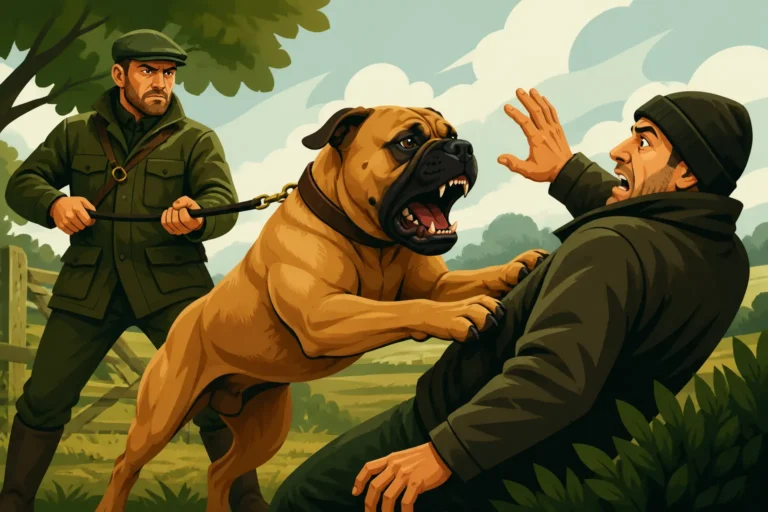
In some cases, chronic fear and anxiety can escalate into defensive aggression. A Bullmastiff, when pushed too far or feeling trapped, might resort to growling, snapping, or even biting to protect itself. This isn't because the dog is "dominant" or "bad"; it's a natural fight-or-flight response when its perceived safety is threatened. A dog that has been routinely corrected for growling (which is often its way of communicating discomfort before escalating) might learn to suppress that warning signal, leading to sudden, seemingly unprovoked bites. This is why Why a Bullmastiff Cannot Be Physically Made to Do Anything is a critical lesson for any owner. When fear becomes the primary motivator, you're not building a well-behaved dog; you're building a ticking time bomb. This is especially dangerous with a dog as large and powerful as a Bullmastiff.
Suppressing Natural Behaviors, Not Solving Them
One of the biggest misconceptions about harsh correction is that it "fixes" undesirable behaviors. In reality, it often just suppresses them. Let's say your Bullmastiff jumps on guests out of excitement, and you respond with a knee to the chest or a sharp yank on their leash. The dog might stop jumping when you are present because it fears the correction. But has it learned not to jump? Not really. It hasn't learned an alternative, acceptable greeting behavior. The underlying excitement and lack of manners haven't been addressed.
What often happens is that the behavior resurfaces when you're not around, or the dog finds a different, perhaps more problematic, outlet for its energy or anxiety. For example, if a Bullmastiff is corrected for barking at the window, it might stop barking, but instead start pacing, chewing furniture, or developing separation anxiety. The root cause – maybe boredom, lack of socialization, or territorial instincts – has been ignored. True training involves teaching the dog what to do instead, rewarding those desired actions, and managing the environment to prevent unwanted behaviors. Suppressing a symptom with punishment is like putting a band-aid on a gaping wound – it looks okay on the surface, but the deeper problem remains and will likely fester. This is also why understanding Why a Bullmastiff Ignores a Cue It Knows is important; they're often not ignoring you to be difficult, but because they haven't made the connection between the cue and the desired action in a positive way.
Positive Reinforcement: The Bullmastiff's Path to Success
If harsh correction is a dead end, then positive reinforcement is the open road to a well-behaved, confident, and happy Bullmastiff. This approach focuses on rewarding desired behaviors, making it enjoyable and motivating for your dog to learn. It builds a strong, trusting bond and teaches your Bullmastiff what to do, rather than simply what not to do.
Building Motivation and Engagement
Bullmastiffs are intelligent dogs, but they need a reason to engage, especially given their deliberate nature. Positive reinforcement provides that reason. When a behavior results in something good – a tasty treat, a favorite toy, enthusiastic praise, or even a moment of calm attention – your Bullmastiff is far more likely to repeat it. This is how you tap into their natural desire to please and their intelligence. It transforms training from a chore into a game or a valuable interaction.
Think about it: would you rather work for a boss who constantly criticizes your mistakes, or one who acknowledges and rewards your successes? Most of us would choose the latter. For a Bullmastiff, high-value treats are often the primary currency, especially in the early stages of learning. Finding out How Food Motivated a Bullmastiff Is can give you a significant advantage. Use small, soft, irresistible treats for training sessions, especially when introducing new commands or working in distracting environments. Companies like Amazon offer a huge variety of training treats, from soft and chewy options to freeze-dried single-ingredient varieties that many Bullmastiffs adore. This positive association makes them eager participants, building motivation and turning them into willing partners in their own education.
Clear Communication and Consistency
Positive reinforcement relies heavily on clear communication. When you reward a specific action, you're telling your Bullmastiff, "Yes, that's exactly what I want!" The timing of that reward is critical – it needs to happen within a second or two of the desired behavior so your dog can make the connection. Consistent use of cues and rewards helps solidify this understanding. Everyone in the household needs to be on the same page, using the same commands and reinforcing the same behaviors. Inconsistent cues or mixed signals will only confuse your Bullmastiff and slow down the learning process.
For example, if one family member allows jumping and another corrects it, your Bullmastiff will learn that jumping is sometimes okay and sometimes not, leading to confusion and frustration. Consistency also applies to the training environment. Start training in a quiet, low-distraction setting, then gradually introduce more challenging environments as your Bullmastiff gains confidence and proficiency. Online puppy and dog training programs, such as those offered by BAXTER & Bella, are excellent for teaching owners how to implement clear, consistent positive reinforcement techniques, providing step-by-step guidance and support for navigating a Bullmastiff's unique learning style.
The Power of Praise and Rewards
While treats are often the initial motivator, positive reinforcement isn't just about food. Praise, petting, a quick game of tug, or the opportunity to do something they enjoy (like going for a walk or getting a favorite toy) can all be powerful rewards. The goal is to gradually fade the reliance on constant food rewards as your Bullmastiff understands the command, replacing them with intermittent treats and more life rewards. This creates a dog that performs because it enjoys the interaction and the mental stimulation, not just for a piece of chicken.
Consider this comparison of training methods:
| Feature | Harsh Correction (Aversive) | Positive Reinforcement (Lure/Reward) |
|---|---|---|
| Foundation | Fear, intimidation, physical compulsion | Trust, cooperation, motivation |
| What Dog Learns | What not to do; how to avoid punishment | What to do; how to earn rewards |
| Emotional State | Fearful, anxious, stressed, withdrawn | Engaged, confident, happy, eager to learn |
| Relationship | Strained, hierarchical, based on control | Strong bond, partnership, mutual respect |
| Effectiveness | Suppresses behavior, creates new problems | Builds reliable behaviors, fosters learning |
| Long-Term | Potential for aggression or shutdown | Confident, well-adjusted, willing companion |
Remember, your Bullmastiff wants to be a good companion. They just need you to show them the way in a language they understand and respond to positively. Which Rewards a Bullmastiff Works For can vary, so observe your dog and find what truly motivates them.
Practical Strategies for Training Your Bullmastiff Effectively
Armed with the knowledge that positive reinforcement is your best ally, let's look at some practical strategies to make training a success with your Bullmastiff. It’s not just about what you do, but how you approach it, ensuring both you and your powerful canine feel confident and engaged.
Setting Up for Success and Managing the Environment
One of the most effective tools in positive reinforcement training is environmental management. This means setting up your Bullmastiff, and your home, in a way that makes it easy for them to succeed and hard for them to fail. For a puppy, this might involve using baby gates to confine them to dog-proofed areas, preventing them from chewing inappropriate items. For an adult, it could mean keeping tempting snacks off countertops to prevent counter surfing or using a long leash during walks to manage their environment and prevent lunging at distractions. Amazon offers a wide array of tools like durable baby gates, extra-long training leashes, and even engaging puzzle toys that can keep your Bullmastiff mentally stimulated and less likely to engage in unwanted behaviors.
For example, if your Bullmastiff is known for jumping on visitors, you can set up a controlled greeting situation. Before a guest arrives, have your Bullmastiff on a leash, ready to practice. Reward them for all four paws on the floor as the guest enters, gradually building up to a calm greeting. By controlling the situation, you prevent the unwanted behavior from happening in the first place, giving you more opportunities to reinforce the desired behavior. This is particularly important when you consider When to Start Training a Bullmastiff Puppy, as establishing good habits early on is far easier than trying to break bad ones later.
Patience, Repetition, and Short Training Sessions
Training a Bullmastiff requires a good dose of patience and a realistic understanding of their learning pace. They are deliberate thinkers, and while intelligent, they might not pick up new commands as quickly as some other breeds. Repetition is key, but it needs to be enjoyable and not become a drill. Instead of long, tedious sessions, aim for short, frequent training bursts throughout the day – perhaps 5-10 minutes a few times a day. This keeps your Bullmastiff engaged and prevents them from becoming bored or frustrated. If you recall How Short a Bullmastiff's Training Session Should Be, you'll understand why brief but impactful sessions are far more effective.
Always end on a positive note. If your Bullmastiff is struggling with a particular command, go back to something they know well, have them perform it successfully, and reward them generously before ending the session. This builds their confidence and leaves them feeling good about training, making them more eager for the next session. This gentle, consistent approach builds a solid foundation for more complex behaviors and strengthens your bond.
Seeking Professional, Positive-Reinforcement Guidance
While you can achieve a lot with self-study, sometimes a little professional guidance can make all the difference, especially with a powerful breed like the Bullmastiff. Look for certified professional dog trainers who specialize in positive reinforcement methods. Avoid any trainer who suggests using choke chains, prong collars, electronic collars, or force-based techniques, as these will be counterproductive for your Bullmastiff. A good trainer will help you understand your Bullmastiff's unique learning style, troubleshoot specific behavioral challenges, and teach you how to communicate more effectively.
Joining a puppy class or obedience class that uses positive reinforcement is also highly beneficial, offering socialization opportunities in a structured environment. For adult Bullmastiffs, a private trainer can tailor sessions to your specific needs and help address any behavioral quirks. Online platforms like BAXTER & Bella offer virtual training and support, which can be invaluable for owners who might not have access to local positive reinforcement trainers or who prefer the flexibility of at-home learning. Remember, training is an ongoing journey, not a destination, and investing in good guidance will pay dividends in a happy, well-adjusted Bullmastiff companion. And if you're wondering How Trainable a Bullmastiff Is, rest assured they are very trainable, provided you use the right approach. Building a relationship where your Bullmastiff truly wants to work with you is the ultimate reward.
Disclaimer
This article is for general informational purposes only and does not constitute professional advice. Laws, prices and regulations vary by location and change over time. Consult a qualified professional for guidance on your specific situation.