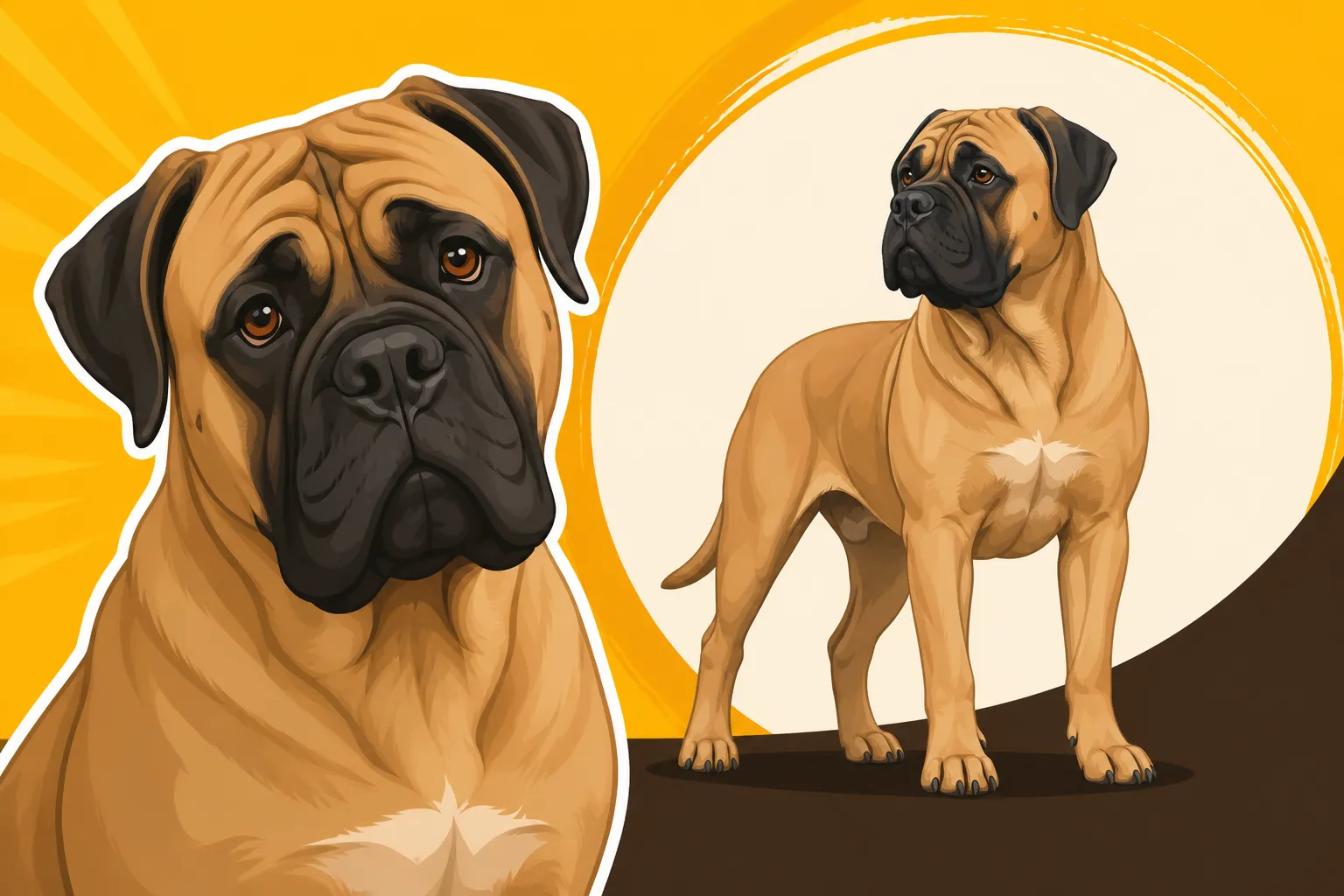
What a Bullmastiff Puppy Is Like at Nine Months
Ah, the nine-month mark with a Bullmastiff puppy! This is often where many new Bullmastiff owners find themselves scratching their heads, wondering if their sweet, albeit clumsy, little fluffball has suddenly been replaced by a strong-willed, occasionally deaf, and often seemingly rebellious teenager. You’re past the tiny puppy stage, but your dog is definitely not a calm adult yet, leading to a unique set of joys and challenges. This guide is here to walk you through what to expect during this pivotal adolescent phase, helping you understand the physical, mental, and emotional changes your growing Bullmastiff is going through.
The Shifting Sands of Adolescence: What's Happening Physically?
By nine months, your Bullmastiff isn't just growing; they're truly transforming. This stage is all about raw power emerging from a gangly frame, and it comes with its own quirks. Owners often comment that their pup seems to change almost daily, a blend of awkwardness and impressive heft. It's a critical period where their physical development needs careful management to support their long-term health.
Growth Spurts and Filling Out
At nine months, your Bullmastiff is likely nearing its full height, but the real show is starting: they’re beginning to fill out. Those lanky legs are connecting to a more substantial body, and their chest is widening. While they might already weigh a considerable amount, perhaps in the 80-100 pound range or even more for males, they still have a lot of muscle and density to pack on. This isn't just about gaining weight; it's about developing the powerful, robust frame that is characteristic of the breed. It can feel like they're in a perpetual growth spurt, demanding more food and more rest as their body works overtime.
However, it’s crucial during this phase to remember that slower growth is healthier growth. Overfeeding a Bullmastiff puppy, especially with foods not formulated for large breeds, can cause them to grow too quickly, putting undue stress on their developing joints and increasing the risk of orthopedic issues like hip and elbow dysplasia. You want a steady, even development, not a rapid expansion. Keeping them lean during this time, so you can easily feel their ribs, is paramount. If you're wondering Why a Bullmastiff Puppy Should Not Grow Fast, it's because their heavy bones and quick growth can lead to lifelong joint problems.
Coordination and Clumsiness
Despite their rapid growth and increasing size, many nine-month-old Bullmastiffs are still incredibly clumsy. Their bodies are changing so fast that their brains haven’t quite caught up to their new dimensions. Picture a teenager trying to navigate a room full of furniture – that's your Bullmastiff. They might misjudge distances, trip over their own paws, or execute what they think is a graceful turn only to bump into a coffee table. This is entirely normal and often quite endearing, though it can also lead to minor household mishaps.
This awkward phase means you need to be extra vigilant about their safety. Avoid activities that involve excessive jumping, twisting, or hard impacts, such as leaping off high surfaces or prolonged, high-intensity running on hard pavements. Their growth plates are still open and vulnerable to injury. Instead, focus on controlled exercise and playtime on softer surfaces. Understanding that their coordination is a work in progress can help you manage your expectations and prevent injuries to both your pup and your household items!
Navigating the Mental Maze: Cognitive and Behavioral Shifts
If the physical changes are obvious, the mental and behavioral shifts at nine months are often where the real tests begin. Your sweet, eager-to-please pup is now thinking for themselves, pushing boundaries, and asserting their independence. This adolescent phase is critical for solidifying their training and shaping them into the adult dog you want them to be.
The Teenage Brain: Stubbornness and Selective Hearing
At nine months, your Bullmastiff is very much in their "teenage brain" phase. This means a surge in confidence, a healthy dose of stubbornness, and what often feels like selective hearing. Commands they knew perfectly a month ago might suddenly be ignored or met with a prolonged, thoughtful stare that seems to say, "Do I really have to?" This isn't necessarily defiance for defiance's sake, but rather an exploration of boundaries and an assertion of their burgeoning independence. They’re testing you, just like a human teenager tests their parents.
It's a common complaint among Bullmastiff owners that their dog seems "slow" or "stubborn." While Bullmastiffs are certainly intelligent, they are also incredibly deliberate thinkers. They weigh their options, often deciding if a command is truly worth their effort at that moment. This is why How Stubborn a Bullmastiff Is often surprises new owners. You might find yourself repeating commands, getting frustrated when they only respond after a significant pause. This is a crucial time to reinforce that you are still the leader, but to do so with patience and positive reinforcement, rather than harsh corrections that can damage your bond and make them even more resistant.
Energy Levels and Play Style
While Bullmastiffs are generally not high-energy dogs, a nine-month-old adolescent can certainly have bursts of playful energy. They might exhibit "zoomies," tearing around the yard in a clumsy, powerful display. Their play style might become rougher and more physical as they test their strength and size. This can be intimidating, especially if you have smaller dogs or children.
It's important to channel this energy appropriately. Structured play, such as fetch (with caution on intensity), tug-of-war (with rules), or supervised play with other well-socialized, large dogs, can be beneficial. They still need regular, moderate exercise – perhaps a couple of decent walks a day – but remember their joints are still developing. Mental stimulation is just as important as physical exercise for a Bullmastiff this age. Puzzle toys, scent games, and short, engaging training sessions can help tire their minds and prevent boredom, which can lead to destructive behaviors.
Socialization Continues: Refining Interactions
Just because your Bullmastiff is older doesn't mean socialization should stop. In fact, it's more important than ever to continue positive exposure to a variety of people, places, and other animals. A nine-month-old Bullmastiff is gaining confidence and may start to show stronger guarding instincts. Without continued positive socialization, they might become overly wary or reactive.
Arrange safe, supervised interactions with friendly strangers and well-mannered dogs of various sizes. Ensure these experiences are always positive and never overwhelming. This is the age where their inherited protective tendencies begin to solidify, and guiding them to understand what is a true threat versus a normal social interaction is vital. Introducing them calmly to new situations helps them develop into a confident, discerning adult dog rather than one who is fearful or inappropriately aggressive. Remember, a Bullmastiff's protective nature should be a controlled and thoughtful response, not a knee-jerk reaction.
Training Challenges and Triumphs at Nine Months
This adolescent period is often where owners either double down on training or become utterly exasperated. The good news is that your Bullmastiff is still highly capable of learning, even if they sometimes pretend they aren't. Consistency, patience, and a deep understanding of their unique personality are your best tools.
Reinforcing Foundations: Why Consistency is Key
If you thought you were done with basic obedience when your Bullmastiff was a tiny pup, think again! At nine months, dogs often regress. Commands they once knew perfectly might be "forgotten," and boundaries you set previously might be tested. This is a crucial period for reinforcing every single foundation command: sit, stay, come, down, leave it. You need to be more consistent than ever. Every interaction is a training opportunity.
It’s not enough to just give a command; you need to follow through every single time. If you say "sit," ensure they sit, even if you have to gently guide them. Rewards should still be high-value – delicious treats, favorite toys, or enthusiastic praise – to keep them motivated. If you find yourself struggling, online training platforms like BAXTER & Bella can provide structured guidance and support, emphasizing positive reinforcement techniques that work well with the Bullmastiff's sensitive yet stubborn nature. Remember, the goal is to build reliable habits now, before they reach their full, unmovable adult size.
Leash Manners and Impulse Control
One of the biggest challenges with a nine-month-old Bullmastiff is managing their strength on a leash. They’re powerful, and if they decide to pull, it can be incredibly difficult to control them, especially if you're not much heavier than they are. This is why Teaching a Bullmastiff to Walk on Leash must be a priority from day one. At nine months, any bad habits you’ve let slide will be magnified. A sturdy harness designed for large breeds, like a front-clip harness, can be a lifesaver in managing pulling, by redirecting their momentum.
Beyond pulling, impulse control becomes vital. A squirrel darting across the path, another dog, or a new smell can send your Bullmastiff lunging. Practicing "look at me," "leave it," and "stay" in increasingly distracting environments is essential. Short, frequent training sessions focused on these commands outside the home will pay dividends in making walks enjoyable and safe for both of you. Don't underestimate the power of consistent, positive reinforcement to teach them that listening to you, even when tempted, brings far better rewards.
Managing Destructive Chewing and Boredom
A nine-month-old Bullmastiff is still very much a puppy when it comes to chewing. This isn't just a puppy habit; it’s a natural canine behavior, particularly during teething (though most adult teeth are in by this age, some lingering oral discomfort or habit can persist). Furthermore, boredom or anxiety can exacerbate destructive chewing. If your Bullmastiff is chewing on furniture or inappropriate items, it’s a strong signal they need more mental stimulation, physical exercise, or appropriate chew outlets.
Provide a wide variety of durable chew toys. Think tough rubber toys, sturdy ropes, or puzzle toys that dispense treats. You can find an excellent selection of durable options on Amazon. Rotate their toys to keep things interesting. Incorporate interactive games, training sessions, and sniff walks into their daily routine. If you leave them alone, ensure they have safe, engaging toys and are in a puppy-proofed area. A crate, properly introduced, can be a safe haven for them when unsupervised, preventing destructive habits from forming and keeping them out of trouble.
The Emotional Landscape: Understanding Your Teen Bullmastiff
Beyond the physical growth and the behavioral quirks, there's a deep emotional development happening within your nine-month-old Bullmastiff. Understanding this can help you connect with them on a deeper level and guide them through this sometimes turbulent phase.
Developing Confidence (and Sometimes Sass)
As your Bullmastiff moves through adolescence, their individual personality really starts to shine. They're gaining confidence, becoming more aware of their size and presence, and developing their own opinions. This increased confidence can manifest as a wonderful self-assuredness, but it can also come with a dash of "sass." They might challenge you more, try to assert their will, or just be generally more independent in their decision-making.
It's important to recognize this as a natural part of their development. Rather than viewing it as defiance, see it as an opportunity to build a stronger, more respectful relationship. Continue to be a calm, consistent leader, setting clear boundaries with kindness and positive reinforcement. Engage them in activities they enjoy, which builds their self-esteem and strengthens their bond with you. This is also when you might notice When a Bullmastiff Tests Its Owner, which is why it's so important to be prepared and consistent.
Guarding Instincts Emerging
The Bullmastiff was historically bred to guard estates and hold poachers, so it's no surprise that their natural guarding instincts start to emerge more prominently around this age. At nine months, your Bullmastiff might become more alert to strangers, suspicious of new sounds, or more protective of their home and family. They might bark (though How Much a Bullmastiff Barks is usually minimal, true to their "silent guard" heritage) or position themselves between you and a perceived threat.
This is a critical time to guide these instincts. You want a discerning guardian, not a reactive one. Continue positive introductions to a variety of people in a controlled manner. Teach them a "watch" or "alert" command, followed by a "settle" command, so they learn to alert you but then defer to your judgment. Never encourage aggressive guarding behavior. Instead, reward calm, watchful behavior and your Bullmastiff's natural inclination to observe and protect without being overly aggressive. Remember, the breed was created to hold, not to bite, and guiding this instinct responsibly is key.
Separation Anxiety and Independence
Bullmastiffs are notoriously "velcro dogs," deeply attached to their families. While they are developing more independence at nine months, some may still struggle with separation anxiety. This can manifest as destructive chewing, barking, or even house-soiling when left alone. The increasing confidence in their ability to make decisions can sometimes make this worse, as they're now strong enough to really do some damage if they panic.
Counterintuitively, fostering healthy independence can help. Practice short, positive departures, gradually increasing the time you leave them alone. Ensure they have appropriate, engaging activities (like a Kong stuffed with frozen peanut butter, found easily on Amazon) to keep them busy while you're gone. Avoid making a big fuss when you leave or return. If the anxiety is severe, consult with a professional dog trainer or veterinary behaviorist. Building their confidence in your return is crucial for their well-being and your peace of mind.
Conclusion
The nine-month mark with a Bullmastiff puppy is an exciting, if challenging, time. You're living with a rapidly growing, physically powerful, and mentally developing canine teenager. They’re pushing boundaries, testing limits, and sometimes acting like they’ve forgotten everything you’ve taught them. But beneath the occasional stubbornness and clumsiness is the heart of the devoted, protective companion your Bullmastiff is destined to become.
By understanding the unique physical and mental changes happening during this adolescent phase, and committing to consistent, patient, and positive training, you can navigate these months with confidence. Celebrate their small triumphs, laugh at their awkward antics, and continue to build that unshakeable bond that makes Bullmastiff ownership so incredibly rewarding. The hard work you put in now will truly shape the magnificent adult dog you'll share your life with.
Disclaimer
This article is for general informational purposes only and does not constitute professional advice. Laws, prices and regulations vary by location and change over time. Consult a qualified professional for guidance on your specific situation.