What Nobody Tells You Before Buying a Bullmastiff
Bullmastiff ownership realities, covering the breed temperament, protective instincts, and training methods for large dogs.
Is this the right one for you?
Origins and temperament, size and coat, what living with one is actually like, and how it compares to the breeds people weigh against it.

Bullmastiff ownership realities, covering the breed temperament, protective instincts, and training methods for large dogs.

Bullmastiff family suitability involves evaluating calm temperaments, protective guardian instincts, and gentle interactions with children.

The decline of Bullmastiff breeders explains why finding ethical breeders and healthy puppies is difficult today.

Bullmastiff population decline since the 1990s stems from health challenges, shorter lifespans, and modern lifestyle demands.

Bullmastiff popularity rankings in American Kennel Club registrations reflect purebred puppy numbers and breeding activity across the United States.

Bullmastiff and Boxer dogs differ in their origins, physical builds, temperaments, and specific care requirements.

Bullmastiffs and Cane Corsos differ in their origins, original working purposes, physical builds, and protective behaviors.

The differences between English Mastiffs and Bullmastiffs include unique origins, physical traits, and temperaments.
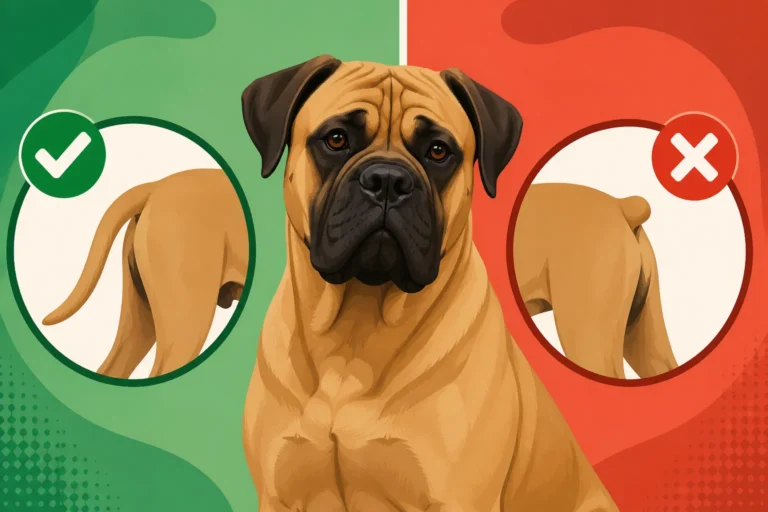
Bullmastiff tail docking history, breed standards, and the natural appearance of this mid-nineteenth-century working dog.
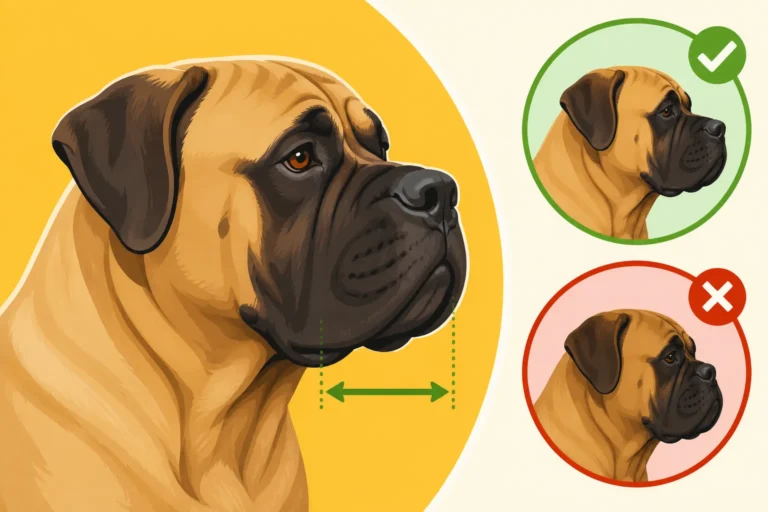
Bullmastiff muzzle length standards, specific skull proportions, and health considerations for proper breathing and daily care.