Whether a Brindle Bullmastiff Costs More
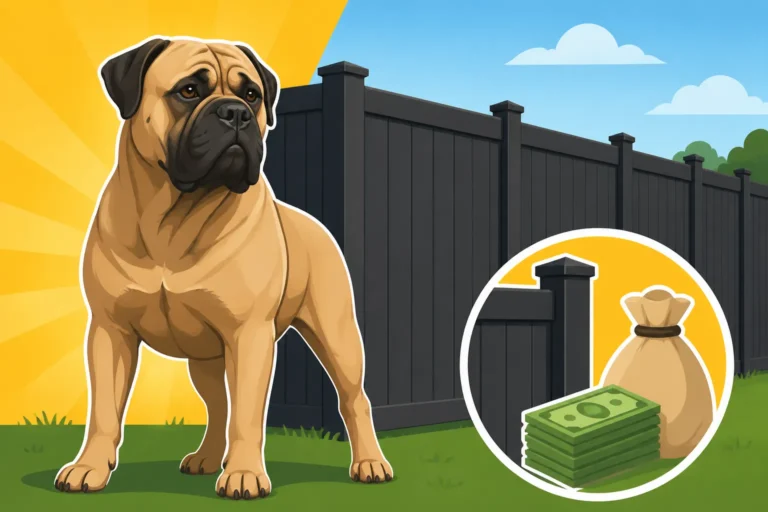
It’s a common question when you’re falling in love with the majestic Bullmastiff breed: "Does a brindle Bullmastiff cost more than a fawn or red one?" Many prospective owners wonder if a specific coat color drives up the price tag. The truth is, while certain colors might have fleeting popularity, a brindle coat generally doesn't inherently make a Bullmastiff puppy more expensive than its fawn or red siblings from a responsible breeder. This guide will help you understand what truly influences a Bullmastiff's price, so you can focus on finding a healthy, well-tempered companion.
What Actually Influences a Bullmastiff's Price Tag
When you're looking at bringing a Bullmastiff puppy into your home, it's easy to get caught up in the aesthetics, like a stunning brindle coat. However, the price you pay for a Bullmastiff is rarely dictated by its color. Instead, a myriad of far more significant factors come into play, reflecting the immense effort, knowledge, and investment a dedicated breeder pours into their program. Understanding these elements is crucial for any potential Bullmastiff owner.
Responsible Breeding Practices and Health Clearances
This is, without a doubt, the single most critical factor influencing a Bullmastiff's price. Reputable breeders don't just breed two dogs together and hope for the best; they meticulously plan each litter, often years in advance. This involves extensive health screening of both parent dogs to minimize the risk of passing on genetic conditions. Think about it: a Bullmastiff, while wonderful, is prone to several serious health issues. Responsible breeders are investing a significant amount of money and time to try and prevent these.
For instance, they will typically screen for hip and elbow dysplasia, often sending X-rays to organizations for official evaluations. They'll perform cardiac evaluations to check for subaortic stenosis, which can be a silent killer. Thyroid function is another common check, as hypothyroidism can impact a Bullmastiff's overall health and temperament. All these tests, specialist vet visits, and certifications add up. When you see a higher price tag from a breeder, it's usually because they've done their due diligence. They’ve invested in Which Health Tests a Bullmastiff Breeder Should Run and can show you verifiable results for both parents. This isn't just about a piece of paper; it’s about reducing the heartbreaking and expensive vet bills you might face down the line. A puppy from parents with clear health records is an investment in a potentially healthier future for your dog, and by extension, your wallet and your peace of mind.
Pedigree, Lineage, and Show Quality
Another significant determinant of a Bullmastiff's price is its pedigree and the achievements of its lineage. This doesn't mean you need a show dog; even if you just want a loving family companion, a strong pedigree often indicates a commitment to the breed standard, health, and temperament. Breeders who consistently produce dogs that excel in conformation shows (which assess how well a dog conforms to its breed standard) or in working disciplines like obedience or protection work, invest heavily in their breeding stock. They might import dogs from renowned lines, travel to compete, and spend on professional handling and conditioning.
These costs are naturally reflected in the price of their puppies. A puppy whose parents are titled champions might cost more than one whose parents are simply well-bred pets, even if both come from responsible programs. It's not about snobbery; it's about the verifiable quality and proven characteristics that breeders strive for. A "pet quality" puppy from champion lines might still be more expensive than one from unproven parents because the breeder has already invested in proving the quality and health of their breeding stock. This commitment often translates into puppies with more predictable temperaments and physical traits, making them a more reliable choice.
Geographic Location and Market Demand
Just like real estate, the cost of a Bullmastiff can fluctuate depending on where you live. In areas with a high cost of living or fewer reputable breeders, demand can outstrip supply, leading to higher prices. Conversely, in regions with more breeders, prices might be more competitive. Think about a major metropolitan area versus a rural town; the overhead for breeders, from veterinary care to facility costs, can be vastly different.
Additionally, temporary spikes or dips in breed popularity can affect prices. If a Bullmastiff appears in a popular movie or television show, interest might surge, and prices could temporarily rise due to increased demand. However, this is usually a short-term trend and doesn't fundamentally alter the core value determinants. It's also worth noting that while a breeder in California might charge a different amount than one in Kansas, these differences are more about the local economic landscape and less about a specific coat color. When you're budgeting for a Bullmastiff, consider the general price range for your region, but always prioritize the quality of the breeder over a bargain price that might signal cut corners. You're better off paying a fair price for a well-vetted puppy than trying to save money upfront and facing massive vet bills later on.
The Brindle Coat: More About Aesthetics Than Cost
The brindle pattern is undeniably striking on a Bullmastiff, with its tiger-stripe effect over a fawn or red base. It catches the eye and certainly evokes a sense of power and distinction. However, it's really important to understand that in the grand scheme of Bullmastiff breeding and pricing, the brindle coat color is primarily an aesthetic consideration rather than a cost-driving one. No reputable breeder will price a puppy higher or lower simply because it's brindle, red, or fawn. All three are accepted and cherished colors within the breed standard.
Historical Significance, Not Monetary Value
Historically, the brindle coat actually held a special, practical significance for the original gamekeepers who developed the Bullmastiff. These dogs were bred to catch poachers under the cover of darkness on large English estates. A dark brindle coat provided excellent camouflage in the dim light of night or against the dappled shadows of woodland. It allowed the dog to blend into its surroundings, making it harder for a poachers to spot until it was too late. This utilitarian purpose meant brindle was highly valued for its functionality, not because it was inherently more beautiful or rare. You can learn more about this by reading Why Early Bullmastiffs Were Bred Dark Brindle.
Today, of course, Bullmastiffs are primarily beloved family companions and guardians, not working anti-poaching dogs. The need for camouflage is long gone. While many people still adore the brindle pattern, its historical value doesn't translate into a higher price tag in modern breeding. A breeder's goal is to produce healthy, sound dogs that meet the breed standard, and all three standard colors are equally desirable in that regard. Any breeder who claims a brindle puppy is more expensive due to its "rarity" or "specialness" might be trying to capitalize on uninformed buyers, and that's a significant red flag.
Perceived Rarity vs. Actual Genetic Availability
Sometimes, a particular color might seem "rarer" simply because fewer puppies of that color are born in a specific litter, or perhaps in a certain region. For example, if a litter of ten puppies only has one brindle, that one puppy might feel unique. However, genetically speaking, brindle is a common and recognized color pattern in Bullmastiffs. It's not a genetic anomaly, nor is it particularly difficult to achieve through responsible breeding practices. Breeders don't typically manipulate breeding pairs to specifically produce more brindles; they focus on health, temperament, and conformity to the overall breed standard, and the coat colors are simply a result of the parents' genetics.
The Bullmastiff standard recognizes fawn, red, and brindle as the acceptable colors. None of these are considered superior or inferior to the others. So, if you encounter a breeder attempting to charge a premium for a brindle puppy, it's wise to ask pointed questions about why that color commands a higher price. If the explanation doesn't tie back to the dog's health clearances, pedigree, or the breeder's proven reputation, it should raise a serious concern. The focus should always be on the dog's inherent quality and the ethical practices behind its breeding, not superficial traits like coat color.
Focusing on What Truly Matters: Health, Temperament, and a Responsible Breeder
When you're welcoming a Bullmastiff into your life, the purchase price of the puppy is just the tip of the iceberg. What truly matters for the longevity and happiness of your dog, and indeed your family, are its health, temperament, and the integrity of the breeder you choose. Focusing too much on superficial aspects like coat color can distract from these critical considerations, potentially leading to heartache and significant expenses down the road.
Beyond Color: Prioritizing Health and Temperament
A gorgeous brindle coat won't comfort you when your Bullmastiff is facing expensive health issues or exhibiting challenging behavioral problems. The true value of your Bullmastiff will be in its robust health and its stable, loving temperament. Bullmastiffs, like all large breeds, are predisposed to certain health conditions that can be incredibly costly and emotionally draining to manage. We're talking about things like Hip Dysplasia in a Bullmastiff and Elbow Dysplasia in a Bullmastiff, which can lead to painful arthritis and require extensive medical intervention, potentially even surgery. Heart conditions like Subaortic Stenosis Is There Before a Bullmastiff's First Birthday can be life-threatening. Cancer, especially lymphoma and mast cell tumors, is tragically common in the breed, as evidenced by Lymphoma Kills More Bullmastiffs Than Anything Else.
A responsible breeder is actively working to reduce the incidence of these issues through rigorous health testing and careful selection of breeding stock. They will be transparent about the health history of their dogs and will provide evidence of health clearances. Similarly, temperament is paramount for a large, powerful dog like a Bullmastiff. You need a dog that is confident, calm, and predictable, especially if you have children or other pets. A good breeder will socialize their puppies thoroughly and be able to discuss the temperaments of both parents and how they've influenced the puppies. They know that A Bullmastiff Was Bred to Hold a Man, Not Bite Him, and they work to preserve that stable, protective nature. Prioritize a puppy from parents with proven good health and sound temperaments, over a particular coat color every single time. This is an investment in your peace of mind and your dog's quality of life.
Finding a Reputable Breeder Who Puts Dogs First
Finding the right breeder is like finding gold when you're looking for a Bullmastiff. It’s not about finding the cheapest puppy or the one with the "perfect" color. It’s about finding someone who is passionate about the breed, committed to its health and future, and transparent in their practices. A reputable breeder will:
- Ask you as many questions as you ask them: They want to ensure their puppies go to suitable homes.
- Provide health clearances: Not just claims, but actual documentation for hips, elbows, heart, thyroid, and eyes for both parent dogs.
- Allow you to meet the parents (at least the mother): This gives you insight into the temperament and living conditions.
- Offer a clear contract and health guarantee: This outlines their responsibilities and yours.
- Be a resource for the lifetime of your dog: They will want updates and be available for advice.
- Specialize in Bullmastiffs: They won't breed multiple different breeds.
- Not make color a premium factor: As discussed, color is secondary to health and temperament.
Don't be afraid to walk away if a breeder makes you feel uncomfortable, refuses to answer questions, or seems overly focused on money rather than the welfare of their dogs. You can ask Which Questions to Ask a Bullmastiff Breeder to help you identify the good ones. A red flag is any breeder who tries to convince you that a brindle Bullmastiff is inherently more valuable or rare to justify a higher price. True value comes from ethical breeding.
Understanding the Lifetime Costs of a Bullmastiff
Even if you find the perfect Bullmastiff puppy at a fair price, remember that the initial cost is only a small fraction of what you'll spend over its lifetime. Bullmastiffs are large dogs, and everything for them costs "large breed money." Food, for example, is a significant ongoing expense. A growing Bullmastiff puppy, and later a large adult, will eat a substantial amount of high-quality kibble or fresh food. Services like Chewy or Ollie can help manage these costs by delivering food right to your door, but the volume a Bullmastiff consumes will always be higher than a smaller dog.
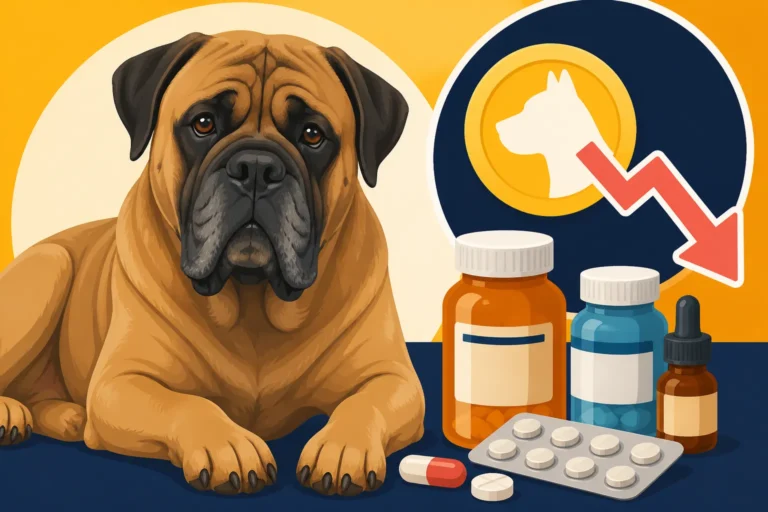
Consider veterinary care. Beyond routine check-ups and vaccinations, a Bullmastiff might face emergency situations like Bloat in a Bullmastiff, which can be surgically corrected but is incredibly expensive. Medications, joint supplements, and potentially even specialized diets will add up over the years. This is why many experienced Bullmastiff owners highly recommend pet insurance from a provider like Healthy Paws, starting when the puppy is young. Insurance can help cushion the blow of unexpected medical emergencies or chronic conditions. Thinking about Eight and a Half Years of a Bullmastiff, Priced Out makes it clear that the purchase price is a drop in the bucket. Focus on securing a healthy puppy from a responsible breeder, and then prepare for the joyful, but substantial, financial commitment of caring for your gentle giant for many years to come.
Here's a quick comparison of what truly impacts a Bullmastiff's price versus common misconceptions:
| Factor | Impact on Price (Generally) | Why It Matters |
|---|---|---|
| Responsible Health Screening | High | Reduces risk of expensive and painful hereditary diseases. |
| Proven Pedigree/Lineage | High | Indicates adherence to breed standard, predictable temperament, and quality. |
| Breeder Reputation/Experience | High | Reflects dedication, knowledge, and ongoing support. |
| Geographic Demand | Moderate | Varies by region, cost of living, and local popularity. |
| Bullmastiff Coat Color | Minimal to None | All standard colors (fawn, red, brindle) are equally accepted and desired. |
| "Rare" Color Claims | Warning Sign | Often a tactic to inflate price without adding real value; avoid. |
| "Designer" or Mixed Breeds | Can be High (but ill-advised) | Often lack health testing, predictable traits, and responsible breeding ethics. |
Disclaimer
This article is for general informational purposes only and does not constitute professional advice. Laws, prices and regulations vary by location and change over time. Consult a qualified professional for guidance on your specific situation.