How Much Water a Bullmastiff Drinks a Day
It's a common worry for Bullmastiff owners, isn't it? One day your gentle giant seems to be emptying the water bowl every hour, and the next, they barely touch it. This fluctuation can leave you scratching your head, wondering if your beloved Bullmastiff is getting enough hydration, too much, or if there's an underlying issue. This guide will walk you through the typical water intake for a Bullmastiff, what factors can change it, and crucially, when you should truly be concerned and seek veterinary advice.
Understanding Your Bullmastiff's Thirst: The Basics of Water Intake
When it comes to water, Bullmastiffs, like all dogs, have a basic physiological need for it. But because of their sheer size, activity levels, and certain breed-specific predispositions, their daily intake can be significantly more than a smaller dog, and can also vary quite a bit day-to-day. It’s not just about filling the bowl; it’s about understanding the subtle cues and environmental factors that drive their thirst.
The General Rule of Thumb for Water
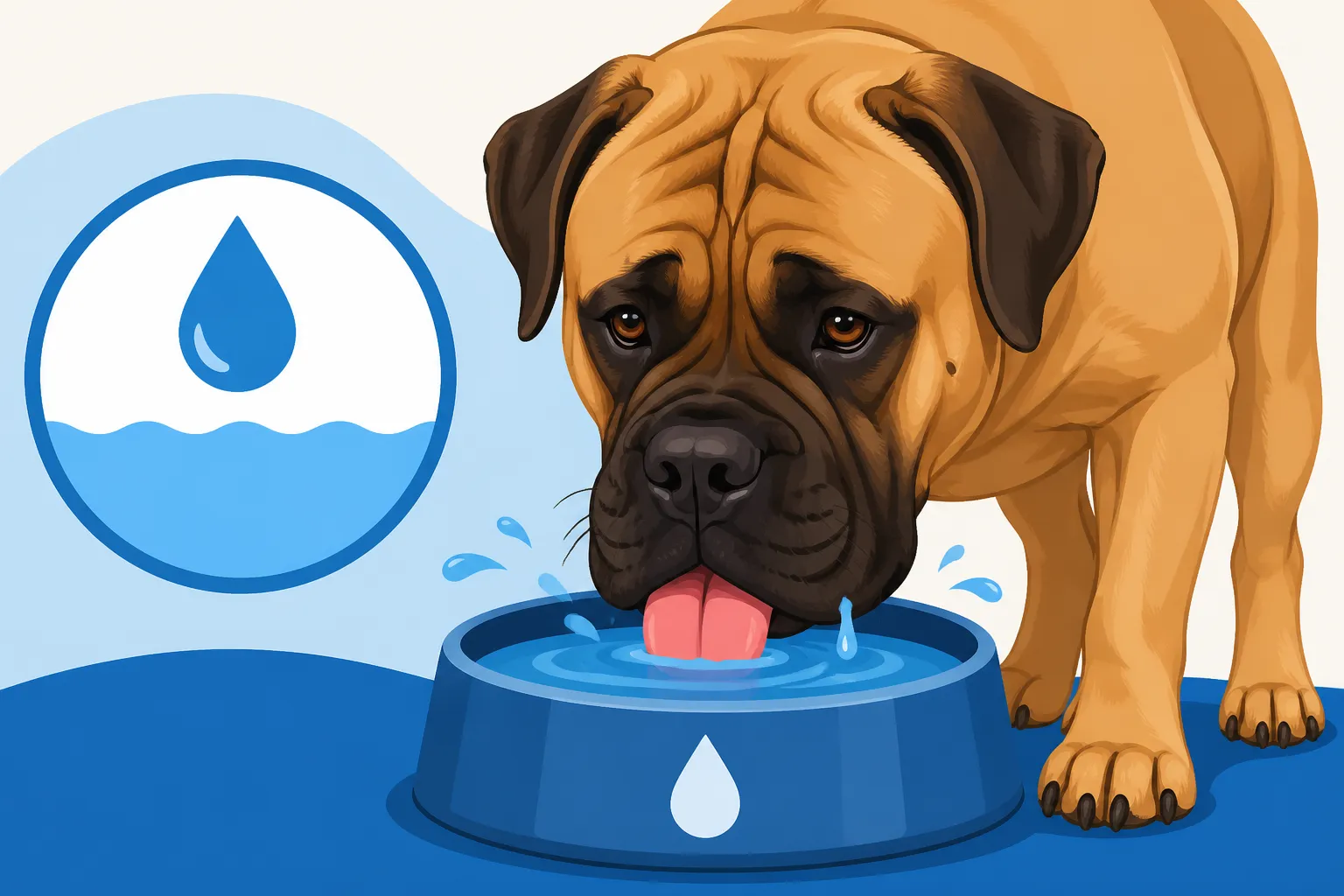
For most dogs, the general guideline is that they should drink roughly one ounce of water per pound of body weight per day. So, for a Bullmastiff that easily weighs in at 100-130 pounds, you're looking at needing to consume anywhere from 100 to 130 ounces of water daily. That's a lot of water! To put it in perspective, 128 ounces is a gallon. So, your Bullmastiff might be drinking close to a gallon of water, or even more, every single day.
Now, this is a guideline, not a strict rule. Some days they might drink less, and some days, a lot more. It’s important not to get hung up on exact measurements down to the ounce, but rather to observe their overall habits and ensure they always have access to fresh water. Thinking of it in terms of "roughly a gallon a day" helps you mentally prepare for the commitment to keeping their water bowl topped up.
Factors That Influence How Much They Drink
Many things can influence how much water your Bullmastiff drinks. It's rarely a static amount, and understanding these variables can help you better manage their hydration and know when variations are normal.
For instance, consider the weather. On a scorching summer day, when the humidity hangs heavy in the air, your Bullmastiff will naturally drink far more than on a cool, crisp autumn morning. These big dogs are particularly susceptible to overheating due to their brachycephalic (short-nosed) structure and dense bodies. You can learn more about this in Why a Bullmastiff Overheats So Easily. They pant more to cool down, and panting rapidly depletes their body of moisture, necessitating increased water intake.
Their activity level plays a huge role too. Did you just come back from a longer-than-usual walk? Did they have an enthusiastic play session with another dog in the yard? Were they running around chasing squirrels (or at least attempting to, in their deliberate Bullmastiff way)? More activity equals more energy expended, more panting, and therefore, a greater need for water.
Diet is another significant factor. If your Bullmastiff primarily eats dry kibble, they'll need to drink more water to help process that food. Kibble contains very little moisture on its own. However, if you feed a diet rich in wet food, fresh food, or even a raw diet, their water intake from the bowl might seem to decrease because they're getting a good portion of their hydration directly from their food. Brands like Ollie, which provide fresh, human-grade food, can contribute significantly to a dog's daily moisture intake. Think of it like us eating a juicy watermelon versus a dry cracker – the water content makes a difference! Also, certain medications can increase thirst, so always discuss this with your vet if your dog is on a new prescription.
Recognizing Thirst and Hydration Needs
Knowing the average intake is one thing, but being able to spot the signs of inadequate hydration or, conversely, excessive thirst, is truly invaluable for any Bullmastiff owner. These signs aren't always glaringly obvious, especially in a dog known for its stoic nature.
Signs Your Bullmastiff Might Be Dehydrated
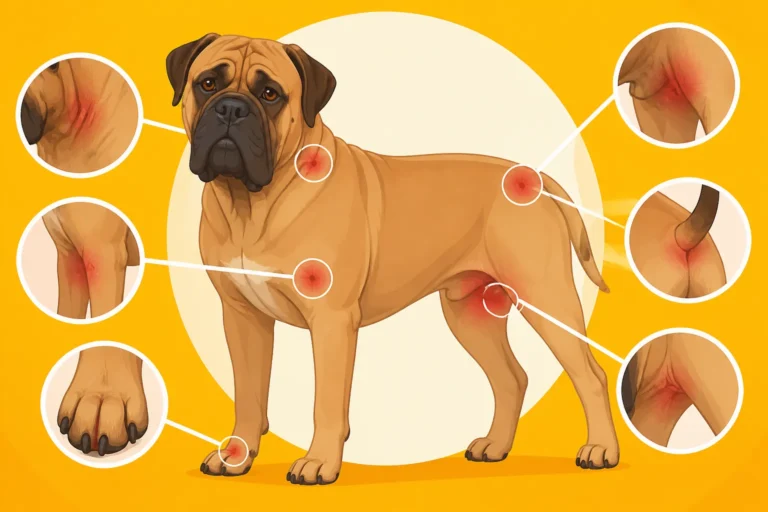
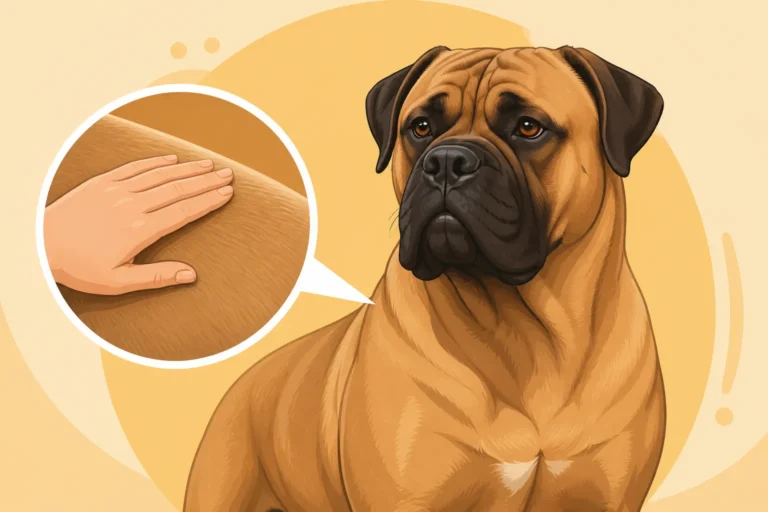
Dehydration in a Bullmastiff is a serious concern. Given their size and propensity to overheat, it can progress quickly, especially in warmer temperatures. One of the most common signs, beyond simply an empty water bowl, is lethargy. Your normally calm, but still attentive, Bullmastiff might seem unusually tired, less interested in walks, or slow to respond. Their gums might appear dry and sticky instead of moist and pink. You can also gently pinch the skin on their neck or shoulder blades. In a well-hydrated dog, the skin should snap back into place almost immediately. If it's slow to return, forming a "tent," it's a strong indicator of dehydration. This is known as poor skin turgor.
Another sign can be sunken eyes. While Bullmastiffs have naturally deep-set eyes, a truly dehydrated dog's eyes might appear even more recessed and dull. They might also have a dry nose, though this isn't always the most reliable indicator as many healthy dogs can have dry noses at times. Dark, concentrated urine can also be a clue that they aren't getting enough fluids. If you notice several of these signs together, particularly if it's hot outside or they've been active, it's time to act quickly and potentially seek veterinary attention. These signs can be similar to those of heatstroke, which you can read about in Signs a Bullmastiff Has Heatstroke.
How to Encourage Your Bullmastiff to Drink More
Sometimes, our Bullmastiffs just aren't as enthusiastic about drinking as we'd like, or perhaps they're just not noticing the water bowl. There are several tricks you can employ to encourage them to take in more fluids, especially during critical times like hot weather.
First and foremost, always provide fresh, clean water. Stale or dirty water is unappealing to dogs, just as it is to us. Consider adding ice cubes to their water bowl – not only does it keep the water cooler and more refreshing, but some dogs find playing with the ice cubes a fun way to get a drink. If your Bullmastiff isn't drinking enough, you might want to look at How to Cool a Bullmastiff Down for other tips.
Another effective method is to add a splash of low-sodium chicken or beef broth to their water. This can make the water much more enticing. Just a little bit can make a big difference in flavor. Some owners even add a bit of water to their dog's dry kibble to soften it and increase moisture intake. For dogs on a fresh food diet, like those from Ollie, the higher moisture content already helps, but you can still add a bit of extra water to their meals. Placing multiple water bowls around the house, in their favorite resting spots, can also remind them to drink more often. For owners who travel or spend a lot of time outdoors, portable water bottles with attached drinking cups, widely available on platforms like Amazon or Chewy, are fantastic for on-the-go hydration.
When to Worry: Abnormal Drinking Habits
While some fluctuation in water intake is normal, significant, sudden, or persistent changes in your Bullmastiff's drinking habits warrant closer attention. These changes can sometimes be the earliest indicators of an underlying health issue.
Excessive Thirst (Polydipsia) and What It Means
If your Bullmastiff suddenly starts drinking voraciously, emptying multiple bowls a day, and seems to be urinating much more frequently (and in larger volumes), this is a red flag known as polydipsia. It’s not just "oh, they're really thirsty today," but a sustained, noticeable increase over several days or weeks.
This excessive thirst can be a symptom of various medical conditions, some of which are quite serious. Kidney disease is a common culprit, as the kidneys struggle to conserve water, leading the dog to drink more to compensate for the fluid loss. You can find more information on this topic in Kidney Disease in a Bullmastiff. Diabetes mellitus is another major cause; in diabetic dogs, high blood sugar levels spill into the urine, pulling excessive water with it. Other conditions like Cushing's disease, liver disease, certain infections (especially uterine infections in unspayed females), and even some medications (like steroids) can all cause increased thirst. Because Bullmastiffs are prone to certain health issues, it's vital to get this checked out promptly. If you notice your Bullmastiff suddenly acting like a bottomless pit for water, a trip to the vet for bloodwork and a urinalysis is absolutely necessary. You might want to consider Whether a Bullmastiff Needs Bloodwork Yearly to stay on top of potential issues.
Not Drinking Enough: A Cause for Concern
Just as too much drinking can be problematic, too little drinking is also a serious concern. If your Bullmastiff suddenly loses interest in water, or only takes a few sips throughout the day, this can quickly lead to dehydration, especially given their size.
A decreased appetite often goes hand-in-hand with reduced water intake. If your Bullmastiff isn't feeling well, they might not be eating or drinking. Pain, nausea, fever, or general malaise can all lead to a dog refusing water. Sometimes, it can be as simple as an uncomfortable dental issue, making drinking painful, which is why regular dental care is important. Oral pain, though, is usually accompanied by other signs of discomfort, like reluctance to chew or drooling.
If your Bullmastiff suddenly stops drinking, particularly if it's accompanied by other symptoms like vomiting, diarrhea, extreme lethargy, or refusal to eat, you need to contact your veterinarian immediately. Dehydration can worsen rapidly in large breeds, potentially leading to organ damage or other severe complications. Don't wait to see if it improves; prompt veterinary care is crucial in these situations.
Practical Tips for Managing Your Bullmastiff's Water
Managing a Bullmastiff's water intake isn't rocket science, but it does require thought and consistency. Given their potential health challenges and their size, providing easy access to clean water is one of the simplest yet most impactful aspects of their daily care.
Choosing the Right Water Bowls and Placement
The type and placement of your Bullmastiff's water bowls can make a big difference in how much they drink. First, size matters. These are large dogs, and a small, shallow bowl simply won't cut it. You need large capacity bowls that won't run dry after a few enthusiastic gulps. Stainless steel bowls are often recommended because they are durable, easy to clean, and resistant to bacteria growth. Ceramic bowls are also good, but can break. Plastic bowls, while cheap, can harbor bacteria and some dogs develop sensitivities to them. You can find excellent quality large bowls from retailers like Chewy or Amazon.
Consider elevated bowls. While there's ongoing debate about whether raised feeders reduce the risk of bloat (a serious concern in deep-chested breeds like Bullmastiffs, discussed in Meal Timing and Bloat in a Bullmastiff), many owners find them more comfortable for their large dogs, as it prevents them from having to bend down too far. Regardless of height, place bowls in multiple, easily accessible locations around your home – where they eat, where they sleep, and perhaps near a frequently used door if they spend time outside.
Ensuring Freshness and Purity
This might seem obvious, but fresh water truly is key. You wouldn't want to drink stagnant, dirty water, and neither does your Bullmastiff. Aim to change their water at least twice a day, and more frequently in hot weather or if it becomes dirty. A good habit is to change it with each meal.
Beyond just changing the water, the bowls themselves need regular cleaning. Residue, slime, and bacteria can build up, even in stainless steel. Washing the bowls daily with hot, soapy water (or running them through the dishwasher) prevents this buildup and keeps the water tasting clean and appealing. Consider using filtered water if your tap water has a strong chemical taste or odor. Some Bullmastiffs can be quite particular, and better-tasting water might encourage more drinking. In an aging Bullmastiff, consistent hydration is particularly important for organ health, so make sure to prioritize this aspect of care as detailed in Caring for an Aging Bullmastiff.
Staying on top of your Bullmastiff's water intake is a fundamental part of responsible ownership. By understanding their needs, recognizing subtle signs of trouble, and implementing practical management strategies, you can help ensure your gentle giant stays happy, healthy, and well-hydrated throughout their life.
| Factor | Impact on Water Intake | Common Signs of Imbalance |
|---|---|---|
| Body Weight | More weight = more water | Sudden weight change |
| Activity Level | High activity = more water | Lethargy, sluggishness |
| Environmental Temp. | Hot weather = more water | Excessive panting, seeking cool spots |
| Diet (Dry vs. Wet) | Dry food = more water | Dry gums, concentrated urine |
| Health Conditions | Can increase or decrease | Excessive thirst/urination, weakness |
| Medications | Some can increase thirst | Noticeable change after starting meds |
Disclaimer
This article is for general informational purposes only and does not constitute professional advice. Laws, prices and regulations vary by location and change over time. Consult a qualified professional for guidance on your specific situation.