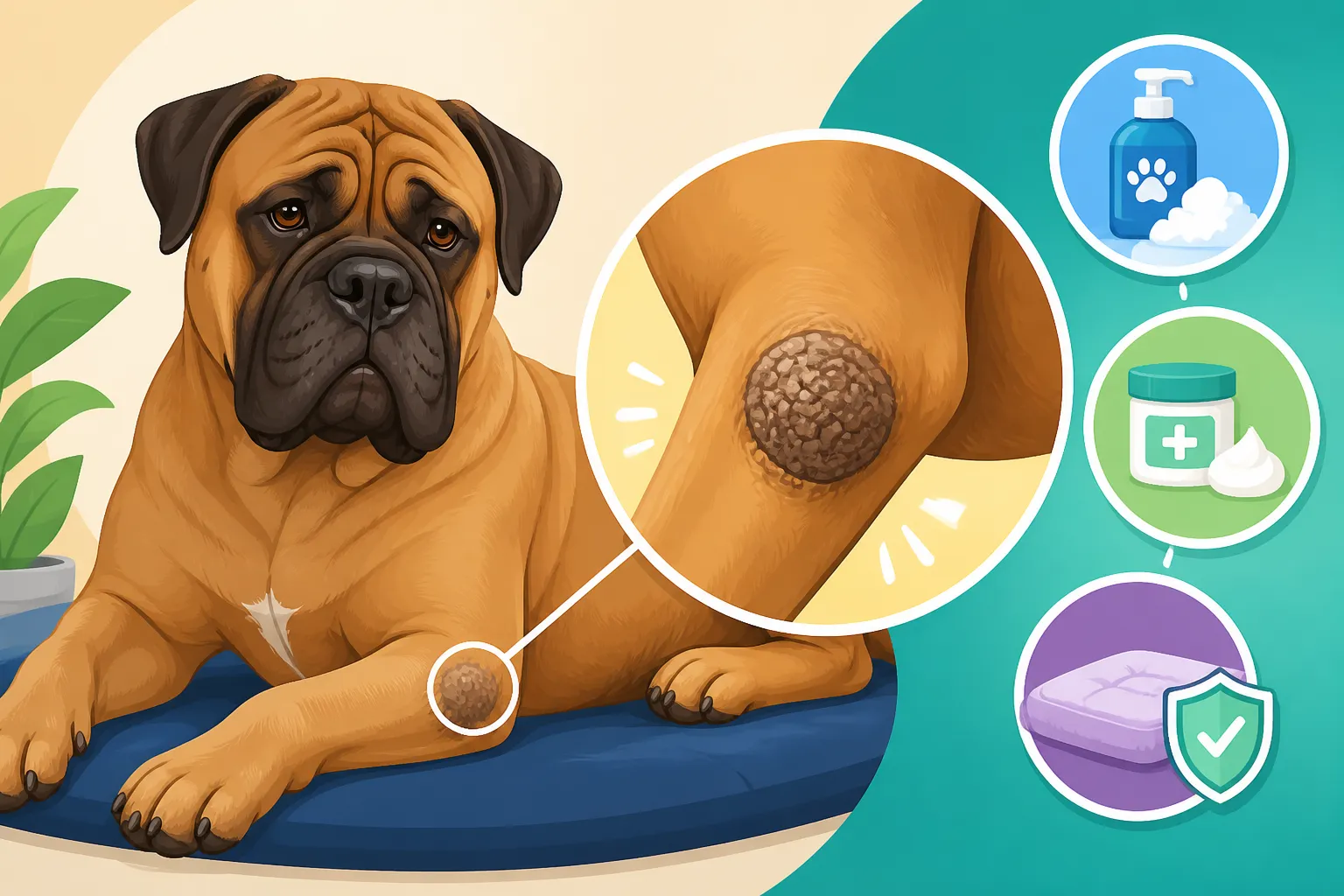
How to Treat a Bullmastiff’s Elbow Callus
It’s a sight familiar to many Bullmastiff parents: that thick, rough, often hairless patch on your gentle giant’s elbows. You probably notice it most when they stretch out luxuriously on the cool tile floor or curl up on a thin mat, and you might wonder if it bothers them. While these "elbow calluses," or pressure sores, might seem like a cosmetic issue at first glance, they can become quite serious if neglected, leading to discomfort, cracking, and even infection. This guide will walk you through everything you need to know about understanding, preventing, and effectively treating these common Bullmastiff woes, ensuring your big dog stays as comfortable and healthy as possible.
Understanding Bullmastiff Elbow Calluses: More Than Just a Rough Patch
When we talk about elbow calluses on a Bullmastiff, we're really talking about a specific type of pressure sore. Imagine repeatedly pressing down on the same spot with immense weight – that’s what happens to your Bullmastiff’s elbows every time they lie down on a hard surface. Over time, the body tries to protect that area by thickening the skin, leading to the characteristic callus formation. It’s a natural, albeit often problematic, response to constant friction and pressure.
The Anatomy of a Callus: What Causes Them
Bullmastiffs are big, heavy dogs. Their sheer mass, often well over 100 pounds, means their bony prominences, like the elbows, hocks, and even hips, bear a significant amount of weight when they rest. When your Bullmastiff flops down on a hard surface – be it hardwood, tile, concrete, or even thin carpet over a hard subfloor – the pressure on those points is intense. This consistent pressure restricts blood flow to the skin, and the friction from moving on those surfaces irritates it. In response, the skin thickens, hardens, and loses its hair. It's a protective mechanism, much like how a manual laborer's hands develop calluses, but on a dog, especially a giant breed, it often goes beyond being merely protective and can become a source of irritation or pain.
The problem isn’t just about the hardness of the floor; it’s about the lack of cushioning. A truly supportive surface allows the dog's weight to be distributed evenly, preventing those high-pressure points. Without it, the skin’s natural elasticity is compromised, and the thickened skin becomes less pliable and more susceptible to cracking. This is particularly true for heavy breeds, and it's why understanding Where a Bullmastiff Gets Pressure Calluses is so crucial for proactive care.
What They Look Like and Why They Matter
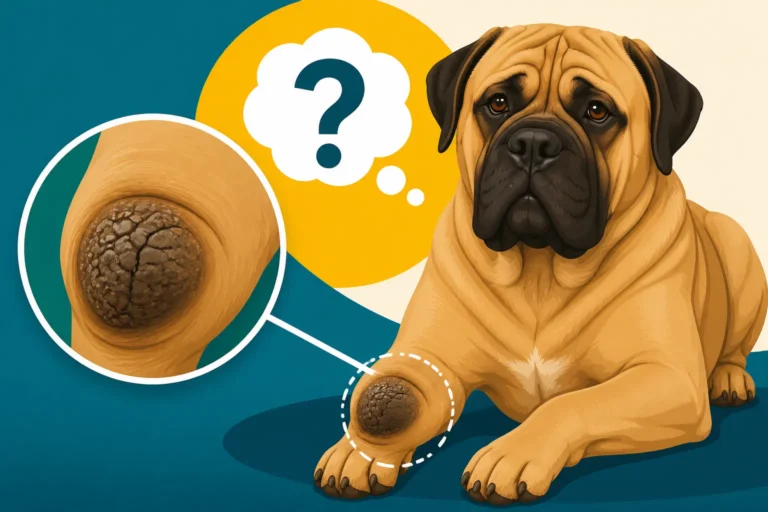
A typical elbow callus on a Bullmastiff will appear as a thickened, firm, hairless patch of skin, usually greyish or darker than the surrounding skin. The texture can range from smooth but tough to quite rough, dry, and even cracked. In some cases, the skin can become quite scaly. You might notice them rubbing or licking the area, especially if it's becoming irritated. The concern isn't just cosmetic; these calluses can become deeply problematic.
First, the thickened skin is less elastic, making it prone to cracking, especially if it's very dry. These cracks can be incredibly painful, like having a deep paper cut that never heals. Second, these cracks create open pathways for bacteria to enter, leading to secondary skin infections. An infected callus can become swollen, red, warm to the touch, and might ooze pus or blood. The pain from an infection can cause lameness or reluctance to lie down, significantly impacting your Bullmastiff's quality of life. Without intervention, repeated trauma and infection can lead to persistent inflammation and even deeper tissue damage, sometimes requiring extensive veterinary care.
Why Bullmastiffs Are So Prone to Elbow Calluses
It’s not just their size; it’s a combination of factors unique to the breed. Bullmastiffs are known for their heavy bones and substantial body weight. They love to sprawl out, often preferring cool, hard surfaces during warmer months or just because it's comfortable to them. Their calm, sometimes lazy demeanor means they spend a good portion of their day resting, which increases the cumulative pressure on their joints. Think about how many hours a day your Bullmastiff spends lying down – each of those hours contributes to the pressure.
Additionally, some Bullmastiffs have less natural padding or looser skin around their elbows compared to other breeds, which can exacerbate the issue. Their short, dense coats also offer less natural insulation and protection than a longer, thicker coat might. All these elements combined make Bullmastiff elbow calluses almost an inevitability for some individuals, especially if owners aren't proactive about prevention from an early age. It's an important aspect of Caring for an Aging Bullmastiff, as older dogs may spend even more time resting.
Prevention is Key: Protecting Your Bullmastiff's Elbows From the Start
The old adage "an ounce of prevention is worth a pound of cure" couldn't be more true when it comes to Bullmastiff elbow calluses. While you can't entirely prevent every single callus, especially in a breed so prone to them, you can significantly reduce their severity and the risk of complications by taking proactive steps. It's all about minimizing pressure and friction.
The Right Bedding Makes All the Difference
This is, hands down, the most critical piece of the prevention puzzle. Your Bullmastiff needs a comfortable, supportive place to rest that properly cushions their heavy frame. Thin, cheap beds that flatten out after a few weeks simply won't cut it. You need something substantial.
Look for orthopedic beds made with high-density memory foam or thick, supportive foam. The key is that the bed should not flatten under your dog’s weight, allowing their joints to sink into the cushioning rather than pressing against a hard surface. When your Bullmastiff lies on it, their body should remain elevated and supported, with no part of them touching the floor beneath the bed. Many excellent options are available from trusted retailers like Chewy or Amazon, ranging in price and durability. Some brands specialize in giant breed beds designed to withstand years of heavy use. Investing in What an Orthopedic Bed for a Bullmastiff Costs might seem like a splurge upfront, but it pays dividends in long-term health and comfort for your dog. Remember, if your Bullmastiff refuses to use a specific bed, it might be too warm for them, or they simply don't find it comfortable. Keep experimenting to find one they love.
Consider the placement of these beds as well. If your Bullmastiff always seeks out the coolest spot in the house, make sure that cool spot also has a thick, comfortable bed. Having multiple orthopedic beds strategically placed around your home – where they typically nap – can ensure they always have a soft option. Otherwise, they will inevitably gravitate to the cold tile or hardwood, regardless of how plush the bed in the living room is.
Managing Surfaces and Habits
While ideal bedding is paramount, sometimes our Bullmastiffs will still find a way to flop on the hard floor. This is where managing their environment and habits comes in.
- Rugs and Runners: If you have extensive hard flooring, consider laying down area rugs or runners in areas where your Bullmastiff spends a lot of time. This creates softer pathways and resting spots. Even a thick bath mat placed in their favorite cool corner can make a difference.
- Discourage Hard Floor Napping: Gently redirect your Bullmastiff to their orthopedic bed when you see them settling on a hard surface. Use positive reinforcement to reward them for choosing their bed. Consistency is key here. Over time, they will associate the bed with comfort and praise. It's about building good habits from puppyhood, even if a Bullmastiff puppy seems invincible, knowing that When a Bullmastiff's Growth Plates Close and the full weight comes on, the wear and tear begins.
- "No Beds" Rule: Some owners struggle because their Bullmastiffs destroy beds. In these cases, focus on durable, chew-resistant options, or consider heavy-duty kennel mats if they prefer a crate. Even a thick blanket or duvet folded several times can provide more cushioning than nothing at all. The goal is some form of soft, resilient barrier between bone and floor.
Maintaining a Healthy Weight
Weight management is a silent hero in callus prevention and overall joint health. A heavier Bullmastiff puts more pressure on all their joints, including their elbows, when lying down. Even an extra five or ten pounds can significantly increase the load on those bony prominences. Keeping your Bullmastiff at a lean, healthy weight reduces the overall stress on their body and minimizes the impact on their elbows.
Regular exercise, appropriate portion control, and a high-quality diet are essential. If you're unsure about your Bullmastiff's ideal weight, consult your veterinarian. They can help you determine a healthy target weight and recommend a feeding plan. You can also refer to guides like Keeping a Bullmastiff Lean Is the Best Thing You Can Do for more detailed advice on nutrition and exercise. Remember, a fit Bullmastiff is not only more comfortable but generally healthier throughout their lifespan. A healthy weight might also influence whether a Bullmastiff needs joint supplements early on, another way to support their skeletal system.
At-Home Care for Existing Calluses: Soothing and Softening
If your Bullmastiff already has elbow calluses, don't despair! There are many things you can do at home to soften them, prevent cracking, and reduce the risk of infection. The key is consistency and gentle care.
Moisturizing and Softening Treatments
The most direct way to manage existing calluses is through regular moisturizing. The goal is to restore elasticity to the skin, making it less prone to cracking and more comfortable for your dog.
- Veterinary-Approved Balms and Creams: Many pet-specific balms are formulated with ingredients like shea butter, coconut oil, beeswax, vitamin E, and lanolin. These are designed to penetrate thickened skin and provide deep hydration. Look for products that are non-toxic and safe for dogs, as your Bullmastiff will inevitably lick the area. Some owners have great success with paw balms, which are often similar in composition to elbow balms. You'll find a wide selection of these moisturizing solutions on platforms like Amazon or Chewy.
- Natural Oils: Simple, natural oils can also be effective. Coconut oil is a popular choice due to its moisturizing and mild antibacterial properties. Shea butter, olive oil, or even plain Vaseline can also be used. The trick is to apply them liberally and frequently.
- Application Technique: Before applying any balm or oil, gently clean the area. Use a soft, damp cloth to remove any dirt or debris. Then, massage the product deeply into the callus. This not only helps absorption but also stimulates blood flow. Try to do this when your Bullmastiff is relaxed, perhaps after a meal or before bed, to allow the product time to absorb before they can lick it all off. Distracting them with a treat or a chew toy for a few minutes after application can also help. Aim for at least once or twice daily application, especially if the callus is very dry or starting to crack.
Protective Sleeves and Bandages
For calluses that are particularly stubborn, prone to re-injury, or have minor cracks, protective sleeves or bandages can offer an additional layer of defense.
- Elbow Sleeves: These are specially designed sleeves that fit over your dog’s elbow, providing cushioning and protection. They are usually made of soft, breathable material with some padding. They can be particularly useful for Bullmastiffs who are very active, even with calluses, or those who tend to reopen minor wounds on their elbows. Ensure the sleeve fits snugly enough to stay on but isn't so tight that it restricts circulation. You want comfort, not constriction.
- Veterinary Bandaging: For more severe calluses, especially those with open sores or infections, your vet might recommend a specific type of bandage. These are usually applied with sterile materials and specific wraps to protect the wound, absorb exudate, and administer topical medication. This isn't a DIY job; improper bandaging can do more harm than good, causing pressure points or cutting off circulation. Always consult your vet for guidance on bandaging.
Regular Inspection and Cleaning
Even with preventative measures and moisturizing, regular inspection of your Bullmastiff’s elbows is crucial. This allows you to catch any signs of trouble early, before a minor issue escalates into a major problem.
- Daily Visual Checks: Make it a habit to quickly check their elbows (and other pressure points) once a day, perhaps during a cuddle session or when they’re resting. Look for any new redness, swelling, warmth, discharge, or signs of cracking.
- Gentle Cleaning: If you notice any dirt, debris, or a slight build-up of dry skin, gently clean the area with a mild, dog-safe antiseptic solution (like diluted chlorhexidine, as recommended by your vet) or simply warm water and a soft cloth. Pat the area completely dry afterward. Moisture trapped in skin folds or around calluses can encourage bacterial growth.
- Monitoring Behavior: Pay attention to how your Bullmastiff acts. Are they licking the area more than usual? Are they reluctant to lie down in certain positions? Do they flinch when you touch their elbows? Bullmastiffs are notoriously stoic and can hide pain quite well, so subtle behavioral changes can be the first indicator that something is wrong. Understanding How a Bullmastiff Hides Pain can help you recognize these cues.
When to Call the Vet: Professional Intervention for Troublesome Calluses
While many elbow calluses can be managed effectively at home, there are situations where veterinary intervention becomes essential. Ignoring these warning signs can lead to severe pain, deep infections, and more complicated, costly treatments down the line.
Signs of Infection or Worsening Conditions
Knowing when to transition from home care to professional help is vital. Be on the lookout for these red flags:
- Redness and Swelling: The area around the callus becomes visibly red, inflamed, or swollen. This indicates an inflammatory response, likely due to infection.
- Pus or Discharge: Any oozing, pus, or foul-smelling discharge from the callus or cracks within it is a clear sign of infection. This needs immediate veterinary attention.
- Heat: The callus or surrounding skin feels noticeably warmer to the touch compared to other parts of your dog's body.
- Pain and Lameness: Your Bullmastiff shows signs of pain when you touch the callus, flinches, or even becomes defensive. They might start limping, be reluctant to lie down, or struggle to get up. Any change in mobility or willingness to rest comfortably signals a problem.
- Deep Cracks or Ulcers: If the callus develops deep, persistent cracks that don't heal, or if an open sore (ulcer) forms, the protective barrier of the skin is compromised, making infection almost inevitable.
- Systemic Signs: In severe infections, your Bullmastiff might exhibit more generalized signs of illness, such as lethargy, loss of appetite, or fever. While uncommon for simple calluses, a deep infection can certainly impact their overall health.
Remember, Bullmastiffs are known for their resilience and ability to mask discomfort. If you suspect your dog is in pain, even subtly, it's always best to err on the side of caution and consult your vet. Early detection and treatment can prevent a lot of suffering.
Advanced Treatments and Surgical Options
Once you're at the vet, they will thoroughly examine the callus, potentially clean and debride any dead tissue, and may take samples for bacterial culture if infection is suspected. Based on their findings, they might recommend:
- Antibiotics: If a bacterial infection is present, your vet will prescribe a course of antibiotics, either oral or topical, or both. It's crucial to complete the entire course of antibiotics, even if the callus appears to be improving, to prevent recurrence and antibiotic resistance.
- Anti-inflammatory Medications: For painful or swollen calluses, anti-inflammatory drugs might be prescribed to reduce discomfort and promote healing.
- Medicated Shampoos or Wipes: For ongoing skin health, especially if there are other skin issues, your vet might recommend specific medicated shampoos or antiseptic wipes to keep the area clean and reduce bacterial load.
- Debridement: In cases where there's a significant amount of dead or unhealthy tissue within the callus, your vet might perform debridement, which involves carefully removing the damaged tissue to promote healthier healing. This is usually done under sedation or local anesthetic.
- Surgical Intervention: For very large, persistent, deeply infected, or severely ulcerated calluses that don't respond to conservative treatment, surgical removal might be considered. This involves excising the damaged tissue and then closing the wound. In some complex cases, a reconstructive flap of healthy skin might be used to cover the area. Surgery is typically a last resort, as the recovery can be challenging, and there's always a risk of the callus reforming if the underlying issue (lack of proper cushioning) isn't addressed. Your vet will discuss the risks and benefits thoroughly.
Preventing calluses is undoubtedly the best approach, but if your Bullmastiff develops them, consistent home care combined with timely veterinary attention when needed will ensure their comfort and well-being. Regular wellness exams, as described in How Often a Bullmastiff Needs a Wellness Exam, also allow your vet to check for and address these issues before they become major problems.
Comparing Bedding Options for Callus Prevention
Choosing the right bed for your Bullmastiff is fundamental to preventing elbow calluses. Here’s a quick comparison of popular bedding materials and their effectiveness:
| Bedding Type | Pros | Cons | Effectiveness for Calluses |
|---|---|---|---|
| Memory Foam Orthopedic Bed | Excellent pressure distribution, contours to body, highly supportive. | Higher cost, can retain heat (some models address this). | High |
| Thick Egg Crate Foam Bed | Good cushioning, more affordable than memory foam, breathable. | Can flatten over time with heavy dogs, may not contour as well. | Medium to High |
| Polyester Fiberfill Bed | Soft, relatively inexpensive, widely available. | Flattens quickly, offers minimal long-term support for heavy breeds. | Low |
| Raised Cot/Elevated Bed | Promotes air circulation, very durable, easy to clean. | No direct cushioning on the bed surface, may still allow elbows to press on hard parts if not well-padded. | Medium |
| Thick Blanket/Duvet | Readily available, can be layered for thickness, washable. | Can bunch up, offers inconsistent support, may still be too thin. | Low to Medium |
| Self-Warming Bed | Provides warmth, can be soft. | Often too thin for large breeds, focus is on warmth, not orthopedic support. | Low |
When considering options for your gentle giant, remember that Whether a Bullmastiff Sleeps on a Hard Floor is a direct contributor to these issues. Prioritizing truly supportive bedding is one of the kindest things you can do for their long-term joint and skin health.
Disclaimer
This article is for general informational purposes only and does not constitute professional advice. Laws, prices and regulations vary by location and change over time. Consult a qualified professional for guidance on your specific situation.