Whether Rugs Help a Bullmastiff on Hardwood
If you've ever watched your magnificent Bullmastiff attempt to navigate a gleaming hardwood floor, you know the struggle is real. Those big, powerful paws, built for gripping rough ground, often find themselves splaying out like Bambi on ice, causing moments of panic, awkward tumbles, and a general air of reluctance. This guide is here to help you turn those slippery surfaces into secure pathways, exploring how something as simple as strategically placed rugs can make a monumental difference for your Bullmastiff's comfort, confidence, and long-term joint health.
The Daily Struggle: Why Hardwood Floors Are a Hazard for Your Bullmastiff
Let's be honest, Bullmastiffs are not built for ice skating. Their sheer size and weight, combined with the natural slickness of hardwood, create a challenging environment that can lead to more than just comical slips. This isn't just about convenience; it's about preventing injury and ensuring your dog lives a comfortable life, especially as they age.
The Physics of a Big Dog on Smooth Surfaces
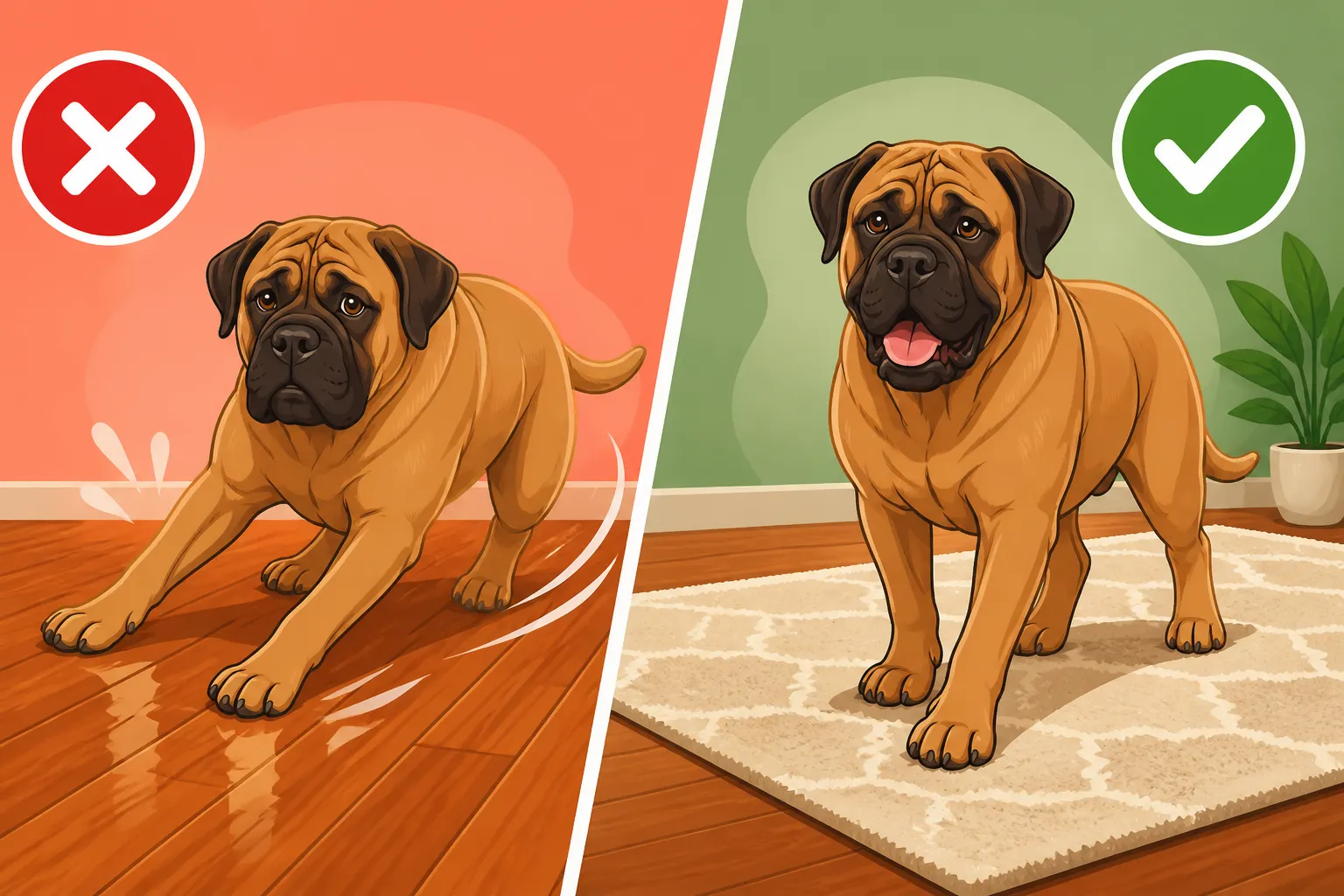
Imagine trying to walk across a polished gym floor in socks. Now imagine doing it with an extra hundred pounds strapped to your back, and you get a tiny glimpse into your Bullmastiff's daily reality on hardwood. Their large body mass means there's a lot of momentum when they move, and without adequate traction, that momentum often leads to uncontrolled sliding. Bullmastiffs also have fairly straight rear angulation compared to some breeds, which means their hind legs don't always have the "spring" to absorb shock or propel them forward without a good grip. When they try to stand up from a lying position, especially on a smooth surface, they have to recruit a tremendous amount of muscle power to prevent their hindquarters from splaying out. This isn't just tiring; it puts immense strain on their joints, tendons, and ligaments. A Bullmastiff puppy might recover quickly from a slip, but the cumulative effect of hundreds of tiny, uncontrolled slides throughout their life can take a serious toll.
The Risks: Falls, Injuries, and Long-Term Joint Strain
The immediate concern, of course, is a nasty fall. A full-grown Bullmastiff, weighing upwards of 100-130 pounds, falling awkwardly can result in sprains, strains, or even fractures. Imagine a twisted knee, a pulled groin, or a shoulder injury from an unexpected slide. But beyond these acute traumas, there's the insidious, long-term damage. Constant micro-traumas from slipping and sliding contribute to the wear and tear on joints. For a breed already prone to issues like Hip Dysplasia in a Bullmastiff and Elbow Dysplasia in a Bullmastiff, adding constant strain from slippery floors is like pouring gasoline on a fire. The body tries to compensate for the instability, leading to unnatural gaits, muscle imbalances, and accelerated arthritis. This is particularly crucial for a breed that already has a relatively short lifespan, as we want to ensure their golden years are as pain-free as possible.
The Emotional Toll: Anxiety and Reluctance to Move
Beyond the physical danger, consider the psychological impact. Picture yourself constantly on guard, knowing that every step might lead to a fall. It's exhausting and fear-inducing. Your Bullmastiff feels this too. You might notice them walking gingerly, adopting a stiff-legged gait, or even refusing to cross certain areas of the house. This isn't stubbornness; it's self-preservation. They're trying to avoid the discomfort and fear of slipping. This reluctance to move can then lead to reduced exercise, which is detrimental to their overall health, contributing to weight gain and muscle loss, further exacerbating joint problems. A Bullmastiff should feel confident and secure in their own home, able to move freely without fear. This anxiety can extend to other parts of their life, making them hesitant to explore new places or engage in activities that require quick, agile movements.
How Strategic Rug Placement Transforms Your Home into a Safe Haven
Bringing rugs into your home isn't just about aesthetics; it's about fundamentally changing the interaction between your Bullmastiff and their environment. With thoughtful placement and selection, you can create a secure, comfortable living space that supports their mobility and well-being.
Creating Traction Zones: Where Rugs Make the Biggest Difference
Think about your Bullmastiff's daily routine and the paths they most frequently travel. These are your prime candidates for rug placement. High-traffic areas are obvious: the route from their bed to the kitchen, the hallway to the back door, or the space around their food and water bowls. You'll want to cover these main "highways" in your home. Also consider areas where they spend a lot of time getting up and down, such as next to their favorite napping spot on the couch, or where they typically settle on the floor. A strategically placed rug allows them to get a solid footing when they rise, reducing strain and the chance of a slip. Don't forget transition zones, like where carpet meets hardwood, or where they jump off a bed or furniture (if allowed). These are often areas where momentum can lead to a slip. Placing a large rug in the living room or family room where your Bullmastiff often lounges provides a safe, comfortable surface for them to relax and play without the constant worry of slipping.
Choosing the Right Rugs: Beyond Just Pretty Patterns
When it comes to rugs for a Bullmastiff, functionality trumps fashion every time. The most crucial feature is a non-slip backing. Look for rugs with rubber, latex, or silicone on the underside. Without this, the rug itself becomes a slip hazard! Avoid thin, flimsy rugs that bunch up easily, as these can trip your dog. Larger rugs are generally better than multiple small ones, as they provide more consistent coverage and are less likely to shift. If you opt for smaller mats, ensure they are heavy-duty and truly non-slip. Material matters too. Low-pile carpets, or even sturdy outdoor rugs, can offer excellent traction and are often easier to clean than plush, high-pile options. Flat-weave rugs or those made from natural fibers like sisal or jute, while sometimes rougher, provide great grip.
Here's a quick comparison of rug types for your Bullmastiff:
| Rug Type | Pros | Cons | Ideal for |
|---|---|---|---|
| Low-Pile Area Rugs | Good traction, easy to clean, durable | Can still shift if backing is poor, may wear in heavy traffic | Living areas, bedrooms, main hallways |
| Runner Rugs | Excellent for hallways and narrow spaces | Need good non-slip backing, can be narrow for wide-gaited dogs | Hallways, entryways, kitchen paths |
| Carpet Tiles | Customizable, easy to replace damaged sections, good grip | Seams can collect dirt, initial installation might be time-consuming | Play areas, dedicated dog rooms, large open spaces |
| Rubber-Backed Mats | Superior grip, often waterproof, very durable | Less aesthetically pleasing, can be stiff or thin, limited sizes | Food/water areas, entryways, outdoor transitions |
| Jute/Sisal Rugs | Excellent natural traction, very durable | Can be rough on paws, may fray over time, harder to clean | Areas needing maximum grip, less lounge-heavy spots |
You can find a vast selection of rugs with non-slip backings on sites like Amazon or by visiting your local home goods store. Remember, investing in quality now will save you potential vet bills and heartache later.
The Benefits: Improved Mobility, Confidence, and Joint Protection
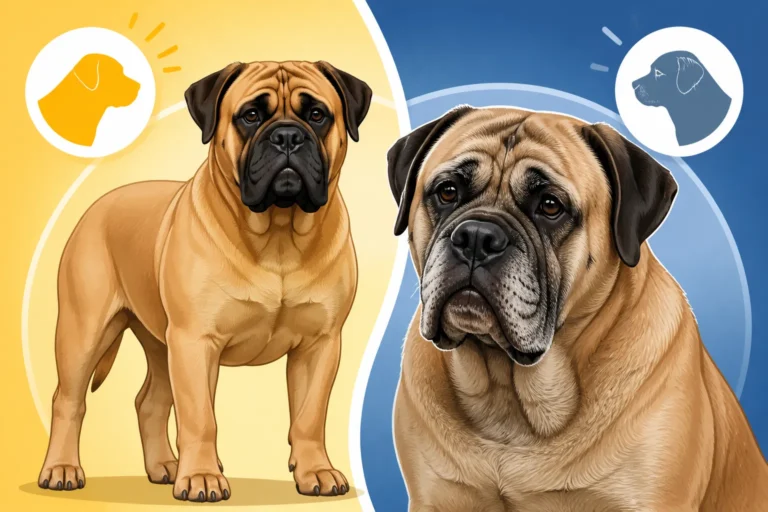
Once your home is a network of secure, grippy surfaces, you'll likely see a remarkable change in your Bullmastiff. Their gait will become more fluid and confident. They'll stop hesitating at doorways and instead stride purposefully. The relief from not having to constantly brace themselves against slipping will be palpable, leading to a happier, less anxious dog. This improved mobility directly translates to better joint health. By reducing the stress on their hips, elbows, and knees, you're actively working to prevent or slow the progression of arthritis, a common ailment as Bullmastiffs enter their senior years. Caring for an Aging Bullmastiff becomes much easier when they can move freely without pain. They'll be more willing to engage in play, even just a gentle tug or a flop on the floor, because they feel safe doing so.
Beyond Just Rugs: Other Floor-Friendly Solutions and Preventative Care
While rugs are a fantastic first step, thinking holistically about your Bullmastiff's interaction with their environment and their overall health will provide the best long-term outcomes. Sometimes, small adjustments in combination with larger ones make all the difference.
Paw Protection: Keeping Paws Grippy and Healthy
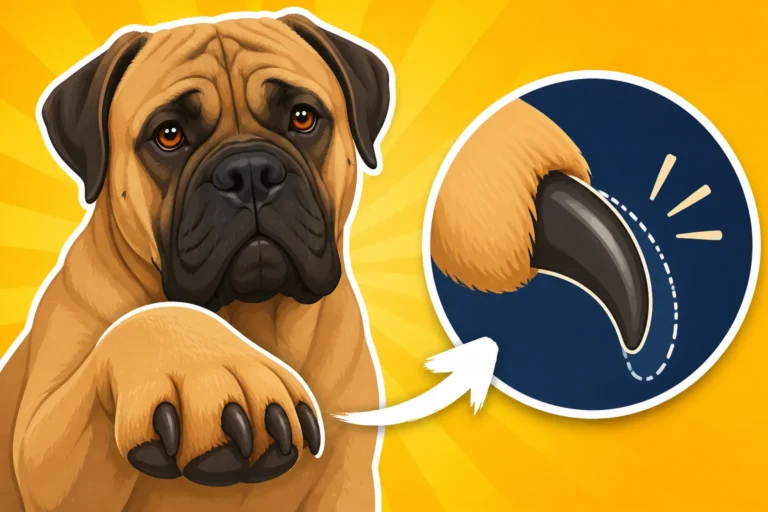
Sometimes, the problem isn't just the floor; it's the paws themselves. Long nails can make it harder for a Bullmastiff to gain purchase on any surface, as they act like tiny stilts, lifting the paw pads off the ground. Regular nail trims are essential. You might even consider having a professional groomer or vet assistant show you how to trim them properly, or invest in a Dremel tool for a smoother, shorter finish. Beyond nails, healthy paw pads are crucial. Dry, cracked paw pads lack the natural grip healthy pads provide. Look for paw balms or waxes (available on Chewy or Amazon) to keep them moisturized and supple. Some owners even use specialized paw grippers or socks for dogs, particularly for older or injured Bullmastiffs, to give them extra traction indoors. These can be a bit of an adjustment for your dog, but for some, they are a lifesaver.
Alternative Flooring Options (If Renovating)
While not always an option for everyone, if you're undertaking a home renovation, consider dog-friendly flooring alternatives. Wall-to-wall carpeting, while sometimes harder to clean, offers excellent traction. Non-slip vinyl plank flooring is another popular choice, providing the look of wood without the slick surface. Cork flooring is naturally softer and offers good grip, plus it has sound-dampening qualities, which can be nice for a large, thudding Bullmastiff. Even specific textured tiles or sealed concrete can be less slippery than traditional polished hardwood. It's about thinking ahead to create a safe, stable environment for your massive companion from the ground up.
Proactive Joint Care: Diet, Supplements, and Maintaining a Healthy Weight
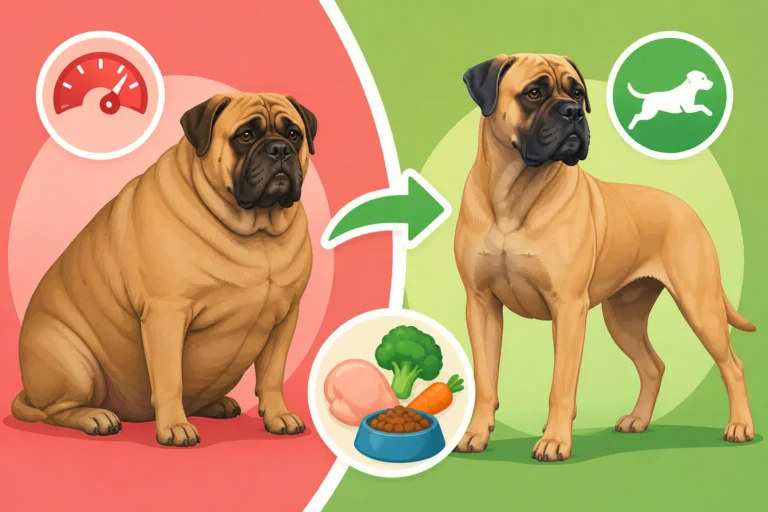
Even with the best flooring, proactive care for your Bullmastiff's joints is paramount. A lean body weight is perhaps the single most important factor in reducing stress on their joints. Every extra pound on a Bullmastiff is amplified stress on their hips, knees, and elbows. Keeping a Bullmastiff Lean Is the Best Thing You Can Do cannot be overstated for their overall health and longevity. Talk to your vet about the ideal body condition score for your individual dog. High-quality dog food, like that offered by Ollie, provides excellent nutrition, but portion control is key.
Many Bullmastiff owners also introduce joint supplements early, often around two or three years of age, to support cartilage health. Ingredients like glucosamine, chondroitin, and MSM are common, and omega-3 fatty acids (like fish oil) can help reduce inflammation. You can find a wide array of these supplements from reputable brands on platforms like Chewy or Amazon. Consult your veterinarian before starting any new supplement regimen to ensure it's appropriate for your Bullmastiff's specific needs and doesn't interact with any existing medications. Combined with good flooring, these proactive measures contribute significantly to preventing painful conditions and ensuring your Bullmastiff remains mobile and comfortable throughout their life.
Disclaimer
This article is for general informational purposes only and does not constitute professional advice. Laws, prices and regulations vary by location and change over time. Consult a qualified professional for guidance on your specific situation.