Whether a Bullmastiff’s Teeth Need Brushing
It’s a question that many Bullmastiff owners ponder as they look at those impressive jowls and strong jaws: do these big dogs really need their teeth brushed? The truth is, ignoring your Bullmastiff's oral hygiene is a common oversight, often leading to painful and costly dental issues down the line. This guide will walk you through why dental care, particularly brushing, is absolutely essential for your beloved giant, helping you understand the risks of neglect and how to keep those canine chompers healthy for years to come.
The Harsh Reality: Why Dental Care Isn't Optional for Your Bullmastiff
Let's be honest, dental care for dogs often falls by the wayside, especially when you have a massive, drool-prone sweetheart like a Bullmastiff. It’s not as immediately obvious as, say, a limp or a cough. But just like with humans, a dog's mouth is a gateway to their overall health, and neglecting it can lead to a cascade of problems that are both painful for your furry friend and expensive for your wallet.
The Progression of Dental Disease in Dogs
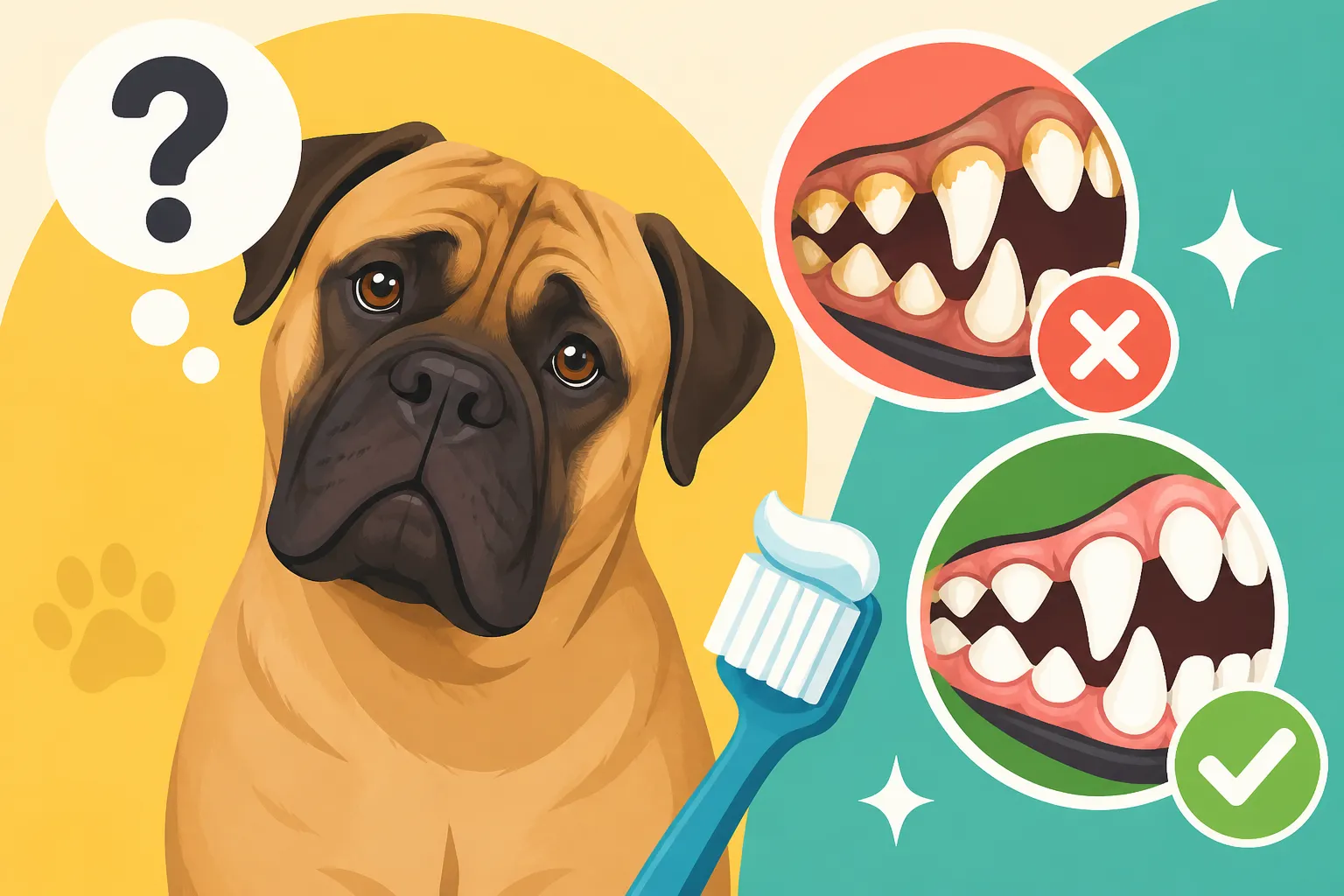
It all starts innocently enough. Every time your Bullmastiff eats, microscopic food particles and bacteria form a sticky film called plaque on their teeth. If this plaque isn't removed regularly, it hardens into tartar, a rough, brown or yellow deposit that clings to the tooth surface. You can't just brush tartar away at home; it requires professional intervention.
Once tartar builds up, it creates a rough surface where more bacteria can thrive, leading to gingivitis – inflammation of the gums. You might notice red, swollen gums, or even a bit of bleeding when your dog chews on a toy. If left unchecked, gingivitis progresses to periodontal disease, a serious infection that damages the tissues supporting the teeth. This is where things get really bad. Pockets form between the gums and teeth, collecting more bacteria and pus, destroying bone and leading to loose teeth, abscesses, and chronic pain. Imagine living with a constant toothache – that's what many dogs experience without proper dental care. A Bullmastiff's lifespan is already shorter than many breeds; The Median Bullmastiff Lives Eight and a Half Years means every year counts, and a healthy mouth contributes significantly to comfortable senior years.
How a Bullmastiff's Anatomy Affects Dental Health
While not as severely brachycephalic (short-nosed) as some other Bulldog-derived breeds, Bullmastiffs do have a relatively broad skull and a shorter muzzle compared to a long-nosed breed. This can sometimes lead to crowded teeth or an irregular bite, creating more nooks and crannies where food particles and plaque can accumulate. Their strong jaws and occasional proclivity for chewing can also wear down teeth unevenly if they’re given inappropriate chew toys. Furthermore, their impressive jowls, while characteristic, can sometimes lead to trapped food, making proper cleaning even more important to prevent bacterial overgrowth.
The Systemic Impact of Poor Oral Health
The bad news doesn't stop in the mouth. The bacteria from severe periodontal disease don't just stay put; they can enter your Bullmastiff's bloodstream through the inflamed gum tissue. Once in the bloodstream, these bacteria can travel to vital organs like the heart, kidneys, and liver, causing secondary infections and worsening existing conditions. For an aging Bullmastiff, What Changes in a Bullmastiff After Six includes a higher risk of organ issues, making good dental hygiene a critical component of their overall senior care plan. Chronic inflammation from dental disease also puts a constant strain on their immune system, potentially making them more susceptible to other illnesses. It's a silent threat that can significantly impact their quality of life and longevity.
Brushing: The Gold Standard for Bullmastiff Dental Health
When it comes to keeping your Bullmastiff's teeth clean and preventing serious issues, regular brushing is, without a doubt, the most effective method. Think of it like your own teeth: while mouthwash and flossing help, nothing beats the mechanical action of a toothbrush.
Why Brushing is the Most Effective Method
Brushing physically removes plaque before it has a chance to harden into tartar. This mechanical scrubbing action disrupts the bacterial film and prevents its buildup. Unlike dental chews or water additives, which offer supplementary benefits, brushing directly targets the tooth surface, reaching the gum line where plaque accumulation is most prevalent. It’s a proactive measure that gives you the best chance of keeping your Bullmastiff's teeth healthy and reducing the need for costly and invasive professional dental procedures down the line. How Often a Bullmastiff's Teeth Need Cleaning is directly related to the effectiveness of this daily or near-daily ritual.
A Step-by-Step Guide to Brushing Your Bullmastiff's Teeth
Starting a brushing routine might seem daunting, especially with a large, powerful dog, but with patience and positive reinforcement, it's entirely achievable.
- Gather Your Tools: You'll need a dog-specific toothbrush and toothpaste. Never use human toothpaste, as it contains fluoride and other ingredients that are toxic if swallowed by dogs. Dog toothpastes come in appealing flavors like poultry, beef, or peanut butter, which can make the experience more pleasant for your Bullmastiff. You can find a wide variety of these products, from finger brushes to long-handled brushes, on online retailers like Chewy or Amazon.
- Introduce Gradually: Don't expect to brush all teeth on the first try. Start by letting your Bullmastiff lick a tiny bit of the dog toothpaste off your finger. Praise them lavishly.
- Familiarize with Touch: Once they're comfortable with the taste, start gently rubbing your finger along their gums and teeth. This is similar to Teaching a Bullmastiff to Have Its Feet Handled, as it's about building trust with touch. Focus on the outside surfaces first, as these are where plaque accumulates most rapidly.
- Introduce the Brush: Once they tolerate your finger in their mouth, introduce the toothbrush. Let them lick the toothpaste off the brush. Then, gently try to brush just one or two teeth for a few seconds. Lift their jowls, don't try to pry their mouth open.
- Brush with Gentle Circles: Aim for the gum line at a 45-degree angle, using small, circular motions. Focus on the outside surfaces, especially the canines and molars at the back, as these are often the dirtiest.
- Keep it Positive and Short: End each session with praise, a small treat, and maybe some playtime. Keep early sessions very short, gradually increasing the duration as your Bullmastiff becomes more accustomed to it.
- Consistency is Key: Ideally, aim to brush daily. If daily isn't feasible, every other day is a good compromise. Consistency prevents plaque from hardening into tartar.
Remember, a Bullmastiff is a deliberate dog, so patience is key. If they resist, back off and try again later, or keep the sessions even shorter.
Beyond the Brush: Other Tools in Your Dental Arsenal
While brushing reigns supreme, there are several other valuable tools and strategies that can complement your Bullmastiff’s oral hygiene routine. Think of them as part of a multi-faceted approach to maintaining dental health.
Dental Chews and Toys
Dental chews are designed to help scrape away plaque and stimulate gum health as your dog chews them. However, not all dental chews are created equal. Look for products that have the Veterinary Oral Health Council (VOHC) seal of acceptance. This seal indicates that the product meets certain standards for plaque and/or tartar control. Brands like Greenies or Dentastix are common examples, and you can often find them in large economy packs on Chewy.
It's crucial to be mindful of the type of chew toys you offer. While some firm rubber toys can provide good chewing exercise and minimal plaque removal, very hard items like real bones, antlers, or nylon bones can be too abrasive and risk fracturing your Bullmastiff's powerful teeth. A broken tooth is incredibly painful and will almost certainly require expensive veterinary intervention. Always supervise your Bullmastiff with any chew toy to ensure they are using it safely and not breaking off pieces they could choke on.
Dental Diets and Water Additives
Specific dental diets are formulated with kibble that is larger and has a unique texture designed to scrub the tooth surface as the dog chews. Some also contain ingredients that help prevent plaque from adhering to the teeth or reduce bacterial growth. These can be particularly beneficial for dogs who absolutely refuse to have their teeth brushed. Talk to your veterinarian about prescription dental diets if you're struggling with at-home care.
Water additives are another option. These liquids are added to your Bullmastiff's drinking water and contain ingredients that can help reduce bacteria in the mouth or break down plaque. While they are certainly easy to use, their effectiveness is generally considered secondary to brushing and professional cleanings. They are a supplementary tool, not a standalone solution. You might find various types of dental rinses or water additives on Amazon, but always check ingredients and consult your vet before introducing them, especially if your Bullmastiff has any sensitivities. Even fresh food companies like Ollie, while primarily focused on nutrition, often have blog posts or resources about holistic dog health, including dental care, offering insights into how diet impacts oral hygiene.
Professional Veterinary Dental Cleanings
Even with diligent home care, most Bullmastiffs will eventually need a professional dental cleaning under anesthesia. This is where your veterinarian can thoroughly scale away all plaque and tartar, both above and below the gum line, polish the teeth, and address any existing issues like gum disease, cavities, or fractured teeth.
The procedure involves general anesthesia, which sounds scary but is often necessary for a thorough and pain-free cleaning. Before the procedure, your vet will likely recommend bloodwork to ensure your Bullmastiff is healthy enough for anesthesia. This is similar to Whether a Bullmastiff Needs Bloodwork Yearly for general health checks. During the cleaning, they can perform dental X-rays to check for problems below the gum line that aren't visible to the naked eye. What a Bullmastiff's Dental Costs can vary significantly depending on the severity of the disease and any extractions needed, highlighting why proactive home care is so valuable.
Here's a quick comparison of common dental care methods:
| Method | Primary Benefit | Ease of Use | Cost (Relative) | Best For | Considerations |
|---|---|---|---|---|---|
| Daily Brushing | Direct plaque removal | Moderate | Low | Prevention, maintaining clean teeth | Requires training and consistency, dog acceptance |
| Dental Chews (VOHC) | Supplemental plaque/tartar control | High | Moderate | Daily maintenance aid | Not a substitute for brushing, supervise use |
| Dental Diets | Specific kibble action, ingredients | High | Moderate-High | Dogs intolerant to brushing | Vet consultation needed, diet-specific |
| Water Additives | Reduce oral bacteria | High | Low-Moderate | Supplemental, bad breath | Limited effectiveness, not a standalone solution |
| Professional Cleaning | Thorough scaling, polishing, exam | Low (vet does) | High | Removing tartar, treating existing disease | Anesthesia required, can be costly |
Starting Early and Maintaining a Routine
The best time to start any routine with a Bullmastiff is when they are a puppy. This holds especially true for dental care. Puppyhood offers a golden window for desensitization and positive conditioning that will make future care much easier.
Puppyhood: The Foundation for Good Habits
When you bring home your Bullmastiff puppy, you're setting the stage for their entire life. Just like you'd start basic obedience training, introducing them to mouth handling should be an early priority. Gently touch their muzzle, lift their lips, and eventually, put a finger with a dab of dog toothpaste in their mouth. Make these experiences short, positive, and always follow with praise and a reward. The First Year With a Bullmastiff Puppy is a critical time for developing all good habits, and dental care is no exception.
The younger your Bullmastiff is when they get used to the sensation of a toothbrush, the less resistant they will be as adults. Trying to force an adult Bullmastiff, who might weigh over 100 pounds, to accept brushing if they've never experienced it, can be a real struggle and even lead to negative associations. By starting early, you're not just caring for their teeth; you're building trust and a foundation for cooperative care throughout their life.
Integrating Dental Care into Your Daily/Weekly Routine
Consistency is the cornerstone of effective dental care. It's much easier to prevent severe dental disease than to treat it once it's established. Aim to brush your Bullmastiff's teeth daily, or at the very least, every other day. Find a time that works for both of you – maybe after their last meal of the day, or as part of their evening wind-down routine. A Bullmastiff thrives on routine and predictability, so incorporating brushing into an established daily pattern can make it feel less like a chore and more like a normal part of their day.
Regular veterinary check-ups are also crucial. Your vet will perform a basic oral exam during your Bullmastiff's annual wellness visit. How Often a Bullmastiff Needs a Wellness Exam gives your vet the opportunity to spot early signs of dental disease and recommend interventions before they become severe. Don't hesitate to ask your vet to show you how to properly brush your Bullmastiff's teeth, or discuss other dental health strategies tailored to your dog's specific needs.
For older Bullmastiffs, dental care becomes even more vital. Caring for a Bullmastiff Past Six often means addressing age-related health changes, and good oral hygiene can prevent secondary health issues and improve their comfort as they age. An aging Bullmastiff can hide pain remarkably well, as How a Bullmastiff Hides Pain explains, so regular dental checks and home care are essential to catch problems early. Remember, a clean mouth contributes to better breath, a happier disposition, and a longer, healthier life for your gentle giant.
Disclaimer
This article is for general informational purposes only and does not constitute professional advice. Laws, prices and regulations vary by location and change over time. Consult a qualified professional for guidance on your specific situation.