Whether a Bullmastiff Needs Its Glands Expressed
It's a surprisingly common question that often comes up in Bullmastiff groups and forums: "Does my Bullmastiff need its glands expressed?" Many loving owners, wanting to do the best for their big companions, assume that anal gland expression is a routine part of grooming, much like nail trims or ear cleaning. This guide will cut through the confusion, explaining what your Bullmastiff's anal glands actually do, when they genuinely need attention, and, crucially, when they should be left well alone.
Understanding Your Bullmastiff's Anal Glands – What Are They For?
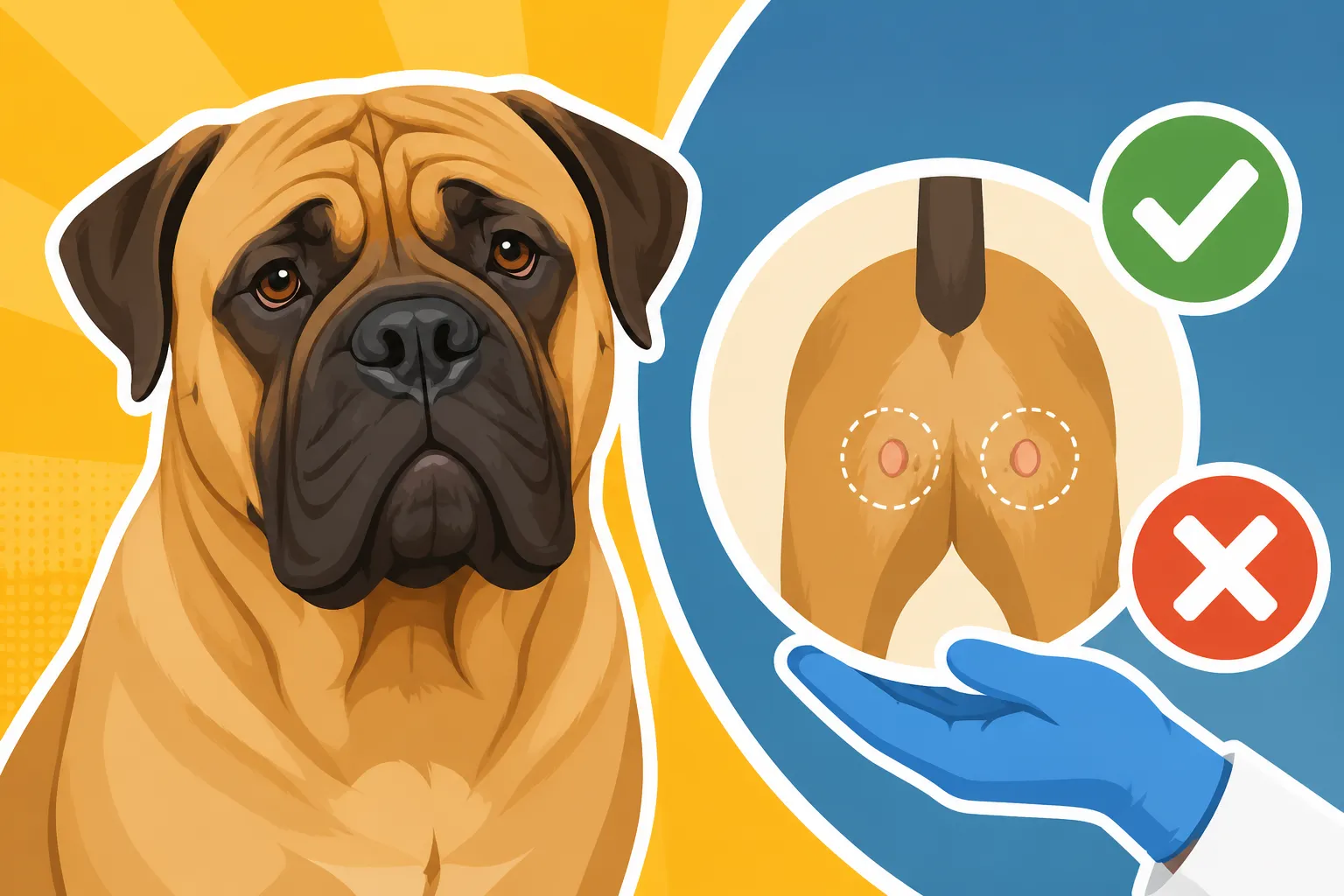
Your Bullmastiff, like all dogs, has two small sacs located just inside the anus, at about the four and eight o'clock positions. These are called anal glands, or anal sacs, and they're fascinating little scent factories. Each sac is lined with glands that produce a strong, fishy-smelling liquid. This liquid is unique to each dog, kind of like a canine fingerprint, and it plays a vital role in how dogs communicate with each other. When dogs greet each other and sniff rear ends, they're essentially reading these scent markers.
The Natural Process of Anal Gland Expression
Under normal circumstances, these anal glands express themselves naturally. Every time your Bullmastiff has a bowel movement, particularly one that's firm and well-formed, the pressure of the stool passing through the rectum gently squeezes these sacs. This causes a small amount of the liquid to be released onto the feces, serving as that personal scent marker for other dogs. Think of it as a natural, healthy process that usually doesn't require any intervention from us. A proper diet that promotes firm, consistent stools is key to this natural function. Feeding a Bullmastiff Puppy So It Grows Slowly and How Much an Adult Bullmastiff Eats are good starting points for ensuring optimal digestive health from the get-go.
When a Bullmastiff's diet is ideal, providing the right amount of fiber and nutrients, their stools will be firm enough to press against the anal glands effectively. This regular, natural emptying keeps the glands from becoming overly full. It's a testament to nature's design that for most dogs, this system works perfectly without human interference. The consistency of the stool is paramount; a Bullmastiff with soft or loose stools consistently may struggle with natural expression, as there isn't enough bulk or pressure to empty the sacs.
When Things Go Wrong: Signs of Trouble
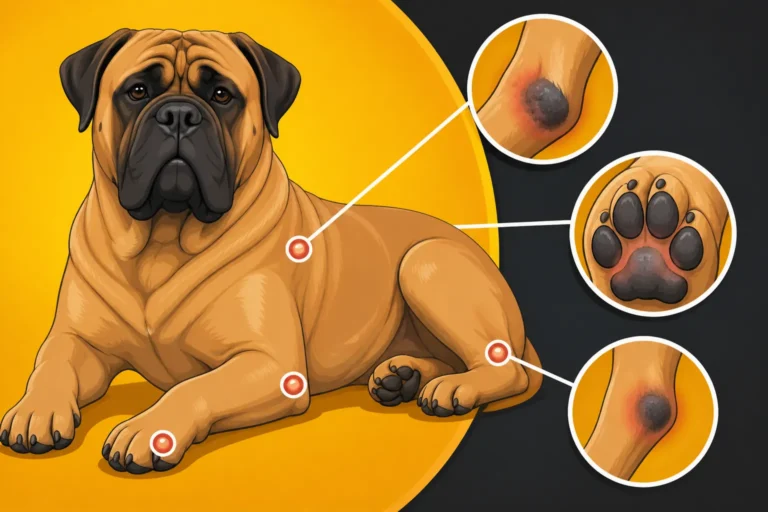
While the natural system works well for many Bullmastiffs, sometimes things do go awry. You might first notice subtle changes in your dog's behavior that, if you weren't paying close attention, could be easily missed. Your Bullmastiff might start "scooting" its rear end along the carpet or grass, a classic sign that something is irritating the area. They might also become excessively preoccupied with licking or chewing at their rear, sometimes to the point of redness or irritation around the anus. This isn't just a sign of discomfort; it's their instinctual attempt to relieve the pressure or itchiness.
Other, more concerning signs can include a sudden, strong, and unpleasant fishy odor that seems to come from nowhere, even if your Bullmastiff just had a bath. You might also notice them straining to defecate, or even showing signs of pain or reluctance when trying to pass stool. Some Bullmastiffs might even seem generally uncomfortable, restless, or less enthusiastic about their usual activities. Remember, Bullmastiffs are known for being stoic creatures, often How a Bullmastiff Hides Pain until an issue becomes quite advanced. Any persistent change in their behavior or routine bathroom habits warrants a closer look.
It's important to differentiate these symptoms from other issues, too. Scooting can sometimes be caused by worms or even just general itchiness, but if it's accompanied by that tell-tale odor or excessive licking, anal gland problems should be high on your list of suspects. Never assume; always consult with your veterinarian to get an accurate diagnosis. Ignoring these signs can lead to more serious complications down the line, turning a simple impaction into a painful infection or even an abscess.
Does Your Bullmastiff Really Need Manual Expression?
This is where a lot of confusion and well-intentioned but misguided practices often come into play. The short answer for most healthy Bullmastiffs is: no, not usually. If your Bullmastiff's anal glands are functioning as they should, emptying naturally with each bowel movement, then manual expression is not only unnecessary but can actually be detrimental to their long-term health. Many groomers offer routine anal gland expression as part of a general grooming package, and while this might seem convenient, it's often more harmful than helpful.
The Dangers of Routine, Unnecessary Expression
Imagine constantly squeezing a delicate organ that's designed to do its job on its own. That's essentially what happens with routine, unnecessary anal gland expression. Each time the glands are manually expressed, especially by an inexperienced hand or too frequently, it can cause trauma to the delicate tissues. This trauma can lead to inflammation, irritation, and even scarring over time. This scarring can, ironically, make it harder for the glands to express naturally in the future, creating a vicious cycle where your Bullmastiff becomes dependent on manual expression, and potentially develops chronic issues.
Furthermore, repeated manual expression can introduce bacteria into the anal sacs, increasing the risk of infection. The pressure applied during expression can also push bacteria further into the glands. This isn't just an uncomfortable thought; it's a real medical risk. Many veterinarians advocate strongly against prophylactic (preventative) anal gland expression precisely because of these potential complications. If you’ve ever wondered why some Bullmastiffs seem to need their glands expressed all the time, it might be that repeated interventions have inadvertently caused a chronic problem.
When a Vet Says It's Necessary: Medical Reasons
There are, of course, legitimate medical reasons why a Bullmastiff might need their anal glands manually expressed by a professional. The primary reason is impaction. This occurs when the fluid within the glands thickens, or the ducts become blocked, preventing natural expression. The glands then become overly full, hard, and painful. At this point, manual expression by a veterinarian or veterinary technician is necessary to relieve the discomfort and prevent further complications.
Beyond impaction, anal gland sacculitis is another common issue. This is an infection of the anal sacs, often caused by bacteria that have found their way into the glands. Symptoms can be more severe, including significant pain, swelling, redness, and sometimes even fever. If left untreated, a sacculitis can progress to an anal gland abscess, where a pocket of pus forms, which can be incredibly painful and may rupture, leading to an open wound. In these cases, a vet might need to express the glands, flush them with an antiseptic solution, and prescribe antibiotics and pain medication. This is a far cry from a routine grooming task; it’s a medical intervention performed under specific clinical conditions. Regular check-ups are always a good idea, and your vet can perform an internal check if needed during something like How Often a Bullmastiff Needs a Wellness Exam.
What to Do If You Suspect Anal Gland Issues
If you notice any of the warning signs – scooting, excessive licking, a foul odor, or difficulty with defecation – your first and most important step is to contact your veterinarian. It’s crucial to resist the urge to try and express the glands yourself at home, even if you’ve watched countless online videos. As discussed, improper technique can cause more harm than good, and you might miss a more serious underlying condition. Your Bullmastiff's health relies on accurate diagnosis and appropriate care.
Your Vet's Role in Diagnosing and Treating
When you take your Bullmastiff to the vet for suspected anal gland issues, the examination will typically involve a thorough physical check. The vet will gently palpate the area around the anus to assess the size, consistency, and tenderness of the anal sacs. They'll also be looking for any signs of inflammation, redness, or swelling. If impaction or infection is present, the vet will carefully express the glands, noting the color and consistency of the fluid, which can provide clues about the underlying problem. This process is usually quick but can be uncomfortable for your dog, especially if the glands are very full or infected.
Depending on the findings, your vet might recommend further treatment. For simple impactions, expression might be all that's needed. However, if there's an infection (sacculitis), antibiotics – sometimes directly instilled into the glands, other times given orally – will likely be prescribed. Pain medication and anti-inflammatory drugs might also be given to make your Bullmastiff more comfortable. In rare, severe, or recurrent cases, particularly with chronic abscesses that don't respond to other treatments, surgical removal of the anal glands (an anal sacculectomy) might be considered as a last resort. While the costs for these can vary, understanding What a Bullmastiff's Annual Checkup Costs can help you budget for potential veterinary care, should issues arise.
Supporting Natural Gland Health Through Diet and Lifestyle
Beyond immediate veterinary care, there's a lot you can do at home to help support your Bullmastiff's natural anal gland function. The cornerstone of prevention lies in maintaining healthy, firm, and consistent stools. This primarily comes down to diet. Ensuring your Bullmastiff is eating a high-quality, balanced diet with adequate fiber is paramount. Fiber adds bulk to the stool, helping it press against and naturally express the anal glands.
Consider supplementing your Bullmastiff's diet with natural fiber sources. Plain canned pumpkin (not pie filling!) is a popular and effective choice, as are certain commercial fiber supplements that can be easily mixed into their food. You can find many reputable options for fiber supplements or high-fiber dog foods through online retailers like Chewy or Amazon. Even specialty brands like Ollie might offer formulations that support digestive health. Always introduce new foods or supplements gradually to avoid upsetting their stomach. Additionally, ensuring your Bullmastiff has access to plenty of fresh water helps keep their digestive system running smoothly, contributing to healthy stool consistency. Regular, moderate exercise, like a consistent How Far a Bullmastiff Should Walk Daily, also promotes healthy digestion and bowel regularity, which in turn aids natural anal gland expression.
Preventing Future Anal Gland Problems
For many Bullmastiff owners, the goal isn't just to treat an existing problem but to prevent it from coming back. This often involves a multi-faceted approach focusing on diet, weight management, and vigilant observation. It’s about being proactive in managing their overall health rather than reacting when issues crop up.
Dietary Adjustments for Optimal Gland Function
When it comes to diet and anal gland health, a key factor is ensuring your Bullmastiff receives enough dietary fiber. Fiber helps create firm, bulky stools that naturally press against the anal glands during defecation, promoting their regular emptying. If your Bullmastiff has had recurring anal gland issues, a dietary review with your vet is highly recommended. They might suggest a prescription diet formulated for gastrointestinal health, or simply advise on over-the-counter high-fiber options.
Look for dog foods that list whole grains, fruits, and vegetables high on their ingredient list, indicating a good fiber content. If your current food isn't cutting it, you can explore options from a wide range of reputable brands. Sometimes, adding a small amount of a fiber booster like psyllium husk (always check with your vet for dosage) or canned pumpkin to your Bullmastiff's regular meals can make a huge difference. Products for this purpose are readily available from online pet suppliers like Chewy and Amazon, and if you're exploring fresh food options, brands like Ollie often emphasize whole, natural ingredients that can support digestive health. Remember, consistency in diet is important – frequent changes can upset the digestive balance.
Here’s a quick overview of how different factors impact anal gland health:
| Factor | Impact on Anal Gland Health | Recommendation |
|---|---|---|
| Stool Quality | Firm, bulky stools promote natural expression. | Aim for consistent, well-formed stools. |
| Dietary Fiber | Adds bulk to stools. | Ensure adequate fiber in diet; consider supplements like pumpkin or psyllium. |
| Hydration | Supports healthy digestion and stool consistency. | Always provide fresh, abundant water. |
| Weight | Obesity can hinder natural expression. | Keeping a Bullmastiff Lean Is the Best Thing You Can Do for overall health. |
| Exercise | Promotes bowel regularity and muscle tone. | Regular, moderate walks and activity. |
| Routine Expression | Often causes more harm than good, leading to irritation and dependency. | Avoid unless medically necessary and performed by a vet. |
Regular Monitoring and Early Intervention
One of the most powerful tools you have as a Bullmastiff owner is your own observation. Pay close attention to your dog's habits and body language. Watch them when they defecate – are their stools consistently firm? Do they seem comfortable? Are they straining? Check around their rear end regularly for any signs of redness, swelling, or a strong odor. If you see your Bullmastiff scooting or licking excessively, don't just dismiss it. While some scooting can be innocent, it's often the first warning sign of anal gland discomfort.
Because Bullmastiffs are known for their stoic nature and can be quite adept at How a Bullmastiff Hides Pain, early detection of any issue is crucial. The sooner you notice a problem and seek veterinary advice, the simpler and less invasive the treatment is likely to be. Keeping an eye on grooming habits, such as their reaction to having their Nails, Ears and Teeth on a Bullmastiff cleaned, can also clue you into general discomfort, which might extend to their anal area. Never hesitate to call your vet if you have concerns, even if it feels minor. It's always better to get professional reassurance than to wait until a problem escalates into something more serious and painful for your beloved companion.
Disclaimer
This article is for general informational purposes only and does not constitute professional advice. Laws, prices and regulations vary by location and change over time. Consult a qualified professional for guidance on your specific situation.