Why the Bullmastiff Counts as a Working Dog
It’s easy to look at a majestic, often seemingly lazy Bullmastiff napping peacefully on the couch and wonder how on earth this gentle giant earned its place in the American Kennel Club's Working Group. Many new owners, and even some seasoned ones, find themselves puzzled by this classification, especially when their beloved canine companion seems more interested in snoozing than strenuous activity. This guide is here to unravel that mystery, diving deep into the breed's origins, inherent traits, and the very definition of what it means to be a "working dog" for a Bullmastiff, explaining why their calm exterior belies a powerful, discerning, and truly functional heritage.
The Bullmastiff's Original Job: The Gamekeeper's Night Dog
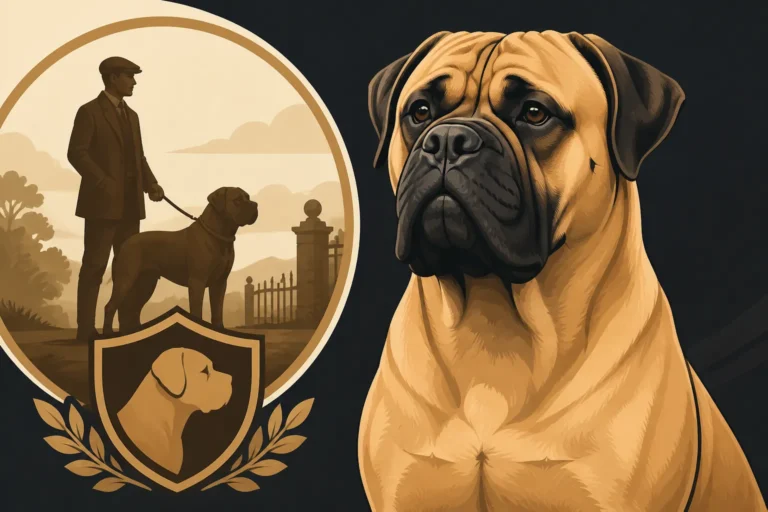
To understand why the Bullmastiff is considered a working dog, we must travel back to 19th-century England, a time when sprawling estates and their valuable game preserves were constantly under threat from poachers. This wasn't just a casual trespass; it was a serious economic crime, and gamekeepers needed a specialized dog to protect their livelihood. Neither the slow, massive Mastiff nor the tenacious but smaller Bulldog alone was perfect for the task. The solution was a deliberate, purposeful crossbreed that combined the best of both worlds.
Protecting Estates Under the Cover of Darkness
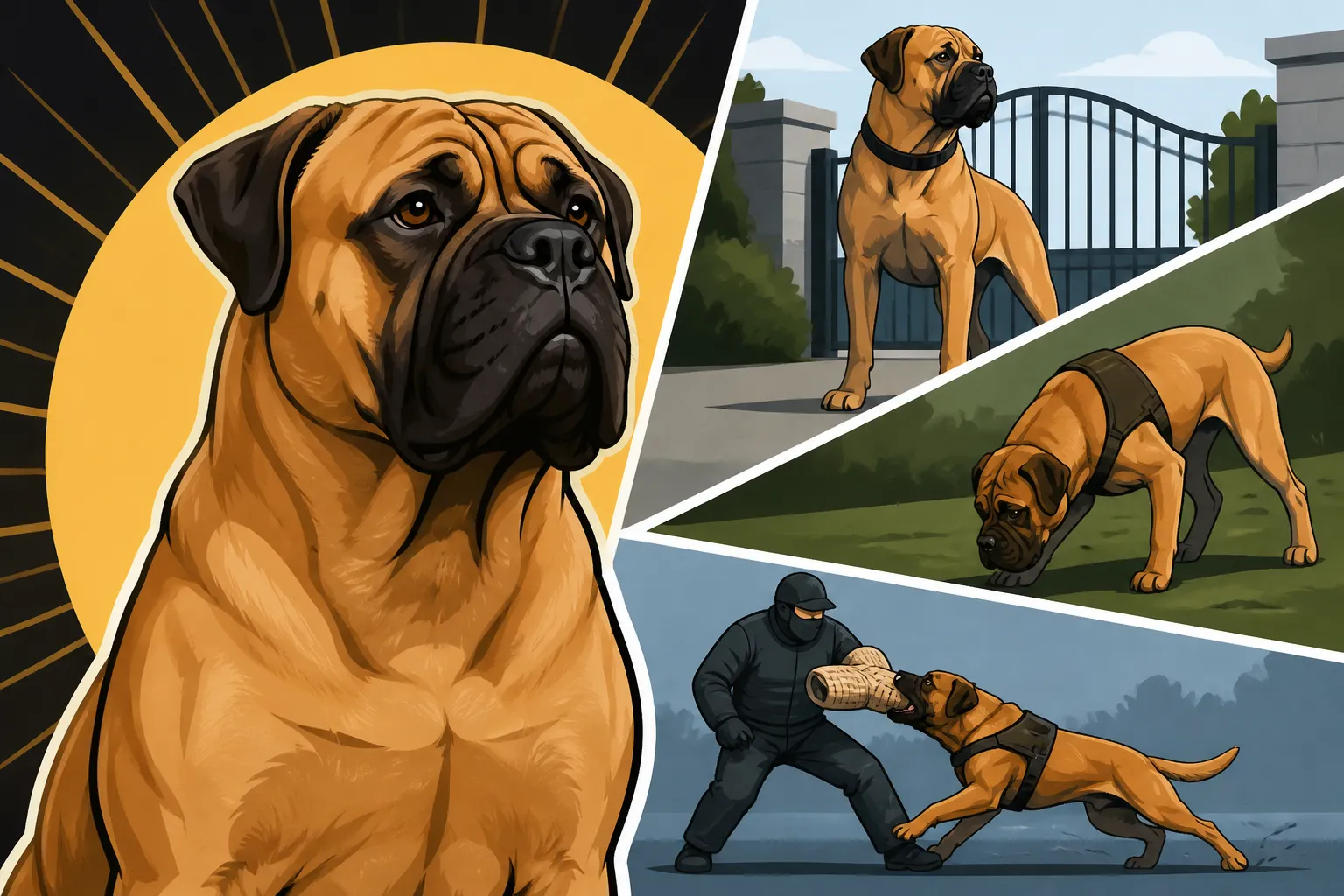
The role of a gamekeeper was relentless, especially after dark. Poachers were cunning, often armed, and adept at navigating the dense woodlands and fields. A dog was needed that could silently patrol, detect intruders, and, most crucially, apprehend them without causing fatal injury. This was a critical distinction; the goal wasn't to maul or kill the poacher, but to hold them until the gamekeeper arrived. Such a specific and demanding task meant these dogs weren't just pets; they were essential tools for law enforcement on private lands. Their very existence was tied to this challenging, dangerous "work." You can learn more about this history in What a Gamekeeper Needed a Night Dog For.
The Genesis of a Specialized Worker
The creation of the Bullmastiff was not accidental; it was a deliberate act of selective breeding to fulfill a highly specialized working role. Gamekeepers meticulously crossed Mastiffs, known for their size, strength, and guarding instincts, with Bulldogs, prized for their courage, tenacity, and ability to pin and hold. The result was a dog that embodied an ideal blend of attributes: powerful enough to overpower a man, fast enough to catch one, silent enough not to alert others, and instinctively trained to hold rather than bite. This 60% Mastiff, 40% Bulldog blend wasn't just a percentage; it was a formula for function. This heritage explains The Bullmastiff Was Bred to Hold a Man, Not Bite Him.
Physical Attributes Geared for Working Prowess
Beyond their historical context, the Bullmastiff's physical build is a testament to its working heritage. Every aspect of their robust physique, from their sturdy bones to their powerful musculature, was developed to perform the strenuous and dangerous tasks required of a gamekeeper's assistant. This isn't a delicate dog; it's a canine powerhouse designed for immense strength and endurance.
Strength and Substance for Apprehension
Imagine a large, determined human trying to flee. The Bullmastiff needed to be strong enough to not only bring that person down but to also hold them securely. Their substantial bone structure, broad chest, and powerful, muscular body are perfect for this. They possess a low center of gravity, making them incredibly stable and difficult to dislodge. A Bullmastiff's sheer bulk, which can easily reach over a hundred and thirty pounds, combined with their dense muscle mass, provides the leverage and raw power needed for such a task. This physical capability means they are inherently built for impact and sustained physical exertion, even if today's "work" is more about being a steadfast family guardian.
Agility and Endurance for Patrol
While Bullmastiffs are not sprinters in the greyhound sense, they were bred for surprising bursts of speed over short distances and sustained endurance for patrolling large estates. They needed to be agile enough to navigate uneven terrain, jump over obstacles, and change direction quickly when pursuing a fleeing poacher. Their strong, well-angulated hindquarters provide the drive, and their deep chest offers ample lung capacity for stamina. They aren't dogs designed for endless miles of running, but rather for purposeful movement and bursts of intense activity crucial for their original job. This balance of power and agility is critical for understanding their working lineage.
Temperamental Traits of a True Working Dog
A dog's physical attributes are only half the story; its temperament is equally, if not more, vital for a working role. The Bullmastiff's distinct personality traits, honed over generations, reveal a thoughtful, courageous, and highly discerning canine worker. These aren't impulsive dogs; they are calculating protectors.
The Silent Sentinel: Discernment and Alertness
One of the most remarkable traits of the original Bullmastiff was its ability to work in silence. Barking would alert poachers to the dog's presence, defeating the purpose of a night patrol. This led to the development of a dog that relies more on scent, sight, and intuition, and less on vocalization, to detect intruders. They are naturally observant and possess a keen sense of their surroundings. This inherent quietness doesn't mean they aren't alert; it means their alertness is expressed through focused attention rather than noisy displays. They are excellent at distinguishing between friend and foe, often assessing a situation before acting. This discerning nature makes them natural guardians, a core aspect of their working identity. You can delve into Why a Bullmastiff Was Bred to Work Silently for more insight.
Courage and Steadfastness in the Face of Threat
A working dog, especially one tasked with apprehending human intruders, must possess unwavering courage. The Bullmastiff's Bulldog lineage contributes significantly to this trait, instilling a fearlessness and tenacity that allows them to face down a threat without hesitation. Once they commit to a task, they are incredibly steadfast. This isn't reckless aggression but a calm, determined resolve. Their natural inclination is to stand their ground, to "hold" rather than attack viciously. This inherent bravery, coupled with their immense physical presence, makes them formidable yet controlled protectors.
Loyalty and Trainability for Partnership
While known for a certain "deliberateness" in their responses, Bullmastiffs are highly intelligent and deeply loyal to their families, which was crucial for their working relationship with gamekeepers. They needed to be trainable and responsive to their handler's commands, even in high-stress situations. Their willingness to work as a team, coupled with their protective instincts, solidified their status as invaluable working partners. Training a Bullmastiff takes patience and consistency, but their deep bond with their owner makes them eager to please and to fulfill their perceived role as a protector. Places like Chewy offer many great resources and training aids for large breeds, from durable chew toys to training collars.
The "Working Group" Classification Explained
The inclusion of the Bullmastiff in the "Working Group" by kennel clubs like the American Kennel Club (AKC) is not merely an arbitrary placement. It reflects a deep understanding of the breed's historical purpose and the functional traits that define it. This group isn't just for dogs that herd sheep or pull sleds; it encompasses breeds developed for specific, demanding jobs that require strength, courage, and intelligence.
More Than Just Physical Labor
The term "working dog" in the context of kennel club classifications extends beyond simple physical labor. It includes breeds historically developed to perform specific tasks for humans, often involving guarding, protection, pulling, or rescue. These roles demand not only physical capabilities but also keen intelligence, trainability, and a stable temperament. The Bullmastiff, with its history as a gamekeeper's assistant and guardian, fits this definition perfectly. Their role was a complex one, requiring them to make judgments, act decisively, and control dangerous situations, all without excessive aggression. This sophisticated job cemented their working dog status.
A Legacy of Guardianship and Service
Other breeds in the Working Group include the Rottweiler, Doberman Pinscher, and Great Dane—all breeds with histories tied to guarding, protection, or other forms of service. The Bullmastiff stands proudly among them, representing a lineage of dogs bred for a serious, purposeful job. Their instinct to guard and protect their family and home is a direct continuation of their ancestors' duties. While most modern Bullmastiffs aren't patrolling vast estates, their genetic blueprint for guardianship is ever-present. This deep-seated instinct means that even in a domestic setting, they are always "on duty," observing and protecting their loved ones. Why the Bullmastiff Counts as a Working Dog further explains their place in this group.
Modern Day "Work" for the Bullmastiff
While the days of catching poachers are largely a thing of the past, the inherent working drive and traits of the Bullmastiff haven't disappeared. Modern Bullmastiff owners often find fulfilling ways to channel these instincts, proving that the breed still thrives when given a purpose, whether it's formal competition or simply being a steadfast family guardian.
Beyond the Sofa: Engaging a Bullmastiff's Mind and Body
Even if your Bullmastiff loves its naps, it's crucial to remember that they are still a working breed at heart. Engaging their minds and bodies, even in moderate ways, can prevent boredom and destructive behaviors. While they don't need marathon runs, consistent, structured walks, short training sessions, and opportunities for mental stimulation are vital. Many Bullmastiffs excel in scent work or tracking, leveraging their natural olfactory abilities. Others enjoy carting, demonstrating their impressive strength by pulling a small wagon. These activities tap into their inherent desire to have a job and work alongside their human companions. What a Bullmastiff Needs Every Day, Which Is Less Than You Think offers practical advice on daily engagement.
Therapy Dogs and Canine Good Citizens
The Bullmastiff's calm demeanor, imposing presence, and deep loyalty make them surprisingly good candidates for therapy work, an important modern "working" role. Their gentle nature, once properly socialized and trained, can be incredibly comforting to those in hospitals or nursing homes. Their sheer size can be intimidating, but their kind eyes and steady temperament often win over even the most apprehensive individuals. Many Bullmastiffs also achieve Canine Good Citizen (CGC) titles, demonstrating their excellent manners and reliability in public settings—a testament to their trainability and stable temperament. Finding high-quality training treats and gear is easy, with many options available at pet retailers like Chewy.
The Ultimate Family Protector and Companion
Perhaps the most significant modern "work" a Bullmastiff performs is being a dedicated family guardian and companion. Their protective instincts, combined with their gentle nature towards their own family, make them exceptional watchdogs and loyal companions. They provide a sense of security simply by their presence, and their discernment ensures they know the difference between a welcomed guest and a potential threat. Their "job" in many homes is to be the steadfast, reassuring presence that watches over their human pack, offering quiet companionship and unwavering loyalty. This deep connection and inherent protective nature are what ultimately define them as working dogs in our contemporary world.
Comparing Working Breeds: Bullmastiff's Unique Niche
When we look at the vast array of breeds in the Working Group, it becomes clear that each one has a distinct purpose and set of characteristics. The Bullmastiff occupies a unique niche, a direct result of its specific historical role. It's not a herding dog, nor a sled dog; it's a guardian with a particular style of protection.
Different Roles, Different Skills
Consider a Siberian Husky, bred to pull sleds over vast, icy terrains, requiring immense stamina and independence. Or a German Shepherd, originally developed for herding and later excelling in police and military work, known for its intelligence and versatility. The Bullmastiff's "work" was different: close-quarters guarding, apprehension, and containment. This required a balance of power, silence, and control that sets it apart. It highlights that "working dog" is a broad category, encompassing diverse skills tailored to very different human needs.
The Bullmastiff vs. Other Guard Breeds
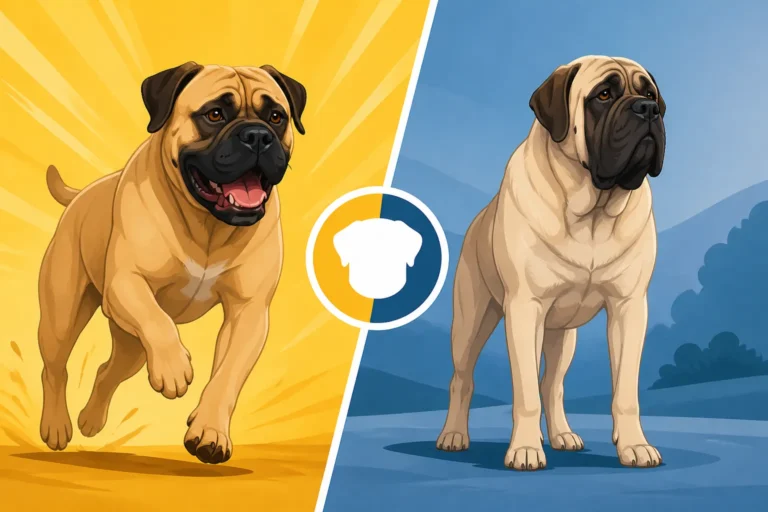
Even among other guard breeds, the Bullmastiff stands out. While a Rottweiler might be more overtly assertive in its protection, the Bullmastiff often adopts a more watchful and physically imposing stance, preferring to block or hold rather than engaging in aggressive biting. This characteristic, directly inherited from its gamekeeper origins, emphasizes control and deterrence over raw aggression. This nuance is crucial for understanding the Bullmastiff's working temperament and why it was so valued in its original role. For more on how they compare to other powerful breeds, check out The Bullmastiff Against the Mastiff.
| Trait / Breed | Bullmastiff | German Shepherd | Siberian Husky |
|---|---|---|---|
| Original Job | Gamekeeper's night dog (apprehension, guarding) | Herding, police, military, general service | Sled pulling, endurance |
| Primary Working Style | Silent apprehension, holding, watchful guarding | Versatile, highly trainable, active problem-solving | Endurance, teamwork, strong prey drive |
| Key Physical Trait | Muscular, powerful build, low center of gravity | Agile, strong frame, athletic | Medium build, dense double coat, endurance-oriented |
| Key Temperament Trait | Courageous, discerning, steadfast, loyal, calm until provoked | Intelligent, alert, confident, eager to please | Independent, resilient, energetic, friendly |
| Exercise Needs | Moderate, bursts of activity, mental stimulation | High, needs consistent training and vigorous exercise | Very high, needs extensive daily exercise |
| Barking Tendency | Low (bred for silence) | Moderate to High (alert barking) | Low (tendency to howl) |
The Enduring Spirit of a Worker
Ultimately, the Bullmastiff's designation as a working dog is a tribute to its profound history and the enduring traits bred into it. It's a recognition of a breed that was purposefully crafted for a serious, demanding job, a job that required a unique blend of physical strength, mental discernment, and unwavering courage. Even today, though their daily duties have evolved, the spirit of the gamekeeper's night dog lives on in every Bullmastiff, ready to guard, protect, and stand as a steadfast companion to their beloved families. Ensuring they have a balanced diet to support this working heritage, perhaps with specialized large-breed formulas from trusted vendors like Chewy, is important for their long-term health.
Disclaimer
This article is for general informational purposes only and does not constitute professional advice. Laws, prices and regulations vary by location and change over time. Consult a qualified professional for guidance on your specific situation.