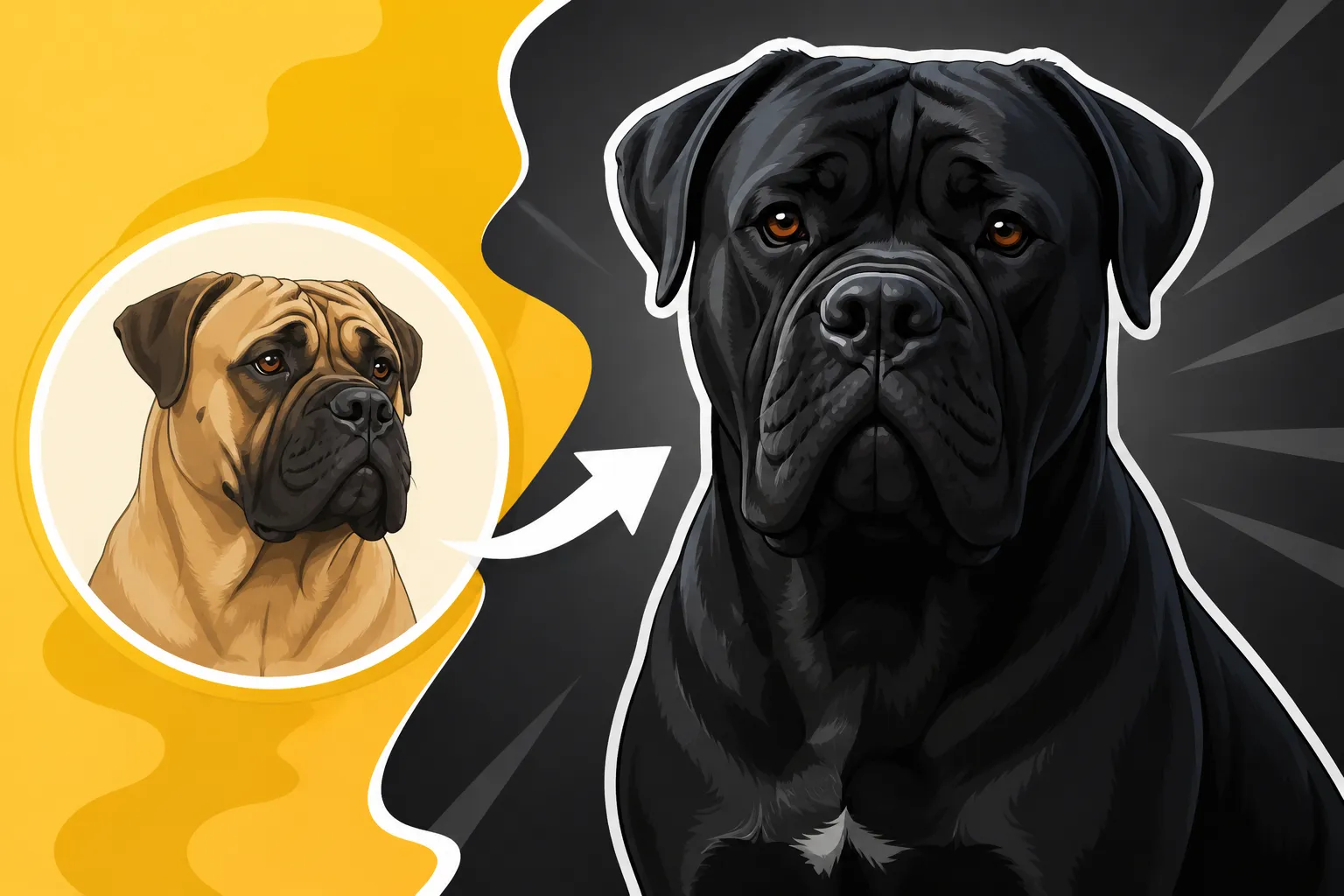
Whether a Bullmastiff Can Be Black
It’s a common sight to see people pausing, scratching their heads, and asking, "Can Bullmastiffs really be black?" The sheer power and presence of a Bullmastiff naturally lead many to picture them in any bold color, and black often comes to mind. But the truth about a Bullmastiff's coat color is actually quite specific, and it's a detail that often surprises new owners and those unfamiliar with the breed. This guide will dive deep into the accepted Bullmastiff colors, explain why you won't find a purebred black Bullmastiff, and help you understand the nuances of this magnificent breed's appearance.
Deciphering the Bullmastiff's Coat Colors According to the Standard
When you envision a Bullmastiff, what color comes to mind? For many, it's that striking fawn, a rich red, or perhaps a captivating brindle. These aren't just arbitrary preferences; they are the bedrock of the breed's official standard, carefully upheld by kennel clubs around the world. Understanding these accepted colors is crucial for appreciating the Bullmastiff's unique heritage and confirming what a true purebred looks like.
The Three Accepted Shades: Fawn, Red, and Brindle
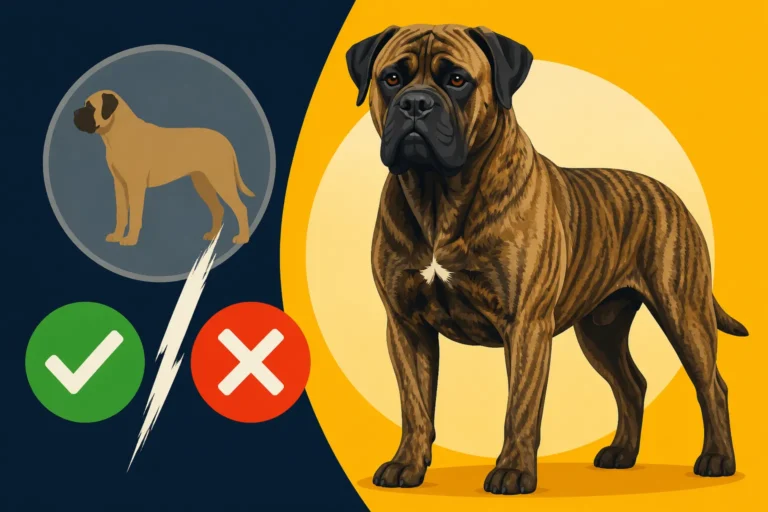
The world of purebred Bullmastiffs officially recognizes only three primary body colors: fawn, red, and brindle. Each of these colors has its own range of shades and characteristics, making every Bullmastiff a unique individual, yet firmly within the breed's established palette. You can read more about them in Fawn, Red or Brindle: the Only Colors a Bullmastiff Comes In.
- Fawn: This color can range from a very pale, sandy beige to a deeper, richer golden tone. Imagine the color of a lion's mane, or perhaps a sun-drenched beach – that’s the spectrum of fawn you might see. The fawn Bullmastiff often has a subtle luminescence to its coat, especially in natural light. It's a classic color that truly highlights the breed's powerful musculature and imposing silhouette. Many fawn Bullmastiffs also have a lovely depth to their color that can sometimes be mistaken for something darker in certain lighting, but upon closer inspection, it remains undeniably fawn.
- Red: A red Bullmastiff stands out with its warm, russet hues, often compared to the rich color of mahogany or dried blood. This isn't a bright, fiery red, but rather a deep, soulful tone that exudes warmth and strength. The intensity of red can vary, from a lighter reddish-fawn to a very dark, almost brownish-red. These dogs often have a very commanding presence, their deep coats complementing their serious expressions. The red color, like fawn, is a solid, consistent color across the body, offering no stripes or patterns.
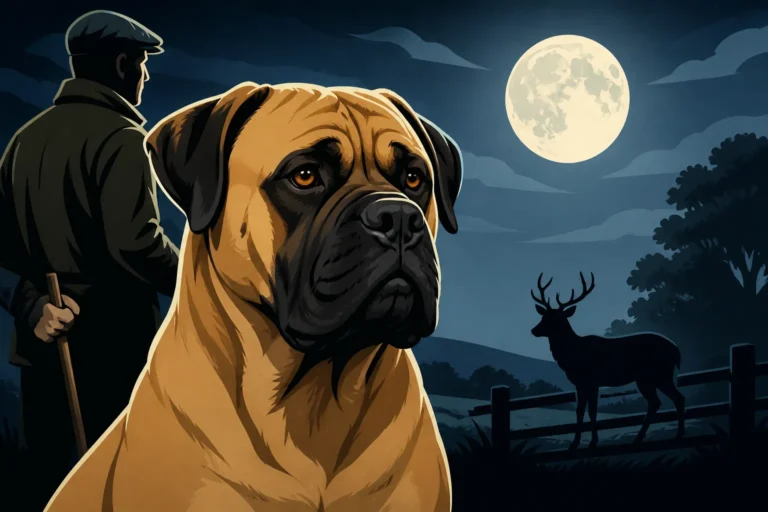
- Brindle: Brindle is perhaps the most visually intricate of the accepted Bullmastiff colors. It features a pattern of stripes, usually black or very dark, overlaid on a fawn or red base coat. Think of tiger stripes, but often more subtle and flowing. The stripes can be dense and heavy, creating a darker overall appearance, or lighter and sparser, allowing more of the base color to show through. A well-defined brindle pattern is truly stunning, adding an extra layer of visual interest to the Bullmastiff's powerful frame. Historically, Why Dark Brindle Hid a Bullmastiff at Night was a practical consideration for these dogs when working as gamekeepers' companions in Victorian England. The contrast of the dark stripes against the lighter background makes each brindle Bullmastiff's coat unique.
The Importance of Breed Standards in Defining Appearance
Breed standards are the blueprint for purebred dogs. They are detailed documents created by parent clubs (like the American Bullmastiff Association or The Bullmastiff Club in the UK) and recognized by major kennel clubs (like the AKC or the Kennel Club). These standards describe the ideal characteristics of a breed, covering everything from temperament and movement to, yes, precise details about coat color and markings.
For Bullmastiffs, these standards clearly delineate that fawn, red, and brindle are the only acceptable body colors. Any other color, such as solid black, blue, or chocolate, is considered a disqualifying fault in the show ring. This isn't just about aesthetics; it's about preserving the breed's heritage, ensuring genetic consistency, and maintaining the traits that define a Bullmastiff. Breeders who prioritize the health and integrity of the breed always strive to produce dogs that adhere closely to this standard. What Purity Meant for the Bullmastiff in 1924 speaks to the historical significance of these standards. If you're considering a Bullmastiff puppy, a reputable breeder will be transparent about their dogs' pedigrees and color genetics, ensuring they meet these established norms. Products from trusted retailers like Chewy often cater specifically to breed standards, offering items that enhance the natural beauty and health of these dogs, regardless of their fawn, red, or brindle coats.
Why You Won't Find a True Black Bullmastiff
The idea of a black Bullmastiff often stems from a natural assumption: big, powerful dog, why not black? But when it comes to purebred Bullmastiffs, a solid black coat simply isn't in their genetic cards. It’s not just an aesthetic preference in the breed standard; it’s a genetic reality for the breed.
The Genetics Behind Bullmastiff Coat Color
The coat colors in dogs are determined by a complex interplay of various genes. Without getting bogged down in intricate genetic charts, the simplest explanation for Bullmastiffs is that they lack the specific genes required to express a solid black body coat. Their genetic makeup is predisposed to produce only fawn, red, or brindle coats. Even if a Bullmastiff puppy inherited a gene that could potentially lead to black in another breed, its Bullmastiff genetic profile would override it for the body color.
The ancestral breeds that formed the Bullmastiff – primarily the Mastiff and the Old English Bulldog – also didn't typically carry the genes for solid black body coats. The Bullmastiff was carefully developed for specific traits, and its color was very much a part of that blueprint. Breeders back then were looking for specific colors to help their dogs blend into the night, or be easily identifiable, but never a solid black. This genetic inheritance has remained steadfast through generations of careful breeding.
Misconceptions and Visual Tricks: The Black Mask and Shadows
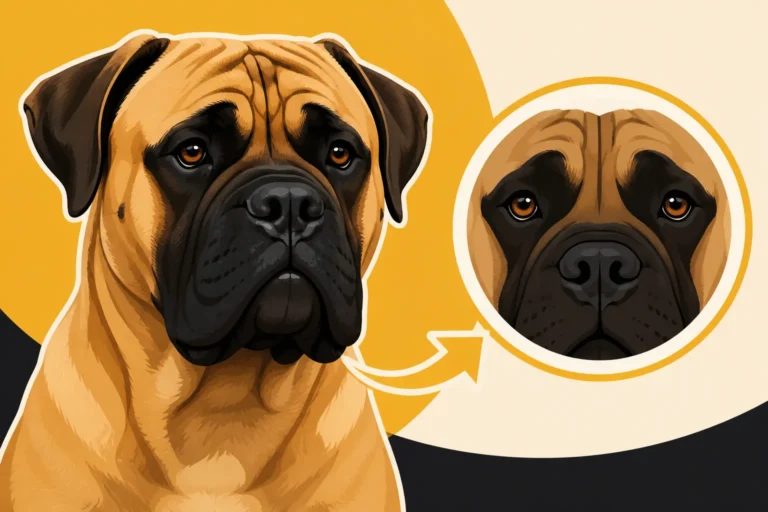
So, if there are no true black Bullmastiffs, why do people sometimes think they’ve seen one? The most common reason is the breed's signature feature: the black mask. Every Bullmastiff, regardless of its body color, is required to have a black mask that darkens the muzzle and often extends around the eyes and up the forehead. The Black Mask Every Bullmastiff Must Have is a defining characteristic.
In certain lighting conditions, especially dim light or shadows, a very dark brindle Bullmastiff or even a deep red fawn with a pronounced mask can appear almost entirely black to the casual observer. The strong contrast between the dark mask and the body, combined with the dog's sheer size and powerful silhouette, can create an illusion that tricks the eye. Sometimes, deep, heavy brindle stripes can be so close together that they make the coat look uniformly dark. It's like looking at a densely forested hillside from a distance – it might look like a solid dark mass, but up close you see the individual trees and varied foliage. People might also confuse the shadows created by their deep wrinkles and folds as darker areas, adding to the black illusion.
The Defining Feature: The Bullmastiff's Iconic Black Mask
While the body of a Bullmastiff will never be black, there is one part of their anatomy that absolutely must be: their mask! The black mask is arguably one of the most distinctive and beloved features of the Bullmastiff breed. It’s not just a splash of color; it’s a hallmark that ties back to their history and adds immense character to their noble expressions.
What Constitutes a Correct Black Mask
The breed standard is very clear about the black mask, describing it with specificity. Ideally, the mask should be intense black and cover the muzzle, extending upwards to the eyes, and ideally framing them, creating a serious, intelligent, and often watchful expression. It should blend into the lighter body color gradually rather than having a harsh, abrupt line.
Think of it like a carefully applied cosmetic contour: it enhances the features, defining the strong jawline and giving depth to their gaze. A faded or incomplete mask is considered a fault in the show ring. Sometimes, a Bullmastiff might have a mask that's lighter or less extensive, but the ideal is that deep, rich black that truly stands out against their fawn, red, or brindle coats. This striking feature gives the Bullmastiff its distinctive "gentle giant" look, often making them appear both formidable and thoughtful at the same time. The quality and intensity of the mask are often points of discussion among breeders and enthusiasts.
More Than Just a Mask: Its Historical and Functional Significance
The black mask is far more than just a cosmetic detail; it holds historical and functional significance for the Bullmastiff. When these dogs were first developed by gamekeepers in England during the 19th century, they were known as "the Gamekeeper's Night Dog." Their primary role was to track and hold poachers silently and effectively in the darkness of the vast estates.
A prominent black mask, particularly in combination with a dark brindle coat, would have provided a natural camouflage in the low light conditions under which they worked. It would have helped them blend into the shadows of the night, making it harder for poachers to spot them. The mask also gives them a more formidable and serious appearance, which could have been an advantage in deterring intruders. Furthermore, the dark pigmentation around the eyes may have offered some protection from glare or injury in dense undergrowth. It’s a physical trait that echoes the very purpose for which The Bullmastiff Was Built to Catch Poachers in the Dark. The mask is a living testament to the breed's origins as a silent, formidable guardian, a tradition that continues to shape its identity today.
Common Canine Look-Alikes That Do Come in Black
It’s completely understandable why someone might mistake another breed for a black Bullmastiff. Many large, powerful breeds share a similar general "mastiff-type" appearance, and some of these do come in black. It’s easy to get them mixed up, especially if you’re not deeply familiar with the subtle (and sometimes not-so-subtle) distinctions between them.
Distinguishing Bullmastiffs from Other Mastiff-Type Breeds
There are several magnificent breeds that might be confused with a Bullmastiff, and many of them proudly wear a black coat. Let's look at a few common examples:
- Cane Corso: The Cane Corso is a popular Italian mastiff-type breed that is often mistaken for a Bullmastiff, and indeed, black is a perfectly acceptable and common color for them. While both are powerful and protective, the Cane Corso generally has a more athletic, leaner build, often with a longer muzzle and a different head shape. Their ears are frequently cropped, giving them a very distinct look, whereas Bullmastiff ears are natural and rose-shaped. How a Bullmastiff Differs From a Cane Corso delves deeper into these distinctions. If you see a solid black, imposing dog with an athletic frame, it's far more likely to be a Cane Corso than a purebred Bullmastiff.
- Rottweiler: Though perhaps less frequently confused due to their distinct markings, a large, well-muscled Rottweiler could, at a glance, be mistaken for a smaller black mastiff-type dog. Rottweilers are always black with specific rust-colored markings, never solid black, but their overall powerful build and confident demeanor can lead to brief confusion. Their head shape is also notably different from a Bullmastiff's.
- Doberman Pinscher: While much more slender and lighter-boned than a Bullmastiff, some Dobermans are black and tan, and their sleek, powerful appearance can sometimes lead people to broadly categorize them as similar "guard dogs." However, their elegant, streamlined physique is quite different from the Bullmastiff's blocky, massive frame.
- American Staffordshire Terrier / Pit Bull Type Dogs: Certain larger "pit bull" types, particularly those with a heavier build, can sometimes be solid black. While they are significantly smaller than a Bullmastiff, their muscularity and strong head shape can cause a moment of confusion for someone quickly passing by.
The key to distinguishing these breeds often lies in the head shape, muzzle length, ear set, and overall body proportion. Bullmastiffs are known for their broad, square heads and relatively short, broad muzzles (though not as short as a Bulldog's). If you're looking at a dog that's truly solid black, it's a good bet it's one of these other formidable breeds, not a purebred Bullmastiff.
When a Bullmastiff Mix Might Appear Black
Here's where the "black Bullmastiff" question gets a bit more nuanced: a Bullmastiff mix absolutely can be black. If a Bullmastiff is bred with another breed that carries the genes for black coloration (like a Black Labrador Retriever, a Rottweiler, or a Cane Corso), their offspring could very well inherit a black coat.
This is a really important distinction for prospective owners. If you encounter a dog that looks like it has Bullmastiff characteristics but is black, it's almost certainly a mixed breed. There's nothing inherently wrong with a mixed breed dog – they can be wonderful companions! However, it's crucial to understand that if the dog is black, it's not a purebred Bullmastiff, and therefore its temperament, health predispositions, and lifespan might also differ significantly from that of a purebred. Which Crosses Are Sold as Bullmastiff Mixes and Whether a Bullmastiff Cross Keeps the Short Lifespan explore these variations in more detail.
For instance, a Bullmastiff-Labrador mix might have the size and some guarding instincts of the Bullmastiff, but the black coat and perhaps the higher energy levels of the Lab. A Bullmastiff-Cane Corso mix would likely be a very large, powerful dog that could indeed be black, embodying traits from both impressive mastiff types. When considering a dog, always ask about its lineage if you're looking for a purebred. If a "breeder" is offering "black Bullmastiff puppies," that's a huge red flag that they are either misrepresenting their dogs or breeding mixes and passing them off as purebreds, which is not the mark of a responsible, ethical breeder.
The Implications of Non-Standard Colors for Owners and Breeders
While a dog's coat color might seem like a superficial trait, for purebred dogs, it's deeply tied to breed integrity, health, and ethical breeding practices. Discovering that a Bullmastiff cannot be black has significant implications, especially for those involved in showing, breeding, or simply seeking a healthy, well-bred companion.
Showing, Breeding, and Registry Status
For anyone interested in showing their Bullmastiff in conformation events (dog shows where dogs are judged against the breed standard), a non-standard color like solid black would be an immediate disqualification. The judges are looking for dogs that perfectly embody the standard in every way, and color is a fundamental component. This means a black Bullmastiff, even if otherwise perfectly conformed, would never earn championship titles or participate successfully in the show ring.
From a breeding perspective, breeding dogs that produce off-standard colors is highly discouraged by responsible breed clubs. Reputable Bullmastiff breeders meticulously study pedigrees, genetic lines, and breed for health, temperament, and adherence to the standard. Producing a black Bullmastiff would indicate either an unknown mixed ancestry (if presented as purebred) or a severe deviation from the breed's genetic norm. Ethical breeders would never intentionally breed for or promote such a trait, as it goes against the very definition of the breed. They'd also have extensive health clearances available for their breeding stock, proving their commitment to the breed's wellbeing. What a Bullmastiff Breeder Should Have Screened for goes into important details on this. Dogs registered with major kennel clubs like the AKC or the Kennel Club must meet the breed standard, and non-standard colors are typically noted as disqualifying faults on registration, making them unsuitable for purebred breeding programs.
Health Considerations and the Importance of Reputable Breeding
It's important to clarify that, in the case of Bullmastiffs, the absence of a black coat gene isn't directly linked to a specific health problem caused by the color itself. Unlike some breeds where certain non-standard colors (like merle in breeds not traditionally merle) can be associated with health issues, a black coat in a Bullmastiff isn't necessarily indicative of a health flaw per se.
However, the fact that a "black Bullmastiff" is not a purebred Bullmastiff does raise significant concerns about health and responsible breeding. If someone is advertising "rare black Bullmastiffs," it’s a major red flag that you are not dealing with a reputable breeder. Such individuals are often more interested in making a quick sale by marketing a "unique" color than they are in the health, temperament, and genetic integrity of their dogs.
A truly ethical Bullmastiff breeder will prioritize:
- Health Clearances: They will perform extensive health testing on their breeding stock for conditions common in the breed, such as hip and elbow dysplasia, cardiac issues (like subaortic stenosis), and eye problems. They'll readily share these results from organizations like the Orthopedic Foundation for Animals (OFA) or the British Veterinary Association (BVA). Finding a Bullmastiff Breeder Who Screens Hearts is crucial.
- Temperament: Bullmastiffs are known for their loyal, calm, and protective nature. Responsible breeders breed for these stable temperaments.
- Adherence to Standard: They breed dogs that fit the physical description and genetic profile of the Bullmastiff, including the correct fawn, red, or brindle coat colors and the essential black mask.
A breeder selling black Bullmastiffs is likely cutting corners, either by breeding mixes and mislabeling them, or by breeding purebreds with significant deviations from the standard. This often means they are not conducting proper health screenings, not carefully considering temperament, and are generally contributing to the proliferation of unhealthy or uncharacteristic dogs. For the long-term health and happiness of your potential companion, always seek out a breeder who demonstrates a deep commitment to the breed's standards and well-being, irrespective of perceived "rarity" in coat color. Reputable suppliers like Chewy offer resources and products that support the care of all Bullmastiffs, regardless of specific color, but always encourage sourcing from responsible breeders.
Bullmastiff Coat Color Quick Reference
This table provides a concise overview of acceptable Bullmastiff colors and common traits versus what's not accepted.
| Feature | Accepted Bullmastiff Traits | Not Accepted Bullmastiff Traits | Common Look-Alike Breeds That Are Black |
|---|---|---|---|
| Body Color | Fawn (light to dark), Red (russet to mahogany), Brindle (black stripes on fawn/red) | Solid Black, Blue, Chocolate, White, Pied | Cane Corso, Rottweiler, Doberman Pinscher |
| Mask | Essential, intense black, covers muzzle, extends to eyes | Faded mask, absent mask, reverse mask | (Masks vary by breed) |
| Nose | Black | Any other color | (Varies by breed) |
| Eyes | Dark brown, hazel | Light eyes (blue, yellow) | (Varies by breed) |
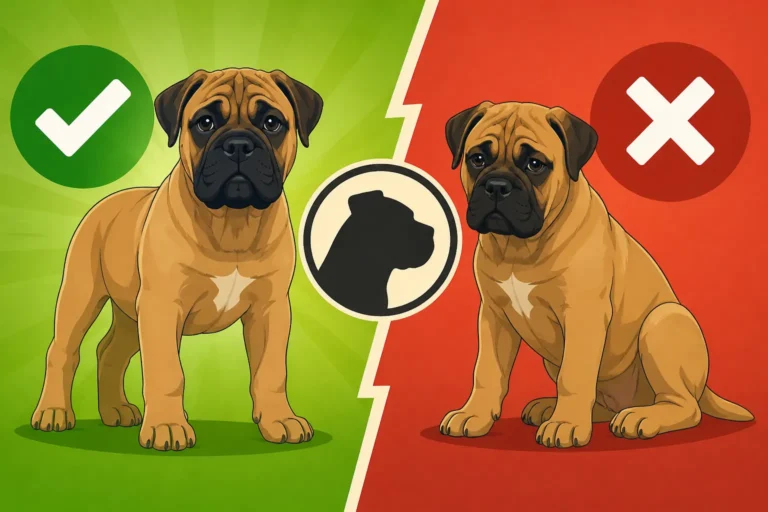
| Overall Build | Powerful, symmetrical, massive, slightly longer than tall | Too tall/short, overly leggy, excessively heavy/light | Cane Corso (more athletic), Rottweiler (smaller) |
| Show Eligibility | Eligible if meeting all standard requirements | Disqualified if non-standard color | N/A (based on their own breed standard) |
Disclaimer
This article is for general informational purposes only and does not constitute professional advice. Laws, prices and regulations vary by location and change over time. Consult a qualified professional for guidance on your specific situation.