How a Bullmastiff Was Sent After a Poacher
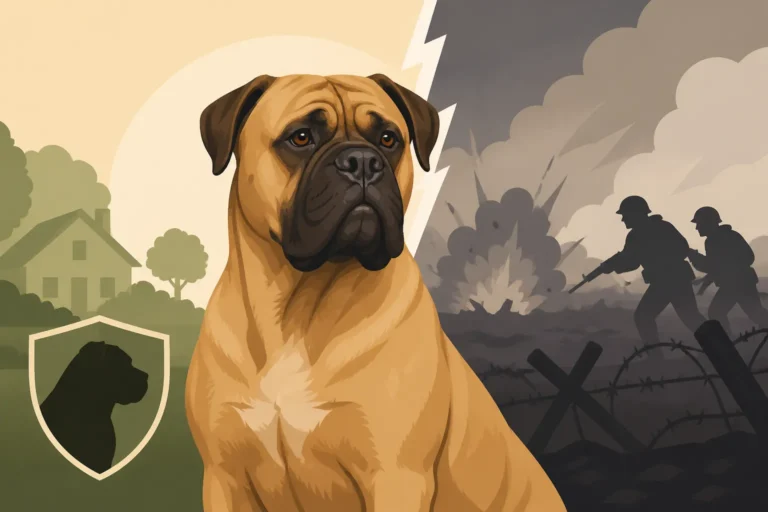
Have you ever looked at your majestic Bullmastiff, snoozing peacefully on the couch, and wondered about the incredible, often dangerous, history embedded in their very DNA? These gentle giants weren't always just family pets; they were once the silent, formidable guardians of vast English estates, tasked with a singular, perilous duty: catching poachers. Understanding how these dogs were deployed against intruders reveals not just their historical purpose but also sheds light on many of their behaviors we still see today.
Understanding the Gamekeeper's Predicament
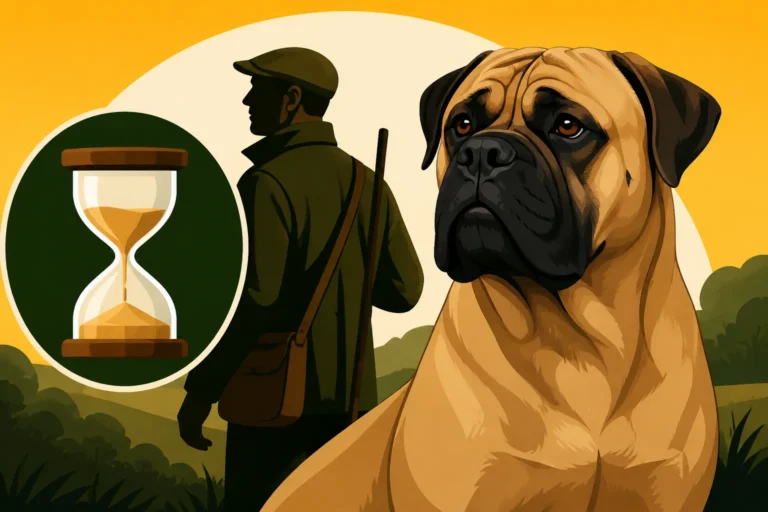
Imagine living in rural England during the 19th century, responsible for acres of game-rich land. Your livelihood, your employer's wealth, and even your family's safety depended on protecting that land from those who would steal its bounty. This wasn't a simple task; it was a constant battle of wits and courage, and the gamekeepers of the era needed more than just a keen eye and a strong arm. They needed a loyal, powerful partner that could operate under the shroud of night.
The Threat of Poaching in Victorian England
Poaching wasn't just a minor nuisance; it was a serious and often violent crime, especially in Victorian England. Large estates relied on game like deer, pheasants, and rabbits, not just for sport but as a valuable commodity. For the impoverished rural population, however, poaching offered a desperate means of putting food on the table or making a quick shilling. This clash of interests often led to dangerous confrontations between poachers and gamekeepers. Poachers were often well-organized, desperate, and sometimes armed, making their apprehension a high-stakes affair. As explored in What Poaching Meant on a Victorian Estate, the stakes were incredibly high, both for the poacher facing severe punishment and the gamekeeper facing potential injury or worse.
The gamekeepers themselves were under immense pressure. They were expected to patrol their territory, often alone, through dense woods and open fields, in all weather conditions, particularly at night. The human eye and ear could only do so much. The silent, swift approach of a poacher could easily go undetected until it was too late. This created an urgent need for a canine partner that could not only detect an intruder but also confront and hold them without causing undue harm, as excessive violence could lead to legal troubles for the gamekeeper himself.
The Need for a Specialized Dog
No existing dog breed perfectly fit the unique and demanding requirements of the gamekeeper. Traditional Mastiffs were certainly powerful and intimidating, but they were often too slow and lumbering for the quick pursuit needed to surprise and catch a swift human intruder. A large dog that couldn't cover ground efficiently meant the poacher could simply slip away into the darkness. Their sheer size, while imposing, didn't equate to the necessary agility for a nighttime chase through varied terrain. You can read more about this in Why a Mastiff Alone Was Too Slow for the Job.
On the other end of the spectrum, Bulldogs of the era (which were quite different from the contemporary version) possessed incredible tenacity and a strong grip, but they lacked the sheer size and commanding presence needed to deter or hold a grown man effectively. They were too small to be truly formidable against a determined poacher who might outmuscle them. The Bulldog's courage was undeniable, but its physical stature was a limiting factor in this particular line of work. This gap in capabilities highlighted the urgent need for a new type of dog, one that combined the best traits of both. As such, the idea of combining the Mastiff's bulk and guarding instinct with the Bulldog's agility and fearlessness began to take root, creating a powerful synergy. Why a Bulldog Alone Was Too Small for the Job further delves into this specific limitation.
The Bullmastiff's Unique Training and Tactics
The Bullmastiff was not just a crossbreed; it was a carefully developed working dog, selectively bred and rigorously trained for a very specific purpose. The methods employed by gamekeepers were innovative and effective, reflecting a deep understanding of canine behavior and the practical necessities of their dangerous profession.
The "Silent Night Dog" Philosophy
One of the most defining characteristics of the early Bullmastiff was its ability to work in near silence. This wasn't just a preference; it was a critical tactical advantage. A barking dog would alert poachers to the gamekeeper's presence long before they were close enough to act, defeating the element of surprise. The early Bullmastiff was therefore bred and trained to track and approach an intruder stealthily, often without uttering a sound until the moment of interception. Their dark brindle coats, which were once highly favored, helped them blend into the shadows of the night, making them almost invisible until they were right upon their target.
This emphasis on silence meant that gamekeepers had to rely on visual cues, hand signals, and the dog's innate ability to understand its mission. The trust between handler and dog was paramount. The Bullmastiff had to be able to operate with a degree of independence, yet remain completely responsive to its handler's subtle direction. This quiet competence is a foundational aspect of the breed, as explored in Why a Night Working Dog Was Bred Not to Bark. Even today, modern Bullmastiffs are known for being relatively quiet dogs, rarely barking without a clear reason, a direct echo of this ancestral training.
The "Hold, Don't Harm" Command
Perhaps the most remarkable aspect of the Bullmastiff's original training was the "hold, don't harm" principle. Unlike some guard dogs bred to attack or maim, the Bullmastiff's purpose was to subdue a poacher and hold them in place until the gamekeeper arrived. This often involved knocking the intruder to the ground and then standing or leaning over them, preventing escape without inflicting serious injury. The dog's massive weight and imposing presence were usually enough to immobilize a person. The goal was to secure an arrest, not to cause grievous bodily harm, which could lead to legal complications for the gamekeeper.
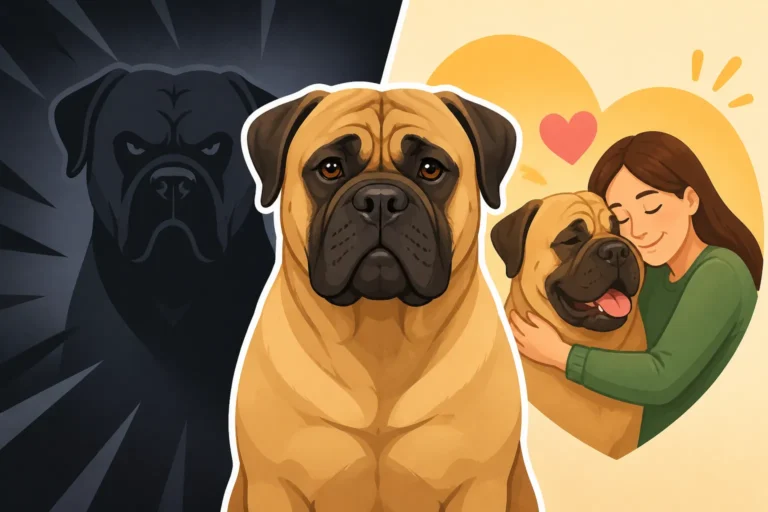
This meant the dogs had to possess immense self-control and discernment. They needed to be aggressive enough to tackle a potentially resistant adult, but disciplined enough to avoid biting or mauling. This refined aggression, coupled with an underlying gentleness, is a hallmark of the breed's temperament even today. Why a Bullmastiff Was Not Bred to Maul delves deeper into this fascinating aspect of their history, showcasing the incredible balance these dogs were trained to maintain. The ability to switch from intense focus to controlled restraint truly set the Bullmastiff apart.
The Gamekeeper's Cues and Control
Training these powerful dogs for such a nuanced role required incredible skill and consistency from the gamekeepers. They couldn't use loud commands that would betray their position. Instead, they relied on a system of quiet vocal cues, hand signals, and even subtle body language to direct their Bullmastiffs. The dog needed to be acutely attuned to its handler, understanding when to track, when to intercept, and when to maintain a hold.
This bond of trust and precise communication was forged through countless hours of training, often involving simulated poaching scenarios. While it's a common misconception that early Bullmastiffs were trained on live men, the reality was more sophisticated. They were trained to recognize the scent and movements of intruders and to react decisively but controllably. These training sessions would likely involve a trusted assistant playing the role of a poacher, allowing the dog to practice its crucial role without actual danger. The depth of this training highlights why a Bullmastiff's intellect and biddability, despite their independent streak, were so critical to their success.
The Chase and the Confrontation
The moment of deployment was critical, a well-orchestrated sequence of events where the Bullmastiff's instincts and training came together to fulfill its unique purpose. It wasn't just a random chase; it was a strategic pursuit designed for maximum effectiveness and minimal collateral damage.
Tracking the Intruder
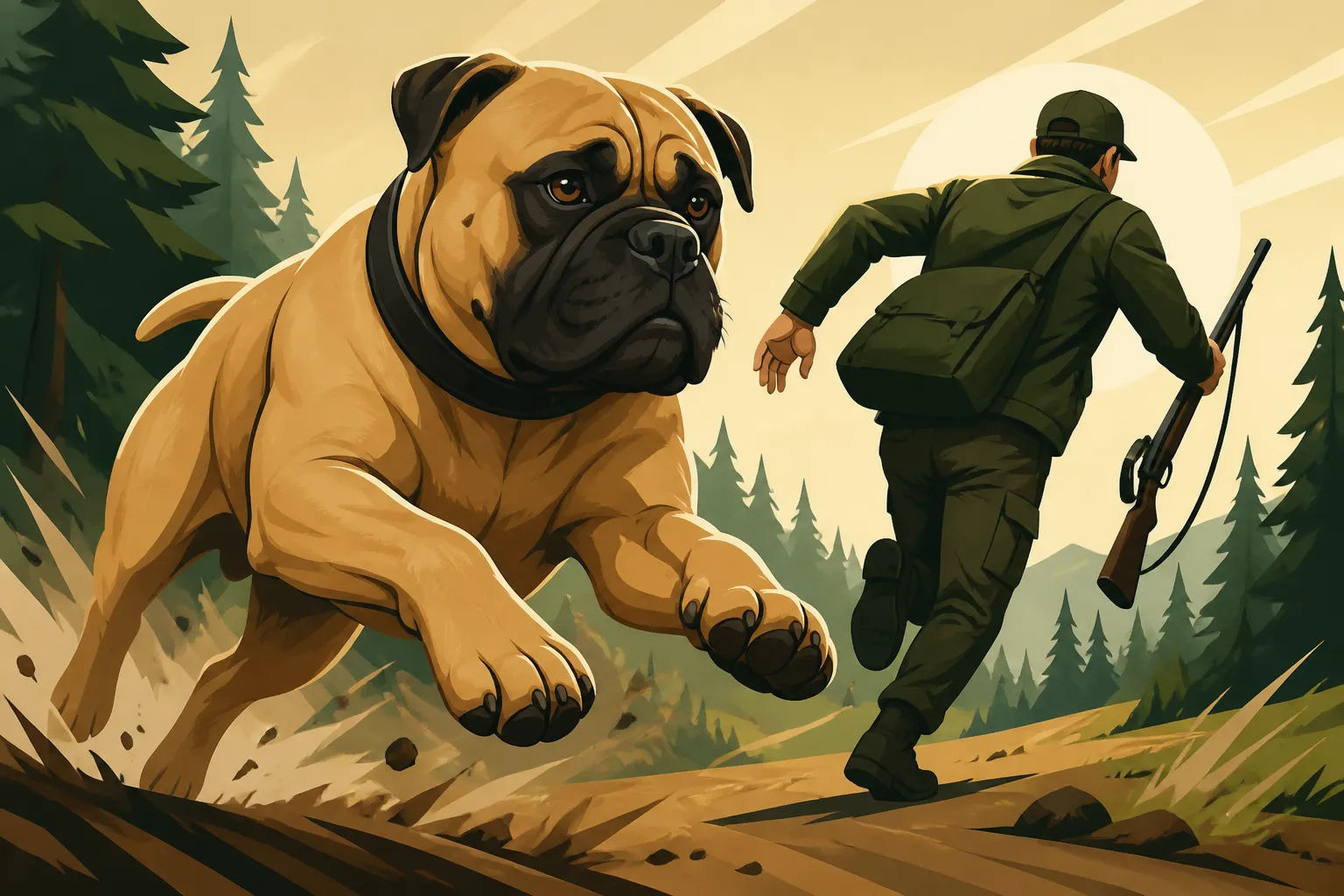
The process would often begin with the gamekeeper and his Bullmastiff patrolling the estate. The dog, with its keen sense of smell and hearing, would be the first to detect an anomaly – a fresh human scent where there shouldn't be one, a rustle in the undergrowth, or an unusual sound. Once the dog indicated a track, the gamekeeper would give a quiet command, unleashing the Bullmastiff to follow the scent trail. This initial phase relied heavily on the dog's natural abilities as a tracker, guided by its handler's discreet instructions.
The Bullmastiff, often working off-leash in the darkness, would silently pursue the poacher. Their powerful build, while appearing heavy, was surprisingly agile for short, explosive bursts of speed. They were bred for endurance over moderate distances but primarily for quick accelerations to close the gap on a fleeing human. This combination of tracking prowess and burst speed made them incredibly effective in ambushing and catching intruders who believed they were safe in the anonymity of the night. This capacity for swift movement was key to their effectiveness, illustrating How Fast a Bullmastiff Had to Cover Ground.
The Interception and Hold
Once the Bullmastiff caught up to the poacher, the critical interception would occur. This wasn't a brutal attack but a decisive move to incapacitate. The dog would often body-block or charge the individual, knocking them off balance and to the ground. Then, using its immense body weight, the Bullmastiff would pin the poacher down, often by standing over them or pressing them to the ground, effectively preventing escape. This was the famous "hold" that defined their work.
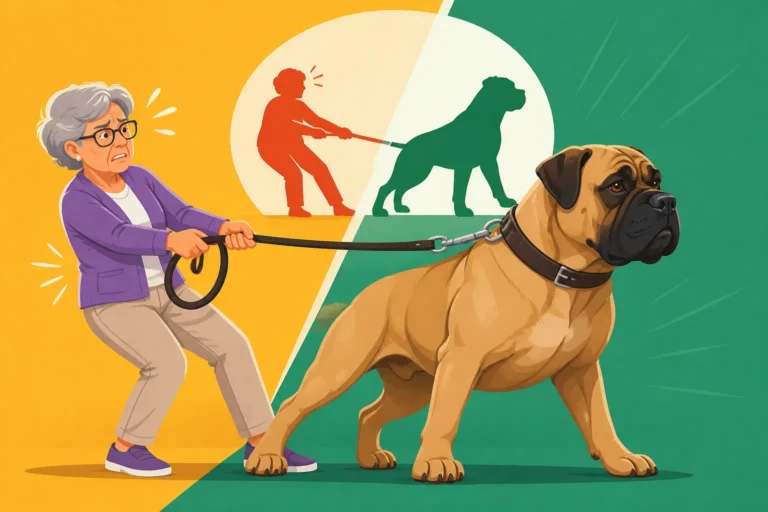
This hold was firm, undeniable, but rarely involved biting unless the poacher actively resisted or tried to harm the dog. The goal was containment, not injury. Imagine a hundred-plus-pound dog leaning into you, using its sheer mass to keep you in place. It’s an incredibly effective, non-lethal method of apprehension. This is an instinct that can still be seen in some modern Bullmastiffs when they lean into their owners or guests, a gentle echo of their past. How a Bullmastiff Body Blocks a Stranger explains this characteristic behavior, which today is endearing but was once a crucial part of their job description. Even with products like premium dog food from Chewy, a Bullmastiff's inherent nature to "hold" still shines through.
Awaiting the Gamekeeper
After the interception, the Bullmastiff's role was to maintain the hold, steadfast and vigilant, until the gamekeeper arrived. This required immense patience and focus. The dog couldn't get distracted or allow the poacher to escape. It stood guard, often silently, ensuring the captive remained secure. The gamekeeper, having unleashed his dog, would then follow the sounds of the struggle or the eventual silence, knowing his partner had done its job.
Once the gamekeeper appeared, he would take control of the situation, often securing the poacher with ropes or handcuffs, and then command the Bullmastiff to release. The dog's immediate compliance was vital, demonstrating its training and discipline. This sequence highlighted the collaborative nature of their work: the dog apprehended, and the human secured the arrest. This partnership was key to protecting the estates and maintaining law and order in the countryside.
The Legacy of a Working Dog
While the era of gamekeepers and poachers has largely faded into history, the legacy of the Bullmastiff as a "Gamekeeper's Night Dog" lives on, profoundly influencing the breed's temperament, appearance, and the way we interact with them today.
Transition from Field to Family
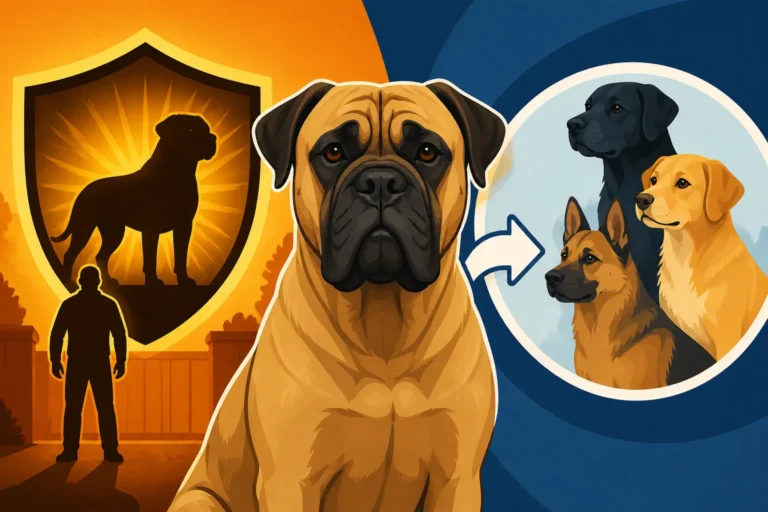
As the social and economic landscape of England changed, the specific need for dogs to apprehend poachers diminished. However, the impressive qualities of the Bullmastiff—their strength, loyalty, courage, and surprisingly gentle nature—did not go unnoticed. The breed transitioned from a working dog to a beloved companion animal, finding a new purpose guarding families and homes rather than vast estates. The very traits that made them formidable against poachers, such as their protective instincts and calm demeanor, made them excellent family dogs. They remain steadfast protectors, often positioning themselves between their loved ones and perceived threats, a true nod to their past. The Bullmastiff Was Built to Catch Poachers in the Dark is a great resource to understand their origins.
This shift didn't happen overnight, but through careful breeding and continued appreciation for their unique blend of power and placidity. Many of the characteristics that Bullmastiff owners cherish today, like their calm presence and watchful eye, are direct descendants of their original calling. The sheer physical presence alone, even when lounging with a favorite toy from Chewy, can be an incredible deterrent.
Modern Echoes of the Past
Even today, in a modern home environment, you can see glimpses of the Bullmastiff's past as a poacher catcher. Their protective instincts are strong, and they often take their role as family guardians very seriously. They are typically calm indoors but possess an explosive burst of energy if they perceive a threat. Their low bark rate is often cited as a positive trait for those living in suburban areas, a direct genetic inheritance from their "silent night dog" days. While we certainly don't train them to tackle intruders anymore, their inherent wariness of strangers and their powerful, controlled demeanor are constant reminders of their ancestral job.
The physical traits, too, speak volumes: the powerful, athletic build, the deep chest, and the imposing head all recall the dog that could run down and hold a man. Owners often describe them as "velcro dogs" who like to be close to their people, a bond that likely stemmed from the intense partnership required between gamekeeper and dog. Whether the Holding Instinct Survives in a Bullmastiff explores how these historical traits manifest in our modern companions. It's a testament to the meticulous breeding and training that established the breed's foundation. It also underscores why owners need to be aware of How Protective a Bullmastiff Is and manage their dog's interactions with strangers thoughtfully, ensuring appropriate socialization. You don't need to engage in protection training for your Bullmastiff; in fact, Why Protection Training Is Unnecessary for a Bullmastiff explains why it's generally ill-advised. Their natural instincts are usually more than enough.
Here’s a quick overview of how the Bullmastiff’s original purpose shaped the qualities we value today:
| Trait Developed for Poaching | Modern Bullmastiff Trait/Behavior | Benefit for Owners |
|---|---|---|
| Silent pursuit in darkness | Rarely barks, quiet indoors | Peaceful home environment, less nuisance barking |
| "Hold, don't harm" principle | Controlled aggression, gentle with family | Reliable protector without being overly aggressive |
| Quick bursts of speed, agility | Capable of short, powerful runs, but mostly calm indoors | Low exercise needs, good for moderate activity |
| Intense loyalty to handler | Strong bond with family, "velcro dog" behavior | Devoted companion, thrives on human companionship |
| Imposing physical presence | Naturally intimidating appearance | Natural deterrent, sense of security |
| Discernment in confrontation | Observant, evaluates situations | Intelligent, thoughtful responses to stimuli |
The story of how a Bullmastiff was sent after a poacher is a rich tapestry woven with history, canine evolution, and the deep bond between humans and their dogs. It reminds us that these magnificent creatures carry a powerful legacy, one that makes them truly unique in the canine world. When you buy food from Chewy or any other pet supply store, you're not just feeding a pet; you're nourishing a living piece of history.
Disclaimer
This article is for general informational purposes only and does not constitute professional advice. Laws, prices and regulations vary by location and change over time. Consult a qualified professional for guidance on your specific situation.