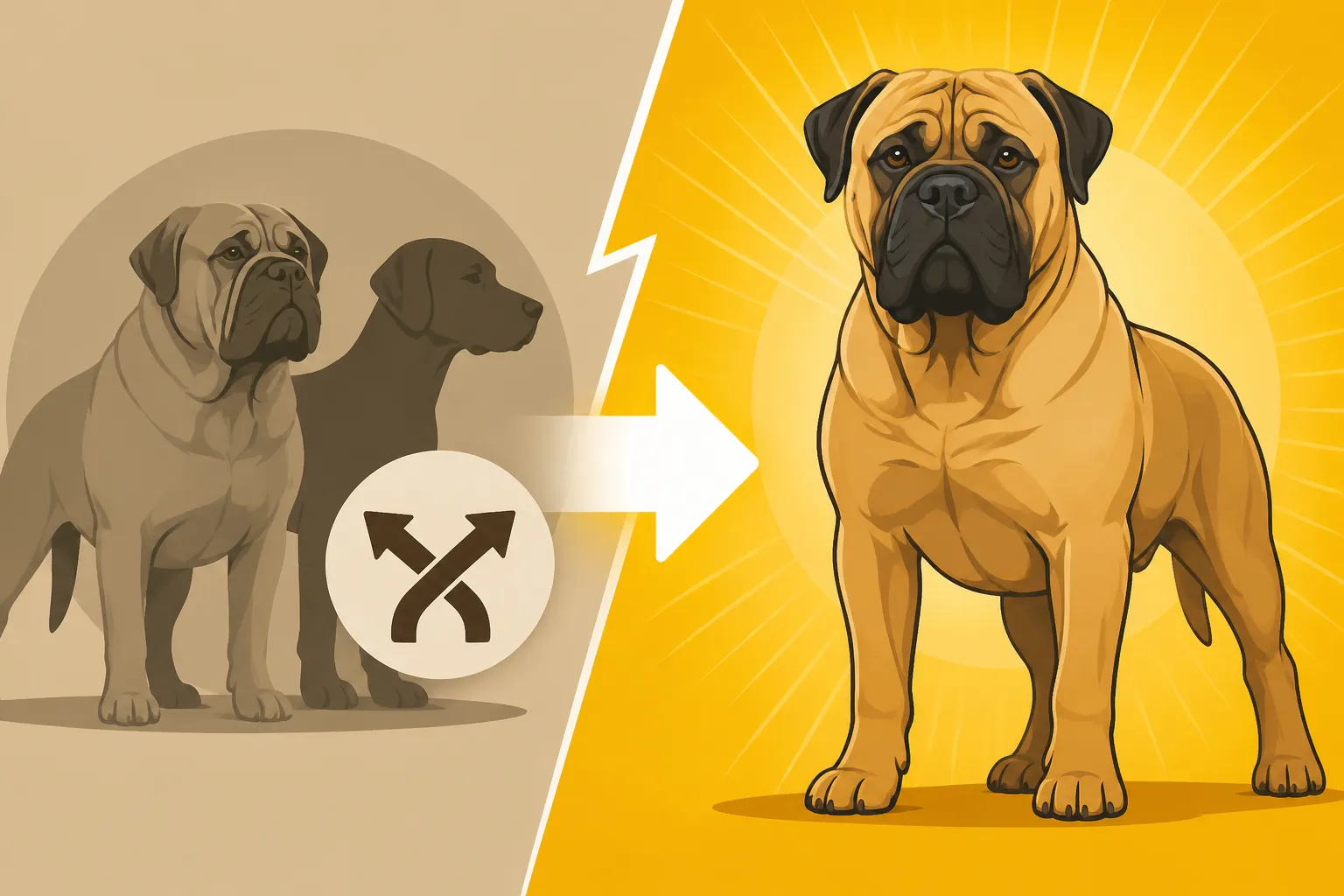
When the Bullmastiff Stopped Being a Crossbreed
It can be confusing when you delve into the history of certain dog breeds, especially those that started out as a working "type" before evolving into a formally recognized breed. Many potential Bullmastiff owners, or even those who already share their lives with one, might wonder about the breed's origins and when exactly it shed its "crossbreed" identity. This guide will take you through the fascinating journey of the Bullmastiff, from its humble beginnings as a gamekeeper's loyal assistant to its current status as a celebrated, distinct breed, explaining the pivotal moments that shaped its recognition.
The Genesis: From Working Dog to Definitive Type
The Bullmastiff's story isn't one of accidental mixing; it's a tale of deliberate design, born out of a very specific need in Victorian England. Estate gamekeepers faced a rampant poaching problem, and their existing dogs simply weren't cutting it. The Mastiff, while powerful and loyal, often lacked the speed and agility to track and catch a poacher. On the other hand, the Bulldog of the era, though tenacious, wasn't substantial enough to hold a grown man. What was needed was a blend of these two forces – a dog with the Mastiff's size and guarding instinct, combined with the Bulldog's fearlessness, agility, and powerful grip.
The Urgent Need for a Poacher Catcher
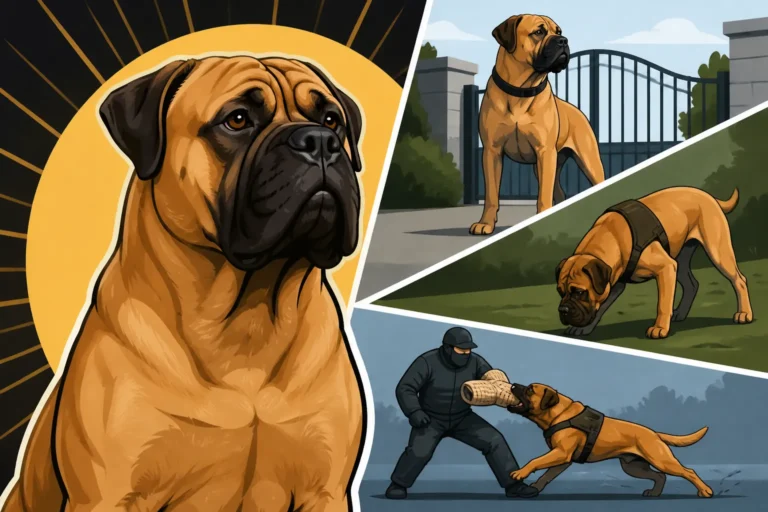
Imagine the sprawling estates of 19th-century England, dark and vulnerable to those looking to illegally hunt game. Gamekeepers were the frontline defense, and their dogs were their most critical tool. They needed a dog that could track silently, catch a running human, and hold them without mauling. A truly effective deterrent that minimized harm to both poacher and dog was key. The existing breeds each had strengths, but also glaring weaknesses for this highly specialized task. The old English Mastiff, majestic as it was, could be too slow and perhaps too inclined to use its immense power in a way that wasn't ideal for a "holding" role. The Bulldog of that period, a much more athletic and driven dog than its modern counterpart, possessed the drive but not the sheer mass required to physically subdue a person twice its weight. This specific, high-stakes demand set the stage for the Bullmastiff's creation. As a result, the early breeders weren't just creating a pet; they were engineering a tool. You can read more about this history in The Bullmastiff Was Built to Catch Poachers in the Dark.
The "Sixty-Forty" Formula Takes Shape
The solution that emerged was a precise cross: roughly 60% Mastiff and 40% Bulldog. This ratio wasn't arbitrary; it was the result of trial and error, a careful balance designed to achieve the perfect combination of traits. From the Mastiff, the nascent Bullmastiff gained its impressive size, imposing presence, and the calm, steady temperament crucial for a guard dog that needed to discriminate between threat and innocent. From the Bulldog, it inherited courage, athleticism, a broader muzzle for a powerful hold, and that unwavering determination to complete its task. The aim was to produce a dog that was fearless yet controlled, powerful yet agile, capable of tracking silently and subduing a man without excessive force. These dogs were bred for functionality above all else, and their initial appearance varied quite a bit as breeders focused on performance. Early breeding records were often informal, passed down between gamekeepers. The journey from a functional blend to a pedigreed breed involved many years of careful, selective breeding to stabilize these traits. It truly was a unique approach to dog breeding at the time, leading to a dog that was more than the sum of its parts. Learn more about its genetic makeup in The Bullmastiff Is Sixty Percent Mastiff and Forty Percent Bulldog.
Establishing a Consistent Breed Standard
Once the effectiveness of the Mastiff-Bulldog cross was undeniable, the next natural step was to formalize it. This meant moving beyond individual gamekeepers breeding for their own needs and towards a collective effort to establish a consistent "type." Breeders began to focus not just on the dog's working ability, but on standardizing its physical appearance and temperament so that progeny would be predictable. This wasn't an easy task; it required careful selection, meticulous record-keeping, and a shared vision among dedicated individuals.
Moving Beyond a "Type" to a Formal Breed
In the early years, a "Bullmastiff" wasn't a breed in the modern sense; it was a description of a working dog, a "gamekeeper's night dog" that performed a specific job. There wasn't a strict appearance standard, only a functional one. However, by the late 19th and early 20th centuries, a group of influential breeders recognized the need to solidify this type into a genuine breed. They understood that for the Bullmastiff to endure and gain widespread acceptance beyond the estates, it needed a consistent genetic blueprint. This meant defining acceptable colors, size ranges, head shapes, and temperamental characteristics. These pioneers began to cull dogs that didn't fit the emerging ideal, ensuring that only those truly representing the desired "Bullmastiff look" and temperament were bred. This careful selection was crucial in transforming a practical cross into a recognized pedigree.
The Quest for Official Recognition
The journey toward official Kennel Club recognition was a significant undertaking, fraught with challenges. To be recognized as a distinct breed, the Bullmastiff had to prove it was no longer merely a cross, but a stable entity that bred true, consistently producing offspring with predictable characteristics. This required a sufficient number of generations of carefully documented breeding, demonstrating that the "type" was now reliably inheritable. Breeders submitted detailed pedigrees and presented their dogs at early shows, meticulously cataloging their traits and lineage. They had to distinguish the Bullmastiff clearly from its parent breeds, showing it possessed unique qualities that set it apart. The breed club worked tirelessly, lobbying the Kennel Club, providing evidence of the Bullmastiff's distinctiveness, and advocating for its place among established breeds. This period saw intense dedication from breeders who believed fiercely in the future of their magnificent "Silent Guard."
The Moment of Official Recognition and Its Impact
The year 1924 stands as a monumental landmark in the Bullmastiff's history. It was the year the UK Kennel Club officially recognized the Bullmastiff as a distinct breed, a moment that fundamentally changed its trajectory forever. This wasn't just a formality; it was an affirmation of the decades of effort, selective breeding, and unwavering dedication by those who saw the unique potential in this powerful, protective dog.
The Kennel Club's Stamp of Approval: 1924
When the Kennel Club granted recognition, it meant that the Bullmastiff was no longer considered a "crossbreed" or a mere "type" of working dog. It was now a legitimate, independent breed with its own breed standard, its own place in the canine world. This pivotal decision acknowledged that the Bullmastiff had achieved sufficient genetic stability and uniformity to consistently reproduce its characteristics across generations. It meant that a Bullmastiff bred true, and its offspring would reliably exhibit the appearance, size, and temperament defined by the emerging breed standard. This was a massive triumph for the dedicated breeders who had worked so hard to refine the "60/40" formula into a predictable, magnificent dog. This recognition opened doors for the breed, allowing it to be officially shown, judged, and recorded, solidifying its place in canine history. For more detail on this landmark event, see When the Kennel Club Recognized the Bullmastiff.
How Recognition Shaped Breeding Practices and Public Perception
The official recognition had profound implications. Suddenly, Bullmastiffs had a defined standard to adhere to, which guided future breeding decisions. Breeders now aimed to produce dogs that conformed to this written standard, focusing on consistent traits like the dark mask, short coat, powerful build, and specific head shape. The emphasis shifted from purely functional aspects to a balance of function and form. This also led to greater public awareness. Before recognition, Bullmastiffs were known primarily within the gamekeeping community. Afterward, they began to appear in dog shows, gaining visibility and appealing to a broader audience who appreciated their imposing yet gentle nature.
This shift didn't come without challenges. The new focus on conformation sometimes meant a delicate balance between preserving working traits and meeting show ring demands. However, it also brought a level of respect and legitimacy that allowed the breed to thrive. People who previously wouldn't have considered a "crossbreed" now saw the Bullmastiff as a noble and distinguished companion. It paved the way for the breed to spread globally, carrying its unique heritage as a silent guardian into homes around the world. Organizations like Chewy began to cater to a broader range of breed-specific needs, as formalized breeds grew in popularity and distinct care requirements were recognized.
Life After "Crossbreed": Maintaining the Bullmastiff Identity
Becoming a recognized breed was a huge step, but it was just the beginning. The ongoing challenge for Bullmastiff enthusiasts and breeders has been to protect and preserve the core identity of the breed, ensuring that the traits that made it so valuable to gamekeepers centuries ago remain intact, even as its role in society evolved from estate guardian to family companion.
Preserving the Original Temperament and Function
Despite the shift towards show rings and family homes, responsible Bullmastiff breeders have always understood the importance of maintaining the breed's foundational temperament. The Bullmastiff was, after all, developed to be a "silent guard," a dog that could deter, track, and hold without excessive aggression. This required a dog that was confident, discerning, and naturally protective, but also calm and controllable. You wouldn't want a dog that was overly reactive or prone to unwarranted attacks, especially when its job was to hold a poacher, not to maim them. This deep-seated instinct to protect, combined with a remarkable gentleness towards its own family, is a hallmark of the breed that breeders strive to preserve.
This means temperament testing in breeding programs is just as crucial as health clearances. A Bullmastiff should possess an inherent gravitas, a quiet confidence that projects authority without needing to be loud or overtly aggressive. They are not typically barkers; their presence alone is often enough of a deterrent. This natural guarding instinct, honed over generations, is what makes them such effective and beloved protectors today, even if their "poacher-catching" days are long past. Understanding this heritage helps new owners appreciate why their Bullmastiff might lean on them protectively or instinctively place themselves between their family and strangers. A Bullmastiff Was Bred to Hold a Man, Not Bite Him delves deeper into this fascinating aspect of their original purpose.
Modern Challenges and the Breed's Legacy
In the modern era, the Bullmastiff faces a new set of challenges, distinct from those of its crossbreed origins. Health has become a paramount concern, given the breed's predisposition to certain conditions like cancer, hip and elbow dysplasia, and cardiac issues. Responsible breeders are now heavily invested in health screening their breeding stock, utilizing tools like OFA certifications for hips and elbows, and cardiac evaluations by board-certified cardiologists. This commitment to health helps ensure the breed's longevity and quality of life for future generations. Resources like Chewy often provide specialized large-breed foods and supplements that cater to these specific needs, reflecting the ongoing commitment to breed health.
Additionally, responsible breeding aims to maintain the breed standard while addressing concerns about extreme features that could impact a dog's well-being. The distinctive black mask, for example, is a breed hallmark, but breeders must ensure good muzzle length and open nostrils for proper breathing. The Bullmastiff's journey from a utility dog to a cherished family member is a testament to its enduring qualities. Its legacy is one of unwavering loyalty, quiet strength, and protective devotion. For anyone considering a Bullmastiff, understanding this history is key to appreciating the dog they bring into their home and recognizing the continuing efforts required to preserve this magnificent breed. Learning about Which Health Tests a Bullmastiff Breeder Should Run is crucial for any prospective owner.
Here's a quick comparison of the Bullmastiff's journey:
| Characteristic | Early "Crossbreed" Era (Pre-1924) | Recognized Breed Era (Post-1924) |
|---|---|---|
| Purpose | Solely a working dog for gamekeepers | Guard dog, family companion, show dog |
| Appearance | Varied, functional focus | Consistent to a written breed standard |
| Breeding Focus | Performance-driven, informal records | Conformation and temperament, formal pedigrees, health screening |
| Recognition Status | "Gamekeeper's night dog" or "type" | Official breed by Kennel Clubs |
| Public Perception | Limited, utilitarian | Broader appeal, admired for looks/temperament |
| Health Considerations | Less emphasis on inherited health | Strong focus on screening and improving health |
Disclaimer
This article is for general informational purposes only and does not constitute professional advice. Laws, prices and regulations vary by location and change over time. Consult a qualified professional for guidance on your specific situation.