Why Bullmastiffs Carry So Much Lymphoma Risk
It's a gut punch when you realize your beloved Bullmastiff might be facing a serious health challenge, especially when that challenge is lymphoma. The sheer weight of this breed's predisposition to certain cancers, particularly lymphoma, can feel incredibly unfair and leave owners grappling with anxiety. This guide will delve deep into the complex reasons why Bullmastiffs are statistically more susceptible to lymphoma, offering insights into genetic factors, potential environmental influences, and how best to navigate this concerning reality.
The Genetic Hand We're Dealt: Inherited Vulnerabilities
When we talk about purebred dogs, we often celebrate their predictable traits, their unique looks, and the specific purposes for which they were bred. However, this intentional selection also comes with a significant drawback: a smaller, more closed gene pool that can concentrate certain inherited health risks. For Bullmastiffs, lymphoma appears to be one of those heartbreaking conditions that has become disproportionately common within the breed. It’s not just bad luck; it’s a systemic issue tied to their very genetic makeup.
A Closed Gene Pool and Concentrated Risks
Imagine a genetic funnel. Early Bullmastiffs, developed from the Mastiff and Bulldog lines, were bred for a very specific job: to catch and hold poachers. This meant selecting for certain physical and temperamental traits, often from a limited number of foundation dogs. As the breed gained recognition and popularity, breeders continued to draw from these established lines to maintain the "type." While this created the magnificent, devoted guardians we know today, it also meant that any genetic vulnerabilities present in those initial dogs, or that arose and became prevalent within the lines, would be passed down and concentrated through generations. If a predisposition to immune system dysfunction or a specific type of cellular mutation was present, the very act of pure breeding made it more likely to spread and solidify within the population. It's a cruel irony that the characteristics we adore often come hand-in-hand with heightened health risks.
The Elusive Genetic Marker for Lymphoma
One of the most frustrating aspects for Bullmastiff owners and dedicated breeders alike is the lack of a clear, identifiable genetic marker for lymphoma. While researchers are continually working on understanding the genetic underpinnings of various canine cancers, a simple DNA test that could tell us, "Yes, this puppy has a high likelihood of developing lymphoma," remains elusive for Bullmastiffs. This isn't for lack of trying, but rather due to the complex, polygenic nature of many cancers, meaning multiple genes, rather than just one, contribute to the risk. Without such a marker, it becomes incredibly difficult for breeders to definitively select away from the disease. Owners often wonder if Whether a Genetic Test for Bullmastiff Lymphoma Exists or if a dog from long-lived lines is safer, but the answer often points back to this genetic complexity. It’s a significant hurdle that prevents proactive elimination of the risk at the breeding stage, leaving many to hope for the best and prepare for the worst.
Responsible Breeding: Mitigating What We Can
Despite the absence of a definitive genetic test, responsible Bullmastiff breeders are acutely aware of the breed's lymphoma propensity. They often go to great lengths to gather health information on their breeding stock's ancestors, siblings, and offspring, looking for patterns of longevity and disease absence. This involves meticulous record-keeping and open communication within the breeding community. They typically focus on breeding dogs from lines with a history of fewer early cancer deaths, especially from lymphoma. While it’s not a perfect science, these efforts are crucial in attempting to reduce the overall risk. A conscientious breeder might discuss health guarantees, though it's important to understand What a Bullmastiff Health Guarantee Actually Covers when it comes to complex diseases like cancer. They aim to produce dogs with sound temperaments and conformation, but increasingly, health and longevity are paramount, making careful pedigree research a critical component of their program.
The Predominant Form: Multicentric Lymphoma's Grip
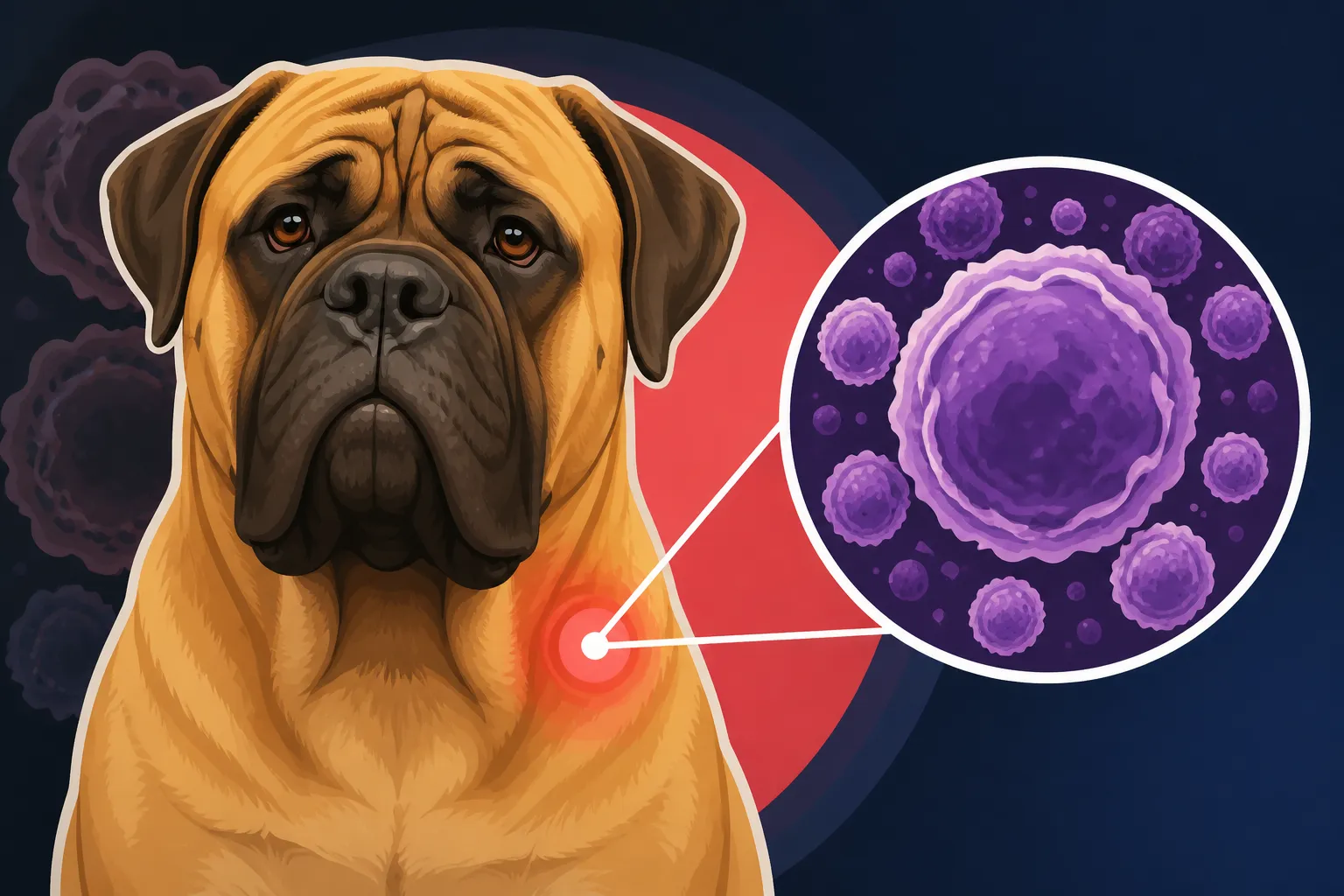
Lymphoma isn't a single disease; it's a broad term for cancers originating from lymphocytes, a type of white blood cell that is part of the immune system. In Bullmastiffs, certain forms tend to dominate, presenting unique challenges for diagnosis and treatment. Understanding the specific ways this cancer manifests in the breed is crucial for owners to recognize potential signs.
The Most Common Culprit: Generalised Lymph Node Involvement
In Bullmastiffs, the most frequently diagnosed form of lymphoma is multicentric lymphoma. This type of lymphoma is characterized by enlarged peripheral lymph nodes, which are located throughout the body and are easily palpable under the skin. Think of the lymph nodes as tiny filters for the body’s immune system. When they become cancerous, they swell, often symmetrically, in areas like the neck (mandibular), armpits (axillary), groin (inguinal), and behind the knees (popliteal).
The insidious nature of multicentric lymphoma is that, initially, many dogs show no other signs of illness. Your Bullmastiff might still be eating, playing, and acting completely normal, despite carrying significantly enlarged lymph nodes. This can make early detection tricky for unsuspecting owners. It's why feeling for swollen nodes during regular grooming sessions or cuddles becomes an essential part of a Bullmastiff owner's routine. The disease progresses as cancerous lymphocytes multiply and spread, eventually impacting organ function. Owners often ask Which Type of Lymphoma a Bullmastiff Gets, and the answer points overwhelmingly to this multicentric form, making knowledge of its presentation particularly vital for the breed.
Beyond the Nodes: Other Lymphoma Presentations
While multicentric lymphoma is the most prevalent, Bullmastiffs can, unfortunately, also develop other forms of this aggressive cancer. These include:
- Gastrointestinal Lymphoma: This type affects the digestive tract, leading to symptoms like chronic vomiting, diarrhea, weight loss, and a decreased appetite. Because these signs can mimic other common gastrointestinal issues, diagnosing this form can be more challenging. Your vet might need to perform an ultrasound or biopsies of the intestinal tract to get a definitive diagnosis.
- Mediastinal Lymphoma: This form develops in the chest cavity, specifically in the mediastinum (the space between the lungs). It often involves the thymus or lymph nodes in this region. Signs might include difficulty breathing (dyspnea), coughing, and fluid accumulation around the lungs. Due to its internal location, it's not as easily detectable by physical examination alone and often requires chest X-rays or ultrasounds.
- Cutaneous Lymphoma: This is less common but can appear as skin lesions, redness, scaling, hair loss, or nodules on the skin. It can sometimes be mistaken for skin allergies or infections, delaying diagnosis.
The variety in how lymphoma can present means that any persistent, unusual symptoms in a Bullmastiff should prompt a thorough veterinary examination, especially given their elevated risk. A comprehensive check-up is always prudent, and proactive discussions with your vet about How Often a Bullmastiff Should Be Checked for Cancer are invaluable.
An Immune System on High Alert (or Miscalibrated)
The immune system is a dog's primary defense against disease, but sometimes, instead of protecting, it can play a role in the development of conditions like cancer. For Bullmastiffs, there's growing evidence to suggest that their immune systems might be intrinsically linked to their high lymphoma risk, either through dysregulation or an inflammatory response that creates fertile ground for cancer to take hold.
Theories on Immune Dysregulation
One compelling theory for the Bullmastiff's lymphoma predisposition revolves around immune dysregulation. This essentially means the immune system isn't functioning quite as it should. Instead of accurately identifying and destroying abnormal cells (which is its job), it might be either overreacting or underreacting in ways that facilitate cancer growth. For example, some immune systems might fail to recognize cancerous lymphocytes as a threat, allowing them to multiply unchecked. Others might be in a constant state of low-grade activation, leading to chronic inflammation that, over time, can contribute to cellular mutations and tumor development. It's a complex dance of cells, signals, and genetic instructions, and any misstep can have profound consequences. Researchers continue to investigate these pathways, hoping to uncover specific biomarkers or genetic predispositions within the Bullmastiff's immune profile that could offer new avenues for prevention or targeted therapies.
The Inflammation Connection
Chronic inflammation is a silent enemy, often considered a precursor or promoter of various cancers, including lymphoma. When the body experiences ongoing inflammation, whether due to allergies, infections, environmental irritants, or internal immune imbalances, it creates a cellular environment ripe for DNA damage and abnormal cell proliferation. Bullmastiffs, like many large breeds, can be prone to certain inflammatory conditions, and if their immune system is indeed dysregulated, it might maintain a higher baseline level of inflammation throughout their lives. This persistent inflammatory state could provide the necessary backdrop for lymphocytes to transform into cancerous cells. It’s a vicious cycle where inflammation drives cellular changes, and these changes, in turn, can perpetuate more inflammation, creating a perfect storm for lymphoma to emerge. Managing any underlying inflammatory conditions, such as skin allergies or joint issues, might not prevent lymphoma, but it could theoretically reduce one contributing factor to its development.
Environmental Triggers and Lifestyle Factors
While genetics undeniably play a monumental role in the Bullmastiff's lymphoma risk, we can't completely ignore the potential influence of environmental factors and lifestyle choices. While these are rarely the sole cause, they can act as co-factors, potentially accelerating disease progression or tipping the scales for a genetically predisposed individual. It’s about creating the healthiest possible environment to give our dogs the best chance.
Diet, Toxins, and the Urban Environment
The world our dogs live in is far from pristine, and potential environmental triggers are a constant concern for many pet owners. Discussions often revolve around diet – whether certain ingredients contribute to inflammation or cancer, or if particular diets are more protective. While a definitive link between specific commercial dog foods and lymphoma in Bullmastiffs hasn't been established, many owners opt for high-quality, whole-food-based diets, believing they support overall health and immune function. Beyond diet, exposure to environmental toxins is another area of concern. Pesticides, herbicides, household chemicals, and even air pollution in urban areas are all potential stressors on a dog's system. While it's impossible to eliminate all exposures, minimizing contact with known carcinogens by choosing pet-safe cleaning products, avoiding treated lawns, and using natural flea and tick preventatives where appropriate, can contribute to a healthier environment for your Bullmastiff.
Early Neutering Debates and Cancer Risk
The decision of when, or if, to spay or neuter a Bullmastiff is a complex one, often sparking fervent debate among owners and veterinarians. While historically spaying and neutering were recommended early for population control and behavioral reasons, newer research, particularly in large and giant breeds, suggests a potential link between early sterilization and increased risks for certain cancers, including lymphoma, as well as orthopedic issues. Sex hormones play a vital role in bone development and immune function, and removing them prematurely might have unintended consequences. For Bullmastiffs, given their already elevated lymphoma risk, some veterinarians now advise waiting until the dog is more mature (18-24 months) or even exploring alternatives like vasectomy or ovary-sparing spay. This allows the dog to fully develop with the benefit of its natural hormones before surgical alteration. It's a conversation worth having with your vet, carefully weighing the pros and cons for your individual dog, especially in light of articles like Whether Early Neutering Affects a Bullmastiff's Cancer Risk.
Navigating the Diagnosis and the Road Ahead
Coming to terms with the heightened risk of lymphoma in Bullmastiffs is one thing; actually facing a potential diagnosis is another. This journey requires vigilance, prompt veterinary attention, and an understanding of the diagnostic steps involved. While it's a daunting prospect, knowing what to look for and what to expect can empower owners to act quickly.
The Importance of Vigilance and Early Detection
Given the Bullmastiff's propensity for lymphoma, vigilance becomes a cornerstone of their care. This means more than just annual vet visits; it requires you, as the owner, to be intimately familiar with your dog's body. Regularly run your hands over their entire body, paying particular attention to areas where lymph nodes are easily palpable: under the jaw (mandibular), in the armpits (axillary), in the groin (inguinal), and behind the knees (popliteal). Feel for any unexplained lumps or bumps, especially those that feel firm, non-painful, and persistent.
Beyond physical checks, be attentive to subtle changes in behavior or health. A Bullmastiff might initially show no obvious signs of being unwell, even with significant lymph node enlargement, making Signs a Bullmastiff Has Lymphoma sometimes hard to spot. However, as the disease progresses, you might notice:
- Lethargy or decreased energy levels
- Weight loss despite a normal appetite
- Decreased appetite
- Swelling in the face or limbs
- Difficulty breathing (if mediastinal nodes are affected)
- Increased thirst or urination
If you detect any enlarged lymph nodes or persistent changes, contact your veterinarian immediately. Early detection can make a significant difference in the prognosis and treatment options available. Proactive monitoring, as outlined in articles like How Often a Bullmastiff Should Be Checked for Cancer, is the best defense.
Diagnostic Pathways and What to Expect
If your vet suspects lymphoma based on a physical exam, they will recommend further diagnostic tests to confirm the diagnosis and stage the disease. This process can feel overwhelming, but each step provides crucial information.
The initial step is often a fine needle aspirate (FNA) of an enlarged lymph node. This involves inserting a small needle into the node and collecting a sample of cells, which are then examined under a microscope by a pathologist. An FNA is minimally invasive and can often provide a presumptive diagnosis of lymphoma. However, sometimes a more definitive diagnosis requires a surgical biopsy, where a piece of the lymph node (or even the whole node) is removed and sent for histopathology.
Once lymphoma is confirmed, the next crucial step is staging the disease. Staging helps determine how far the cancer has spread, which guides treatment decisions and provides a more accurate prognosis. Staging tests typically include:
- Bloodwork: A complete blood count (CBC) and chemistry panel to assess overall health and organ function.
- Urinalysis: To check kidney function.
- Chest X-rays: To look for involvement of lymph nodes in the chest or fluid accumulation.
- Abdominal Ultrasound: To evaluate internal organs like the spleen, liver, and abdominal lymph nodes for cancer spread.
Understanding How Lymphoma Is Diagnosed in a Bullmastiff is vital. These diagnostic procedures, while essential, can be costly. This is where having robust pet insurance, such as a policy from Healthy Paws, can truly be a lifesaver, helping to alleviate the immediate financial stress of extensive work-ups and enabling you to make decisions based on your dog's health needs rather than your wallet.
The Weight on Owners: Financial and Emotional Realities
A lymphoma diagnosis in a Bullmastiff isn't just a medical battle; it's an emotional and financial marathon for owners. The breed's shorter average lifespan, coupled with the high incidence of a serious disease like lymphoma, means that owners often face difficult decisions, heavy hearts, and significant expenses earlier than anticipated.
The Financial Strain of a Lymphoma Diagnosis
Let's be blunt: cancer treatment for a large breed dog like a Bullmastiff is expensive. There's no way around it. From the initial diagnostics, which can easily run into hundreds or even a few thousand dollars, to the ongoing costs of chemotherapy, medications, and supportive care, the bills quickly add up. A typical chemotherapy protocol for lymphoma can involve weekly visits for several months, with each session costing hundreds of dollars. Over the course of treatment, the total can easily reach $5,000 to $10,000, or even more, especially if complications arise or if specialized oncology referrals are needed. This is why it’s not an exaggeration to say that Chemotherapy Is the Bill Most Bullmastiff Owners Face.
This financial burden can be crushing, forcing owners to make agonizing choices about their dog's care. Many families dip into savings, take out loans, or even consider euthanasia simply because they cannot afford the extensive treatment protocols. This is where pet insurance can be a game-changer. Companies like Healthy Paws offer plans that can reimburse a significant percentage of veterinary costs, including those for cancer diagnostics and treatment, provided the policy was in place before any signs of illness appeared. Having this safety net allows owners to focus on their Bullmastiff's well-being rather than the escalating costs, making a heartbreaking situation a little less financially devastating.
The Emotional Rollercoaster and Quality of Life
Beyond the financial aspect, the emotional toll of a lymphoma diagnosis is immense. Bullmastiffs are known for their gentle, devoted nature, and the thought of them suffering is unbearable. Owners embark on an emotional rollercoaster, swinging between hope and despair, especially as they monitor their dog's response to treatment and navigate the ups and downs of chemotherapy side effects. It’s natural to question whether the treatments are truly improving their quality of life or merely prolonging suffering.
Decisions often revolve around managing symptoms, ensuring comfort, and cherishing the time remaining. Owners often grapple with the reality that How Long a Bullmastiff Lives After a Lymphoma Diagnosis is often measured in months, even with aggressive treatment. The average lifespan for a Bullmastiff is already shorter than many breeds, with The Median Bullmastiff Lives Eight and a Half Years being a common benchmark. A cancer diagnosis can cut this time even shorter, making every moment precious. It’s a period filled with intense love, difficult choices, and profound grief, reminding us of the deep bond we share with these magnificent dogs. Seeking support from veterinary staff, pet loss support groups, or fellow Bullmastiff owners who have walked a similar path can be invaluable during this challenging time.
| Type of Lymphoma | Common Presentation in Bullmastiffs | Typical Symptoms | Prognosis Factors |
|---|---|---|---|
| Multicentric | Enlarged peripheral lymph nodes (neck, armpits, groin, behind knees) | Often no initial symptoms, then lethargy, weight loss, decreased appetite | Stage of disease, response to chemotherapy, overall health |
| Gastrointestinal | Digestive tract involvement (stomach, intestines) | Chronic vomiting, diarrhea, weight loss, loss of appetite | Stage of disease, specific location in GI tract, response to treatment |
| Mediastinal | Chest cavity involvement (thymus, chest lymph nodes) | Difficulty breathing, coughing, fluid in chest, swelling of face/neck | Presence of respiratory distress, response to steroids/chemo |
| Cutaneous | Skin lesions, nodules, redness, scaling, hair loss | Skin changes often mistaken for allergies, itching | Grade of tumor, extent of skin involvement, response to therapy |
Disclaimer
This article is intended for informational purposes only and does not constitute veterinary advice. Always consult with a qualified veterinarian for any health concerns or before making any decisions about your Bullmastiff's care.