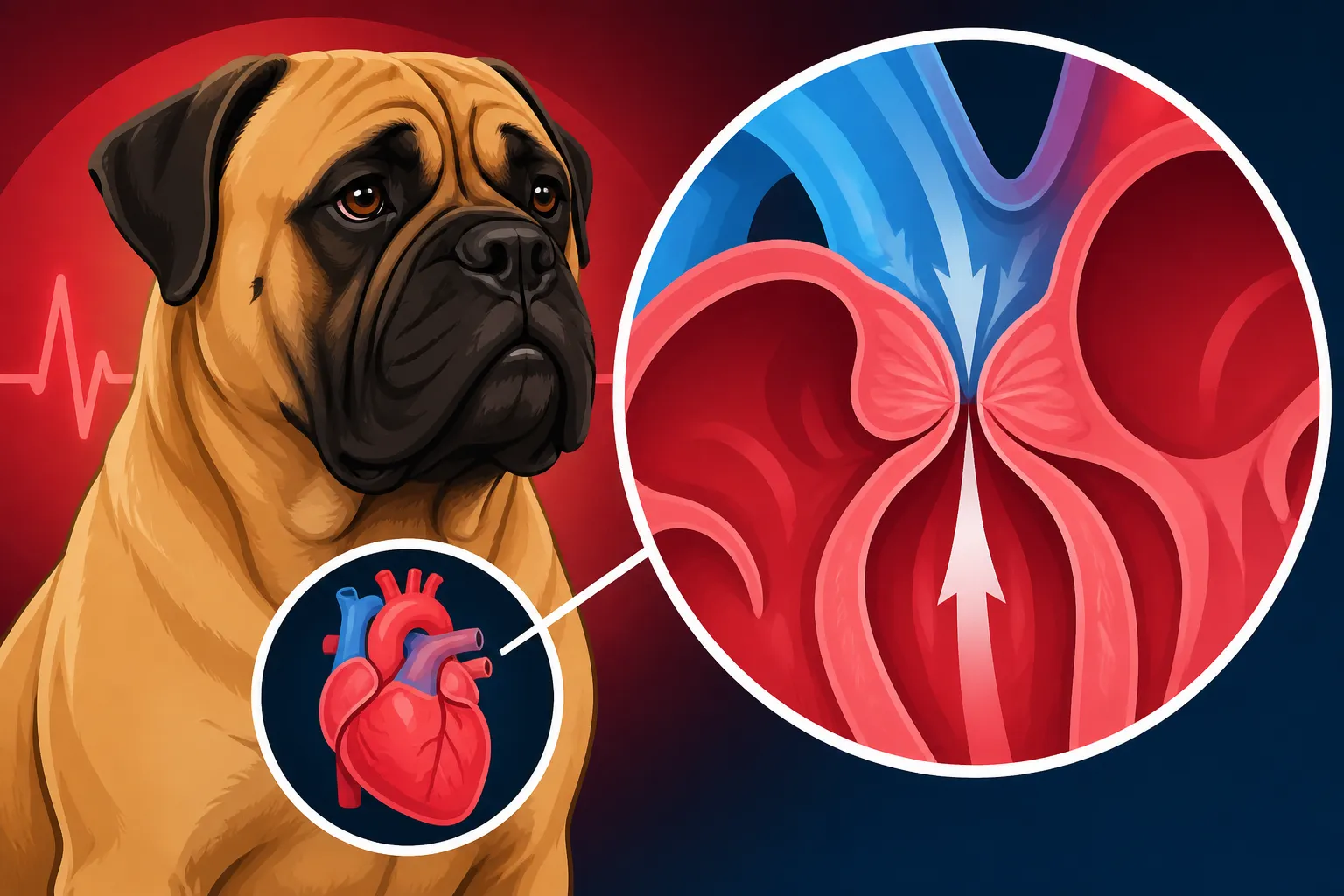
Why Subaortic Stenosis Narrows a Bullmastiff’s Outflow
It’s truly disheartening to hear your veterinarian mention a heart murmur during your Bullmastiff’s check-up, especially when terms like "subaortic stenosis" start getting thrown around. You immediately worry about what this means for your big, beloved companion. This guide is here to unravel the mystery of why subaortic stenosis narrows the outflow tract in a Bullmastiff’s heart, helping you understand this concerning genetic condition.
The Mighty Bullmastiff Heart: A Look at Normal Function
To truly grasp what goes wrong with subaortic stenosis, it’s helpful to first understand how a healthy Bullmastiff heart should operate. Imagine your dog's heart as a highly efficient, four-chambered pump, diligently working every second of every day.
The Basics of Blood Flow: What Should Happen
The heart's job is to circulate oxygen-rich blood to the entire body. The left side of the heart is particularly crucial for this. Once blood, freshly oxygenated by the lungs, enters the left atrium, it moves into the powerful left ventricle. This muscular chamber is the workhorse, designed to contract forcefully and pump blood out of the heart and into the body's largest artery, the aorta.
For this process to work perfectly, the blood needs a clear, wide pathway. From the left ventricle, it passes through a critical gateway: the aortic valve. This valve opens wide to allow a smooth, unrestricted gush of blood into the aorta, which then branches off to supply oxygen and nutrients everywhere they're needed. It’s a beautifully coordinated ballet of muscle contraction and valve movement, ensuring every cell in your Bullmastiff's body gets what it needs.
Where the Problem Lies: The Aortic Outflow Tract
When we talk about subaortic stenosis (SAS), our focus immediately shifts to the area just beneath that vital aortic valve. This region, where the left ventricle transitions into the aorta, is known as the left ventricular outflow tract. In a healthy heart, this area is perfectly smooth and open, allowing blood to flow unimpeded.
However, in Bullmastiffs prone to SAS, this delicate pathway isn't as clear as it should be. The very name "subaortic stenosis" literally means "narrowing below the aorta." It's in this precise spot, just a hair's breadth below the valve, that the architectural flaw develops, creating the obstruction that can cause so much trouble.
The "Why" of Subaortic Stenosis: What Causes the Narrowing?
It’s easy to feel overwhelmed by a diagnosis of subaortic stenosis, wondering if there was something you could have done differently. But the truth is, this isn't a condition that develops due to diet or lifestyle choices; it's a problem rooted in the very blueprint of your Bullmastiff.
The Genetic Predisposition in Bullmastiffs
One of the most frustrating and heartbreaking aspects of SAS is that it’s a congenital condition, meaning your Bullmastiff is born with it. It’s not something they acquire later in life; the foundations of the problem are laid during their fetal development. For certain breeds, including our beloved Bullmastiffs, there's a strong genetic component, an unfortunate inherited predisposition that makes them much more susceptible. This is why careful breeding practices and understanding of How Subaortic Stenosis Is Inherited in Bullmastiffs are so critical.
The core issue is the abnormal development of tissue in that critical outflow tract just below the aortic valve. Instead of a smooth, clear path, a ring or band of fibrous tissue forms. Think of it like a tiny, misplaced shelf or a constricting band that shouldn't be there, growing right in the path of blood trying to leave the heart. This fibrous tissue, often described as a fibromuscular ring, is rigid and unyielding, obstructing the blood flow right from the start of your dog's life.
How the Obstruction Forms and Progresses
The initial formation of this fibrous ring is the primary cause of the narrowing. Even if it's quite small initially, it presents a challenge to the left ventricle. Imagine trying to push a large volume of water through a funnel that has a tiny obstruction right at its neck. The water still tries to get through, but it meets resistance.
Over time, this obstruction can, in some cases, worsen. The constant high-pressure jet of blood slamming against the fibrous tissue as it tries to squeeze through can actually cause further scarring and thickening of the area. This means that while a puppy is born with the condition, its severity, and therefore the What Subaortic Stenosis Does to a Bullmastiff, can sometimes progress with age, particularly in the first year or two. The heart tries its best to compensate, but this constant struggle takes a toll.
Impact of SAS on the Bullmastiff: What Happens Inside?
Once that fibrous ring starts to narrow the outflow tract, your Bullmastiff’s heart enters a challenging uphill battle. The body still needs oxygen, and the heart has to work harder to deliver it.
The Heart's Response: Working Overtime
When the left ventricle tries to pump blood past this obstruction, it encounters increased resistance. Think of it like trying to push a heavy door that's stuck. You push harder, right? Your Bullmastiff's heart does the same thing. To overcome the narrowing, the muscular walls of the left ventricle begin to thicken, a condition known as left ventricular hypertrophy.
Initially, this thickening might seem like a good thing – a stronger heart, right? But it's actually a detrimental compensatory mechanism. While it allows the heart to maintain blood flow for a while, this hypertrophied muscle demands more oxygen for itself. It also becomes less efficient at relaxing and filling with blood. This increased workload and oxygen demand put significant strain on the heart, making it more vulnerable to issues down the line. It's a temporary fix that ultimately weakens the system.
The Cascade of Consequences: From Murmur to Failure
The most common early sign that something is amiss is the sound of turbulent blood flow past the obstruction – a heart murmur. Your vet can often pick up on this during a routine physical exam, sometimes as early as a puppy's first visit. The severity of the murmur often correlates with the severity of the stenosis, but not always perfectly. You might hear the term Signs a Bullmastiff Has a Heart Murmur, which will guide you on what to listen for, though your vet is the primary expert.
Beyond the murmur, a range of consequences can arise. The damaged, rough tissue in the narrowed area can become a breeding ground for bacteria, increasing the risk of bacterial endocarditis, a serious infection of the heart lining. More critically, as the obstruction becomes severe, the heart may simply not be able to pump enough blood to meet the body's demands. This reduced cardiac output can lead to symptoms like lethargy, weakness, exercise intolerance, and even syncope (fainting episodes). In the most severe cases, the strain on the heart can lead to heart failure or, tragically, sudden death, even in seemingly young dogs. This is why it's so important to understand that The Median Bullmastiff Lives Eight and a Half Years, and heart conditions like SAS can unfortunately shorten this further.
| SAS Severity Grade | Obstruction Level | Clinical Signs | Management | Prognosis |
|---|---|---|---|---|
| Mild | Slight narrowing | Often none, mild murmur | Monitoring, regular check-ups | Often lives a normal lifespan |
| Moderate | Noticeable narrowing | Exercise intolerance, louder murmur | Regular monitoring, possible medication | Variable, may shorten lifespan |
| Severe | Significant narrowing | Fainting, weakness, heart failure | Medication, strict activity limits | Significantly reduced lifespan, high risk of sudden death |
Early Detection and Management: A Proactive Approach
Discovering your Bullmastiff has subaortic stenosis can be incredibly unsettling. However, being proactive with early detection and careful management can make a world of difference in your dog's quality of life.
Recognizing the Early Warning Signs
Many Bullmastiffs with mild SAS might not show any outward symptoms for years, or even ever. The most common "warning sign" is often something only a trained ear can detect: a heart murmur. This is why routine veterinary examinations, especially for a large breed puppy, are paramount. Your vet will listen carefully to your Bullmastiff's heart, and if a murmur is present, it's often the first clue. It's worth remembering that Subaortic Stenosis Is There Before a Bullmastiff's First Birthday, so early screening is crucial. For any concerned owner, learning about Why a Bullmastiff Puppy Needs a Cardiac Exam can provide valuable insight.
Beyond the murmur, if your Bullmastiff shows signs like reluctance to exercise, panting excessively after minimal activity, or sudden collapses (syncope), these are critical red flags that warrant immediate veterinary attention. These could be indicators of more severe SAS or other underlying cardiac issues.
Diagnostic Steps and Financial Considerations
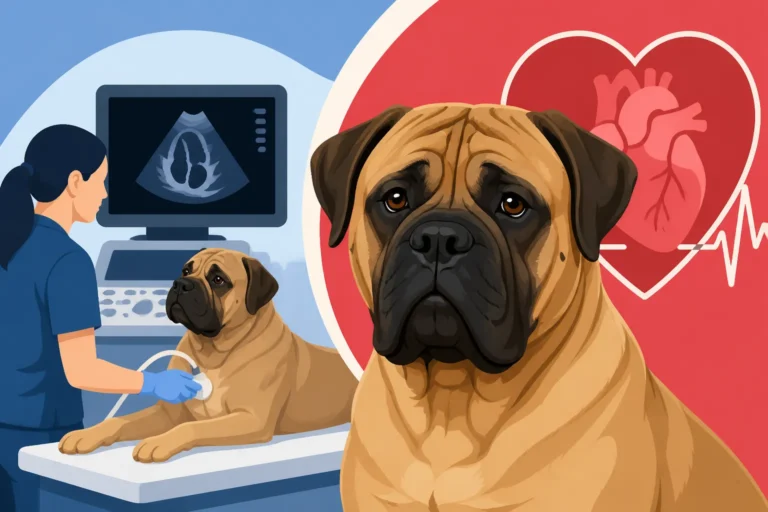
If a heart murmur is detected, the next step is typically a referral to a veterinary cardiologist for a definitive diagnosis. The gold standard for diagnosing and assessing the severity of subaortic stenosis is an echocardiogram. This non-invasive ultrasound of the heart allows the cardiologist to visualize the heart's structure in real-time, identify the fibrous ring, measure the blood flow velocity across the obstruction, and assess the degree of left ventricular hypertrophy. This diagnostic step is essential to confirm the diagnosis, grade the severity of the SAS, and guide future treatment.
The cost of specialized cardiac screening and an echocardiogram can be a significant concern for many pet owners. A comprehensive cardiac exam can cost several hundred dollars, and that's just for diagnosis. This is where investing in pet insurance early can really pay off. Many Bullmastiff owners find relief knowing that reputable pet insurance providers like Healthy Paws can help cover a substantial portion of these diagnostic and treatment costs, especially when the policy is initiated before any signs of a pre-existing condition appear. Understanding What a Bullmastiff's Cardiac Screening Costs and What an Echocardiogram Costs on a Bullmastiff upfront can help you plan.
Living with SAS: Treatment and Care
While there's no surgical cure for subaortic stenosis that is widely and successfully performed, especially for the fibromuscular ring type seen in Bullmastiffs, management focuses on alleviating symptoms and slowing progression. For mild cases, your vet might recommend simply monitoring your Bullmastiff closely with regular check-ups. They may still live a relatively normal life, though always with an awareness of their condition. We have a great article on Whether a Bullmastiff With Mild Stenosis Lives Normally.
For more moderate to severe cases, medication, such as beta-blockers, might be prescribed. These drugs help reduce the heart's workload by slowing the heart rate and decreasing the force of contraction, which can ease the strain on the hypertrophied left ventricle. Exercise restriction is often critical, especially for dogs with severe SAS, to prevent sudden collapse or increased strain that could exacerbate the condition. Keeping your Bullmastiff lean is also vital, as excess weight puts additional stress on an already compromised heart. Working closely with a veterinary cardiologist is paramount to tailor a specific management plan, monitor progression, and adjust medications as needed, giving your Bullmastiff the best possible chance at a comfortable life. Having the support of a reliable pet insurance provider like Healthy Paws can alleviate the financial pressure of ongoing medications and specialist visits, allowing you to focus on your Bullmastiff’s care without added stress.
Disclaimer
The information provided in this article is for informational purposes only and does not constitute veterinary advice. Always consult with a qualified veterinarian or veterinary cardiologist for any health concerns or before making any decisions about your Bullmastiff's health or treatment plan.