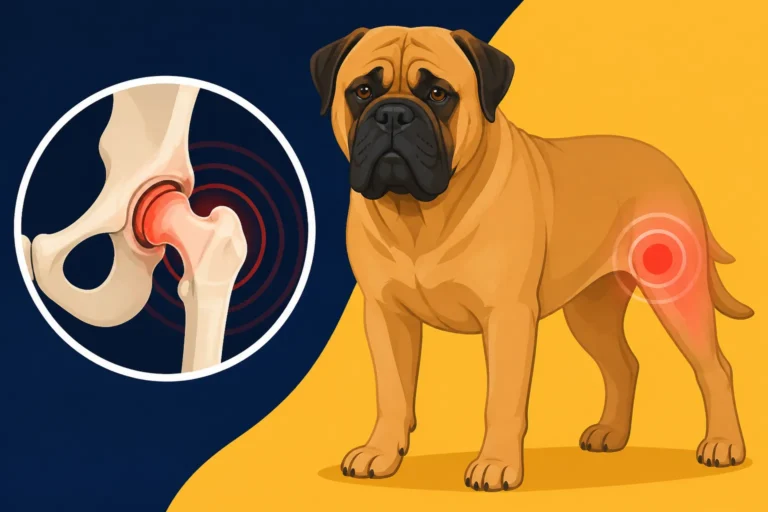
Whether Thyroid Medication Is Lifelong for a Bullmastiff
Finding out your beloved Bullmastiff has hypothyroidism can be a real punch to the gut. You might be feeling a mix of worry, confusion, and a whole lot of questions about what this means for their future. One of the biggest concerns that often pops up is whether this is a temporary fix or if your big, lovable companion will need medication for the rest of their days. This guide is here to walk you through the reality of thyroid medication for Bullmastiffs, offering clarity and practical advice for navigating this lifelong journey.
Understanding Bullmastiff Hypothyroidism
It’s truly disheartening to see your normally robust Bullmastiff looking sluggish, gaining weight, or developing skin issues. These are often the tell-tale signs that something isn't quite right, and for many Bullmastiffs, the culprit turns out to be hypothyroidism. This condition isn't just a minor inconvenience; it's a systemic issue that impacts their entire body and well-being.
What Hypothyroidism Means for Your Bullmastiff
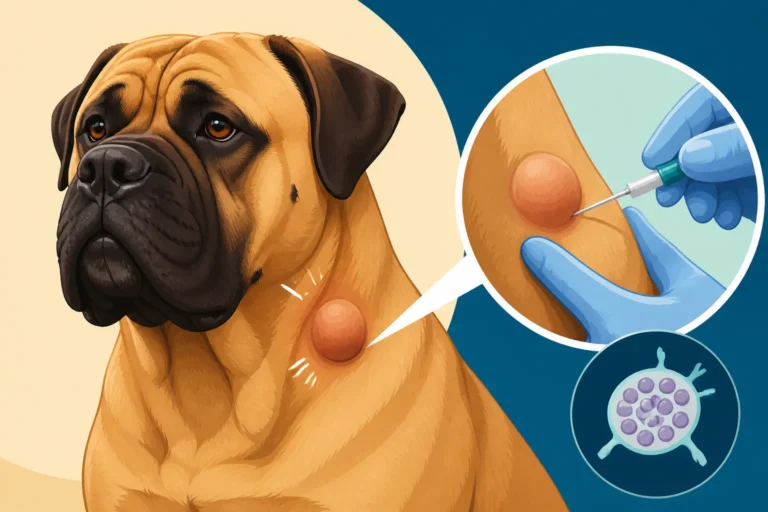
Simply put, hypothyroidism occurs when your Bullmastiff's thyroid gland, a small but mighty gland located in their neck, isn't producing enough thyroid hormone. Think of these hormones as the master regulators of your dog's metabolism. They control how quickly their body uses energy, maintains body temperature, and even supports healthy skin and coat. When there aren't enough of these hormones circulating, everything slows down. This is why you might see a dog that’s typically full of life become lethargic, prone to weight gain despite no change in diet, or start to lose patches of hair, sometimes with dry, flaky skin. It's one of the more common endocrine disorders in dogs, and unfortunately, Bullmastiffs are among the breeds statistically more predisposed to developing it. Understanding How Hypothyroidism Presents in a Bullmastiff is the first step in recognizing the problem and getting your dog the help they need.
The Diagnosis Process
Diagnosing hypothyroidism isn't always a straightforward "yes" or "no" answer, which can be frustrating for concerned owners. Your vet will likely start with a thorough physical examination and discuss the symptoms you've observed. The definitive diagnosis, however, relies on specific blood tests. These typically measure the levels of total T4 (thyroxine), free T4 (fT4), and sometimes TSH (thyroid-stimulating hormone). A low T4 combined with a high TSH is often a strong indicator of primary hypothyroidism, which is the most common form. It's vital to get an accurate diagnosis because other conditions can mimic hypothyroid symptoms, and you don't want to start lifelong medication unnecessarily. Sometimes, your vet might recommend re-testing after a few weeks, or even consulting with a veterinary internal medicine specialist, especially if the results are ambiguous. Knowing When a Bullmastiff's Thyroid Should Be Tested is important, especially if you notice subtle changes in their health or behavior.
The Lifelong Reality of Thyroid Medication
Once your Bullmastiff receives a confirmed diagnosis of hypothyroidism, the question of treatment inevitably leads to the commitment involved. And the reality, which can be a little daunting at first, is that thyroid medication is almost always a lifelong requirement.
Why the Treatment Is for Life
The primary reason thyroid medication is a lifelong commitment is because, in most cases of canine hypothyroidism, the thyroid gland itself has become permanently damaged or atrophied. It's not a temporary slowdown that can be kickstarted back to full function; rather, the cells responsible for producing those crucial hormones are no longer capable of doing their job effectively, if at all. The medication you administer, typically a synthetic form of levothyroxine, doesn't "cure" the underlying condition. Instead, it acts as a replacement, providing the hormones your Bullmastiff's body can no longer produce on its own. Think of it like a car that needs a specific type of fuel to run – if the engine can’t produce that fuel internally, you have to constantly supply it from an external source. Without this continuous external supply, the system simply won't work correctly. This is a common scenario with chronic conditions, and it's something many pet parents grapple with, trying to understand why it's not a temporary fix.
What Happens If Medication Is Stopped
It's tempting to think that once your Bullmastiff is feeling better and their symptoms have resolved, they might no longer need the medication. However, stopping thyroid medication for a hypothyroid Bullmastiff would be detrimental to their health. If you were to discontinue the prescribed levothyroxine, the body would quickly deplete any residual synthetic hormone, and the original symptoms would inevitably return, often with a vengeance. The lethargy would creep back in, the weight gain would resume, and their coat condition would deteriorate once more. In severe cases, prolonged lack of thyroid hormone can lead to more serious, life-threatening complications, including cardiac issues, neurological problems, and even a condition called myxedema coma, though this is rare. Consistency is truly paramount, and any thought of stopping or altering the dosage should only ever be discussed with your veterinarian.
The Role of Levothyroxine
The medication your Bullmastiff will likely be prescribed is synthetic levothyroxine, commonly referred to as L-thyroxine. Brands like Thyro-Tabs, Soloxine, and Levo-Thyroxin are widely used, but generic versions are also available and often prescribed by vets to help manage costs. This medication is identical to the hormone naturally produced by the thyroid gland, so it effectively replenishes the deficient levels in your dog's body. The goal is to return their hormone levels to a normal range, allowing their metabolism to function optimally again.
Administering levothyroxine usually involves giving a pill once or twice a day. The most important thing is consistency: try to give it at the same time each day, ideally on an empty stomach about 30-60 minutes before food, or at least two hours after a meal, as food can interfere with absorption. Some medications, like antacids or supplements containing calcium or iron, can also affect how well levothyroxine is absorbed, so it’s always best to discuss your Bullmastiff’s full medication regimen with your vet. Given that this is a predictable, ongoing expense, many owners find it helpful to have pet insurance. Companies like Healthy Paws often cover the costs of managing chronic conditions like hypothyroidism, including the ongoing medication, which can provide immense peace of mind.
Managing Lifelong Thyroid Care for Your Bullmastiff
A diagnosis of hypothyroidism is a journey, not a destination. While the initial news might feel overwhelming, managing it for the rest of your Bullmastiff's life is entirely doable and leads to a significantly improved quality of life for your furry family member. It simply requires consistent dedication and regular veterinary partnership.
Regular Monitoring and Dose Adjustments
After an initial diagnosis, your vet will start your Bullmastiff on a specific dose of levothyroxine. However, finding the perfect dose isn't always a one-and-done situation. It’s a process that requires careful monitoring. You’ll typically have follow-up blood tests, often called "rechecks," a few weeks after starting the medication and after any dose changes. These tests measure the T4 levels in your Bullmastiff's blood to ensure the medication is working effectively and that the dose is neither too high nor too low. The goal is to get their levels into the normal range without overshooting it.
Once the optimal dose is established and your Bullmastiff is stable, these rechecks usually become an annual event, often coinciding with their yearly wellness exam. It's crucial not to skip these appointments, as a dog's metabolic needs can change over time. Symptoms of a dose that's too low might include a return of lethargy, weight gain, or a dull coat, indicating that Signs a Bullmastiff's Thyroid Is Low are reappearing or that Why a Hypothyroid Bullmastiff Gains Weight is once again becoming a concern. Conversely, if the dose is too high, you might notice symptoms similar to hyperthyroidism, such as increased thirst, excessive panting, restlessness, or unexplained weight loss. Regular monitoring ensures your Bullmastiff remains in their optimal health zone.
The Daily Routine and Owner Commitment
Incorporating thyroid medication into your Bullmastiff's daily routine becomes second nature after a while. The key is consistency in administration time. Most vets recommend giving the pill once or twice a day, typically about 30-60 minutes before their first meal, to maximize absorption. If your Bullmastiff is a bit finicky about pills, you might need to get creative. Many owners use pill pockets, a tiny dollop of peanut butter (check for xylitol!), or even cheese to disguise the medication. The ritual of giving the pill can become a special bonding moment, a little daily interaction that reinforces your care.
Beyond the pills, managing hypothyroidism is about holistic care. This includes maintaining a healthy diet, ensuring adequate (but not excessive) exercise, and being observant of any changes in your dog's behavior or physical condition. Always keep clear communication lines open with your veterinarian. They are your best resource for questions, concerns, and making sure your Bullmastiff receives the best possible care. Remember, consistent management allows your Bullmastiff to live a full and vibrant life, potentially extending their healthy years. While The Median Bullmastiff Lives Eight and a Half Years is a general guideline, excellent care for chronic conditions like hypothyroidism can make a significant difference in their quality of life.
Long-Term Outlook for a Treated Bullmastiff
The good news is that with consistent, appropriate treatment, the long-term outlook for a Bullmastiff with hypothyroidism is overwhelmingly positive. Once their thyroid hormone levels are normalized, you should see a dramatic improvement in their symptoms. Their energy levels will return, they’ll shed the excess weight, their coat will become healthier and shinier, and any skin issues often resolve. Many owners report that their "old dog" is back to their playful, affectionate self.
Thyroid medication allows them to live a normal lifespan, free from the debilitating effects of the disease. While it's a lifelong commitment, it's one that yields incredible rewards in terms of your dog's comfort, happiness, and overall well-being. It's truly amazing what a simple, consistent medication can do to transform a dog's health and vitality.
| Symptom Category | Untreated Hypothyroidism | Treated Hypothyroidism |
|---|---|---|
| Energy Level | Lethargy, sluggishness, disinterest in play | Normal, active, playful energy |
| Weight | Unexplained weight gain, difficulty losing weight | Healthy weight maintenance |
| Coat & Skin | Dry, brittle coat; hair loss, dullness, flaky skin, recurrent infections | Soft, shiny coat; healthy skin, no excessive hair loss |
| Mental State | Apathy, dullness, sometimes aggression or anxiety | Alert, engaged, typical Bullmastiff temperament |
| Body Temperature | Cold intolerance, seeking warm spots | Normal body temperature regulation |
| Overall Health | Increased risk of other health issues, poor quality of life | Significantly improved health, normal quality of life |
Common Concerns and Practicalities
Living with a Bullmastiff who needs lifelong medication means you'll naturally have practical questions and concerns. From managing costs to ensuring you're always prepared, addressing these practicalities helps make the journey smoother for both you and your loyal companion.
Cost of Lifelong Medication
Let's be realistic – lifelong medication means ongoing costs, and for a large breed like a Bullmastiff, medication doses (and therefore costs) can be higher. The price of levothyroxine can vary depending on the dosage, whether you opt for a generic or brand-name product, and the pharmacy or veterinary clinic you use. Generally, you might expect to pay anywhere from $20 to $60 per month for the medication itself, though this is a broad estimate. When you consider the cost of What a Bullmastiff's Medication Costs by Weight, it quickly adds up. Beyond the pills, you also have to factor in the regular veterinary check-ups and blood tests needed to monitor their thyroid levels, especially in the initial stages and then annually.
This is where pet insurance can be a game-changer. Companies like Healthy Paws are well-regarded for covering chronic conditions. If you enroll your Bullmastiff when they are young and healthy, before a condition like hypothyroidism is diagnosed, your policy will likely cover a significant portion of the medication, vet visits, and blood tests associated with managing the condition for their entire life. This can alleviate a lot of financial stress and allow you to focus purely on your Bullmastiff's health without worrying about the bill. Without insurance, it's wise to budget specifically for these ongoing medical expenses.
Potential Side Effects and Interactions
One of the comforting aspects of levothyroxine is that it's generally very safe, especially when prescribed at the correct dosage. Because it's a replacement hormone, rather than a foreign substance, side effects are rare. The most common "side effect" would actually be signs of over-dosing, which would mimic hyperthyroidism: increased thirst, frequent urination, restlessness, panting, and sometimes diarrhea or unexplained weight loss. If you notice these symptoms, it's crucial to contact your vet immediately, as it likely means the dosage needs to be adjusted downwards. This underscores the importance of those regular blood tests to ensure optimal levels.
It's also important to be aware of potential drug interactions. Certain medications and supplements, such as antacids containing aluminum or calcium, sucralfate (used for stomach ulcers), iron supplements, and even high-fiber diets, can interfere with the absorption of levothyroxine. Always inform your veterinarian of all medications, supplements, and even special diets your Bullmastiff is on to ensure there are no adverse interactions. Your vet can advise on how to space out medications or adjust the levothyroxine dose if necessary.
Travel and Emergencies
Preparing for travel or unexpected emergencies when your Bullmastiff is on lifelong medication is essential. The golden rule is to always ensure you have a sufficient supply of medication on hand. Don't wait until you're down to the last few pills to order a refill, especially before a trip. Keep a small emergency stash separate from your main supply, perhaps in a travel bag, just in case. When traveling, always carry your Bullmastiff's medication in its original, clearly labeled container, along with a copy of their prescription and your vet's contact information.
If you're traveling across time zones, discuss with your vet how to adjust the medication schedule to maintain consistency. In case of an emergency, such as losing the medication or your Bullmastiff becoming ill while away from home, having their medical records readily accessible can be invaluable for a new vet. Many veterinary offices now use digital records that can be easily emailed. Having a plan in place, even if you never need it, provides significant peace of mind.
Disclaimer
This article is for general informational purposes only and does not constitute professional advice. Laws, prices and regulations vary by location and change over time. Consult a qualified professional for guidance on your specific situation.