Whether a Smaller Bullmastiff Lives Longer
It’s a natural human tendency to hope for the best, especially when you’re deeply in love with a breed known for its tragically short lifespan. Many Bullmastiff owners, or those considering one, grapple with the idea that perhaps a slightly smaller dog within the breed standard might somehow escape the heart-wrenching reality of a shorter life. This guide will thoroughly explore whether a Bullmastiff's size truly dictates its longevity and what factors genuinely play a crucial role in giving these magnificent giants the fullest life possible.
Understanding Bullmastiff Size and Lifespan Realities
The Bullmastiff is a large, powerful breed, and their size is a defining characteristic. It's perfectly normal to wonder if being on the smaller end of that spectrum could grant them a few extra years, given the general trend of larger dogs living shorter lives. However, the reality is often more nuanced than a simple size-to-lifespan equation.
The Standard Bullmastiff Size Range
When we talk about a "smaller Bullmastiff," it's important to understand what that actually means within the context of the breed standard. The American Kennel Club (AKC) standard, for instance, specifies a height of 25-27 inches for males and 24-26 inches for females. Weight-wise, males typically range from 110-130 pounds, and females from 100-120 pounds. So, a "smaller" Bullmastiff isn't a miniature version; it's a dog that might be at the lower end of these accepted ranges, perhaps a 100-pound female or a 115-pound male. They are still substantial dogs, far removed from medium or small breeds.
This natural variation means that within any litter, you'll see some puppies mature into slightly larger adults and others into slightly smaller ones. Both are perfectly normal and within the breed's parameters. The allure of a smaller one might stem from an intuitive understanding that giant breeds face unique challenges, but it's crucial to look beyond just the tape measure or the scale.
The General Correlation Between Size and Lifespan in Dogs
It's a widely observed phenomenon in the canine world that, generally speaking, larger dog breeds tend to have shorter lifespans than smaller ones. While a tiny Chihuahua might live for 15-20 years, a Great Dane often only reaches 7-10. This isn't just an anecdotal observation; scientific studies have explored this correlation. The prevailing theory suggests that larger breeds age at an accelerated rate. Their cells might simply "wear out" faster due to the rapid growth they undergo as puppies and the sheer metabolic demands of maintaining such a large body mass throughout their lives.
For instance, a tiny Yorkshire Terrier grows from a few ounces to a few pounds, whereas a Bullmastiff goes from a couple of pounds to over a hundred in a very short span. This rapid cellular division and intense growth period might contribute to faster aging processes at a cellular level. However, simply being at the lower end of the Bullmastiff size spectrum doesn't necessarily exempt them from these foundational biological truths that apply to giant breeds as a whole. The difference between a 100-pound Bullmastiff and a 130-pound one, while noticeable, is often not enough to fundamentally alter the underlying genetic and physiological factors that dictate breed-specific longevity.
Why a Bullmastiff's Size Alone Isn't the Lifespan Decider
While the general correlation between size and lifespan holds true across the canine kingdom, applying it too broadly within a single large breed like the Bullmastiff can be misleading. Focusing solely on a few pounds here or an inch there might distract from the truly impactful factors that influence how long your beloved companion will stay by your side.
Genetic Predispositions and Breed-Specific Health Issues
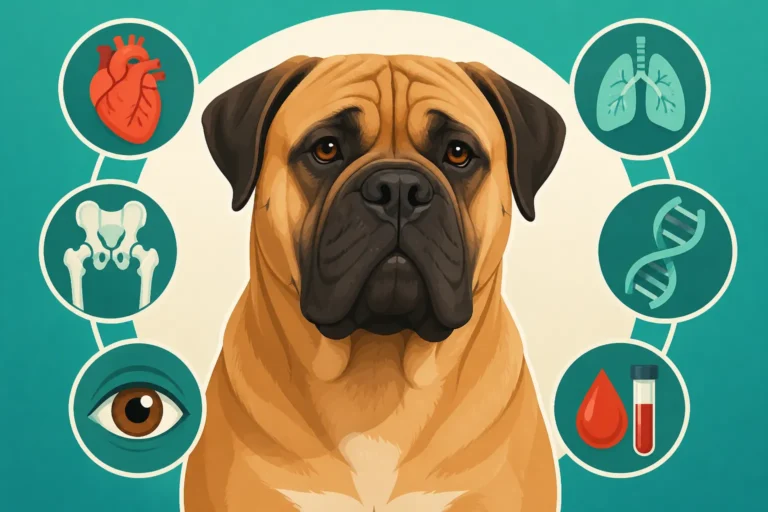
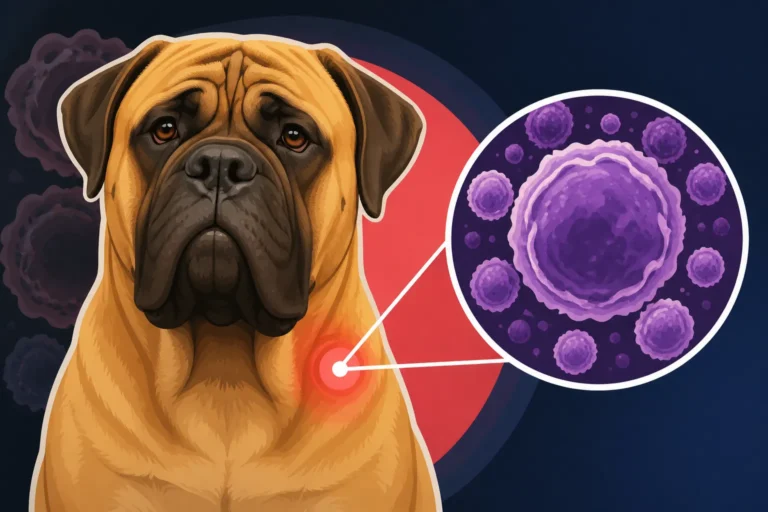
The heartbreaking truth for many Bullmastiff owners is that the breed is predisposed to a range of serious health conditions that often shorten their lives, regardless of whether they fall on the larger or smaller side of the breed standard. These are deeply rooted in the breed's genetics, passed down through generations. For example, Lymphoma Kills More Bullmastiffs Than Anything Else and it is a devastating cancer that can strike dogs of varying sizes within the breed. The genetic lottery, combined with environmental triggers, often plays a far more significant role than a dog being 10 pounds lighter.
Similarly, other major health concerns like Subaortic Stenosis Is There Before a Bullmastiff's First Birthday, a congenital heart defect, or the predisposition to Mast Cell Tumors and the Lumps on a Bullmastiff, are not typically linked to whether a dog is slightly smaller or larger than its littermates. Bloat, or Gastric Dilatation-Volvulus (GDV), is another life-threatening emergency that large, deep-chested breeds like the Bullmastiff are prone to. While a larger chest might theoretically have more room to twist, the underlying genetic predisposition and lifestyle factors (like eating habits and activity after meals) are usually far more influential than a minor difference in overall size.
These are critical issues that overshadow minor size variations. A smaller Bullmastiff from a line riddled with early-onset cancers or severe heart issues will likely face a similar prognosis as a larger one from the same unfortunate lineage. This highlights why focusing on responsible breeding is paramount over simply seeking out the smallest puppy in the litter.
Growth Rate and Its Impact on Joint Health
One area where "size" does matter, though perhaps not in the way you might initially think, is the rate at which a Bullmastiff puppy grows. Rapid growth in giant breed puppies is a significant risk factor for developmental orthopedic diseases, such as hip and elbow dysplasia. These conditions, which can lead to debilitating arthritis and pain, are influenced by genetics, but improper nutrition and excessive exercise during critical growth phases can exacerbate them.
A Bullmastiff puppy, regardless of its ultimate adult size, needs to grow slowly and steadily. Feeding a Bullmastiff Puppy So It Grows Slowly, using a high-quality large breed puppy food designed for controlled growth, is crucial. If a "smaller" Bullmastiff puppy is overfed or given supplements that accelerate growth, they could develop orthopedic problems that compromise their quality of life and potentially shorten it, even if their adult size ends up on the smaller end of the spectrum. The focus, therefore, should be on controlled growth rather than simply aiming for a smaller adult dog. The goal isn't to stunt growth, but to ensure healthy skeletal development.
Factors Beyond Size That Truly Influence Longevity
Instead of pinning all our hopes on finding a slightly smaller Bullmastiff, our efforts are far better spent on what we can control: the choices we make as owners and the quality of care we provide. These are the true levers that can significantly impact How Long a Bullmastiff Lives on Average.
Responsible Breeding Practices
This is, without a doubt, one of the most critical factors. A responsible breeder focuses on health, temperament, and adherence to the breed standard, not on producing unusually small or large specimens. They meticulously screen their breeding stock for common Bullmastiff health issues. This includes hip and elbow evaluations, cardiac exams by a board-certified cardiologist, and sometimes even thyroid testing. When you're considering a Bullmastiff, understanding What a Bullmastiff Breeder Should Have Screened, and insisting on seeing these health certifications, is non-negotiable.
A breeder dedicated to health will share information about the longevity of the dogs in their pedigrees. While no one can guarantee perfect health or a specific lifespan, choosing a puppy from parents with excellent health clearances and a history of long-lived relatives significantly tips the scales in your favor. This proactive approach to health trumps any minor variation in a puppy's adult size. For instance, reputable breeders are transparent about instances of cancer in their lines, acknowledging that breeds like the Bullmastiff are prone to conditions such as lymphoma. They strive to make informed decisions to minimize the risk, even if they cannot eliminate it entirely.
Optimal Nutrition and Weight Management
One of the most powerful things you can do for your Bullmastiff's health and longevity, regardless of their genetic predisposition to a certain size, is to keep them lean. Overweight dogs, regardless of breed, face a myriad of health problems that can dramatically shorten their lives and reduce their quality of life. Excess weight puts undue strain on joints, exacerbates conditions like Hips and Elbows Under a Hundred and Thirty Pound Bullmastiff, increases the risk of heart disease, diabetes, and even some cancers.
Keeping a Bullmastiff Lean Is the Best Thing You Can Do. It's far better for a Bullmastiff to be at the lower end of its ideal weight range, with its ribs easily palpable (but not visible), than to be even slightly overweight. This requires careful portion control, appropriate calorie intake for their activity level, and limiting treats. It's a daily commitment, but one that pays dividends in terms of health and comfort. Regular checks of their body condition score are more important than the number on the scale. Many vets use a 1-5 scale, with 3 being ideal. Consistently aiming for that lean, athletic build will do more for their lifespan than hoping for a naturally smaller dog.
Proactive Veterinary Care and Early Detection
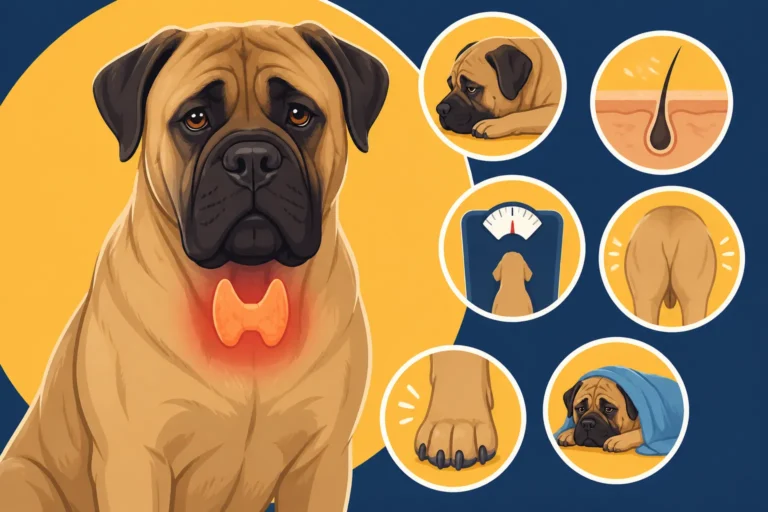
Regular veterinary check-ups are essential for all dogs, but particularly for breeds like the Bullmastiff with known health challenges. Proactive care involves more than just vaccinations; it means being vigilant for subtle changes in your dog's behavior, appetite, or physical condition. Early detection of conditions like hypothyroidism or the beginnings of a mast cell tumor can be life-saving.
A good relationship with your veterinarian, and potentially specialists, is invaluable. For instance, if your Bullmastiff develops a cough or seems less energetic, a cardiac workup might be needed to check for issues like Dilated Cardiomyopathy, another concern in large breeds. Regular wellness exams, including blood work as they age, allow your vet to establish baselines and catch problems before they become critical. Pet insurance, such as plans offered by Healthy Paws, can be a crucial tool here, ensuring you can afford diagnostic tests and treatments without financial strain when those unexpected health challenges arise. Being prepared to act quickly and decisively on potential health issues, rather than waiting for obvious signs of illness, is a hallmark of responsible Bullmastiff ownership.
Exercise and Environmental Considerations
Appropriate exercise is vital for a Bullmastiff's physical and mental well-being, but "appropriate" is key. While they are large dogs, Bullmastiffs are not high-energy athletes. Over-exercising a growing puppy can damage developing joints, and excessive, high-impact activities are generally not recommended for adults due to their heavy build. Short, regular walks and supervised playtime are usually sufficient.
Environmental factors also play a role. Due to their brachycephalic (short-nosed) tendencies and thick coats, Bullmastiffs are highly susceptible to overheating. They should never be left outside in hot weather and always have access to shade and fresh water. An air-conditioned home is often necessary during warmer months. Understanding Why Eighty Degrees Is Dangerous for a Bullmastiff, and taking precautions against heatstroke, is a direct way to protect their health. Similarly, providing comfortable, orthopedic bedding from a young age can help protect their joints as they mature and carry significant weight, regardless of whether they are on the smaller or larger end of the spectrum.
When considering unexpected vet bills that can arise from accidents or sudden illnesses, particularly given the Bullmastiff's predispositions, having a solid pet insurance policy can provide immense peace of mind. Companies like Healthy Paws offer comprehensive coverage that can help mitigate the financial impact of extensive diagnostics or treatment for major health conditions.
Here's a quick look at how weight impacts health:
| Health Area | Ideal Weight Bullmastiff | Overweight Bullmastiff |
|---|---|---|
| Joint Health | Reduced strain, less risk of early arthritis, easier mobility | Increased strain on hips, elbows, and knees; accelerated arthritis |
| Cardiac Health | Lower risk of heart disease, less workload on the heart | Higher blood pressure, increased risk of heart failure, increased workload |
| Metabolic Health | Stable blood sugar, lower risk of diabetes | Increased insulin resistance, higher risk of diabetes |
| Breathing | Clearer airways, less strain on respiratory system | Exacerbated brachycephalic issues, increased snoring, heat intolerance |
| Energy Levels | More active, playful, and comfortable | Lethargic, less inclined to move, prone to fatigue |
| Overall Lifespan | Potentially longer, healthier years | Significantly reduced lifespan and quality of life |
Ultimately, while the thought of a smaller Bullmastiff potentially living longer is understandable, the scientific evidence and practical experience point to a more complex reality. The breed's inherent genetic predispositions, coupled with the quality of care, nutrition, and lifestyle provided by their owners, are far more potent determinants of longevity than a few pounds difference within the breed's standard size range. Focusing on responsible breeding, maintaining a lean body condition, providing consistent veterinary care, and creating a safe environment are the most impactful ways to ensure your Bullmastiff lives its healthiest, happiest life. These actions allow them to truly thrive, making the most of The Median Bullmastiff Lives Eight and a Half Years, and hopefully, even exceeding it. Don't forget that Caring for a Bullmastiff Past Six, especially with their unique health challenges, becomes even more important.
Disclaimer
Please remember that the information provided in this article is for educational and informational purposes only and does not constitute veterinary advice. Always consult with a qualified veterinarian for any health concerns or before making any decisions about your pet's medical care. Individual results and experiences may vary.