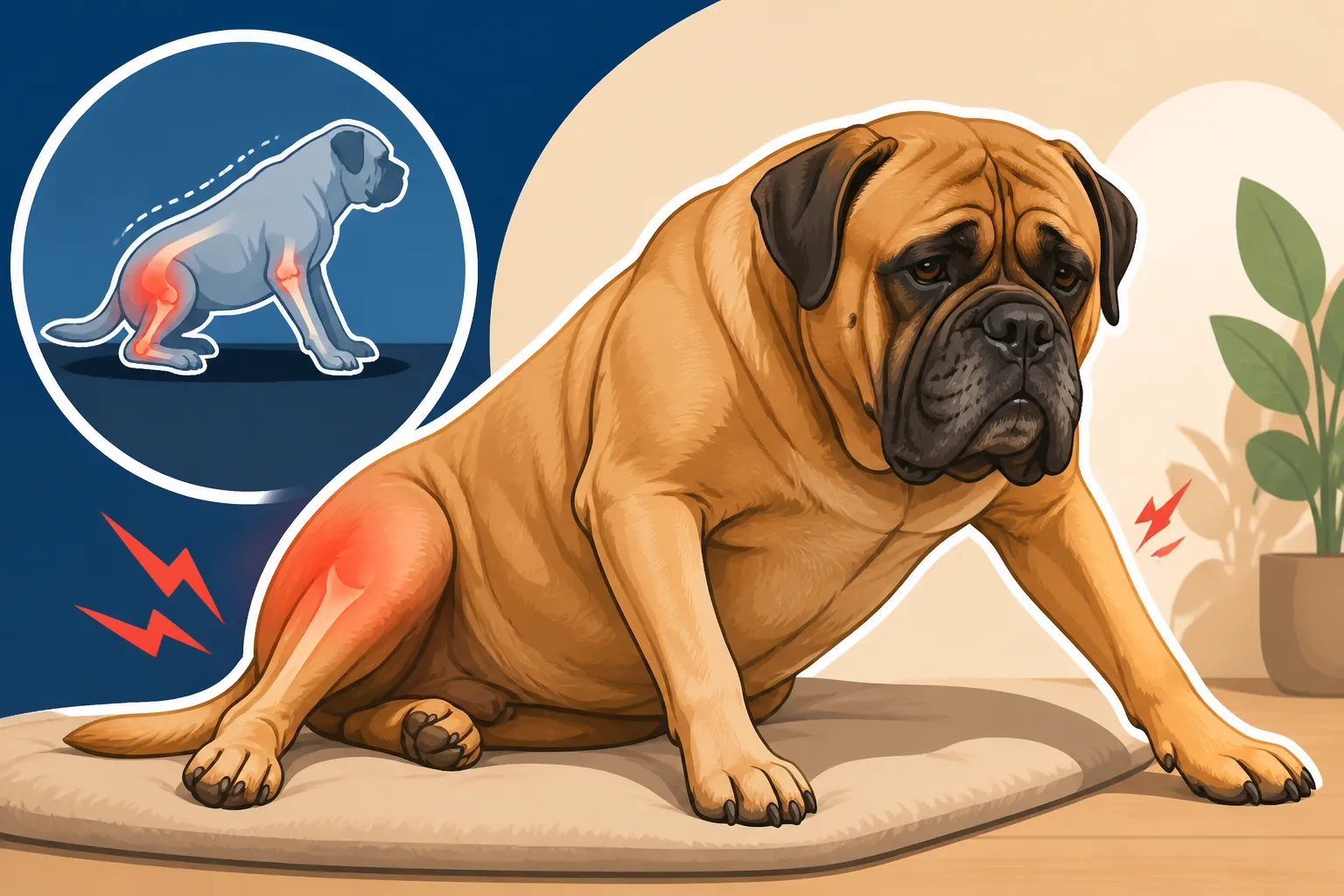
Why an Aging Bullmastiff Struggles to Rise
It’s a sight that absolutely tugs at the heartstrings: your beloved Bullmastiff, once a powerhouse of energy and strength, now hesitating, straining, and sometimes failing to push themselves up from a comfy nap. This isn't just them being a bit lazy; it's a common, often distressing sign that something deeper is affecting their comfort and mobility. This guide is here to walk you through the various reasons an aging Bullmastiff might struggle to rise, what those struggles might signify, and how you can offer the best support to keep them as comfortable and mobile as possible in their golden years.
The Natural Process of Aging and Its Impact on Mobility
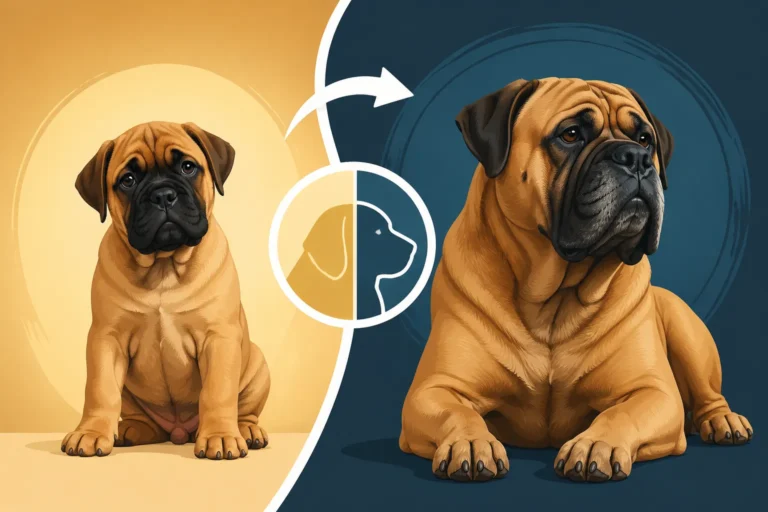
Watching a Bullmastiff age is a unique journey. They mature slowly, often not truly feeling like adults until they are around three years old, and then, it seems, their senior years creep up far too quickly. One of the most noticeable changes, and often the most heartbreaking, is when they start to have difficulty with movements that used to be effortless. It's a natural part of growing older, but for giant breeds like Bullmastiffs, the sheer weight they carry means these changes can manifest with more pronounced struggles.
General Wear and Tear on Joints and Soft Tissues
Just like us, a lifetime of walking, running, and jumping (even if limited in their youth for such a massive breed) takes its toll on a Bullmastiff's body. Their joints, especially the hips, elbows, and spine, experience wear and tear over years of supporting a frame that can easily exceed 130 pounds. This isn't necessarily a specific disease but a general accumulation of minor damage, cartilage degradation, and reduced lubrication within the joint capsules. Think of it like a rusty gate hinge – it can still open, but it takes more effort and often comes with a groan.
As your Bullmastiff moves into its senior years, which for this breed can often start around six years old, the cushioning cartilage in their joints begins to thin. The synovial fluid, which acts as a lubricant, can become less effective, leading to more friction. This friction causes inflammation, pain, and stiffness. When they've been resting, especially for a long time, these inflamed joints become even more rigid, making that initial push to stand a monumental task. You might notice them favoring a certain leg, or perhaps struggling more on one side. This general joint discomfort is often the first and most common culprit in a senior Bullmastiff’s struggle to rise.
Muscle Weakness and Atrophy
Another significant factor often contributing to a Bullmastiff's difficulty standing is the gradual loss of muscle mass, known as atrophy. As dogs age, they tend to become less active, even if they're not in pain, simply due to a general slowing down of their metabolism and energy levels. This decreased activity, combined with natural age-related muscle degeneration, leads to a reduction in muscle strength, particularly in their hindquarters.
Imagine trying to lift a heavy weight when your muscles aren't as strong as they once were. For a Bullmastiff, getting their substantial body off the ground requires powerful muscles in their legs and core. If these muscles are weaker, the effort needed becomes immense, leading to wobbling, struggling, and sometimes needing several attempts to stand. This muscle loss is unfortunately a common part of the aging process, and it creates a vicious cycle: pain leads to less movement, less movement leads to muscle loss, and muscle loss exacerbates the difficulty in moving, increasing the pain. Understanding Why an Aging Bullmastiff Loses Muscle is key to recognizing this aspect of their decline.
Specific Health Conditions Affecting Mobility
While general aging is a factor, it's crucial never to dismiss an aging Bullmastiff’s struggles as "just old age." There are specific, treatable medical conditions that can severely impact their ability to rise and move comfortably. A thorough veterinary examination is always warranted to rule out or diagnose these issues.
Osteoarthritis and Degenerative Joint Disease
The most prevalent specific condition affecting an aging Bullmastiff's ability to rise is osteoarthritis, often referred to as degenerative joint disease (DJD). This chronic and progressive condition affects the joints, causing pain, stiffness, and reduced range of motion. It's particularly common in large and giant breeds due to the immense pressure placed on their joints throughout their lives.
Osteoarthritis can develop from a variety of underlying issues, including previous injuries, obesity, or inherited conditions like Hip Dysplasia in a Bullmastiff and Elbow Dysplasia in a Bullmastiff. Over time, the smooth cartilage that covers the ends of bones within a joint wears away. This leads to bone rubbing against bone, causing inflammation and the formation of bony growths called osteophytes. When your Bullmastiff tries to stand, especially after lying down for a while, these arthritic joints are stiff and painful, making the movement incredibly challenging. You might notice a subtle limp, a reluctance to climb stairs, or a general slowness that gradually worsens. Many owners find themselves asking Whether a Bullmastiff Needs Joint Medication Early as the signs become more apparent.
Spinal Issues and Neurological Conditions
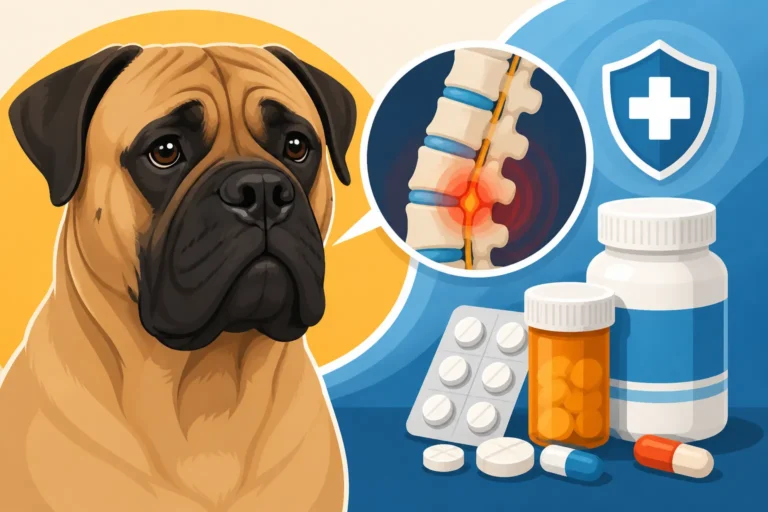
Beyond the limb joints, the spine is another critical area that can cause significant mobility problems in an aging Bullmastiff. Degenerative changes in the discs between the vertebrae, similar to bulging or herniated discs in humans, can put pressure on the spinal cord and nerves. This can lead to pain, weakness, and incoordination in the legs, making it incredibly difficult for your dog to coordinate the muscles needed to push themselves up.
Conditions like degenerative myelopathy (DM) are also possibilities, though less common than arthritis. DM is a progressive disease of the spinal cord that leads to weakness and paralysis, typically starting in the hind limbs. While it's more often associated with breeds like German Shepherds, it can affect any dog. The signs often begin with hind limb weakness, scuffing of paws, and difficulty rising or maintaining balance. Diagnosing these spinal or neurological issues usually involves a comprehensive neurological exam, X-rays, and sometimes advanced imaging like an MRI. Prompt diagnosis is vital, as early intervention can sometimes slow progression or manage pain effectively.
Other Contributing Factors: Weight, Heart Conditions, and General Health
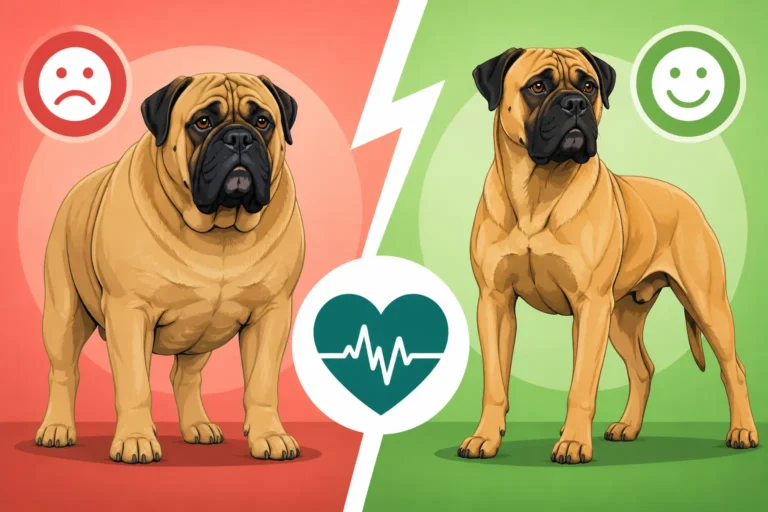
While joint and spinal problems are primary culprits, other aspects of an aging Bullmastiff's health can compound their struggle to rise. Their weight, for instance, plays a huge role. Even a few extra pounds put immense additional stress on already compromised joints, making every movement harder. Keeping a Bullmastiff lean is one of the best things you can do for their longevity and mobility throughout their life, particularly as they age.
Furthermore, general health issues can sap their strength and energy. An aging Bullmastiff might have a subtle heart condition that impacts their overall stamina, making the physical exertion of standing more tiring. It's a good idea to discuss Whether a Bullmastiff's Heart Should Be Rechecked Yearly with your vet. Thyroid issues, which can cause muscle weakness and lethargy, are also a possibility. When you're dealing with multiple health concerns, especially in a giant breed, the costs can add up quickly. This is where pet insurance, like plans offered by Healthy Paws, can be incredibly beneficial, helping to cover diagnostics, medications, and ongoing treatments, ensuring you can prioritize your Bullmastiff’s health without undue financial stress.
Recognizing the Signs and Seeking Veterinary Help
It can be hard to tell if your Bullmastiff is just having an off day or if their struggle to rise is a symptom of something more serious. Our dogs are often stoic, and it’s up to us to observe carefully and advocate for their comfort. Don't wait until the problem is severe; early intervention can make a world of difference.
Subtle Indicators of Pain and Discomfort
Sometimes, the signs are not as obvious as a full collapse. Your Bullmastiff might display more subtle indicators that they are in pain or discomfort when trying to get up. Look for things like a longer time to transition from lying down to standing. Instead of a fluid motion, they might make several attempts, shifting their weight, sighing, or groaning. They might appear stiff, especially after naps or in the morning, and it might take a few steps for them to "warm up" and move more easily.
Other subtle signs include a reluctance to jump into the car, climb stairs, or even engage in their usual playful nudges. They might start avoiding slippery surfaces, preferring carpets or rugs. You might also observe changes in their posture when standing, perhaps a slight arch in their back or a tendency to stand with their hind legs closer together for support. Pay attention to how they settle down too; they might circle more, struggle to find a comfortable position, or shift frequently during sleep. These small cues are their way of telling you that something isn't right.
The Importance of a Comprehensive Veterinary Examination
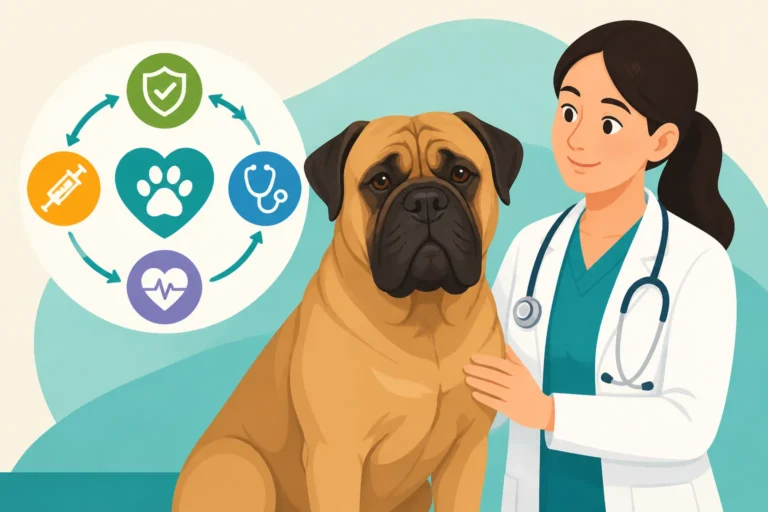
Once you notice your Bullmastiff struggling to rise, the very next step should be a visit to your veterinarian. Do not assume it's "just old age." A thorough physical examination is paramount. Your vet will palpate their joints, assess their range of motion, check their spine for tenderness, and perform a neurological evaluation. They will likely ask you detailed questions about when you first noticed the issue, how it's progressed, and what other symptoms you've observed.
To get a clearer picture, your vet will often recommend diagnostic tests. X-rays are common to assess the severity of osteoarthritis, look for spinal changes, or identify other bony abnormalities. Blood tests can help rule out systemic diseases like hypothyroidism or kidney disease, which can cause weakness and lethargy. In some cases, your vet might suggest an oncology referral if they suspect certain cancers, as some can manifest with bone pain or muscle weakness, though this is less common for just difficulty rising. These diagnostic steps are crucial for identifying the underlying cause, allowing for a targeted and effective treatment plan. While the thought of extensive vet bills can be daunting, remember that having a pet insurance policy from a provider like Healthy Paws can significantly ease the financial burden, making sure your Bullmastiff gets the diagnostics they need.
Supporting Your Aging Bullmastiff's Mobility at Home
Once you have a diagnosis and a treatment plan from your vet, there are many practical ways you can support your Bullmastiff at home to make their life more comfortable and help them regain some ease of movement. Small adjustments can make a world of difference.
Environmental Modifications for Easier Movement
Making your home more accessible for your aging Bullmastiff is a huge step. Start by assessing your floors. Slippery surfaces like tile or hardwood can be terrifying for a dog with compromised mobility, as they struggle to get traction. Lay down runners, rugs, or non-slip mats in high-traffic areas and wherever your Bullmastiff typically rests. Consider a car ramp to help them get in and out of vehicles, saving their joints and your back.
Think about their sleeping arrangements. An orthopedic bed is not a luxury; it's a necessity for a large, aging dog. These beds provide superior support, cushioning their joints and preventing pressure sores. Ensure it's in a quiet, easily accessible spot where they don't have to navigate stairs or obstacles. If they have trouble with stairs, consider blocking access or even carrying them if safe and feasible for short distances (though with a Bullmastiff, that's a big ask!). For dogs who truly struggle to stand, sometimes a lifting harness can provide crucial support, allowing you to assist them gently when they need to get up or go outside. Look into options for What an Orthopedic Bed for a Bullmastiff Costs and What Mobility Aids Cost for a Bullmastiff to plan ahead.
Exercise, Nutrition, and Weight Management
Maintaining appropriate exercise levels and a healthy weight is paramount for an aging Bullmastiff's mobility. While intense activity might be out, regular, gentle exercise is still crucial to maintain muscle mass, flexibility, and prevent stiffness. Short, frequent walks on soft surfaces like grass are often better than one long, strenuous outing. Swimming can be an excellent low-impact exercise if your Bullmastiff enjoys it and has access to a safe pool. Always consult your vet about the appropriate exercise regimen for your individual dog's condition.
Nutrition plays a vital role too. A high-quality diet that supports joint health and maintains a lean body condition is essential. Many senior dog foods are formulated with ingredients like glucosamine, chondroitin, and omega-3 fatty acids, which can help support joint health. Your vet might also recommend specific joint supplements. Keeping your Bullmastiff at an ideal, lean weight cannot be stressed enough; even a few excess pounds can significantly worsen joint pain and difficulty rising. Regular weigh-ins and consistent portion control, as discussed in Keeping a Bullmastiff Lean Is the Best Thing You Can Do, are critical. This proactive approach to health can often lead to fewer vet visits for mobility issues down the line, potentially reducing claims on your Healthy Paws policy.
| Cause of Difficulty Rising | Common Signs to Look For | Potential Veterinary Solutions | At-Home Support |
|---|---|---|---|
| Osteoarthritis/DJD | Stiffness after rest, limping, reluctance to jump/climb, groaning when moving | Anti-inflammatory medications, joint supplements, laser therapy, acupuncture, physical therapy | Orthopedic bed, non-slip rugs, joint supplements, gentle exercise, ramp |
| Muscle Weakness/Atrophy | Wobbling, instability, scuffing paws, visible loss of muscle in hindquarters | Physical therapy, controlled exercise, diet review, muscle-building supplements | Short, frequent walks, non-slip flooring, lifting harness if needed |
| Spinal Issues (e.g., IVDD, DM) | Arched back, knuckling paws, dragging feet, severe pain with touch, weakness in hind legs | Pain medication, anti-inflammatory drugs, muscle relaxants, surgery (for IVDD), physical therapy | Crate rest (for acute injuries), lifting harness, orthopedic bed, controlled movement |
| General Health Issues (e.g., heart disease, hypothyroidism) | Lethargy, coughing, weight gain, dull coat, general weakness, low energy | Specific medications for underlying condition, diet changes | Consistent medication, comfortable resting areas, tailored exercise |
Pain Management and Medication
Managing pain is paramount to improving your Bullmastiff's quality of life and their ability to rise. Your veterinarian will likely prescribe non-steroidal anti-inflammatory drugs (NSAIDs) to reduce pain and inflammation associated with arthritis or other musculoskeletal issues. There are also other medications, such as gabapentin, that can help manage chronic pain or nerve pain. It's incredibly important to follow your vet's instructions precisely regarding dosage and administration, and never give human pain medication to your dog.
Beyond oral medications, your vet might suggest other therapies such as Adequan injections, which help support cartilage health, or even alternative therapies like acupuncture or therapeutic laser treatments. Physical therapy, tailored to your Bullmastiff's specific needs, can also be highly effective in strengthening muscles, improving range of motion, and reducing pain. This can involve exercises, massage, and hydrotherapy. Remember that these long-term care plans can be expensive, and a robust pet insurance plan can ease that burden significantly, allowing you to access the best possible care for your aging companion. For more insights on this stage of life, check out Caring for a Bullmastiff Past Six.
Disclaimer
This article is for general informational purposes only and does not constitute professional advice. Laws, prices and regulations vary by location and change over time. Consult a qualified professional for guidance on your specific situation.