Finding a Bullmastiff Breeder Who Screens Hearts
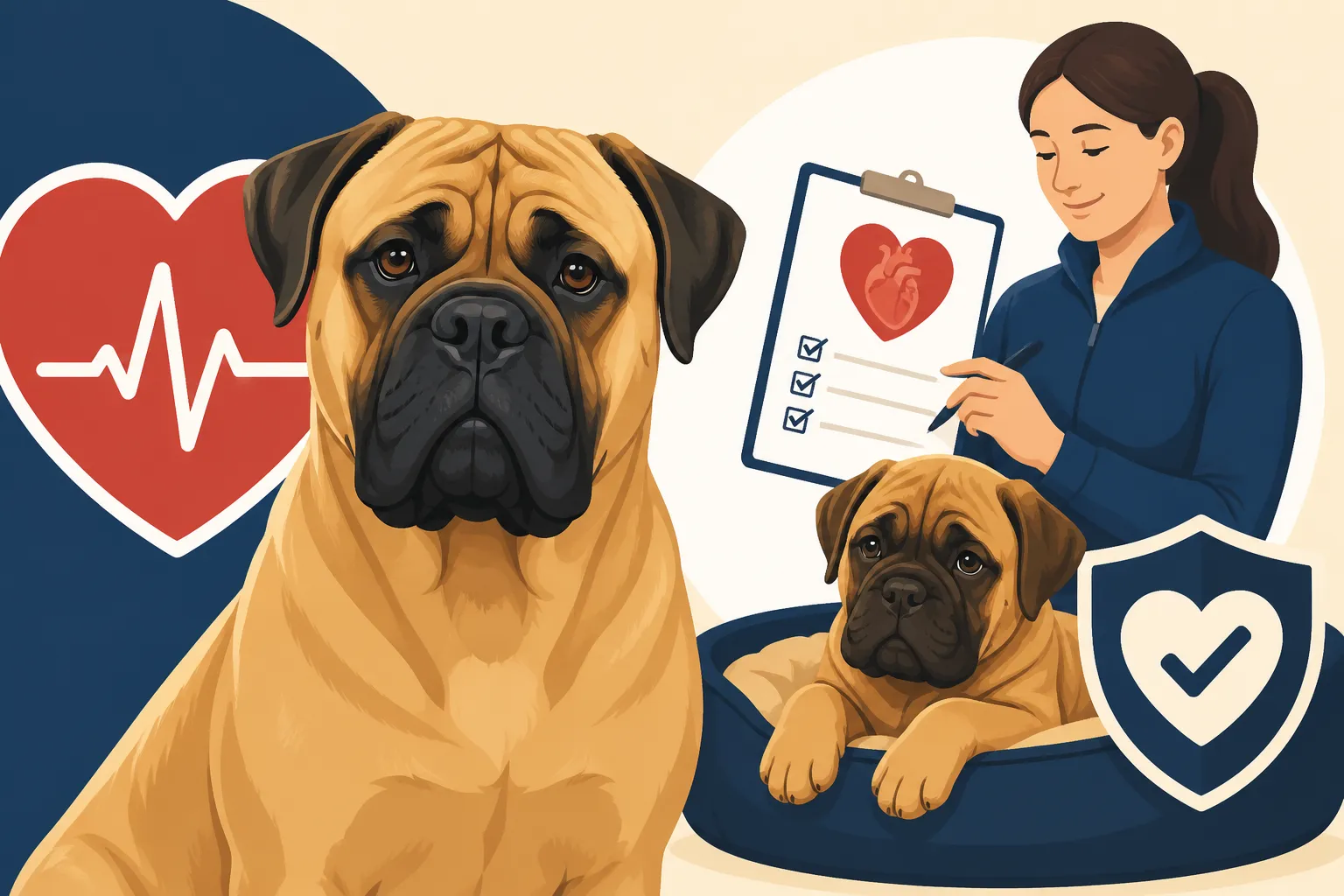
Finding a Bullmastiff puppy can be an exciting, heart-fluttering time, but it's also fraught with worry for responsible prospective owners. One of the biggest fears is unknowingly bringing home a puppy predisposed to serious genetic health issues, especially heartbreaking conditions like inherited heart disease, simply because the breeder skipped crucial screenings. This guide is here to empower you with the knowledge and confidence to identify and partner with a truly ethical Bullmastiff breeder who prioritizes the health and longevity of their dogs by rigorously screening for cardiac problems.
Why Heart Screening is Non-Negotiable for Bullmastiffs
When you’re looking for a Bullmastiff, you’re looking for a gentle giant, a devoted family member who will be a loyal companion for years to come. The thought of them suffering from preventable or detectable health issues is, frankly, gut-wrenching. Unfortunately, like many purebred dogs, Bullmastiffs are susceptible to certain genetic conditions, and heart disease ranks high among the concerns. Ignoring these risks doesn't make them disappear; it simply increases the likelihood of devastating heartbreak and astronomical vet bills down the line. A breeder who doesn't take heart screening seriously is not prioritizing the well-being of their puppies or the families who will love them.
The Genetic Predisposition in Bullmastiffs
It's a harsh reality, but Bullmastiffs, as a breed, have a known genetic predisposition to several cardiac conditions. This isn't a flaw in the dogs themselves, but rather a byproduct of selective breeding over generations, sometimes inadvertently amplifying certain genetic traits. When you consider the sheer size and power of a Bullmastiff, a healthy heart is absolutely paramount. Imagine a dog of this magnificent stature struggling with every breath, unable to enjoy a simple walk, or collapsing suddenly due to an undiagnosed heart issue. It's a tragedy that conscientious breeders actively work to mitigate through careful health screening and selective breeding practices.
For example, subaortic stenosis (SAS) is one such condition that can be particularly prevalent in Bullmastiffs. This inherited heart defect involves a narrowing below the aortic valve, forcing the heart to work much harder to pump blood to the body. This extra strain can lead to serious complications, including sudden death, even in seemingly healthy young dogs. Understanding that these conditions have a higher incidence in the breed underscores why finding a Bullmastiff breeder who screens hearts is not just a preference, but an absolute necessity for the long-term health and happiness of your future companion. It’s about being proactive and ensuring that the genetic lottery is stacked in your favor as much as possible.
The Impact of Undiagnosed Heart Conditions
The consequences of an undiagnosed heart condition in a Bullmastiff can be profound and devastating. For the dog, it can mean a life of chronic discomfort, limited activity, and a dramatically shortened lifespan. We're talking about a dog that might not make it past its early years, leaving a gaping hole in your family and an immense amount of grief. For the owners, the emotional toll is immense, watching a beloved pet decline or face a sudden, unexpected loss. But beyond the emotional cost, there's a significant financial burden. Diagnosing and managing heart disease in a giant breed like a Bullmastiff involves specialist consultations, echocardiograms, medications, and potentially costly emergency care.
Think about it: an emergency vet visit for a collapsing dog, coupled with advanced cardiac imaging and a lifetime of specialized medication, can easily run into thousands of dollars. While pet insurance can help, many policies have waiting periods or may not cover pre-existing conditions if the issue isn't diagnosed and documented after the policy begins. This is why thorough screening by the breeder is so critical. It’s an investment in a healthier future, potentially saving you from immense heartache and financial strain. It allows you to enter ownership with greater peace of mind, knowing that foundational steps have been taken to minimize the risk of these common, yet serious, breed-specific heart problems.
Understanding the Specific Heart Conditions in Bullmastiffs
When you start diving into the world of Bullmastiff health, you'll quickly learn that "heart disease" isn't just one single thing. It's an umbrella term covering several distinct conditions, each with its own nuances, screening methods, and potential impact. Knowing these specifics will help you understand why certain tests are performed and what the results actually mean when you're talking to a breeder. It also prepares you for the possibility that even with the best screening, no dog is ever guaranteed perfectly healthy, but the risks are significantly reduced.
Subaortic Stenosis SAS
As mentioned, subaortic stenosis (SAS) is a significant concern for Bullmastiffs. This congenital condition, meaning the dog is born with it, involves a fibrous ring or ridge of tissue located just below the aortic valve, obstructing the flow of blood out of the left ventricle. Imagine a bottleneck in a major highway; that's essentially what SAS creates for the heart. The heart has to pump much harder to push blood past this obstruction, leading to thickening of the heart muscle and eventually, potential heart failure. The severity can vary greatly, from mild to severe. In its severe form, SAS can lead to sudden cardiac death, often without prior symptoms, which is truly devastating for owners. This is why a thorough check, preferably by a board-certified veterinary cardiologist, is so vital. You can read more about What Subaortic Stenosis Does to a Bullmastiff to understand the mechanisms of this disease.
A veterinarian will often pick up a heart murmur during a routine physical exam in puppies with SAS. However, not all murmurs are indicative of SAS, and not all SAS cases present with a loud murmur. This is where specialized cardiac screening comes in, differentiating benign murmurs from those that signal a serious underlying problem. The age subaortic stenosis is found in a Bullmastiff can vary, but it's often detected in puppyhood during initial health checks, or sometimes later in life as the condition progresses. A breeder should be able to discuss the prevalence of SAS in their lines and what steps they take to screen their breeding animals specifically for this condition.
Dilated Cardiomyopathy DCM
Another serious heart condition to be aware of in Bullmastiffs, particularly as they age, is Dilated Cardiomyopathy (DCM). Unlike SAS, which is typically present from birth, DCM is often an acquired disease, meaning it develops later in life. In DCM, the heart muscle becomes thin and weak, and the chambers, especially the left ventricle, become enlarged or "dilated." This makes the heart less efficient at pumping blood, leading to a host of symptoms like lethargy, coughing, difficulty breathing, and exercise intolerance. Ultimately, it can lead to congestive heart failure. While some forms of DCM are inherited, the exact genetic basis in all cases is complex and not always fully understood, making screening for breeding dogs even more crucial.
Diagnosing DCM typically involves an echocardiogram, which allows a cardiologist to visualize the heart's structure and function. Because it can manifest later in life, even breeding dogs that tested clear for other conditions as youngsters should ideally undergo repeat cardiac evaluations as they mature, especially if they are still part of a breeding program. A breeder should be transparent about the history of DCM in their dogs' pedigrees, including any close relatives, to give you the most complete picture of your potential puppy's genetic risk. This proactive approach helps to reduce the likelihood of this debilitating disease affecting future generations.
What a Reputable Breeder Should Be Doing for Heart Health
When you’re seeking a Bullmastiff puppy, a reputable breeder isn't just someone with cute puppies and a nice website. They are individuals deeply committed to the health, temperament, and future of the breed. For Bullmastiffs, this absolutely means a proactive, transparent approach to heart health screening. They understand that their choices impact not just their own dogs, but the entire breed's health legacy. Anything less than rigorous screening is a disservice to the dogs and to you.
Cardiac Exam by a Board-Certified Cardiologist
This is the gold standard, folks. A reputable breeder will have their breeding dogs examined by a board-certified veterinary cardiologist. Why a specialist? Because detecting subtle heart abnormalities requires an expert eye (and ear!). A general vet is perfectly capable of detecting a prominent heart murmur, but a cardiologist can perform a much more thorough evaluation, including auscultation (listening to the heart) and an echocardiogram. An echocardiogram is essentially an ultrasound of the heart that allows the specialist to see the heart's chambers, valves, and blood flow in real-time. This is how conditions like SAS are definitively diagnosed and their severity graded.
These evaluations should ideally be performed on adult breeding dogs before they are bred, and then periodically throughout their breeding career, especially if they are producing multiple litters. A breeder should be able to provide clear documentation of these examinations, complete with the cardiologist’s findings and official OFA (Orthopedic Foundation for Animals) certification numbers. This isn't just a "vet check"; it's a specialized, in-depth assessment. Don't be shy about asking for these documents; it’s your right as a prospective buyer and a sign of a breeder's integrity. These are the kinds of detailed health checks that truly matter. You want to make sure your Bullmastiff breeder screens for heart disease.
OFA Cardiac Certification
The Orthopedic Foundation for Animals (OFA) is a well-respected organization that maintains a public database of health screening results for purebred dogs. For cardiac health, OFA offers certification based on examinations by board-certified cardiologists. When a breeder submits their dog's cardiac exam results to OFA, and the dog is found to be free of significant inherited heart disease, they receive an OFA Cardiac certification number. This certification provides an objective, verifiable record of the dog's heart health status at the time of examination.
A breeder who is serious about heart health will have OFA certifications for all their breeding stock. These certifications typically specify the type of exam (e.g., "Echocardiogram – Specialist"), the date of the exam, and the results. This is crucial because it's not enough for a breeder to simply say their dogs have "healthy hearts"; you need to see the verifiable documentation. These certifications are often publicly searchable on the OFA website, allowing you to independently verify the health claims. If a breeder hedges or can’t provide these, it’s a significant red flag. This commitment to transparency and public record-keeping is a hallmark of an ethical breeder.
Questions to Ask About a Breeder's Screening Practices
When you're interacting with a Bullmastiff breeder, your questions are your most powerful tools. Don't just ask "Are your dogs healthy?" — that's too broad. You need to dig deep, asking specific, informed questions about their heart screening protocols. A good breeder will welcome these questions and be eager to provide detailed answers and documentation. They understand that you’re doing your due diligence, and they respect that.
Specifics on Cardiac Health Tests Performed
You need to ask about the specific cardiac health tests performed on their breeding dogs. Don't just accept a vague "vet checked." Ask:
- "Have your breeding dogs had an echocardiogram performed by a board-certified veterinary cardiologist?"
- "At what age were these echocardiograms performed?" (Remember, some conditions can manifest later, so a single puppy check isn't enough for a breeding adult.)
- "What were the results of these echocardiograms, specifically regarding Subaortic Stenosis (SAS) or Dilated Cardiomyopathy (DCM)?"
- "Can you provide the OFA Cardiac certification numbers for both parents of the litter?"
A transparent breeder will not only answer these questions confidently but will also have the actual reports and certifications ready to share with you. They might even proactively show them to you. If they seem hesitant, defensive, or give you generic answers without specifics, it's a huge cause for concern. Remember, this isn't just about avoiding a sick puppy; it's about supporting breeders who are genuinely trying to improve the breed's health. In addition to asking about the parents, it's worth asking Why a Bullmastiff litter should be screened if they offer any preliminary checks on the puppies themselves.
Family History of Heart Disease
Even with individual screening, genetics play a huge role. You absolutely must inquire about the family history of heart disease in the breeder's lines. This means asking about the health of the parents, grandparents, and any siblings or offspring of the breeding dogs. Specifically, ask:
- "Has there ever been a case of Subaortic Stenosis (SAS) or Dilated Cardiomyopathy (DCM) diagnosed in any dogs related to your breeding pair?"
- "Do you track the causes of death for dogs produced in your pedigrees, particularly regarding sudden cardiac events?"
- "What steps do you take if a relative of your breeding dogs is diagnosed with a severe cardiac condition?"
An ethical breeder will maintain meticulous records, not just of their own dogs, but of their extended family members. They should be aware of health trends in their lines and be transparent about any known issues. They won't breed from lines with a high incidence of severe inherited heart disease, even if their current breeding dogs individually pass their screenings. They understand the nuances of genetic inheritance and strive to avoid perpetuating known problems. This comprehensive approach to tracking health beyond just the immediate parents is a hallmark of true dedication.
Interpreting Heart Health Results and Certifications
Okay, so you’ve asked the right questions, and the breeder has provided you with documentation. That’s fantastic! But now what? You need to be able to understand what those certificates and reports actually mean. It’s not enough to just see a piece of paper; you need to interpret the information to ensure you're making an informed decision about your future Bullmastiff.
Understanding OFA Certifications
Let's dive a little deeper into OFA Cardiac certifications. When a dog receives an OFA Cardiac number, it means they have been examined by a board-certified veterinary cardiologist and found to be free of clinically apparent inherited cardiac disease at the time of examination. The key here is "clinically apparent" and "at the time of examination." This isn't a lifelong guarantee, especially for conditions that can develop later, like some forms of DCM. However, it's the best available tool for breeders to demonstrate a commitment to screening.
When reviewing an OFA certificate, look for:
- The dog's registered name and registration number: This ensures you're looking at the correct dog.
- The type of exam: It should ideally state "Echocardiogram – Specialist." A simple "Practitioner Exam" or "Auscultation Only" is less thorough and generally not sufficient for breeds prone to serious heart conditions.
- The date of the exam: This tells you how recently the dog was screened. Ideally, breeding dogs should have current certifications, especially if they are older.
- The result: It should state "Normal."
If a breeder shows you an OFA certificate from years ago on a dog that has had multiple litters since, it's fair to ask if they've had more recent re-evaluations. For breeds like Bullmastiffs, with a propensity for conditions like DCM which can manifest later in life, some cardiologists recommend periodic re-screening for breeding animals. This is part of the long-term commitment to breed health. To understand what this means for recurring checks, consider Whether a Bullmastiff's heart should be rechecked yearly.
What a "Clear" Result Really Implies
When a breeder says a dog is "clear" of heart disease, it means that at the time of their specialist cardiac exam, no evidence of inherited heart disease was found. This is excellent news and exactly what you want to hear. However, it's important to understand the limitations:
- It's a snapshot: A "clear" result is a snapshot in time. For conditions like DCM, which can develop later, a young dog might test clear but develop the condition as an older adult. This is why multi-generational health tracking and continuous screening are important.
- It doesn't guarantee future health: No test can guarantee that a dog will never develop any heart condition. It significantly reduces the risk of known inherited conditions that are screened for.
- It relies on the specialist's expertise: The reliability of the "clear" result is directly tied to the expertise of the board-certified cardiologist performing the exam. This is why reputable breeders insist on specialist evaluations.
A good breeder will explain these nuances to you. They won't over-promise or guarantee perfect health, because they know that biology is complex. Instead, they will explain that they are doing everything within their power, using the best available diagnostic tools, to produce puppies with the lowest possible risk for these devastating conditions. This realistic and honest approach is a sign of a truly ethical and knowledgeable breeder.
Red Flags to Watch Out For When Choosing a Breeder
Unfortunately, not all breeders operate with the same high standards. There are individuals who prioritize profit over health, and it's your job as a prospective puppy owner to be vigilant. Knowing the red flags can save you from immense heartache, financial strain, and the ethical dilemma of supporting irresponsible breeding practices.
Lack of Documentation or Evasiveness
This is perhaps the biggest and most obvious red flag. If a breeder cannot, or will not, provide clear, verifiable documentation of their breeding dogs' health screenings, especially OFA Cardiac certifications, walk away. Period. There's simply no excuse for it. Any claims of "my vet said they're healthy" without accompanying specialist reports and certifications are insufficient.
- "My vet checks them, but I don't send to OFA." This is a weak excuse. OFA provides public verification and tracking. A good breeder embraces transparency.
- "I lost the papers." Unacceptable. Health records are paramount.
- "It's none of your business." A breeder who says this has something to hide. A responsible breeder understands your concerns and wants to educate you.
- Vague answers or changing stories. If you ask specific questions about SAS or DCM and get a rambling, non-committal answer, it's a huge warning.
A truly responsible breeder is proud of their health testing efforts and will eagerly share the results. They've invested time and money into these screenings because they care deeply about the health of their lines. Any evasiveness or inability to provide concrete evidence means they either aren't doing the testing, or the results aren't what you'd want to see.
Breeding Unscreened or Failing Dogs
This might seem obvious, but some breeders, knowingly or unknowingly, breed dogs that haven't been properly screened or, worse, dogs that have failed their health screenings. This is profoundly irresponsible and contributes directly to the perpetuation of genetic diseases within the breed.
- No OFA numbers for parents: If a breeder claims to screen but can't produce OFA certification numbers for both the sire and dam, they likely haven't done the proper screening, or the results weren't good.
- Breeding dogs with known cardiac issues: Some breeders might rationalize breeding a dog with a "mild" heart murmur or a low-grade SAS, hoping it won't be passed on. This is a gamble with a puppy's life and the future of the breed. Reputable breeders would never take such a risk.
- Breeding too young: Breeding dogs before they are fully mature and have had appropriate health screenings (which often have age requirements, like 24 months for hip/elbows) is another sign of an irresponsible breeder. While cardiac screening can happen earlier for some conditions, a full health profile should be completed before breeding.
Remember, the goal of ethical breeding is to improve the health of the next generation. Breeding dogs with known genetic predispositions or without proper screening goes against this fundamental principle. You are looking for a breeder committed to best practices, not cutting corners.
No Health Guarantee or a Vague One
While no breeder can guarantee a dog will never have health issues, a reputable breeder will offer a clear, written health guarantee as part of their contract. This guarantee should specifically address inherited health conditions, including cardiac issues.
- No mention of health in the contract: If the contract is only about payment and registration, and omits any health guarantee, it's a huge problem.
- Vague "healthy puppy" claims: A guarantee that simply states the puppy is "healthy at the time of sale" isn't enough. It needs to cover conditions that might not manifest until later.
- Unreasonable demands in the guarantee: Some guarantees might require you to return the puppy or jump through impossible hoops to get any recourse if a genetic issue arises. A fair guarantee will outline what happens if a serious, inherited condition is diagnosed within a reasonable timeframe (e.g., 1-2 years) and may offer a replacement puppy or partial refund, often with the requirement that the original puppy is spayed/neutered if the condition is not life-threatening.
A solid health guarantee shows that the breeder stands behind their puppies and their breeding practices. It demonstrates their confidence in the health of their lines and their commitment to you as a buyer. Be sure to read the entire contract carefully and ask questions about the health guarantee before you commit to anything.
Beyond the Heart: Other Crucial Health Screenings
While finding a Bullmastiff breeder who screens hearts is paramount, it's important to remember that comprehensive health testing goes beyond just cardiac evaluations. Bullmastiffs, like all large and giant breeds, are susceptible to a range of other inherited conditions that reputable breeders also diligently screen for. An excellent breeder understands that a truly healthy dog requires a holistic approach to genetic health.
Hip and Elbow Dysplasia
Given their impressive size and weight, hip and elbow dysplasia are critical concerns for Bullmastiffs. These are abnormal formations of the hip and elbow joints that can lead to arthritis, pain, and lameness, significantly impacting a dog's quality of life. The Orthopedic Foundation for Animals (OFA) also provides certifications for these conditions, based on radiographic evaluations (X-rays) by veterinary radiologists.
A reputable breeder will have OFA certifications for hips and elbows on both parent dogs, indicating that they are free of dysplasia. For hips, the ratings range from Excellent to Fair (all considered passing for breeding), with Dysplastic as a failing grade. For elbows, the rating is simply "Normal" or a grade of dysplasia (Grade I, II, or III). Seeing "OFA Excellent Hips" or "OFA Normal Elbows" on both parents is what you want to look for. This commitment to screening for structural soundness is just as important as cardiac health for a giant breed. If you are interested in how these joints function under their immense weight, you can investigate Hips and Elbows Under a Hundred and Thirty Pound Bullmastiff.
Eye Conditions
Bullmastiffs can also be prone to certain eye conditions. While less immediately life-threatening than severe heart disease or crippling dysplasia, they can still impact a dog's comfort and vision. One common concern is entropion, where the eyelid rolls inward, causing eyelashes to rub against the cornea. This can be painful and lead to irritation, infection, and corneal ulcers.
Breeders should have their breeding dogs examined by a board-certified veterinary ophthalmologist, with results often recorded through OFA or the Canine Eye Registry Foundation (CERF), now part of OFA's database. This eye exam checks for a variety of conditions, including entropion, ectropion, and cataracts. Look for certificates indicating a "Normal" eye exam within the past 12-18 months. Regular eye checks are important, as some conditions can develop or worsen over time. This meticulous attention to detail highlights a breeder's comprehensive approach to health.
Thyroid Function
Hypothyroidism, an underactive thyroid gland, is another condition that can affect Bullmastiffs. While typically manageable with daily medication, it can cause a range of symptoms including weight gain, lethargy, skin problems, and a dull coat. It can also impact a dog's temperament and reproductive health.
Reputable breeders will screen their breeding dogs for thyroid function, often through blood tests submitted to OFA's thyroid registry. Look for "Normal" thyroid certifications, typically on an annual or bi-annual basis, depending on the dog's age and health history. A breeder should be able to discuss the thyroid health of their lines and what measures they take to ensure healthy thyroid function in their breeding animals. This shows a commitment to not just serious life-threatening diseases but also to conditions that can impact a dog's overall well-being and daily comfort, ensuring a higher quality of life for your future companion. You might want to consider Hypothyroidism in a Bullmastiff for a deeper dive into this condition.
The Ongoing Commitment to a Bullmastiff's Heart Health
Bringing home a Bullmastiff puppy from a health-tested line is an incredible start, but it's important to understand that your commitment to their heart health doesn't end there. As owners, we play a crucial role in monitoring our dogs and providing them with the best possible care throughout their lives. Even with the most rigorous breeding practices, health is a lifelong journey, and staying vigilant is part of being a responsible Bullmastiff parent.
Regular Veterinary Check-ups and Monitoring
Once your Bullmastiff puppy is home, regular veterinary check-ups are paramount. Your general veterinarian will conduct routine physical exams, including listening to your dog's heart, at each wellness visit. This is their primary opportunity to detect any new murmurs or changes that might warrant further investigation. While a general vet isn't a cardiologist, they are your first line of defense in monitoring your dog's overall health.
It's important to be proactive during these visits. Discuss your Bullmastiff's breed predispositions with your vet, specifically mentioning conditions like SAS and DCM. Don't be afraid to ask your vet, "Are you still hearing a clear heart rhythm?" or "Are there any signs that would suggest a cardiac issue?" Being an informed owner who actively participates in their dog's healthcare team can make a significant difference in early detection. Many pet insurance providers, like Healthy Paws, emphasize the importance of regular preventative care in their policies, often covering unexpected illnesses that can arise even with the best genetic backgrounds.
Lifestyle Choices for Heart Health
Beyond genetics and vet visits, daily lifestyle choices have a massive impact on your Bullmastiff’s heart health. Just like in humans, diet, exercise, and weight management play crucial roles in maintaining cardiovascular well-being. Keeping your Bullmastiff at a healthy, lean weight is perhaps one of the most critical things you can do. Excess weight puts additional strain on the heart, exacerbating any underlying conditions and increasing the risk of new ones.
Work with your veterinarian to establish a proper feeding plan. Quality large-breed dog food is essential, and brands like Chewy and Ollie often carry formulations specifically designed for the nutritional needs of large and giant breeds. These diets aim to support slow, steady growth in puppies and maintain ideal body condition in adults. Portion control is key; Bullmastiffs are not typically self-regulators. Regular, moderate exercise that is appropriate for their age and energy level is also vital, but always avoid over-exertion, especially in heat or if your dog has any known heart issues. Remember, a Bullmastiff needs consistent, moderate activity, not extreme endurance feats. Maintaining a lean physique and a moderate exercise routine will go a long way in supporting their heart and overall health for as long as possible.
Recognizing Signs of Cardiac Issues
As a Bullmastiff owner, you become intimately familiar with your dog's normal behaviors and energy levels. This intimate knowledge makes you uniquely positioned to spot subtle changes that could indicate a developing health issue, including a cardiac one. It's easy to dismiss a bit of sluggishness as just "being a Bullmastiff," but it's important to know the signs that might mean something more.
Keep an eye out for any of these symptoms:
- Excessive coughing or gagging: Especially if it's new or seems persistent.
- Difficulty breathing or increased respiratory effort: You might notice faster breathing, panting when not hot or exercising, or abdominal effort during breaths.
- Lethargy or decreased exercise tolerance: Your dog may tire more easily during walks or be less enthusiastic about play.
- Fainting or collapsing: This is a serious emergency and requires immediate veterinary attention.
- Swelling of the abdomen (ascites) or legs: This can indicate fluid retention due to heart failure.
- Changes in appetite or weight loss/gain: Unexplained changes should always be investigated.
If you notice any of these signs, don't delay. Contact your veterinarian immediately. Early detection and intervention can significantly improve the prognosis for many cardiac conditions. While it's natural to hope for the best, being prepared to act swiftly is the most loving thing you can do for your Bullmastiff.
Table: Key Cardiac Screenings for Bullmastiffs
| Screening Test | What it Checks For | Who Performs It | Ideal Age for Breeding Dogs | OFA Certification | Key Takeaway |
|---|---|---|---|---|---|
| Auscultation | Heart murmurs, abnormal rhythms (first pass detection) | General Veterinarian, Cardiologist | Puppyhood, annually | Not typically standalone for OFA | Initial detection, requires follow-up |
| Echocardiogram | Structural integrity of the heart, blood flow, chamber size, valve function | Board-Certified Veterinary Cardiologist | Before breeding (adults), ideally repeated periodically | Yes, "Echocardiogram – Specialist" | Gold standard for SAS, DCM diagnosis/severity |
| Holter Monitor | 24-hour heart rhythm monitoring (detects intermittent arrhythmias) | Board-Certified Veterinary Cardiologist | As needed, or for lines with known arrhythmia history | Yes, as part of comprehensive evaluation | Detects hidden rhythm issues not seen in a brief exam |
| ProBNP Blood Test | Levels of a hormone released by stretched heart muscle (indicates heart stress) | General Veterinarian, Cardiologist | As needed, often for monitoring | No | Screening for early signs of heart disease or monitoring progression |
Disclaimer
This article is for general informational purposes only and does not constitute professional advice. Laws, prices and regulations vary by location and change over time. Consult a qualified professional for guidance on your specific situation.