A Bullmastiff With Children
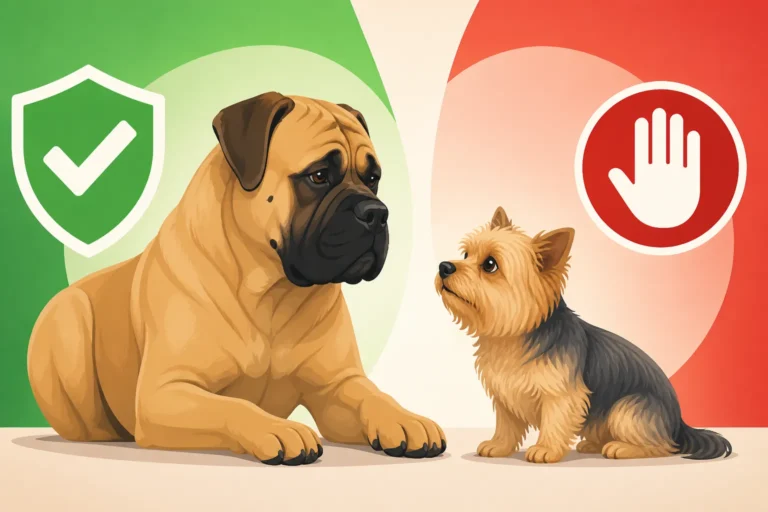
The idea of bringing a giant, powerful dog like a Bullmastiff into a home with children can feel incredibly daunting. You might be picturing scenarios of accidental knock-overs, overwhelming play, or even questioning if such a strong guard dog can truly be trusted with the vulnerability of little ones. It's a completely valid concern, and one that many prospective Bullmastiff owners grapple with, worried about striking the right balance between safety and companionship. This comprehensive guide is here to alleviate those fears by walking you through everything you need to know about successfully integrating a Bullmastiff into a family with children, focusing on temperament, training, and creating a harmonious environment for everyone.
Understanding the Bullmastiff Temperament Around Children
When you consider a Bullmastiff, often the first images that come to mind are their sheer size and their history as formidable guard dogs. It’s natural to wonder how such a powerful animal could coexist peacefully, let alone lovingly, with young children. However, many Bullmastiff owners will tell you that beneath that impressive exterior lies a heart of gold, particularly when it comes to their family. But it's not simply a matter of inherent sweetness; understanding their breed-specific traits is crucial for managing expectations and fostering a safe relationship.
The Gentle Giant Reputation: Fact or Fiction?
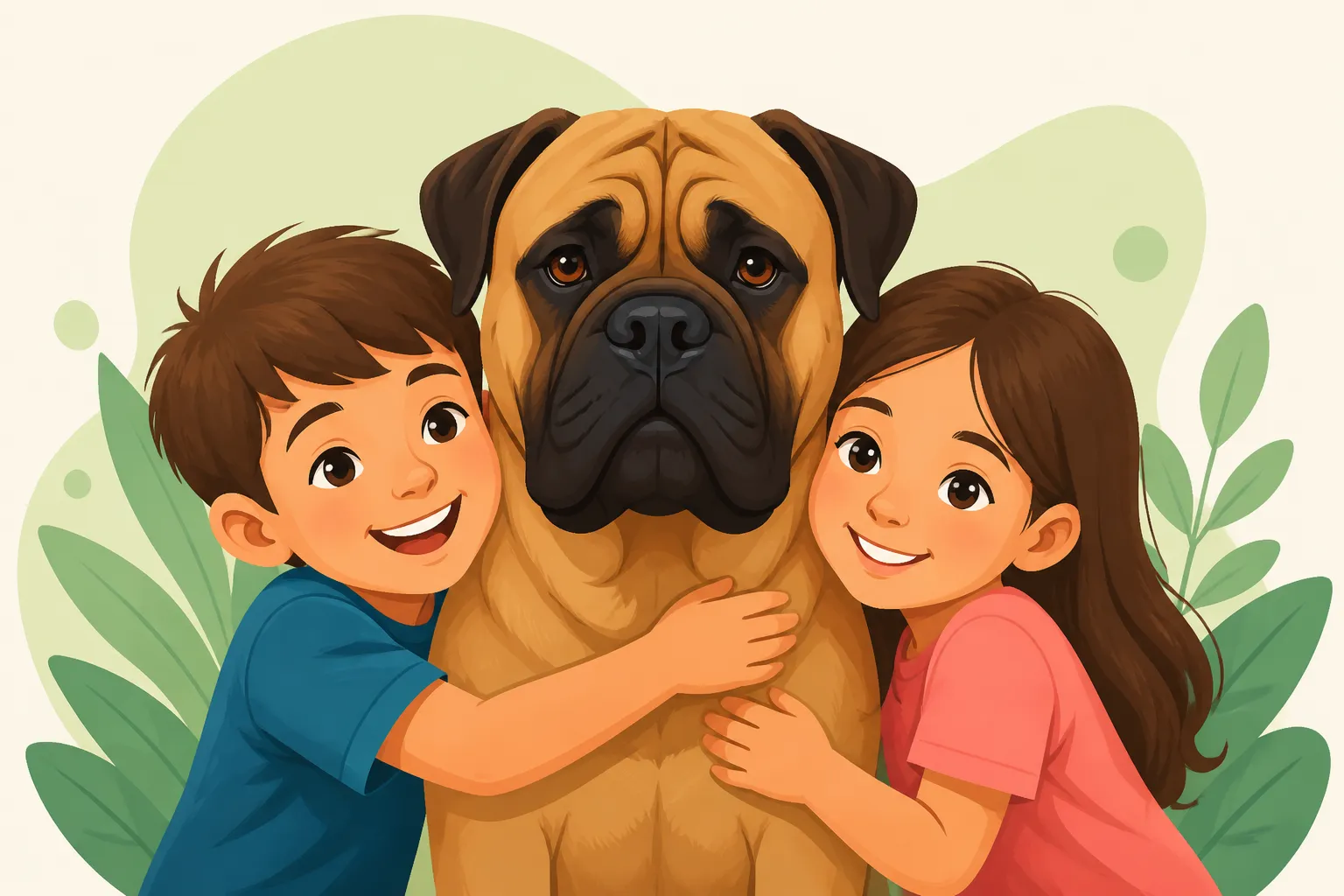
The term "gentle giant" is often tossed around when describing large breeds, and for the Bullmastiff, it frequently holds true within their own homes. These dogs are typically calm, confident, and surprisingly mellow indoors once past their boisterous puppy stage. They often develop a profound bond with their human family members, displaying a remarkable patience and protectiveness. It's not uncommon to find a Bullmastiff curled up on the rug, tolerating a toddler's clumsy pets or using their impressive bulk as a furry pillow for napping kids. Their loyalty is unwavering, and they tend to view children as part of their "flock" to be watched over.
However, this gentleness is not a given without proper upbringing and management. A Bullmastiff that isn't well-socialized, or one that hasn't learned appropriate manners, can still present challenges. Their large size alone means that even an accidental bump can send a small child sprawling. It's less about malice and more about sheer physics. Therefore, while their disposition leans towards gentle, it's the owner's responsibility to cultivate and safeguard that trait through consistent training and vigilant supervision. The reputation is real, but it's built, not just born.
Natural Instincts: Guarding vs. Nurturing
Bullmastiffs were originally bred to be "Gamekeeper's Night Dogs," tasked with tracking and holding poachers without inflicting harm. This history imbues them with a strong protective instinct, but one that is typically expressed through deterrence and containment rather than aggression. They are generally watchful and will place themselves between their family and perceived threats, often without a single bark. You might notice your Bullmastiff casually "body blocking" a stranger approaching your child, or positioning themselves between your child and the front door when guests arrive. This isn't aggression; it's their job, as they see it.
When it comes to children, this protective instinct can manifest as a nurturing guardianship. They often adopt children as "their" charges, often following them from room to room or settling near them during playtime. However, it's vital to teach both dog and child boundaries to prevent this guarding from becoming possessive or overbearing. The challenge lies in channeling this innate protective drive into appropriate, family-friendly behaviors. For instance, while a Bullmastiff might naturally try to protect a child who falls, they need to be taught not to see friendly visitors as threats. This distinction is paramount for a safe household.
Patience and Tolerance Levels
One of the most remarkable qualities of a well-adjusted Bullmastiff in a home with children is their incredible patience. They often endure the pokes, prods, and curious investigations of young children with a stoicism that belies their size. Many owners report their Bullmastiffs simply sighing and shifting position rather than reacting negatively to an innocent tug of the ear or tail. This high tolerance threshold makes them wonderful companions, as they are less likely to be startled or irritated by the unpredictable movements and noises of kids.
However, every dog has its limits, and it's unfair to expect any dog, regardless of breed, to tolerate constant harassment. Even the most patient Bullmastiff can become stressed or reactive if pushed too far, especially if they are in pain, startled from sleep, or guarding a valued resource. It is absolutely crucial for parents to be the ultimate arbiters of these interactions, stepping in before the dog reaches its breaking point. Teaching children to respect the dog's space and signal when they need a break is just as important as the dog's patience. Think of their patience as a wonderful asset, not an excuse for lax supervision.
Introducing a Bullmastiff to Children: Best Practices
Bringing a new dog into a family with children, whether it's a tiny puppy or a mature rescue, requires careful planning and a structured approach. With a Bullmastiff, whose size commands respect, these introductions are even more critical to ensure safety, build trust, and establish clear expectations from day one. Skipping steps or hoping for the best can lead to stressful situations for both the dog and the children involved.
Puppyhood Socialization with Kids
If you're bringing home a Bullmastiff puppy, early and positive socialization with children is paramount. From the moment they arrive, expose them to calm, supervised interactions with kids of various ages. This isn't about letting children overwhelm the puppy; it's about creating positive associations. Have children offer treats gently, engage in appropriate play, and practice calm interactions. Focus on quality over quantity. A puppy that learns that children mean good things – gentle pets, tasty snacks, and fun (but controlled) games – is far more likely to grow into a tolerant and affectionate adult.
Crucially, this period also involves teaching the puppy bite inhibition. Puppies naturally nip during play, but with a Bullmastiff, those nips can quickly become powerful as they grow. Teach them that human skin is fragile, using yelps and withdrawing attention if they bite too hard. Similarly, teach children to understand that puppies use their mouths to explore and play, but also how to respond if a bite becomes too much. Early and consistent positive reinforcement training, like that offered by programs such as BAXTER & Bella, can provide a fantastic foundation, helping you shape good behaviors before they become ingrained habits in your rapidly growing giant. Remember, a Bullmastiff puppy grows at an alarming rate; what's cute at 10 pounds can be problematic at 50 or 100. The First Year With a Bullmastiff Puppy is a critical time for shaping these interactions.
Bringing an Adult Bullmastiff Home to Children
Adopting an adult Bullmastiff, especially from a rescue, can be incredibly rewarding, but it requires an even more cautious introduction to children. You often have less knowledge of the dog's past experiences with kids, and a large, anxious dog can be more challenging to manage. Start with very gradual, supervised "meet and greets." Initially, keep the dog on a leash and muzzle if there are any doubts about their history. Allow the dog to observe children from a distance, rewarding calm behavior. Slowly, shorten the distance as both dog and children appear comfortable.
Never force interaction. Let the dog approach the child on their own terms, and ensure children understand to move slowly and quietly. It can be helpful to have the child sit on a couch or chair, making them less imposing and easier for the dog to approach. Have them offer a treat from an open palm, then gently stroke the dog's shoulder or chest rather than reaching over its head. It’s also wise to set up a safe space for the new dog, like a crate or a room where children are not allowed, giving the Bullmastiff a sanctuary to retreat to when they need a break. Patience is key here; building trust takes time and consistent positive experiences.
Supervising Interactions for Safety
Regardless of whether your Bullmastiff is a puppy or an adult, strict and constant supervision is non-negotiable when children and dogs are together, especially with a breed of this size. This isn't just about preventing aggression; it's about preventing accidental injury due to size or exuberance. Never leave young children unattended with a Bullmastiff, no matter how trustworthy you believe your dog to be. An adult needs to be present, actively watching, and ready to intervene.
Supervision means more than just being in the same room. It means being actively engaged in guiding the interaction, ready to correct either dog or child if boundaries are being tested. Teach children to ask permission before approaching the dog, and teach the dog to calmly accept pets. Establish a "no-go" rule for the dog when they are eating, sleeping, or enjoying a chew toy to prevent resource guarding. An Orthopedic Bed for a Bullmastiff in a quiet corner can serve as a safe haven for your dog, where children know they should not disturb. This dedicated safe space is vital for the dog's well-being and helps prevent unwanted confrontations. Even with the most even-tempered Bullmastiff, accidents can happen, and constant vigilance is your best defense.
Teaching Children How to Interact Respectfully with a Bullmastiff
Successfully integrating a Bullmastiff into a family with children isn't just about training the dog; it's equally about educating the children. Kids need to learn how to behave around a large, powerful animal, understanding its needs, boundaries, and communication signals. Without this crucial education, even the most patient Bullmastiff can become overwhelmed or misunderstood, leading to potentially dangerous situations. Empowering children with knowledge makes them safer and fosters a more respectful and loving relationship with their canine companion.
The Importance of "Dog Manners" for Kids
Just as we teach children good manners when interacting with people, "dog manners" are essential for their interactions with a Bullmastiff. This includes teaching them to approach the dog calmly and slowly, rather than rushing up screaming or flailing. Always instruct children to ask an adult before touching the dog, and then to offer a gentle, open-handed pet on the dog's shoulder or chest, avoiding the top of the head or face, which can be perceived as threatening. Avoid sudden movements, loud noises, and pulling on ears or tails.
It's also crucial to teach children that dogs are not toys or playthings to be ridden or harassed. They are living beings with feelings and personal space. A simple rule like "let sleeping dogs lie" is incredibly important. If the Bullmastiff is resting, leave them alone. If they are eating, they should have uninterrupted space. Emphasize that respecting the dog's boundaries builds a stronger, more trusting bond. You want your children to be their Bullmastiff's best friend, not its tormentor, however unintentional.
Setting Boundaries and Safe Spaces
Creating clear boundaries and designated safe spaces is vital for both the Bullmastiff and the children. For the Bullmastiff, this might be a crate, a dog bed in a quiet room, or even just a specific mat. Children need to understand that when the dog is in their designated spot, they are off-limits and should not be disturbed. This teaches children respect for the dog's need for peace and quiet, and it gives the Bullmastiff an invaluable escape route when they feel overwhelmed.
Conversely, children should also have their own safe spaces where the dog is not allowed, especially for younger kids. This could be a playpen, a gated-off room, or even just a specific area on the couch. This prevents the Bullmastiff from accidentally knocking over toddlers during excited play or from attempting to "guard" children's toys. Clear physical barriers, such as baby gates, can be incredibly useful in managing interactions, especially when you can't offer 100% focused supervision for a few moments. These boundaries aren't about separation; they're about mutual respect and preventing potentially stressful situations before they escalate.
Recognizing Canine Body Language
One of the most powerful tools you can give your children is the ability to understand basic canine body language. Bullmastiffs are not typically vocal dogs; they often communicate through subtle cues long before resorting to a growl or snap. Teaching children to recognize signs of stress or discomfort in their Bullmastiff can prevent accidents. Look for signs like yawning when not tired, lip licking, averting gaze, head turning away, freezing, or a stiff body posture. A Bullmastiff might also try to walk away, hide, or go to their safe space.
Explain to children that these are the dog's ways of saying, "I need a break" or "I'm uncomfortable." If they see these signs, they should immediately stop interacting and tell an adult. It's also important for children to understand positive body language: a relaxed tail wag, soft eyes, loose body, or leaning into a pet. This knowledge not only keeps everyone safe but also deepens the bond between child and dog, as the child learns to empathize with and understand their canine companion on a deeper level. Investing in books or online resources for children about dog safety can be incredibly helpful for illustrating these concepts.
Common Challenges and How to Address Them
Even with the best intentions and diligent training, bringing a large, powerful breed like a Bullmastiff into a bustling family environment with children will inevitably present some challenges. Their sheer size, combined with youthful exuberance or ingrained instincts, can sometimes lead to situations that require careful management. Acknowledging these potential issues upfront allows you to prepare proactive strategies and ensure a safe and harmonious household.
Accidental Knock-Overs and Playfulness
The most common concern parents have, and rightly so, is the risk of accidental knock-overs. A Bullmastiff, especially as a puppy or adolescent still learning its body, can easily weigh more than a small child. Their playful leaps, clumsy turns, or even a simple lean can send a toddler sprawling. This isn't aggression; it's simply a matter of physics and a lack of awareness of their own considerable bulk. Whether a Bullmastiff Knocks Over Toddlers is a very real question, and the answer is that they absolutely can, even without meaning to.
Addressing this requires a multi-pronged approach. Firstly, consistent training is paramount. Teach your Bullmastiff a solid "off" command to prevent jumping. Practice impulse control games to help them manage their excitement. For younger children, ensure all interactions are seated or closely supervised, especially during playtime. Consider a sturdy harness and leash even indoors when managing an overly enthusiastic dog around children, as this gives you more control over their movements. Secondly, teach children how to brace themselves or move out of the way, and ensure they understand that roughhousing with the dog is never acceptable. You can also channel their energy into appropriate, supervised play like fetch in a secure yard, rather than wrestling indoors.
Resource Guarding Around Toys or Food
Resource guarding, where a dog becomes possessive over food, toys, or even favored resting spots, is a natural canine instinct that can be dangerous around children. A Bullmastiff, with their protective nature, might develop this tendency, seeing certain items as theirs alone and reacting defensively if a child approaches. This is a behavior that absolutely must be addressed immediately and proactively.
Start by teaching your Bullmastiff that a child approaching their food or toys is a positive experience. Have children (under adult supervision) drop high-value treats into the dog's bowl while they are eating. Practice "trading" toys: if the dog has a toy, offer a better treat in exchange, then return the toy. Never allow children to take things directly from the dog's mouth or bowl. Establish a firm rule that the dog eats and chews in a designated, child-free zone, such as their crate or a separate room. If you notice any signs of growling, freezing, or stiffening when a child approaches a valued item, consult a professional dog trainer or behaviorist immediately. Early intervention is key to preventing escalation of this potentially serious issue.
Managing Over-Excitement and Jumping
A Bullmastiff's excitement can be a lot for children (and adults!) to handle. When they're happy, they can become boisterous, jumping up to greet, pawing, or running around in circles. While endearing to an adult, this can be intimidating or even dangerous for a child who might be knocked down or scratched. The problem often stems from a lack of impulse control and understanding of appropriate greetings.
Again, consistent training is your best friend here. Teach your Bullmastiff a solid "four on the floor" rule: all four paws must remain on the ground for them to receive attention. When they jump, immediately turn your back and ignore them. Only reward them with praise and pets when they are calm. Practice controlled greetings with visitors and children, keeping the dog on a leash if necessary until they understand the rules. Use commands like "sit" or "down" as alternative behaviors for greeting. Providing appropriate outlets for their energy, like How Much Exercise a Bullmastiff Needs each day, can also help reduce overall excitement levels indoors. Toys from brands like Amazon can offer mental stimulation, helping to redirect their energy away from jumping. Remember, these powerful dogs need consistent guidance to understand appropriate behavior within a human household.
Training Strategies for a Harmonious Household
Training a Bullmastiff, especially one that will share a home with children, is not just a recommendation; it's a fundamental responsibility. Their size and inherent protective instincts mean that a well-trained Bullmastiff is not just a pleasure to live with, but a necessity for safety. These strategies go beyond basic commands, aiming to cultivate a thoughtful, reliable companion who understands their role within the family structure.
Foundation Obedience for Reliability
A strong foundation in basic obedience is the cornerstone of a safe Bullmastiff-and-child household. Commands like "sit," "stay," "down," "come," and "leave it" are non-negotiable. These aren't just parlor tricks; they are vital safety cues. Imagine a child dropping a piece of food the dog shouldn't have; a solid "leave it" can prevent an emergency. Or a child running out the door; a reliable "stay" can stop your Bullmastiff from following them into a dangerous situation. Given their deliberate nature, as discussed in The Bullmastiff That Pauses to Decide Whether You Are Worth It, consistency and patience are key.
Start training as early as possible, using positive reinforcement methods. Keep sessions short, fun, and frequent. Once the commands are understood in quiet environments, gradually introduce distractions, including the presence of children, always under strict supervision. The goal is for your Bullmastiff to respond reliably to commands even when excited or distracted by the chaos that children can bring. This reliability instills confidence in you as the owner and provides critical control in unpredictable family moments. Why a Bullmastiff Cannot Be Physically Made to Do Anything highlights the importance of positive, reward-based methods over force.
Desensitization to Child-Related Stimuli
Children are noisy, unpredictable, and often clumsy – all things that can potentially startle or overwhelm a sensitive dog. Desensitization involves gradually exposing your Bullmastiff to these typical child-related stimuli in a controlled, positive way, so they learn to tolerate and eventually ignore them. This could include playing recordings of children laughing, crying, or screaming at a low volume, gradually increasing the intensity while rewarding the dog for calm behavior.
Similarly, expose your Bullmastiff to things like toddlers in strollers, kids riding bikes, or sudden movements. Always pair these exposures with high-value treats or praise, ensuring a positive association. You might even have adult friends mimic child-like behaviors (with gentle supervision) to practice responses. The goal is to build a Bullmastiff that is unfazed by the normal commotion of a busy family home, rather than one that constantly feels stressed or needs to react. This proactive approach helps to prevent issues before they even arise, creating a truly calm and integrated family member.
Professional Guidance and Support
While many Bullmastiff owners are capable of basic training, there are times when professional guidance is invaluable, especially when children are involved. If you're struggling with specific behaviors, feel overwhelmed, or simply want to ensure you're doing everything right, don't hesitate to consult a certified professional dog trainer or a veterinary behaviorist. They can offer tailored advice, help you troubleshoot issues, and provide hands-on instruction.
A good trainer can observe your family dynamics and dog's behavior, identifying potential problems you might miss. They can also provide structured programs that integrate children into the training process safely, teaching them how to be part of the solution. Services like BAXTER & Bella offer online puppy and dog training programs that provide structured, positive reinforcement methods, which can be a huge asset for families, allowing you to learn and practice at your own pace. For a large, powerful breed like a Bullmastiff, ensuring clear communication and appropriate behavior around children is a responsibility you shouldn't take lightly, and expert help can make all the difference. What a Bullmastiff Needs Every Day, Which Is Less Than You Think sometimes includes professional help to ensure they are well-adjusted.
Lifelong Management and Ongoing Education
Bringing a Bullmastiff into a family with children isn't a "one and done" task; it's a commitment to ongoing management, education, and adaptation. Both your children and your Bullmastiff will change as they grow, and the dynamics of their relationship will evolve. Maintaining safety and harmony requires continuous effort, vigilance, and a willingness to adjust your strategies over time.
Adapting as Children and Dogs Age
The challenges and interactions between a Bullmastiff and children will naturally shift as both mature. What was a concern with a wobbly toddler might become a non-issue with a school-aged child, only to be replaced by new dynamics when the child becomes a teenager. Similarly, your Bullmastiff will move from boisterous puppyhood through adolescence, and eventually into their senior years, each stage bringing different energy levels, temperaments, and physical capabilities. When a Bullmastiff Finishes Maturing is often around three years of age, meaning you'll have a long period of adolescent energy to manage.
For instance, a Bullmastiff puppy might accidentally scratch or knock over a small child, requiring intense supervision. As the dog matures and the child grows, the concern might shift to the dog's protective instincts around older children and their friends. In their senior years, an aging Bullmastiff might become less tolerant of rough play due to pain or reduced hearing, requiring renewed caution and respect for their space. Parents must remain flexible, constantly assessing the safety of interactions, and adjusting house rules and supervision levels to fit the current stage of development for both their children and their canine companion.
Maintaining Consistency with Rules
Consistency is the bedrock of good behavior and a peaceful household, especially when you have a Bullmastiff and children coexisting. Every family member, from the youngest child to the oldest adult, must adhere to the same rules regarding the dog. If children are allowed to feed table scraps, but adults are not, the Bullmastiff will quickly become confused and likely beg from everyone. If some family members allow the dog on furniture, but others don't, you'll create conflict and frustration for the dog.
Establish clear rules from the outset: where the dog sleeps, when and where they eat, how they greet people, and what behaviors are unacceptable. Write these down if it helps, and hold regular family meetings to reinforce them. Children, in particular, need consistent guidance to understand their role in the dog's training and well-being. Inconsistency erodes trust and makes it harder for the Bullmastiff to understand expectations, potentially leading to anxiety or unwanted behaviors. A unified front from the human family is crucial for helping your Bullmastiff thrive.
When to Seek Veterinary or Behaviorist Advice
Despite all your best efforts, sometimes unforeseen issues arise, or behaviors develop that you feel ill-equipped to handle on your own. Knowing when to seek professional help is a sign of responsible pet ownership, not a failure. If you observe any signs of aggression, fear, or anxiety in your Bullmastiff towards children that you cannot manage, or if your dog's temperament unexpectedly changes, immediately contact your veterinarian. They can rule out any underlying medical conditions that might be contributing to the behavior.
If health issues are ruled out, your vet can refer you to a board-certified veterinary behaviorist or a certified professional dog trainer specializing in aggression or family dynamics. These experts have the knowledge and experience to assess the situation comprehensively and develop a safe and effective behavior modification plan. Never attempt to "fix" aggression or serious fear issues on your own, especially when children are involved. The stakes are too high. Early intervention from a qualified professional can often prevent minor issues from escalating into dangerous ones, ensuring the safety and well-being of everyone in your home.
Is a Bullmastiff the Right Choice for Your Family with Children?
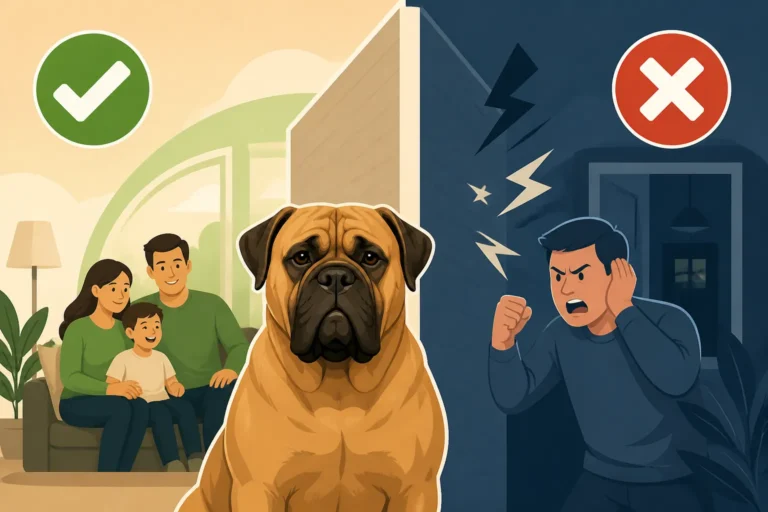
Deciding to bring a Bullmastiff into a family with children is a significant decision, and it's essential to approach it with honesty and realism. While they can be truly wonderful, gentle, and protective companions, they are not the right fit for every family. Their size, strength, and specific needs require a certain level of commitment and understanding that not all households can provide.
Assessing Your Family's Lifestyle
Before you even consider a Bullmastiff, take a long, honest look at your family's current lifestyle. Are you a calm, consistent household, or is it typically chaotic and unpredictable? Bullmastiffs thrive in stable environments where routines are generally followed. Do you have the time for consistent daily training sessions, structured exercise, and dedicated one-on-one attention? While they aren't hyperactive, they do need mental stimulation and a routine to feel secure. What a Bullmastiff Does All Day is often a combination of napping, following you, and a couple of moderate walks, but they still need engagement.
Consider the ages of your children. While a Bullmastiff can do well with children of all ages, very young children require even more stringent supervision and management. Do you have adequate space, both indoors and securely fenced outdoors, for a dog of this size? And perhaps most importantly, is everyone in the family, including older children, on board with the responsibilities that come with owning such a large and unique breed? A Bullmastiff requires a family committed to their well-being, not just their cuteness.
Commitment to Training and Supervision
The commitment to training and lifelong supervision for a Bullmastiff, especially with children, cannot be overstated. This isn't a breed you can bring home and expect to raise itself, or one that you can leave unsupervised with kids. Their strength means that any lapse in training or judgment can have serious consequences. Training must begin the day they arrive and continue throughout their lives, adapting to their developmental stages. You'll need to be consistent with commands, house rules, and socialization.
Supervision is equally demanding. For young children, this means constant, active adult presence during all interactions. It means teaching both dog and child boundaries, and being prepared to intervene at a moment's notice. It requires a proactive approach to prevent problems rather than reacting to them. If your family struggles with consistency, or if you anticipate significant periods where dedicated supervision of dog-child interactions won't be possible, a Bullmastiff might not be the most suitable choice. The safety of your children and the well-being of your dog depend on this unwavering commitment.
The Unique Rewards of This Bond
Despite the significant responsibilities, for the right family, the bond between a Bullmastiff and children can be truly extraordinary and uniquely rewarding. These dogs offer unparalleled loyalty, a gentle nature, and a protective presence that brings a profound sense of security. Children often develop incredible empathy and responsibility when growing up with a Bullmastiff, learning about respect for animals and the commitment involved in caring for another living being.
Watching a massive Bullmastiff patiently endure a child's clumsy pets, or seeing them gently "guard" a napping toddler, can be a heartwarming experience unlike any other. They become the family's gentle shadow, a furry confidante, and a silent protector. The deep affection and companionship they offer far outweigh the challenges for those who are prepared to meet their needs. If you are ready for the commitment, the Bullmastiff can be an incredible, loving, and steadfast member of your family, creating cherished memories for years to come.
| Bullmastiff & Children Considerations | Description | Importance Level |
|---|---|---|
| Size & Strength | Potential for accidental knock-overs, even during gentle play. | High |
| Temperament | Typically gentle and patient, but protective instincts are strong. | High |
| Socialization | Critical from puppyhood; positive exposure to diverse people and experiences. | Very High |
| Training | Non-negotiable for safety; focus on impulse control, manners, and reliability. | Very High |
| Supervision | Constant, active adult presence during interactions with young children. | Critical |
| Child Education | Teaching children respectful dog manners and canine body language. | High |
| Safe Spaces | Designated retreat areas for both dog and children to avoid overstimulation. | High |
| Consistency | All family members must enforce the same rules for the dog's behavior. | Very High |
| Life Stages | Needs and interactions will change as both dog and children age. | Medium |
| Professional Help | Don't hesitate to seek a trainer or vet behaviorist for challenges or concerns. | High |
Disclaimer
This article is for general informational purposes only and does not constitute professional advice. Laws, prices and regulations vary by location and change over time. Consult a qualified professional for guidance on your specific situation.