Why a Bullmastiff Holds Instead of Biting
For many people, the sheer size and imposing presence of a Bullmastiff might conjure images of aggression or a formidable guard dog ready to bite. However, the truth of their origins tells a vastly different, more nuanced story. This guide will explore the historical purpose of the Bullmastiff, explaining why they were specifically bred to "hold" rather than bite, and how this unique trait has shaped their temperament and behavior even today.
The Historical Role of the Bullmastiff
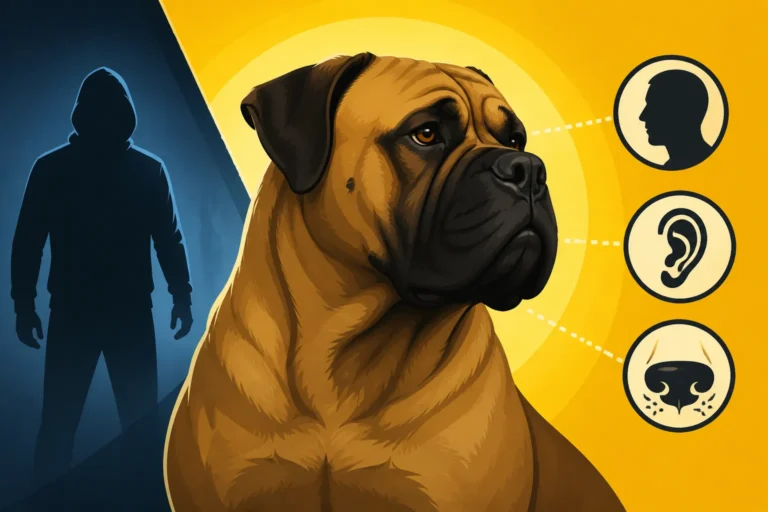
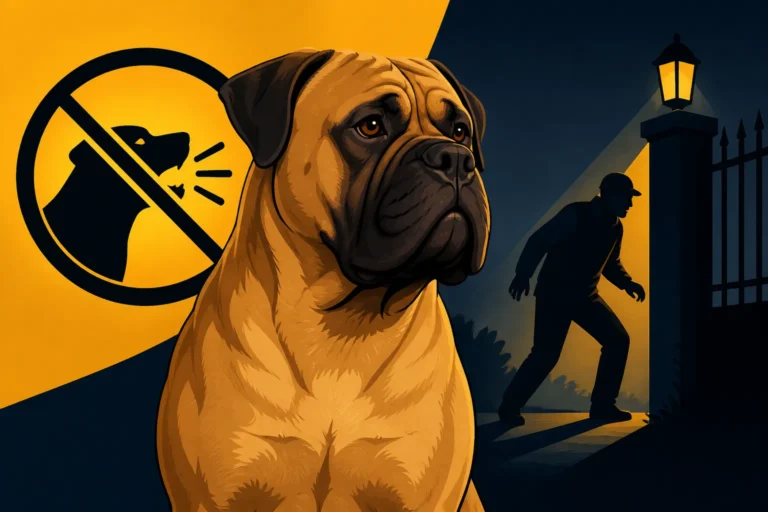
To truly understand why a Bullmastiff "holds" rather than bites, we need to journey back to their roots in 19th-century England. These magnificent dogs weren't bred for dog fighting or to be indiscriminate aggressors; their role was far more specific and, in its own way, incredibly sophisticated. They were the unsung heroes of gamekeepers, protecting vast estates from a very particular kind of intruder.
Protecting Estates from Poachers
Imagine sprawling country estates, rich with game, and the ever-present threat of poachers under the cover of darkness. Gamekeepers faced a serious challenge: how to apprehend these individuals without causing undue harm, but also ensuring they couldn't escape. The traditional mastiffs of the time were often too slow to catch a determined poacher, while smaller, more agile dogs might be easily outmaneuvered or lacked the physical presence to deter. This specific need led to the development of the Bullmastiff.
Their primary job was to work silently alongside the gamekeeper, tracking and cornering poachers. The intent was not to injure the trespasser, but to immobilize them until the gamekeeper could arrive and take over. This required a dog with immense strength, surprising agility, and, crucially, a highly controlled temperament. It was a delicate balance of power and restraint, a testament to the careful breeding choices made by those early gamekeepers. The silent approach was key, as a barking dog would alert the poacher from afar, giving them time to flee or hide. This is why The Bullmastiff Was Built to Catch Poachers in the Dark.
Why Biting Was Not the Goal
The idea of a dog that could subdue a human without inflicting serious injury might seem counterintuitive, especially for a breed as powerful as the Bullmastiff. However, there were very practical reasons why biting was expressly not the goal. For one, severe injury to a poacher could lead to legal repercussions for the gamekeeper, muddying the waters of justice. The goal was arrest, not assault. If a dog mauled a poacher, it could easily turn into a civil or even criminal case against the landowner or gamekeeper, something they certainly wanted to avoid.
Furthermore, a dog that indiscriminately bit would be a liability, not an asset. It needed to distinguish between threat and compliance, and apply only the necessary force. A truly aggressive, biting dog would also be far more difficult for the gamekeeper to control once the apprehension was made. This focus on non-lethal apprehension speaks volumes about the early breeders' understanding of canine behavior and the legal landscape of their time. They needed a tool for control, not destruction. This historical imperative highlights Why a Bullmastiff Was Bred Not to Maul.
The Mastiff and Bulldog Blend
The unique "holding" ability of the Bullmastiff didn't emerge by chance; it was the direct result of carefully blending two distinct breeds: the English Mastiff and the Old English Bulldog. Each contributed vital characteristics to the working formula. The Mastiff provided the bulk, the imposing stature, and the deep, protective instinct. They brought the seriousness and a certain amount of deterrence just by their presence.
The Bulldog, on the other hand, contributed the necessary agility, tenacity, and the specific physical traits that allowed for a powerful, non-damaging hold. The Bulldog's strong, broad jaw and its lower center of gravity made it adept at latching on and holding firm. The combination produced a dog that was faster and more agile than a pure Mastiff, yet far more substantial and imposing than a Bulldog. The breeders aimed for a ratio that maximized effectiveness while minimizing the risk of severe injury to the poacher. This calculated genetic mix is why Which Breeds Went Into the Bullmastiff and Why the Bulldog Half Was Added to the Bullmastiff.
The "Hold" Instinct: A Deep Dive
So, what exactly did this famous "hold" entail, and how did a powerful dog like a Bullmastiff manage to do this without causing serious harm? It’s a fascinating aspect of their history that truly sets them apart from many other guard breeds.
What the "Hold" Actually Meant
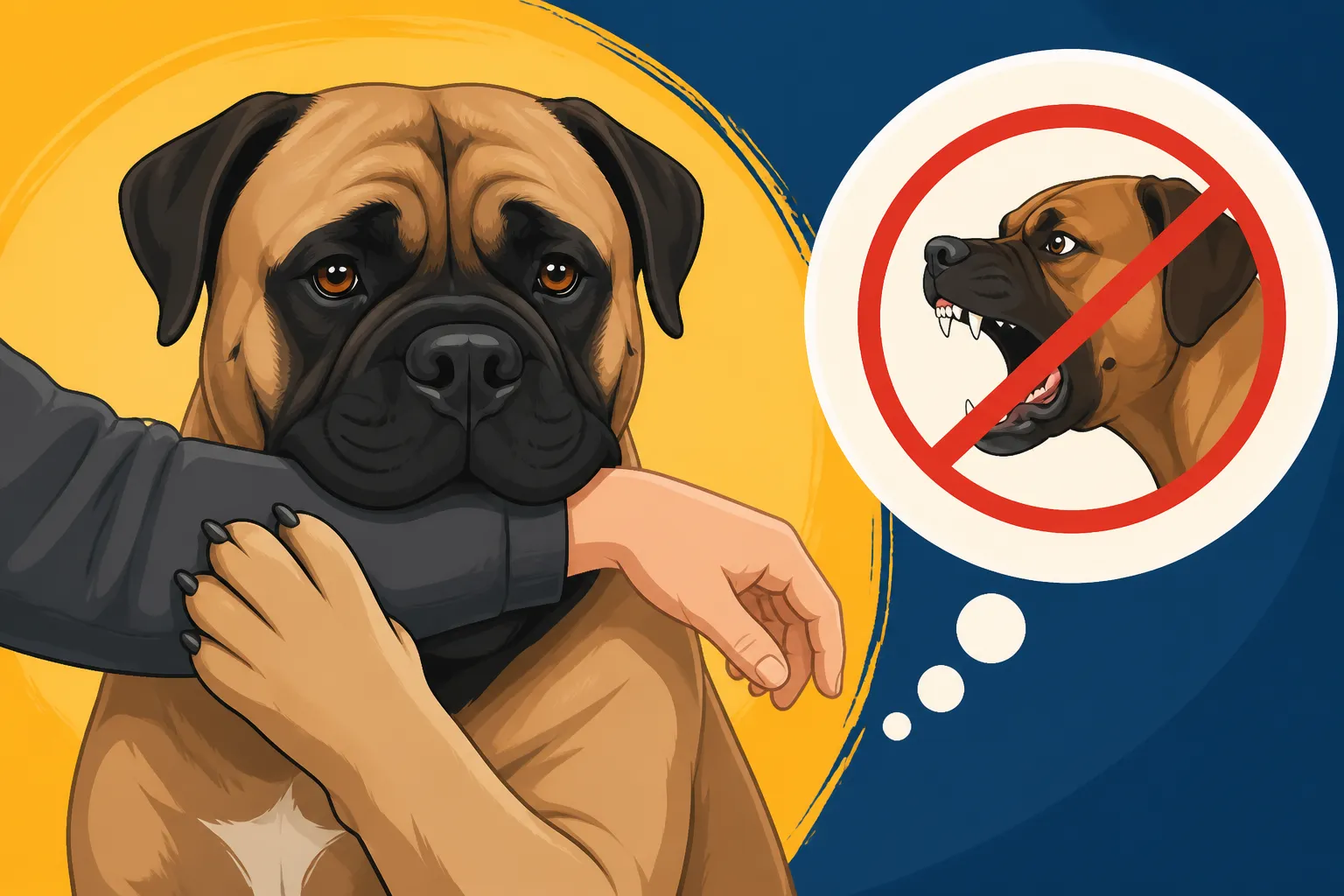
When we talk about a Bullmastiff’s "hold," we're not talking about a gentle nudge or a playful grip. This was a serious, authoritative action designed to stop a fleeing adult human in their tracks. Typically, the Bullmastiff would track the poacher, often silently, and then move quickly to block their escape. The "hold" itself usually involved the dog using its powerful body to knock the person off balance or pin them, often grabbing clothing or sometimes an arm with its mouth, without actually breaking the skin or causing deep wounds.
It was a form of physical restraint that relied on the dog’s immense strength and weight, rather than sharp teeth. Think of it more as a controlled tackle and a firm, unyielding grip that prevented movement. The dog was trained to maintain this hold, staying focused on its task, until the gamekeeper could arrive and take over. It required an incredible level of self-control and discernment on the part of the dog, an ability to exert power without malice.
The Method of Subduing Without Injury
The method employed by these early working Bullmastiffs was a masterclass in controlled force. The dog would often use its body as a battering ram, knocking the poacher to the ground. Once down, the dog would typically stand over them or "pin" them with its weight, often placing a paw on the chest. The mouth was used primarily to grip clothing, like a sleeve or trouser leg, or even an arm, applying firm pressure without a crushing bite. The aim was to render the person immobile and uncomfortable, but not seriously wounded.
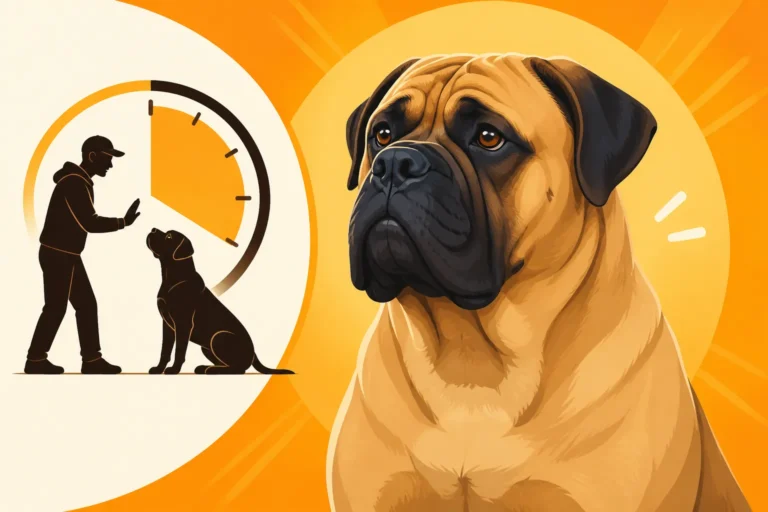
This technique required a dog that understood pressure and release, knowing when to apply enough force to control, but not to harm. It also demanded a dog with a stable temperament that wouldn't escalate aggression unnecessarily. The Bullmastiff had to be resolute, tenacious, and unwavering in its task, but also inherently biddable enough to release the hold immediately upon the gamekeeper's command. This distinction between gripping and biting is crucial to understanding their historical purpose.
Preserving the Poacher for Justice
The entire rationale behind the "hold" was to preserve the poacher for justice. A severely injured poacher would complicate matters, perhaps even making prosecution more difficult or generating sympathy for the wrongdoer. The goal was to catch them red-handed, alive and relatively unharmed, so they could be brought before the authorities and dealt with according to the law.
This wasn't about vigilante justice or inflicting punishment in the field. It was about lawful apprehension. The Bullmastiff was a tool in a system of law enforcement, albeit one specific to private land. The gamekeeper needed their "night dog" to deliver a suspect in a condition suitable for official processing, which meant minimizing physical harm. This pragmatic approach underscores the deliberate breeding for this unique behavior, rather than simply creating a dog that would attack. It’s also a key reason why Whether a Bullmastiff Would Bite an Intruder typically leads to discussions about their historical training.
Anatomy and Temperament for the Job
The Bullmastiff's physical build and inherent temperament are perfectly aligned with their original purpose of holding rather than biting. Every aspect of their structure and disposition contributed to their effectiveness as a gamekeeper's night dog.
Physical Attributes for Control
Look at a Bullmastiff, and you'll immediately see the physical characteristics that made them ideal for their job. They possess immense bone structure and powerful musculature, giving them the sheer mass and strength to take down and hold an adult human. A Bullmastiff can weigh well over a hundred pounds, and that weight, combined with their dense build, is a formidable force.
Their broad, deep chest and well-sprung ribs provide the leverage and power needed for body blocking and pinning. Their strong, wide jaws, inherited from the Bulldog, were perfect for gripping clothing or a limb with incredible firmness without the propensity to easily break skin or crush bone. Their relatively short muzzle, while sometimes presenting health challenges, also gave them a powerful bite strength for that holding grip, rather than a tearing or puncturing bite often associated with longer-muzzled dogs. Strong, powerful legs allowed for bursts of speed and the ability to maneuver around a fleeing person.
The Deliberate and Calm Demeanor
Perhaps even more important than their physical prowess was their psychological makeup. Early Bullmastiffs were selected for a calm, confident, and deliberate temperament. They needed to be bold and courageous enough to confront a human intruder, but also intelligent and stable enough to exercise restraint. A frantic or overly aggressive dog would be dangerous to its handler and counterproductive to the task.
The gamekeeper needed a partner who would assess the situation, act decisively, but maintain control. This isn't a breed that acts impulsively; they are known for a certain thoughtful approach, often pausing to "decide" if a situation warrants their intervention. This inherent calm allowed them to apply measured force, making their "hold" a calculated act of control rather than an emotional outburst of aggression. This calmness and discernment are still very much part of the breed's character today, contributing to How Protective a Bullmastiff Is.
Intelligence and Discernment in Action
The ability to "hold" rather than bite required a significant degree of intelligence and discernment from the Bullmastiff. This wasn't a simple reflex; it was a trained behavior that demanded situational awareness. The dog had to differentiate between a genuinely threatening situation and, for example, an innocent trespasser or a member of the estate staff. They needed to gauge the level of resistance from the poacher and adjust their force accordingly.
They also had to be highly receptive to their handler’s commands, ready to engage or disengage at a moment’s notice. This meant they had to be intelligent enough to learn complex tasks and discerning enough to apply them appropriately. Their inherent intelligence is often seen today in their keen observational skills and their tendency to be somewhat aloof with strangers, taking their time to assess new people and situations, as highlighted in How Long a Bullmastiff Takes to Warm to a Visitor. This discernment is why many Bullmastiff owners find their dogs to be incredibly intuitive and protective, but rarely aggressive without extreme provocation.
Modern Bullmastiffs and the Holding Trait
While the days of patrolling vast estates for poachers are largely behind them, the "holding" instinct remains a fascinating and sometimes surprising aspect of the modern Bullmastiff's behavior. Understanding this genetic legacy helps owners manage and appreciate their loyal companions.
How the Instinct Appears Today
Today's Bullmastiffs, far removed from their working heritage, still carry echoes of that original purpose. You might see this "holding" instinct manifest in various ways, often in benign, sometimes amusing, forms. For instance, a Bullmastiff might "pin" you to the couch with their sheer weight, leaning against you with all their might, making it difficult for you to move. This is a very common Bullmastiff trait, a form of affectionate body blocking. They might gently mouth your arm or hand when excited or seeking attention, a soft "hold" that applies pressure without biting down.
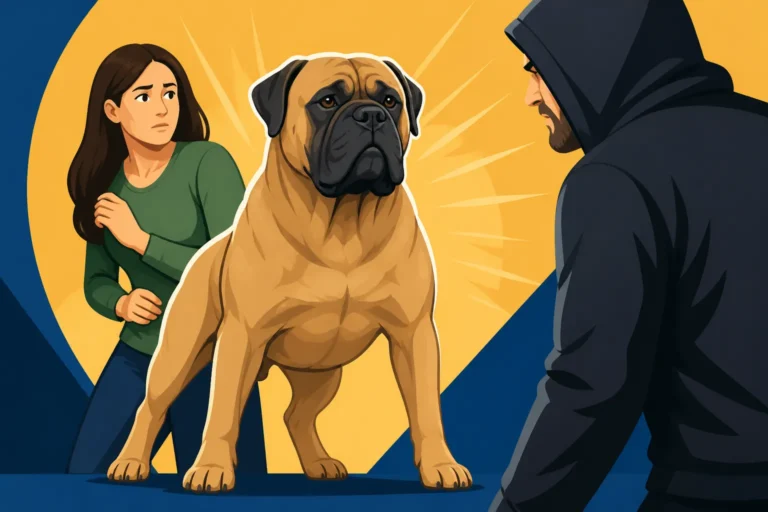
When playing, they often engage in rough-and-tumble games that involve body slams and wrestling, using their bulk to "subdue" their playmates. Some Bullmastiffs will greet visitors by leaning into them heavily or standing between their owner and a perceived "threat" (like the mail carrier!), not with aggression, but with a solid, immovable presence. It's their way of controlling the space and assessing the situation, echoing their historical role of immobilizing without harm. This behavior is often seen as How a Bullmastiff Body Blocks a Stranger.
Redirecting the Natural Tendencies
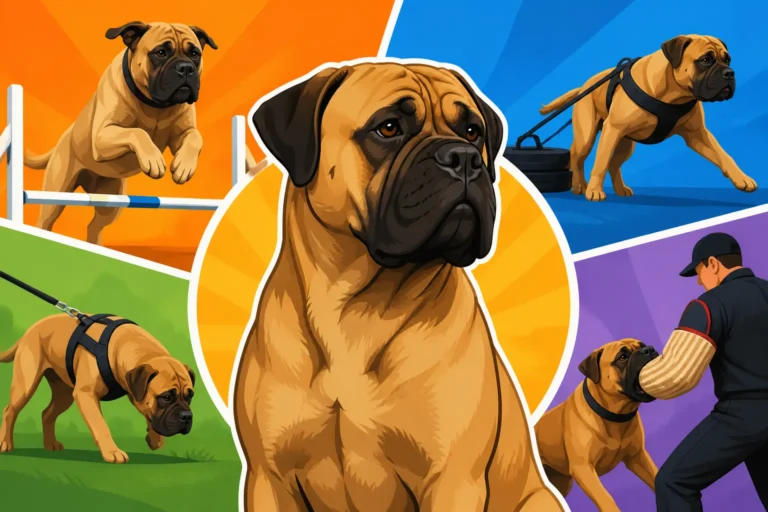
Understanding that these behaviors stem from a deep-seated instinct is crucial for responsible Bullmastiff ownership. It means we don't try to "train out" the instinct entirely, but rather redirect it into acceptable channels. For example, a Bullmastiff that loves to "mouth" hands can be taught to carry a toy instead, or to perform a "place" command when visitors arrive. Structured play that encourages tug-of-war (with clear rules) or supervised wrestling can satisfy their need for physical engagement.
Early and consistent socialization is paramount. Exposing a Bullmastiff puppy to a wide variety of people, sounds, and environments from a young age helps them develop appropriate responses and discernment. They learn what is a genuine threat and what is just a normal part of life. Training, especially positive reinforcement methods, works wonderfully with their intelligent but sometimes stubborn nature. Brands like BAXTER & Bella offer excellent online programs that can help new Bullmastiff owners navigate these early training stages, providing structured guidance for channeling their dog's natural instincts. Training exercises should focus on control, impulse management, and clear communication.
Training for Appropriate Behavior
Training a Bullmastiff isn't about breaking their spirit; it's about harnessing their natural tendencies for good. Their immense physical strength means that solid obedience training is non-negotiable. Teaching commands like "leave it," "stay," "down," and a reliable recall is vital, not just for safety but for their well-being. A well-trained Bullmastiff is a confident Bullmastiff, capable of making good decisions under their owner's guidance.
For dogs with strong "holding" tendencies in play, teaching a clear "off" or "drop it" command is essential. Using durable chew toys from platforms like Amazon can also help redirect their powerful jaws and desire to grip onto appropriate items. Enroll in puppy classes and then move on to advanced obedience. Remember, you're training a dog that can easily outweigh many adults, so consistency and firmness, coupled with kindness, are key. Training a Bullmastiff That Weighs More Than You Do isn't a light undertaking, but it's incredibly rewarding.
Distinguishing Holding from Biting
For new Bullmastiff owners, or those unfamiliar with the breed, it can sometimes be challenging to distinguish between an intentional "hold" and a genuinely aggressive bite. Understanding the nuances is critical for both the dog's well-being and the safety of those around them.
Understanding a Bullmastiff's Mouth Behavior
A Bullmastiff's mouth is a versatile tool. When they are engaging in their natural "holding" behavior, it often looks different from an aggressive bite.
- A Hold: This typically involves a firm, sustained pressure. There might be growling or grunting, but usually, it's a deep, controlled sound, not a high-pitched, frantic snarl. The dog's body language will generally be stiff, but not tense in an aggressive way. Their eyes might be focused but not dilated with fear or rage. The pressure is applied, but the skin isn't broken or torn. It's about immobilization, not damage.
- A Bite: An aggressive bite, on the other hand, is usually accompanied by different body language. Hackles might be raised, lips curled back, teeth bared, and the growl might be sharper or more threatening. The bite itself is often quick, sharp, and designed to puncture or tear, followed by a shake. The dog's posture might be lowered or lunging.
It's important to remember that any dog can bite if provoked or scared. The Bullmastiff's tendency is to hold, but they are still powerful animals. Learning to read your individual dog's body language is the most important skill an owner can develop.
Early Socialization and Boundaries
The best way to ensure your Bullmastiff distinguishes appropriate mouth behavior from biting is through early and extensive socialization, coupled with clear boundaries. From the moment you bring your puppy home, introduce them to a wide array of positive experiences. This includes meeting different people (adults, children, men, women), encountering various objects, and experiencing diverse environments. Puppy classes are invaluable for this.
Teach bite inhibition by yelping loudly if your puppy bites too hard during play, then withdrawing attention. This helps them understand the sensitivity of human skin. Establish clear rules about what they can put their mouth on (toys, chews) and what they cannot (human skin, furniture). Consistent training reinforces these boundaries. Never encourage play that involves biting human hands, even gently. Use toys as intermediaries. If you ever feel overwhelmed or unsure about your Bullmastiff's mouth behavior, don't hesitate to consult a professional.
When to Seek Professional Guidance
While the "hold" is a characteristic trait, any instance of uncontrolled or aggressive mouth behavior should be taken seriously. If your Bullmastiff shows signs of fear-aggression, resource guarding, or unprovoked snapping or biting, it's crucial to seek professional help immediately. This might involve a certified professional dog trainer or a veterinary behaviorist. These experts can assess the root cause of the behavior and develop a tailored modification plan.
Remember, a Bullmastiff's size means that even an accidental or "warning" bite can cause significant injury. It is our responsibility as owners to ensure our dogs are well-adjusted and safe members of society. Never ignore signs of escalating aggression, even if you believe it's "just playing." Early intervention is key to preventing serious issues down the line and ensuring your Bullmastiff maintains their reputation as a gentle giant.
Here's a quick comparison of the intent behind holding vs. biting:
| Feature | Holding (Historical Purpose) | Biting (Aggression/Fear) |
|---|---|---|
| Intent | Immobilization, control, apprehension | Inflict pain, defend, warn, destroy |
| Force Applied | Firm pressure, sustained, non-damaging | Sharp, tearing, crushing, puncturing |
| Body Language | Stiff, focused, deliberate, unyielding | Tense, hackles up, teeth bared, fearful/enraged |
| Sound | Deep growl, grunts, controlled | Sharp snarls, frantic, high-pitched |
| Outcome | Poacher detained without severe injury | Potential for severe injury, defense |
| Modern Context | Leaning, mouthing, body blocking, play wrestling | Snapping, growling, attacking |
The Gentle Giant Reputation
The Bullmastiff's unique history as a "holding" dog has profoundly shaped its reputation as a gentle giant. It’s a breed that, despite its imposing appearance, is known for its remarkable capacity for affection, patience, and controlled protection.
The Breed's Inherited Kindness
The very nature of their original job instilled a profound sense of discernment and controlled behavior within the Bullmastiff breed. They weren't bred for mindless aggression, but for intelligent, measured action. This selective breeding for a calm and stable temperament has been passed down through generations. Modern Bullmastiffs are often described as exceptionally loyal, patient, and deeply devoted to their families. They thrive on companionship and are typically incredibly gentle with children, often acting as steadfast, albeit sometimes clumsy, guardians.
Their historical requirement to be biddable and responsive to their handler also contributes to their intrinsic kindness. A Bullmastiff wants to please its people, and while they might have a stubborn streak, they are not prone to malicious behavior. This innate kindness is why so many owners fall head over heels for the breed, despite the challenges that come with owning such a large and powerful animal. It's a testament to their heritage that they often possess a remarkable degree of emotional intelligence.
Dispelling Misconceptions
Unfortunately, the sheer size and "mastiff" name can lead to misconceptions about the Bullmastiff's temperament. People often assume they are aggressive or dangerous, associating them with other breeds known for more confrontational guarding styles. However, as we've explored, the Bullmastiff's protective instincts are rooted in control and containment, not attack. The Bullmastiff Was Bred to Hold a Man, Not Bite Him is not just a historical fact, but a fundamental characteristic that continues to define the breed.
It's vital for owners to educate others about their Bullmastiff, helping to dispel these unfair stereotypes. By demonstrating responsible ownership through training, socialization, and thoughtful management, Bullmastiff owners play a crucial role in showcasing the breed's true nature. A Bullmastiff's imposing appearance is often more of a deterrent than any actual threat, and they are typically very quiet, making them effective silent sentinels, as discussed in The Silent Guard: Why a Bullmastiff Barks So Little.
A Legacy of Controlled Protection
The Bullmastiff's legacy is one of controlled protection. They are guardians, yes, but guardians who prefer to use their imposing presence and physical strength to deter or immobilize, rather than to inflict harm. This makes them incredibly trustworthy and reliable companions, particularly for families who understand and respect their unique traits. They are not a dog for everyone, needing owners who are committed to training, socialization, and providing a structured environment.
But for those who open their homes and hearts to a Bullmastiff, they are rewarded with an unwavering loyal companion whose gentle nature belies their formidable appearance. Their history as a night dog, designed to apprehend without injury, has given us a breed that embodies both strength and remarkable restraint. It's a heritage that makes the Bullmastiff truly special, a true gentle giant.
Disclaimer
This article is for general informational purposes only and does not constitute professional advice. Laws, prices and regulations vary by location and change over time. Consult a qualified professional for guidance on your specific situation.