Whether a Bullmastiff Suits an Apartment
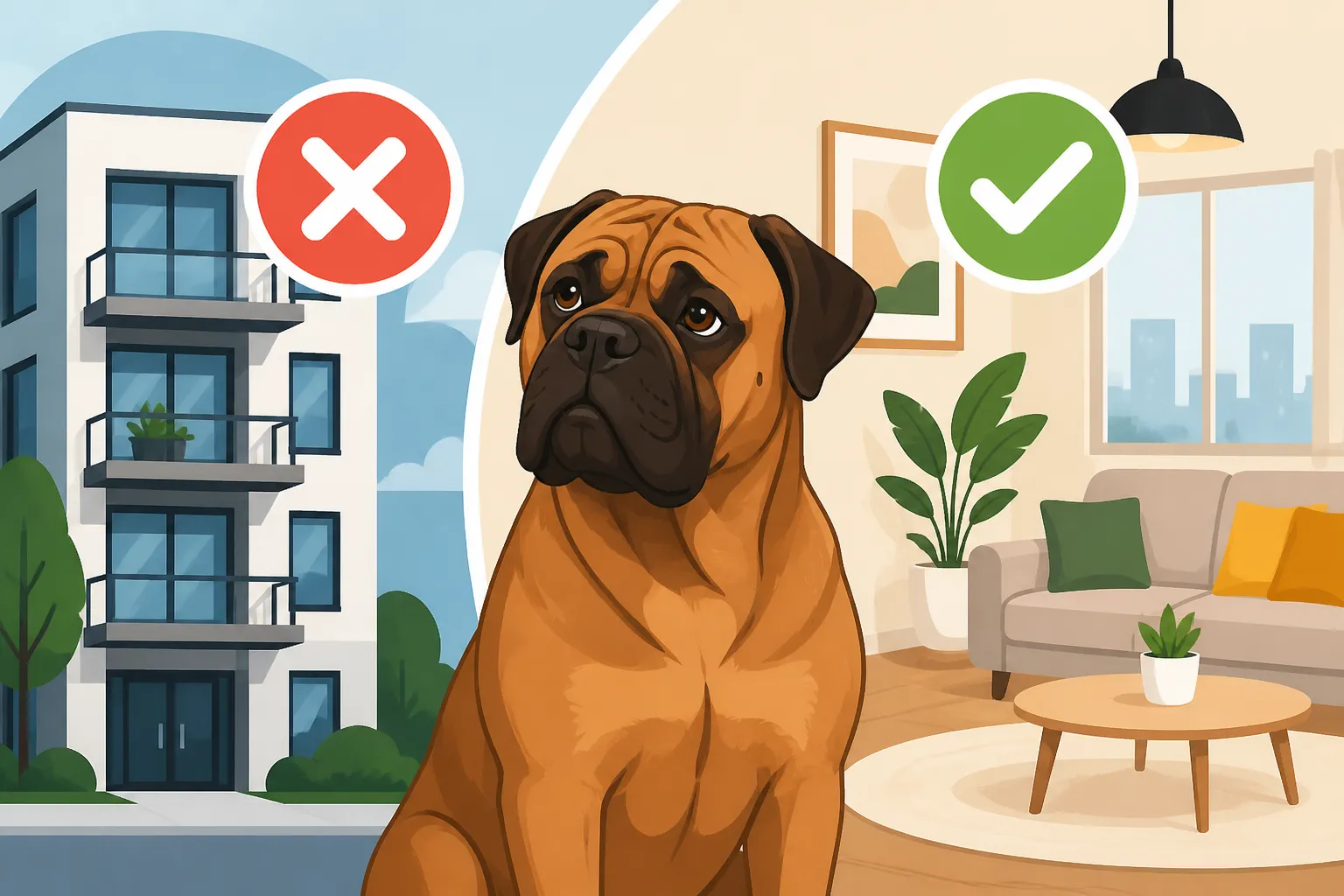
It's easy to look at a Bullmastiff's impressive size – their broad chest, massive head, and powerful build – and immediately dismiss the idea of them living happily in an apartment. Many people assume such a large dog must need a sprawling estate or at least a huge yard to thrive, leading to the frustrating belief that apartment living is simply out of the question. But the truth is, a Bullmastiff's suitability for apartment life isn't solely about their physical dimensions; it's much more about their unique temperament, exercise needs, and the commitment of their human companions. This guide will explore whether a Bullmastiff can truly flourish in a smaller living space, diving into the nuances of their needs and how apartment dwellers can successfully meet them.
The Bullmastiff's Temperament: A Gentle Giant Indoors
Despite their formidable appearance, Bullmastiffs are often described as "couch potatoes" or "gentle giants." Their history as estate guardians meant they needed to be calm and observant for long periods, only springing into action when a true threat emerged. This inherent calm and preference for being near their family make them surprisingly adaptable to indoor living, even in smaller spaces.
Their Natural Inclination for Quiet Guarding
A Bullmastiff's original purpose was to silently deter poachers on large estates. They weren't bred for incessant barking or high-energy patrols. Instead, they were valued for their quiet vigilance, keen observation, and ability to "hold" an intruder without mauling them. This historical role has instilled in the breed a deeply ingrained calm, especially within their own territory – your apartment. They prefer to survey their domain from a comfortable spot, often napping lightly, rather than pacing or demanding constant stimulation. This temperament is a huge advantage for apartment living, where excessive noise or boisterous activity can quickly lead to neighbor complaints. Their presence alone is usually enough to make strangers think twice.
What this means for an apartment dweller is less worry about nuisance barking. While no dog is entirely silent, a well-adjusted Bullmastiff typically reserves its voice for genuine alerts. You won't usually find them yapping at every squirrel or passerby outside the window, unlike some smaller, more vocal breeds. Their quiet nature aligns perfectly with the need for peace in shared living spaces, reducing potential friction with neighbors.
Indoor Behavior and Activity Levels
If you envision a large dog constantly bouncing off the walls, rest assured, that's generally not the Bullmastiff. Once they've had their daily exercise, which we'll discuss shortly, they are remarkably sedate indoors. They love to sprawl out, often finding the coolest spot on the floor, or occupying a large, comfortable bed right near their people. What a Bullmastiff Does All Day primarily consists of napping, following you from room to room, and being a comforting, immovable presence.
This low indoor energy means that while they take up a good deal of floor space, they don't necessarily need vast amounts of room to roam constantly. They adapt well to living in a cozy apartment, as long as they have enough space to stretch out fully and move around without bumping into furniture or walls. It's more about quality of rest and companionship than endless square footage within the home itself. They value being part of the family unit, and that connection can be just as strong in a small space as in a large one.
Apartment Size and Layout Considerations
While a Bullmastiff's temperament is well-suited to indoor life, their sheer physical presence still demands some practical considerations regarding the apartment's size and layout. It's not just about how many square feet you have, but how those feet are arranged.
Ensuring Adequate Floor Space and Resting Areas
Even if your apartment isn't huge, a Bullmastiff needs enough clear floor space to stretch out comfortably. Imagine a dog that can easily weigh over a hundred pounds and stand over two feet tall at the shoulder. They need room to turn around, stand up, lie down, and roll over without feeling cramped or constantly hitting obstacles. This means open areas in living rooms or bedrooms are more valuable than many small, cluttered rooms.
Providing a dedicated, comfortable resting spot is absolutely crucial. A large, orthopedic dog bed is not a luxury; it's a necessity for a Bullmastiff, especially as they age. They need support for their heavy joints. You can find excellent, durable options for beds that cater to giant breeds on platforms like Amazon. This dedicated spot becomes their sanctuary, their space to relax and observe. Don't skimp on the size or quality of their bed; it's an investment in their comfort and long-term health. Which Bed a Bullmastiff Needs is a deep dive into this topic.
Navigating Stairs and Narrow Hallways
One often-overlooked aspect of apartment living with a giant breed like a Bullmastiff is accessibility. If your apartment is on an upper floor without an elevator, or if it features internal stairs, you need to consider how your Bullmastiff will manage these. Repeatedly going up and down stairs, especially during their crucial growth phases as puppies, can put undue stress on their developing joints and contribute to issues like hip and elbow dysplasia later in life. When a Bullmastiff Should Be X Rayed offers more context.
Narrow hallways and doorways can also be tricky. A Bullmastiff isn't a dainty breed; they move with purpose and take up space. Ensure there's enough room for them to navigate comfortably without constantly brushing against walls or getting stuck. Consider how you'll move furniture or bring in groceries with a large dog in the way. While they are usually quite adept at maneuvering, constant squeezing can be a source of frustration for both you and your dog.
Noise, Neighbors, and Bullmastiff Behavior in Shared Walls
Living in close proximity to neighbors means managing noise and ensuring your dog's behavior is respectful of shared living spaces. Fortunately, the Bullmastiff's natural tendencies often make them surprisingly good apartment dwellers in this regard.
Barking Habits and Soundproofing Considerations
As mentioned, Bullmastiffs are not known for being excessive barkers. They were bred for silence during their night-time duties. Their bark, when it does occur, is deep and resonant, certainly not a yappy noise that will easily get lost in the din. However, they are generally calm and quiet indoors. This inherent trait makes them a strong candidate for apartment life where noise complaints can be a serious issue. You'll likely find that their snores are louder than their barks! How Loudly a Bullmastiff Snores is a real testament to the quiet nature of their alert system.
While they aren't prone to barking, consider any environmental factors in your apartment that might trigger noise. A window overlooking a busy street or a shared hallway with constant foot traffic could challenge even the calmest Bullmastiff. Good blinds or curtains can help block visual stimuli, and a white noise machine or fan can help mask external sounds, creating a more peaceful environment for your dog and ensuring your neighbors remain undisturbed.
Stranger Greetings and Shared Public Spaces
Bullmastiffs are naturally protective of their family and home. While generally calm, their reaction to strangers can range from polite indifference to a watchful, reserved stance. In an apartment building, this means you'll encounter neighbors, maintenance staff, and delivery people in shared hallways, elevators, and lobbies. It's crucial that your Bullmastiff is well-socialized and trained to accept these interactions calmly. How a Bullmastiff Greets a Stranger can give you a good idea of what to expect.
Early and consistent training is key to teaching your Bullmastiff appropriate manners in these situations. They need to learn that not every new face is a threat, and that calm greetings are expected. This also means being a responsible owner by always keeping your Bullmastiff on a leash in common areas and being mindful of other residents, especially those who might be nervous around large dogs. A Bullmastiff leaning their full weight into an unexpected guest or blocking a doorway can be intimidating, even if their intentions are good.
Meeting Exercise Requirements in an Apartment Setting
One of the biggest concerns for potential Bullmastiff owners in apartments is how to provide enough exercise without a private yard. While they aren't high-energy athletes, Bullmastiffs do need regular physical activity to stay healthy and mentally stimulated.
Structured Walks and Mental Stimulation
Forget the idea that a Bullmastiff needs to run for miles every day. They absolutely do not. In fact, excessive, high-impact exercise, especially during puppyhood, can be detrimental to their heavy joints. A Bullmastiff's exercise needs are moderate. Think two or three good, brisk walks a day, totaling 45-60 minutes, with opportunities for sniffing and exploring. For an adult Bullmastiff, these walks are essential for both physical fitness and mental enrichment. How Much Exercise a Bullmastiff Needs delves deeper into the specifics.
Living in an apartment means these structured walks become your primary method of exercise. Invest in a sturdy, comfortable leash and harness, as teaching your Bullmastiff to walk politely on a leash is paramount when they can easily outweigh an adult human. Brands on Amazon offer a wide range of durable leashes and harnesses suitable for giant breeds. Beyond physical walks, mental stimulation is equally important. Puzzle toys, short training sessions, and interactive games can help tire their minds, which is just as effective as tiring their bodies.
Dealing with Weather and Limited Outdoor Access
Without a private yard, apartment dwellers must be prepared for all weather conditions. Your Bullmastiff still needs to go out for potty breaks and walks, rain or shine, snow or heat. This means investing in appropriate gear for yourself – good raincoats, sturdy boots – and being mindful of your Bullmastiff's comfort. Bullmastiffs are susceptible to overheating due to their short muzzles and heavy coats, so extreme heat requires careful planning of walk times to early mornings or late evenings.
Consider options for quick potty breaks when the weather is truly awful. Some apartment buildings offer designated pet relief areas, or you might have a small patch of grass nearby. For apartment dogs, a sturdy potty patch on a balcony can be a lifesaver on days when going out for a full walk isn't feasible or safe. Remember, consistency is key, and your Bullmastiff will rely on you to maintain their routine regardless of what the elements throw your way.
Addressing Specific Apartment Challenges: Potty Training and Socialization
Some aspects of dog ownership present unique challenges when living in an apartment, and a Bullmastiff's size can amplify these. However, with preparation and consistency, these challenges are entirely manageable.
Potty Training Logistics for High-Rise Living
Potty training a Bullmastiff puppy in an apartment, especially a high-rise, requires meticulous planning and frequent trips outside. Unlike a house with a backyard, you can't just open a door. You'll need to suit up, get down the elevator, and take your puppy to an appropriate potty spot, often multiple times an hour in the very beginning. This can feel like a full-time job, and it truly is during those critical first few weeks. It's helpful to establish a very consistent routine and choose one specific potty spot to help your puppy learn quickly.
Crate training is an invaluable tool for apartment potty training. A large, appropriately sized crate provides a safe den for your Bullmastiff and helps with house training by tapping into their natural instinct not to soil their sleeping area. Ensuring they have a comfortable, large enough crate (again, Amazon is a great place to find giant-sized crates) is vital for their well-being and your success. Be prepared for early mornings and late-night trips, and celebrate every successful outdoor potty!
Socialization Needs in an Urban Environment
Early and thorough socialization is critical for any Bullmastiff, but it's particularly important for those living in an urban or apartment environment. They need to be exposed to a wide variety of sights, sounds, people, and other dogs from a young age in a positive and controlled manner. This helps them grow into confident, well-adjusted adults who are less likely to react fearfully or aggressively to the many stimuli of city life.
Living in an apartment offers built-in opportunities for socialization, as you'll naturally encounter many different situations on your daily walks. Enroll your puppy in a quality puppy class as soon as they are fully vaccinated. Consider online puppy training courses, like those offered by BAXTER & Bella, which can provide a solid foundation in obedience and good manners before you even step foot into a physical class. Regular, positive exposure to new experiences will help your Bullmastiff navigate their world calmly, whether that's a bustling park or a quiet elevator ride.
The Importance of Training and Routine for Apartment Life
For a Bullmastiff to thrive in an apartment, a strong foundation of training and a consistent daily routine are non-negotiable. Their size and powerful build mean that good manners aren't just polite; they're essential for safety and coexistence.
Early and Consistent Obedience Training
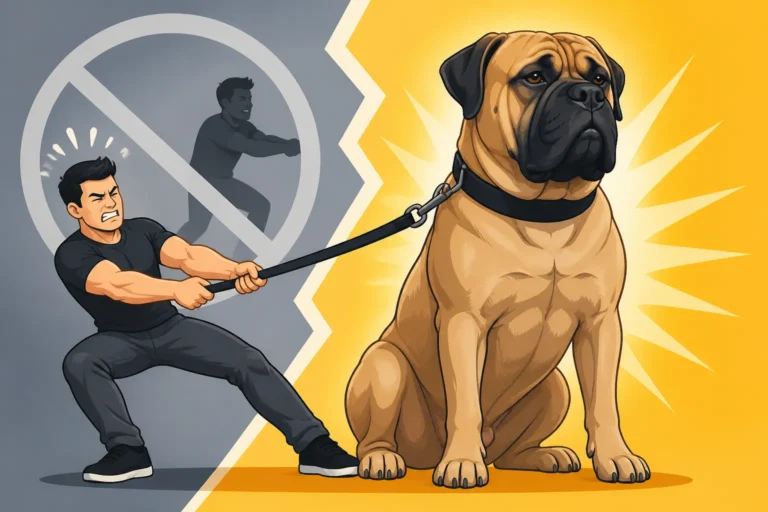
Training a Bullmastiff must begin the moment they come home. Their intelligence, combined with a streak of stubbornness and their eventual massive size, means that what's cute in a 20-pound puppy can become a significant problem in a 120-pound adult. Basic obedience commands like "sit," "stay," "down," and a reliable recall are crucial. More importantly, teaching them to walk politely on a leash without pulling is absolutely vital when Training a Bullmastiff That Weighs More Than You Do. A strong, well-trained Bullmastiff is a pleasure to live with; an untrained one can be a handful, especially in confined spaces.
Positive reinforcement methods work best with this sensitive breed. They respond well to praise, treats, and toys. Harsh corrections can damage their trust and lead to resentment. Consistent, short training sessions, repeated several times a day, will build a strong bond and establish clear expectations. Consider professional training if you feel overwhelmed, or look into online resources that can guide you through the process, even from your apartment.
Establishing a Predictable Daily Schedule
Dogs, and especially large, calm breeds like the Bullmastiff, thrive on routine. A predictable daily schedule helps them understand what to expect and reduces anxiety. This is even more important in an apartment where external stimuli can be varied. A consistent routine for feeding, potty breaks, walks, playtime, and quiet time will make your Bullmastiff feel secure and content.
| Activity | Morning (e.g., 7 AM) | Mid-day (e.g., 1 PM) | Evening (e.g., 6 PM) | Late Night (e.g., 10 PM) |
|---|---|---|---|---|
| Potty Break | First thing out | Short relief break | Pre-dinner relief | Last call before bed |
| Walk/Exercise | Brisk 20-30 min walk, sniffing | Shorter mental stimulation walk (15-20 min) | Moderate 20-30 min walk | Quick relief only |
| Feeding | Breakfast | (Optional, for puppies or special diets) | Dinner | |
| Training/Play | Short obedience session | Puzzle toy or gentle indoor play | Interactive play or chew time | Calm cuddle time |
| Quiet Time | After walk, settling in bed/crate | Napping, relaxation | After dinner, settling in bed/crate | Sleep in bed/crate |
This structured approach helps manage their energy, aids in potty training, and provides the mental security they need. Bullmastiffs take a surprisingly long time to mature, often not reaching full mental maturity until around three years old, so this consistent routine should be maintained well into their adult years. When a Bullmastiff Finally Settles Down can help you set your expectations for their developmental timeline.
In conclusion, a Bullmastiff absolutely can suit an apartment, provided their human companions are fully committed to meeting their specific needs. Their calm, relatively low-energy indoor temperament, combined with diligent training and a consistent routine, makes them much more adaptable than their size might suggest. It requires dedication, thoughtful planning, and an understanding of the breed, but the reward is a devoted, gentle giant who will happily share your urban living space.
Disclaimer
This article is for general informational purposes only and does not constitute professional advice. Laws, prices and regulations vary by location and change over time. Consult a qualified professional for guidance on your specific situation.