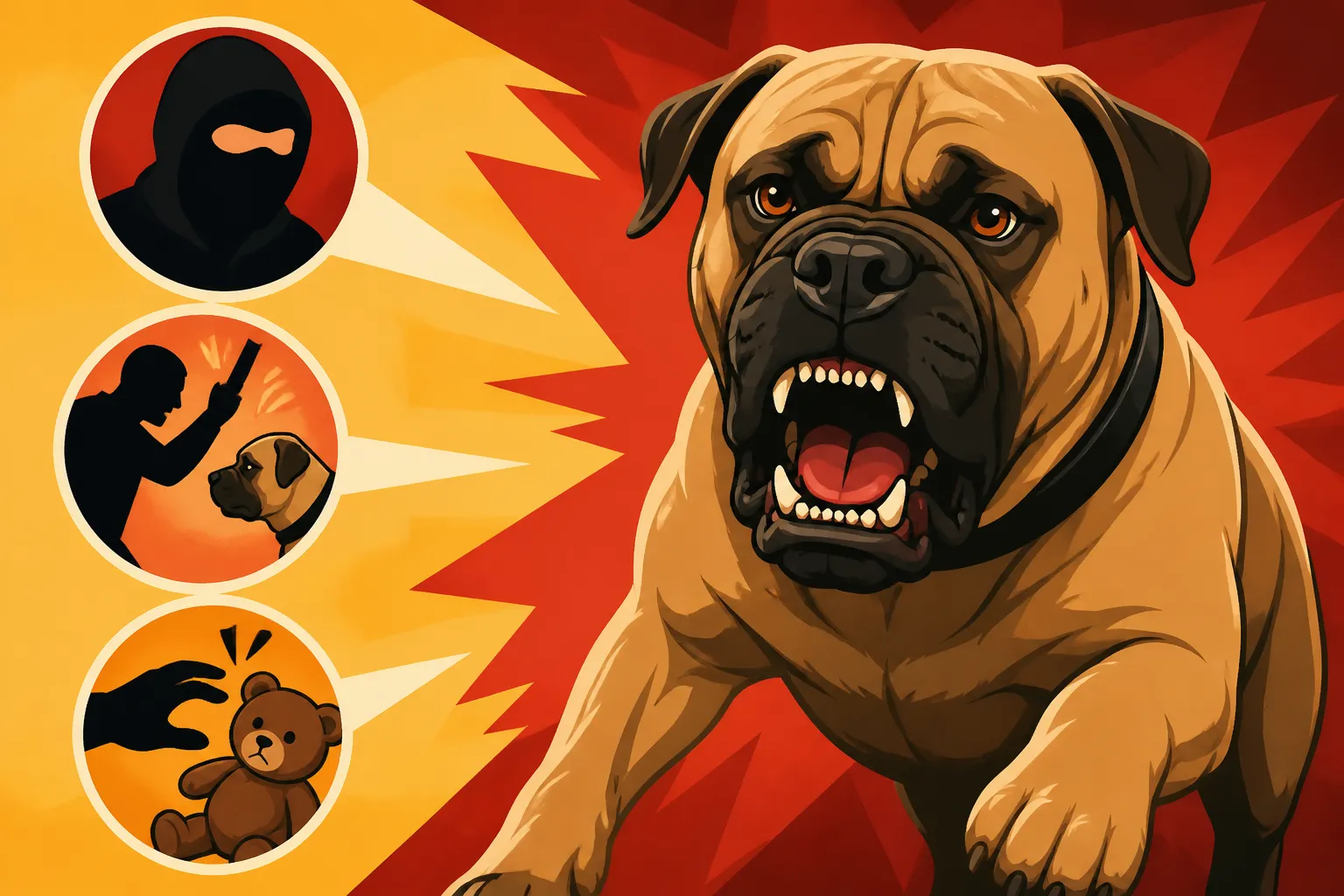
What Would Make a Bullmastiff Attack
It’s a natural concern, isn't it? When you're considering bringing a magnificent, powerful dog like a Bullmastiff into your home, thoughts of their sheer size and strength can certainly lead to questions about their temperament. You see this big, formidable animal, and you can't help but wonder what might push them to attack. This guide aims to ease those worries by explaining the true nature of Bullmastiff behavior and, more importantly, what specific circumstances might actually trigger an aggressive response from any dog, including our beloved Bullmastiffs.
The Built-In Bullmastiff Temperament: Holding, Not Harming
Let’s get one thing straight right from the start: the Bullmastiff was never bred to be an aggressive, bite-first type of dog. Their entire history revolves around being a "Gamekeeper's Night Dog," tasked with catching poachers on vast estates. The job wasn't to maul or injure the intruder, but to track them silently, knock them down, and then hold them until the gamekeeper arrived. This required immense strength, courage, and a deep-seated instinct for control and restraint, not wanton aggression. They needed to be calm and steady, even in a high-stress situation.
This historical purpose is reflected in the breed's standard and the temperament good breeders strive for today. A well-bred Bullmastiff should be confident, calm, and devoted to their family. They are naturally protective, yes, but this protection typically manifests as a watchful presence, a low growl, or a body block, rather than an unprovoked lunge. Their size alone is often enough to deter most threats. An unprovoked attack from a well-adjusted, properly socialized Bullmastiff is incredibly rare and usually indicative of underlying issues, not breed-typical behavior. It's truly a testament to their breeding that they are so often called "gentle giants" despite their intimidating appearance. If you're curious about their original role, you might find A Bullmastiff Was Bred to Hold a Man, Not Bite Him fascinating.
Understanding the Real Triggers for Aggression in Any Dog
While Bullmastiffs have a generally stable temperament, they are still dogs, and like all dogs, they can exhibit aggression under certain circumstances. It's vital for any owner, especially of a powerful breed, to understand these potential triggers. Aggression is almost always a communication from a dog, indicating fear, pain, or an attempt to control a situation. It's rarely malicious.
Pain and Illness: The Silent Suffering
One of the most common, yet often overlooked, reasons a dog might snap or even attack is pain. Imagine you have a pounding headache or a severe backache – how patient would you be if someone accidentally bumped into you? Dogs can't tell us in words that they hurt, so they communicate through behavior. A Bullmastiff, being a stoic breed, might hide their pain until it becomes unbearable, and then a simple touch or sudden movement could trigger a defensive reaction. This isn't anger; it's a desperate plea for space and relief. Conditions like arthritis, dental issues, ear infections, or even internal organ pain can make a normally gentle dog irritable and prone to lashing out if they feel threatened or touched in a sensitive area. This is why regular veterinary check-ups are so important, even if your Bullmastiff seems fine. It’s important to remember that How a Bullmastiff Hides Pain can make it hard to spot these issues.
Fear: The Primal Instinct for Survival
Fear is perhaps the most significant driver of aggression in dogs. A fearful dog might resort to aggression if it feels trapped, overwhelmed, or believes it has no other option to escape a perceived threat. This isn't about being "mean"; it's a survival instinct. Poor socialization during puppyhood is a major contributing factor to fear-based aggression. A Bullmastiff puppy who isn't exposed to a wide variety of people, sounds, environments, and other friendly dogs in a positive way may grow up to be anxious and reactive. For example, a Bullmastiff that hasn't met many strangers might become terrified when an unfamiliar guest approaches quickly, especially if they make direct eye contact or reach over the dog's head. The dog's goal is to make the scary thing go away, and if barking and growling don't work, a bite might be next. Recognizing the subtle Signs a Bullmastiff Has Lymphoma or other illnesses can also prevent discomfort leading to fear.
| Canine Body Language Signal | What it Might Mean (in context of fear/discomfort) | Bullmastiff Example |
|---|---|---|
| Lip Licking | Stress, appeasement, discomfort | Quickly licking lips when a child approaches or a loud noise occurs. |
| Yawning | Stress, appeasement (not tiredness) | Yawning repeatedly in a stressful environment like a vet clinic. |
| Whale Eye (showing whites) | Stress, discomfort, feeling threatened | Eyes wide, showing the whites, when someone leans over them. |
| Head Turn/Averting Gaze | Discomfort, trying to avoid confrontation | Turning head away when someone tries to pet them. |
| Stiffening/Freezing | Alertness, tension, preparing for reaction | Body goes rigid when a new dog enters their space. |
| Growling/Snapping | Warning, "back off," last resort | Low growl when touched near a sore spot, or snap at an approaching hand. |
Resource Guarding: Protecting What's Theirs
Resource guarding is when a dog exhibits aggressive behaviors to protect an item or person that it values. This can range from a low growl when you approach their food bowl to a full-blown attack if someone tries to take away a favorite toy. For a Bullmastiff, given their size and strength, resource guarding can be a serious issue if not addressed early and consistently. They might guard their food, chew bones, a favorite sleeping spot, or even a particular person in the family. It stems from an instinct to protect valuable assets, and while natural to varying degrees in many dogs, it needs careful management and training to ensure it doesn't escalate. Teaching a solid "leave it" command and practicing trading items for higher-value treats can go a long way. This is particularly relevant if you're wondering Whether a Bullmastiff Guards Its Food.
Mismanaged Territorial or Protective Instincts
Bullmastiffs are inherently protective of their family and home. This is part of their charm and why many people are drawn to the breed. However, without proper guidance and socialization, this protective instinct can sometimes cross the line into aggression. If a Bullmastiff isn't taught that their owner has control over who comes into the home and that new people aren't necessarily threats, they might take it upon themselves to "protect" in inappropriate ways. For example, a Bullmastiff might aggressively bark and lunge at a delivery driver who approaches the door, seeing them as an intruder rather than a fleeting presence. It's crucial for owners to establish themselves as the calm, confident leaders who manage the security of the home, allowing the Bullmastiff to defer to their judgment. Understanding How Protective a Bullmastiff Is helps in channeling this instinct positively. Whether a Bullmastiff Is Safe With Delivery Drivers offers more insights into managing these situations.
Frustration and Barrier Aggression
Imagine wanting something desperately but being unable to get to it. That frustration can build up. In dogs, this often manifests as "barrier aggression," common in dogs on leashes, behind fences, or in crates. A Bullmastiff might see another dog or person across the street and desperately want to get to them (either to play or to confront), but the leash prevents it. This pent-up energy and frustration can then be redirected aggressively towards the leash, the owner, or even another nearby dog. It's not about attacking the object of their desire, but about the inability to access it. This behavior requires careful training to teach impulse control and to associate the presence of other dogs/people with positive outcomes, even when on a leash.
The Critical Role of Training, Socialization, and Responsible Ownership
Given a Bullmastiff's power and protective nature, proactive, consistent, and positive training is non-negotiable. It's the absolute best defense against the development of unwanted aggressive behaviors.
Early and Ongoing Socialization
This cannot be stressed enough. From the moment you bring your Bullmastiff puppy home, you have a critical window to expose them to as many different positive experiences as possible. This means safely introducing them to a variety of people (different ages, genders, appearances), other friendly vaccinated dogs, various sounds, sights, and environments. Puppy classes are an excellent way to start, providing controlled interactions and learning opportunities. A well-socialized Bullmastiff learns to view the world as a generally safe place, reducing the likelihood of fear-based reactions. The goal isn't just exposure, but positive exposure, paired with treats and praise, so they form good associations. For great resources to help guide you, even if you can't attend in-person classes, programs like BAXTER & Bella offer online options to support your training journey from home.
Consistent Training and Clear Leadership
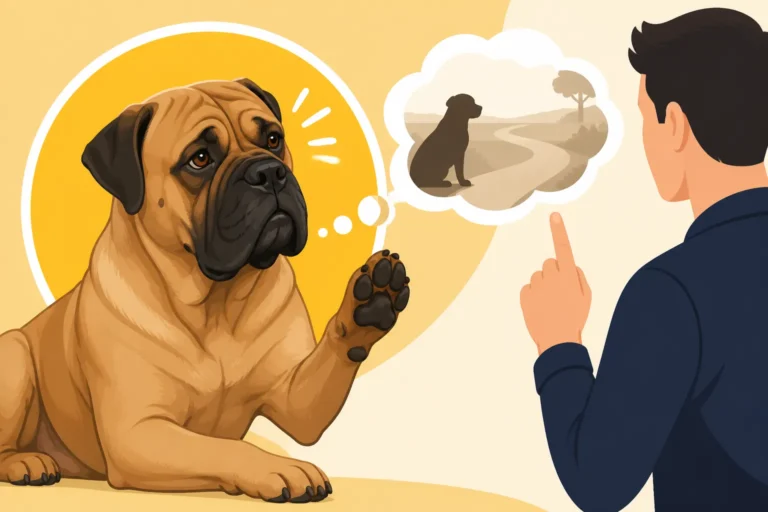
A Bullmastiff thrives on routine and clear expectations. They need to know what you want from them and that you are the consistent, fair leader of the household. This doesn't mean harsh corrections or dominance tactics, which can actually exacerbate fear and aggression. Instead, it means using positive reinforcement to teach commands, manners, and boundaries. A Bullmastiff needs to understand that you will handle situations, and they don't need to step in and guard inappropriately. Training a Bullmastiff That Weighs More Than You Do is a real challenge, so starting young is key. When to Start Training a Bullmastiff Puppy should be as soon as they come home. Investing in strong, reliable leashes and harnesses, perhaps from a brand like Amazon, is also crucial for managing their strength during walks and training.
Recognizing and Responding to Warning Signs
Dogs almost always give warning signs before they bite. It's up to us, as their owners, to learn to read them. These can be subtle, like lip licking, yawning, or averting their gaze (often called appeasement gestures), or more overt, like stiffening, growling, or lifting a lip to show teeth. If you see these signals, your dog is communicating distress or discomfort. The worst thing you can do is punish them for growling, as this teaches them to suppress the warning, making a sudden bite more likely in the future. Instead, acknowledge the warning, remove your dog from the stressful situation, and work on desensitization and counter-conditioning to change their emotional response to the trigger.
When to Seek Professional Guidance and Acknowledge Red Flags
If you're noticing consistent aggression in your Bullmastiff, or if they have bitten someone, it's not a situation to handle alone. Seeking professional help is absolutely critical.
Rule Out Medical Causes First
Before any behavioral intervention, always schedule a thorough veterinary check-up. As discussed, pain is a huge factor, and a hidden medical issue could be the root cause of aggression. Your vet can perform a complete physical exam, blood tests, and potentially imaging (like X-rays) to rule out any underlying health problems. If a medical issue is found, addressing it might resolve or significantly reduce the aggressive behavior.
Consult a Certified Professional Dog Trainer or Behaviorist
For behavioral issues, you need expertise. Look for a Certified Professional Dog Trainer (CPDT-KA) or, for more severe cases, a Certified Dog Behavior Consultant (CDBC) or a Veterinary Behaviorist (DACVB). These professionals have the knowledge and experience to assess your Bullmastiff's specific situation, identify the triggers, and develop a safe and effective modification plan. They will work with you using positive, force-free methods to teach your dog new, more appropriate responses to their triggers. Attempting to "dominate" or punish an aggressive Bullmastiff can be dangerous and counterproductive, often leading to escalation. How a Bullmastiff Responds to Correction emphasizes the need for sensitive training.
Understanding the Gravity of the Situation
A Bullmastiff's size means that even a "warning" bite can cause significant injury. It’s a responsibility you take on when owning such a powerful breed. Unpredictable aggression, aggression directed at family members, or multiple bite incidents are serious red flags that indicate an urgent need for professional intervention. It’s not just about the safety of others, but also about the well-being and quality of life for your Bullmastiff, who is likely experiencing immense stress or discomfort. While it's a difficult conversation, sometimes it's also necessary to consider whether you can truly manage a severely aggressive dog safely.
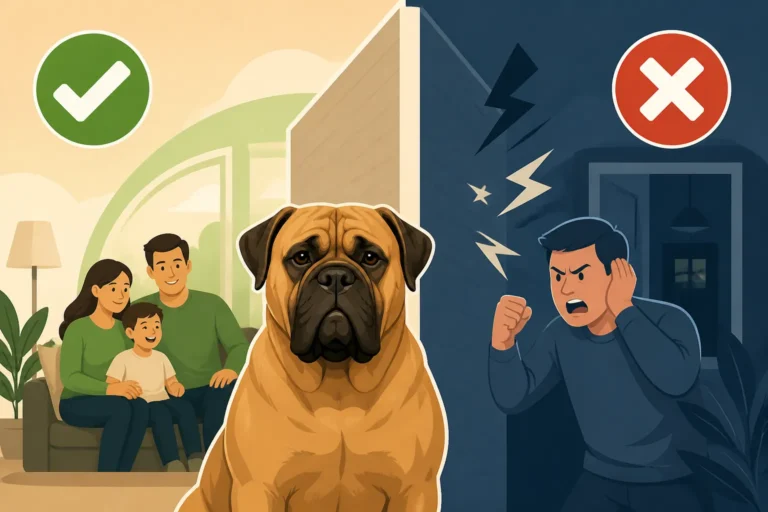
Ultimately, a Bullmastiff attack is almost always a sign of something gone wrong: pain, profound fear, mismanagement of natural instincts, or a lack of appropriate socialization and training. With responsible ownership, early and positive socialization, consistent training, and a deep understanding of canine body language, these gentle giants are far more likely to be the calm, loving, and protective companions they were bred to be.
Disclaimer
This article is for general informational purposes only and does not constitute professional advice. Laws, prices and regulations vary by location and change over time. Consult a qualified professional for guidance on your specific situation.