Whether a Bullmastiff’s Size Alone Deters Intruders
It’s a natural thought for anyone considering a giant breed like a Bullmastiff: surely, a dog that big is enough to scare off any intruder, right? Many people see that immense size and assume it’s a foolproof security system, and while the visual presence of a Bullmastiff is certainly a powerful deterrent, the truth is a little more nuanced. This guide will delve into the reality of a Bullmastiff's deterrent capabilities, exploring how their size interacts with their natural instincts and what truly makes them effective guardians, helping you understand what to expect and how to foster their protective qualities responsibly.
The Imposing Presence of a Bullmastiff: More Than Just a Large Dog
Let's be real: when you first see a Bullmastiff, their sheer size is often the first thing that strikes you. We're talking about a dog that can easily weigh over a hundred pounds, built with a formidable, muscular frame and a broad, powerful head. This isn't a fluffy little lapdog; this is a solid, imposing animal. For many, just the sight of such a massive creature is enough to send shivers down their spine, and certainly enough to make a would-be intruder think twice.
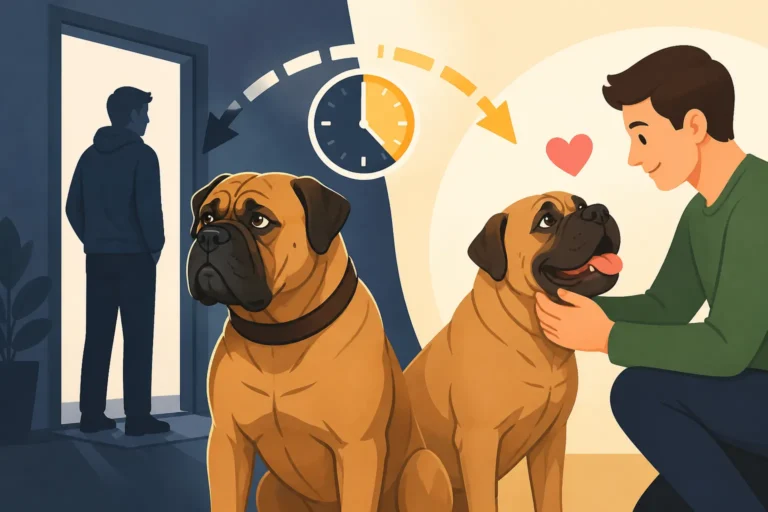
Imagine someone casing your home, looking for an easy target. They peer through a window or approach your door, and there, behind it, is a Bullmastiff. Even if the dog is merely observing, not actively growling or barking, that visual alone is often potent. The silhouette of a Bullmastiff lying quietly, head up, watching intently, communicates a clear message: this is not an easy house. Their deep chest, wide stance, and serious expression are all natural deterrents. They carry themselves with an air of quiet confidence and power that's hard to ignore. This isn't about aggression; it's about the innate understanding of a large predator that most people, even those with ill intentions, possess.
The physical attributes of a Bullmastiff are undeniably intimidating. Their thick neck, strong jaws, and dense bone structure speak volumes without the dog having to make a sound. You might not hear them barking incessantly from inside, because Why a Bullmastiff Was Bred to Work Silently, but their presence is a silent alarm all its own. This visual deterrent can prevent an incident before it even begins, simply by making your home appear less appealing than the next. It’s a passive but highly effective layer of security.
Beyond Size: Temperament, Training, and Natural Instincts
While size is a huge factor, it's never the only factor when it comes to a Bullmastiff's protective capabilities. A Bullmastiff isn't just a big dog; they come with a rich history and a specific temperament that makes them exceptional guardians, but only when understood and channeled properly. Their original purpose was to catch and hold poachers, not to maul them. This means their guarding instinct is often more about deterrence, body blocking, and containment rather than outright aggression. A Bullmastiff Was Bred to Hold a Man, Not Bite Him.
Their natural instinct to guard their family and territory is strong. They tend to be very devoted to their people, forming deep bonds and instinctively understanding the need to protect their loved ones. This isn't something you teach them from scratch; it's woven into their genetic fabric. However, this instinct needs guidance. An untrained Bullmastiff, no matter how large, can be a liability rather than an asset. Proper socialization from a young age is crucial to ensure they differentiate between a welcome guest, a delivery person, and a genuine threat. Without it, they might perceive too many things as a threat, which can lead to problems.
Training is paramount. Training a Bullmastiff That Weighs More Than You Do isn't just about obedience; it's about teaching them control and discernment. A Bullmastiff that understands commands like "stay," "leave it," and "speak" (and "quiet") is far more effective and safer than one that reacts purely on instinct. They are intelligent dogs, but can also be quite deliberate and sometimes stubborn, which means consistent, positive reinforcement training is key. Online training programs, like those offered by BAXTER & Bella, can be incredibly helpful for new Bullmastiff owners, providing structured guidance on everything from puppy basics to advanced obedience, ensuring you're building a solid foundation without resorting to harsh methods that these sensitive giants do not respond well to.
One interesting aspect of their temperament is their method of "guarding." You might notice your Bullmastiff engaging in behaviors like How a Bullmastiff Body Blocks a Stranger or simply placing themselves between you and someone new. This subtle, but powerful, declaration of protective intent is a hallmark of the breed. They observe, assess, and often take a deliberate stance. This isn't a dog that barks at every squirrel; they are typically quiet observers, making their presence felt rather than heard. How Protective a Bullmastiff Is often manifests as a calm, watchful demeanor until a genuine threat arises.
Real-World Scenarios and Maximizing Deterrent Potential
In a real-world scenario, a Bullmastiff's deterrent power comes from a combination of their appearance and their responsive, trained behavior. An intruder might initially be deterred by the sheer size seen through a window. But what happens if they ignore that initial warning?
This is where training and temperament combine. A Bullmastiff who has been properly socialized and trained will be able to assess the situation. If a stranger merely approaches the door, a well-adjusted Bullmastiff might greet them with a deep, authoritative bark (but not excessive barking, mind you), or simply stand between the family and the door, maintaining a watchful posture. If the intruder attempts to force entry, the Bullmastiff’s natural instincts kick in. Their method of "holding" or "pinning" an intruder, using their weight and strong jaws without necessarily biting, is a terrifying prospect for anyone trying to break in. While What a Bullmastiff's Bite Force Is is certainly powerful, their historical role emphasized restraint over injury, making them uniquely suited to deterring without necessarily causing grievous harm, though any dog defending its home can inflict serious injury.
To maximize your Bullmastiff's deterrent potential, consider these practical steps:
- Visibility: Don't hide your dog. Make sure they are visible from entry points. A clear "Beware of Dog" sign, prominently displayed on your fence or gate, acts as an additional layer of psychological deterrence. You can find many durable and effective options for these signs on platforms like Amazon.
- Secure Fencing: A large, powerful dog needs secure containment. A robust fence that's high enough to prevent jumping and strong enough to withstand a determined dog (or an intruder trying to get past it) is essential.
- Basic Obedience and Socialization: Enroll in puppy classes and continue with advanced obedience. This builds a strong bond and ensures your dog is controllable. Consistent exposure to various people, sights, and sounds in a positive way will teach them what is and isn't a threat. Remember, A Bullmastiff Is Not Grown Up Until Three, so consistent effort over their early years is vital.
- Home Security Integration: Your Bullmastiff is a living, breathing security system, but they shouldn't be your only one. Combine their presence with traditional security measures like good locks, an alarm system, and even motion-sensor lights. These all work together to create an environment that no intruder wants to deal with.
- "Alert" Training: While Bullmastiffs aren't typically excessive barkers, teaching them a controlled "alert" bark on command can be useful. This allows you to initiate an audible deterrent when needed, rather than relying solely on their silent observation. Conversely, teaching a "quiet" command is just as important.
Understanding the Risks and Responsibilities
While the idea of a giant, protective dog is appealing, owning a Bullmastiff solely for deterrence comes with significant responsibilities and potential risks. First and foremost, a Bullmastiff is a companion animal, not just a security device. They deserve to be part of the family, loved, cared for, and treated with respect. Their well-being, health, and happiness should always be your top priority. What a Bullmastiff Needs Every Day, Which Is Less Than You Think goes beyond just physical exercise; it includes mental stimulation, affection, and consistent guidance.
There's also the legal aspect. If your Bullmastiff does bite an intruder (or anyone else, for that matter), you could face significant legal and financial consequences. This is why control, training, and careful management are so vital. You need to be confident that your Bullmastiff will respond to your commands and not act out of uncontrolled aggression. Understanding How a Bullmastiff Decides Someone Is a Threat and nurturing that discernment is critical. This isn't about fostering aggression, but rather encouraging their natural protective instincts within a controlled, safe framework. Why Protection Training Is Unnecessary for a Bullmastiff for a typical family home is often stressed by breed experts, as their natural instincts are already strong enough, and specialized "attack" training can sometimes create more problems than it solves.
Finally, consider the lifetime commitment. A Bullmastiff is a large, strong dog with a significant appetite and substantial veterinary needs. What a Bullmastiff Costs to Buy in 2026 is just the beginning. Their short lifespan, unfortunately, often means higher medical costs in their later years, particularly if they face common health issues. You're committing to years of care, food, training, and veterinary expenses, all while managing a powerful animal. If you're a Whether a Bullmastiff Suits a First Time Owner, it's crucial to be fully prepared for this level of dedication.
Here's a quick comparison of the nuances of a Bullmastiff as a deterrent:
| Aspect | Size Alone as Deterrent | Size + Training + Temperament as Deterrent |
|---|---|---|
| Initial Impact | High visual intimidation, immediate scare factor. | High visual intimidation, enhanced by confident demeanor. |
| Effectiveness | Relies on appearance; can be underestimated by determined intruders. | Combines appearance with controlled, responsive behavior; highly effective. |
| Reliability | Unpredictable; a bold intruder might disregard it. | Predictable response to threats through training and socialization. |
| Safety | Potential for uncontrolled, fear-based reactions or overreaction. | Controlled response, minimizing risk of inappropriate aggression. |
| Owner Responsibility | Minimal, relies on dog's natural instincts. | High; requires consistent training, socialization, and management. |
| Long-term Value | Limited to initial visual scare. | Provides a truly secure and reliable guardian. |
Ultimately, a Bullmastiff's size alone is a significant deterrent, acting as a visible barrier and psychological warning to many potential intruders. However, their true effectiveness as a protector shines when their imposing physical presence is coupled with a stable temperament, consistent training, and responsible ownership. It’s the full package – size, instinct, and a well-managed education – that makes a Bullmastiff an invaluable guardian for your home and family.
Disclaimer
This article is for general informational purposes only and does not constitute professional advice. Laws, prices and regulations vary by location and change over time. Consult a qualified professional for guidance on your specific situation.