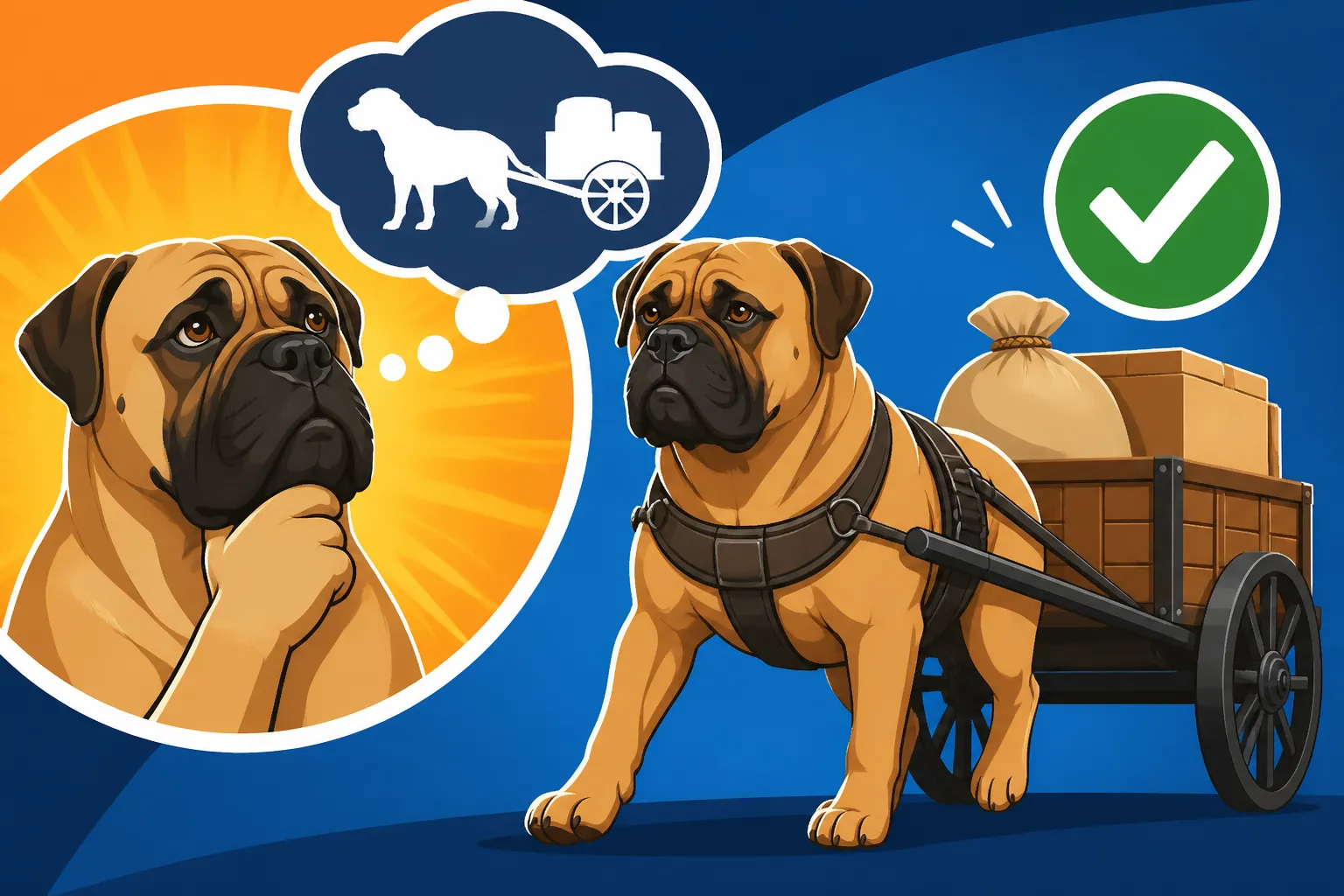
Whether a Bullmastiff Can Do Carting
Many Bullmastiff owners, myself included, look at our majestic, powerful dogs and wonder if they could put all that impressive strength to good use. The idea of them pulling a cart, looking noble and engaged, is certainly appealing. This guide is here to unravel the practicalities, joys, and crucial considerations for anyone thinking about introducing their Bullmastiff to the wonderful world of dog carting, ensuring it’s a safe and rewarding experience for both of you.
Exploring the World of Carting and Dog Draft Work
Dog carting, also known as draft work, is a fantastic activity where dogs pull a cart or wagon, often carrying loads. It’s a sport that taps into the inherent working dog spirit and provides a wonderful mental and physical outlet. For breeds with history in draft work, it's a natural fit, but for others, like our beloved Bullmastiffs, it requires careful consideration.
A Look at Canine Draft Work History
Historically, many breeds were developed to pull carts for various purposes: delivering milk, hauling goods to market, or assisting farmers with chores. Think of the mighty Bernese Mountain Dog or the steadfast Newfoundland – these breeds were literally bred for this kind of labor. It wasn't just about raw power; it was about steady, reliable pulling, often over long distances, with a calm temperament to handle bustling environments. This historical context helps us appreciate the physical and mental demands of the activity. While Bullmastiffs were bred more for protection and holding, their impressive build shares some common ground with traditional draft breeds, making the idea of them pulling intriguing.
Different Types of Carting Activities
Modern dog carting encompasses a range of activities, from competitive events to recreational enjoyment. You might see dogs pulling small wagons in parades, participating in weight-pulling competitions, or simply helping their owners transport gardening tools around the yard.
Some common activities include:
- Recreational Carting: This is often the starting point for most owners. It involves simply enjoying walks with your dog pulling a lightweight cart, perhaps carrying your picnic basket, a small child (safely!), or garden supplies. It's about enjoyment and building a bond.
- Competitive Carting: Organizations host events that test a dog's ability to navigate courses while pulling a cart, sometimes with specific commands and obstacles. These often have different classes based on the dog's size and experience.
- Weight Pulling: This is a more specialized and intense form of draft work, where dogs pull increasingly heavy loads over short distances. This is not what most people envision when they think of carting and requires highly specific conditioning and training to avoid injury. For a Bullmastiff, given their joint predispositions, extreme weight pulling needs to be approached with extreme caution, if at all.
Regardless of the type, the core principle remains: a dog harnessed to a cart, moving forward with purpose. The beauty lies in the teamwork and the dog's quiet satisfaction in having a job to do.
Bullmastiff Strengths and Considerations for Carting
Our Bullmastiffs are incredible dogs, but when it comes to an activity like carting, it’s vital to weigh their unique physical and temperamental traits. They bring a lot to the table, but also have specific needs that must be addressed.
Physical Attributes: Power vs. Physiology
There's no denying a Bullmastiff's raw power. They are big, muscular dogs, often weighing well over 100 pounds, with a low center of gravity. This strength is certainly an advantage for pulling. A well-conditioned Bullmastiff can easily pull a significant load, which is often the first thing people notice and admire. Their broad chests and sturdy frames look made for the task.
However, their physiology also presents challenges. Bullmastiffs are a brachycephalic breed, meaning they have a short muzzle. This conformation impacts their ability to cool themselves efficiently, making them highly susceptible to overheating, especially during strenuous activity or in warm weather. Why a Bullmastiff Overheats So Easily explains this in more detail. Carting requires sustained effort, and overheating is a serious risk that cannot be ignored.
Another major consideration is their joint health. Bullmastiffs, like many large and giant breeds, can be prone to hip and elbow dysplasia. Hips and Elbows Under a Hundred and Thirty Pound Bullmastiff highlights these concerns. Putting excessive strain on their joints, especially before they are fully mature (which isn't until around 2-3 years of age), or without proper conditioning, can lead to serious injury and lifelong pain. This means a careful, gradual approach is absolutely non-negotiable.
Temperament: Willingness and Work Ethic
A Bullmastiff's temperament is a double-edged sword when it comes to carting. On one hand, they are typically calm, steady, and eager to please their owners, forming deep bonds. This willingness to work with you is a huge asset. They are not flighty or overly reactive, which is important when pulling a cart through various environments. Their inherent thoughtfulness and deliberate nature means they often "think" before they act, which can be beneficial in navigating obstacles.
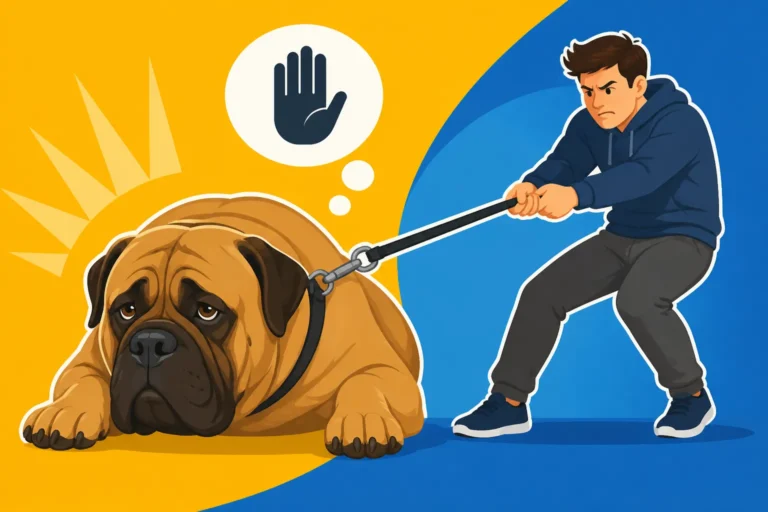
On the other hand, Bullmastiffs can also be incredibly stubborn. They have an independent streak and, if they don't see the point, they might simply plant their feet and refuse to budge. Why a Bullmastiff Pauses Before Obeying perfectly captures this characteristic. While they are intelligent, they aren't necessarily "biddable" in the same way some other working breeds are. They often require strong motivation and positive reinforcement to engage fully in tasks. What Motivates a Bullmastiff explores the types of rewards that resonate most with them.
Successfully training a Bullmastiff for carting relies heavily on building a strong, trust-based relationship where they genuinely enjoy the activity and understand what's being asked of them. Force and harsh corrections will likely lead to resistance and a complete shutdown, which is the last thing you want when your dog is harnessed to equipment.
The Journey to Draft Dog: Training Your Bullmastiff for Carting
Embarking on carting with your Bullmastiff is a rewarding journey, but it demands patience, consistency, and a structured approach. It's not something you can rush.
Foundational Obedience and Socialization
Before you even think about introducing a harness or a cart, your Bullmastiff needs a solid foundation in basic obedience. Commands like "sit," "stay," "come," and a reliable "walk" or "heel" are paramount. More importantly, they need to be proofed in various environments and distractions. A Bullmastiff pulling a cart needs to respond instantly to commands for safety, both their own and others'. For instance, a strong "wait" or "stay" is crucial if you need to stop unexpectedly or maneuver the cart.
Equally important is excellent socialization. Your Bullmastiff needs to be comfortable with strange sights, sounds, and people, as you'll likely be carting in public spaces or around novel stimuli. Loud noises, children, other dogs, and even oddly shaped objects should ideally be part of their exposure without causing undue stress or reactivity. If you're looking for structured guidance on this, online programs, such as those offered by BAXTER & Bella, can provide excellent modules on foundational obedience and socialization that are tailored for puppies and adult dogs.
Introducing Equipment: Harnesses and Carts
This is where things start to get exciting! But remember, slow and steady wins the race.
- Harness Introduction: Start with just the draft harness itself. This is different from a regular walking harness; it's designed to distribute weight across the dog's chest and shoulders, not their throat. Let your Bullmastiff wear it for short periods around the house, making it a positive experience with treats and praise. The goal is for them to associate the harness with good things and not find it restrictive or uncomfortable.
- Chains/Shafts: Once they're comfortable with the harness, attach the shafts or chains that would connect to a cart, but without the cart itself. Let them drag these around for a few minutes at a time, always supervised. The sound and feel of something dragging behind them can be startling at first.
- The Cart: Finally, introduce the empty cart. Let your Bullmastiff sniff it, walk around it. Then, connect them to the cart for very short periods, initially just walking a few steps in a quiet, familiar area. Use lots of encouragement and high-value treats. The first few times, have a helper steady the cart, especially if it's a bit noisy.
- Progression: Gradually increase the time and distance, and slowly add very light weight to the cart. Never put too much weight too soon. The initial focus is on getting your Bullmastiff comfortable and confident with the equipment and the sensation of pulling. Remember that The First Year With a Bullmastiff Puppy emphasizes slow growth and development, which extends to physical activities too. Avoid strenuous carting until your Bullmastiff is fully grown and their growth plates have closed, usually around two years old, to protect their developing joints.
Specific Training for Draft Work
Beyond basic obedience and equipment familiarity, there are specific cues for carting:
- "Gee" (Right) and "Haw" (Left): These directional commands are essential for steering the cart.
- "Whoa" (Stop): A rock-solid stop command is critical for safety.
- "Hup" (Go Forward): A clear command to start pulling.
- "Easy" or "Slow": To control their pace.
- Backing Up: Teaching your Bullmastiff to back the cart up is an advanced but very useful skill.
Practice these commands independently first, then integrate them with the cart. Always keep training sessions short and positive, especially when introducing new concepts. Bullmastiffs, as mentioned in How Long a Bullmastiff Will Work in a Session, benefit from shorter, more frequent training bursts rather than long, drawn-out sessions that can lead to boredom and stubbornness.
Here's a quick comparison of key Bullmastiff traits related to carting:
| Trait | Advantage for Carting | Challenge for Carting | Training Implication |
|---|---|---|---|
| Strength | Significant pulling power, robust build | Potential for owner to be overpowered if untrained | Needs extensive leash training and strong verbal control. |
| Temperament | Calm, loyal, eager to please owner | Can be stubborn, independent, deliberate | Requires positive reinforcement, patience, making it a fun activity. |
| Stamina | Decent, but not endurance athletes | Short muzzle (brachycephalic), prone to overheating | Keep sessions short, monitor for heat, avoid peak heat hours. |
| Joint Health | Sturdy bone structure (when healthy) | Prone to hip/elbow dysplasia, cruciate tears | Absolutely no heavy pulling until fully mature; slow conditioning is key. |
| Biddability | Intelligent, can learn complex tasks | Prefers to "think" rather than blindly obey | Build a strong relationship, use high-value rewards, keep it interesting. |
Gearing Up and Staying Safe: Essential Equipment for Bullmastiff Carting
Just like any specialized activity, carting requires the right tools to ensure comfort, effectiveness, and above all, safety for your Bullmastiff.
Selecting the Right Draft Harness
A proper draft harness is the single most important piece of equipment. You absolutely cannot use a regular walking harness or a collar for carting. A draft harness is specifically designed to distribute the pulling weight evenly across the dog's chest and shoulders, avoiding pressure on their neck, throat, or spine. Look for harnesses made from durable materials like heavy-duty nylon or leather, with ample padding. The fit is crucial: it should be snug but not restrictive, allowing full range of motion without chafing. Many specialty pet supply retailers and online platforms like Amazon offer a variety of draft harnesses designed for large breeds. Be prepared to measure your Bullmastiff carefully and perhaps try a few different styles to find the best fit.
Choosing a Suitable Cart or Wagon
The cart itself needs to be appropriate for your Bullmastiff's size and the type of activity you plan to do.
- Weight: Start with a lightweight cart, even if your Bullmastiff is strong. A heavier cart requires more effort and can be harder to control initially.
- Wheels: Look for sturdy wheels that can handle different terrains. Pneumatic (air-filled) tires provide a smoother ride for your dog and are often easier to pull than solid wheels, especially on uneven ground.
- Balance: The cart should be well-balanced and stable. If it's constantly tipping or swaying, it can be uncomfortable and potentially dangerous for your dog.
- Shafts: The shafts (the poles that connect the harness to the cart) should be the correct length and height for your Bullmastiff. They shouldn't rub against your dog's sides or interfere with their gait. Some carts feature adjustable shafts, which can be very helpful.
For recreational carting, you might find suitable wagons or garden carts on Amazon that can be adapted with shafts. For more serious draft work, specialized dog carts from manufacturers focused on canine sports are often a better investment.
Safety First: Protecting Your Bullmastiff
Safety should always be your top priority. Remember that our Bullmastiffs, despite their robust appearance, have vulnerabilities, especially related to heat and joints.
- Weather Conditions: Never, ever cart your Bullmastiff in warm or hot weather. Even on moderately warm days, their brachycephalic nature puts them at extreme risk of overheating. Stick to cool mornings, evenings, or cooler seasons. Always carry plenty of water for both you and your dog, and know the signs of heatstroke.
- Surface and Terrain: Avoid hard, unforgiving surfaces like concrete or asphalt for extended periods, as this can be hard on their joints. Grass, dirt trails, or packed gravel are much more forgiving. Uneven or slippery terrain can also lead to injury.
- Load Management: Start with an empty cart and gradually add very light weight. Never overload the cart, especially in the early stages or if your Bullmastiff isn't perfectly conditioned. Remember, the goal is enjoyment and exercise, not straining them to their limit.
- Health Checks: Regular veterinary check-ups are essential. Ensure your Bullmastiff has no underlying heart issues (like Subaortic Stenosis Is There Before a Bullmastiff's First Birthday) or worsening joint conditions that could be exacerbated by carting. Pay close attention to any signs of lameness or discomfort during or after carting sessions. Caring for a Bullmastiff Past Six also stresses the importance of monitoring joint health as they age, even if they've been active.
- Visibility: If you're carting near roads or in low light conditions, ensure both you and your Bullmastiff are highly visible. Reflective tape on the cart and harness, along with lights, is a smart addition.
Carting with a Bullmastiff can be a incredibly rewarding experience, offering a unique way to bond and provide mental stimulation. With proper training, the right equipment, and a strong emphasis on safety, your powerful companion can absolutely enjoy this activity.
Disclaimer
This article is for general informational purposes only and does not constitute professional advice. Laws, prices and regulations vary by location and change over time. Consult a qualified professional for guidance on your specific situation.