What a Bored Bullmastiff Destroys
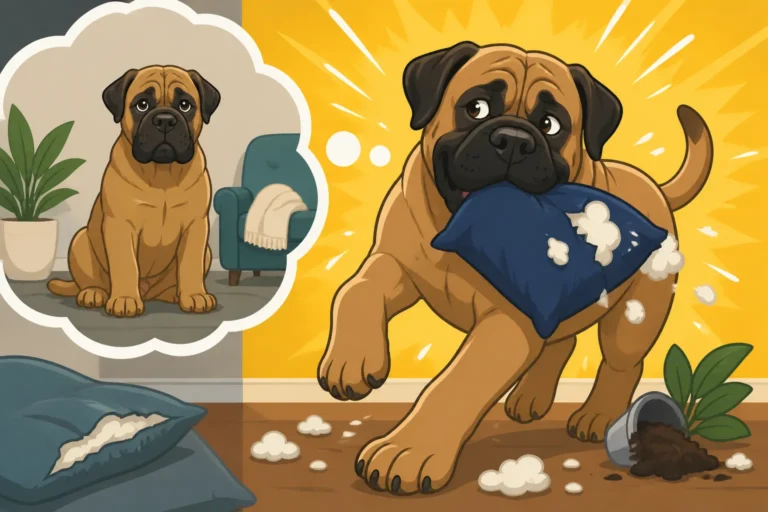
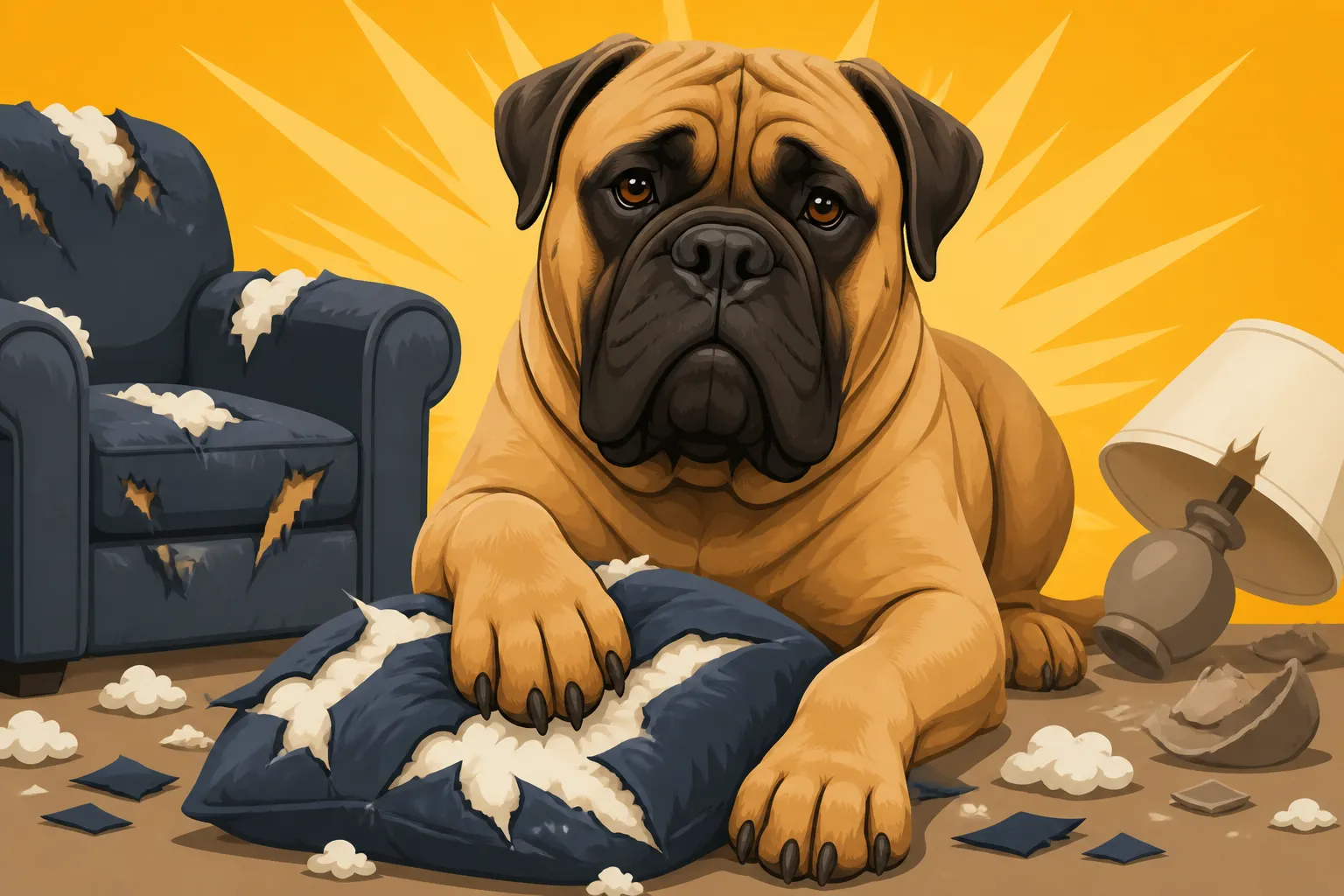
It's heartbreaking to come home and find your beloved Bullmastiff has redecorated your living room with the stuffing from your couch, or chewed through a prized shoe. The sheer size and power of these gentle giants mean that boredom isn't just annoying; it's genuinely destructive. This guide will dive deep into understanding why your Bullmastiff might be turning your home into their personal chew toy, and, more importantly, what proactive steps you can take to prevent this costly and frustrating behavior.
Understanding the Bored Bullmastiff Mindset
Bullmastiffs are majestic, powerful dogs with a history rooted in guarding and holding poachers without harming them. This background gives them a unique temperament: intelligent, watchful, and deeply loyal, but also capable of immense strength and, if left unstimulated, equally immense destruction. When a Bullmastiff is bored, it's not simply acting out of spite; it's often a sign of unmet needs, whether physical, mental, or emotional. They're problem-solvers by nature, and if you don't give them appropriate problems to solve, they'll invent their own, usually at your expense.
Why a Bullmastiff Gets Bored Easily
Despite their imposing size, Bullmastiffs aren't typically high-energy dogs that need to run for miles every day. This often leads new owners to assume they don't need much mental stimulation either, which is a big mistake. A Bullmastiff's boredom often stems from a lack of appropriate outlets for their natural instincts. They were bred to be alert and observant, to patrol and assess, and to make decisions. Without a "job" to do, even a simple one, that intelligent mind can quickly turn to mischief. Imagine being a highly capable individual stuck in a room with nothing to do; eventually, you'd start dismantling the furniture just to see how it works or to relieve the tedium.
Their relatively low physical exercise needs can be deceptive. While a brisk walk or two a day might suffice for physical exhaustion, it doesn't always address their mental needs. A Bullmastiff might appear to be a couch potato, but underneath that calm exterior lies a brain that needs engagement. If they're not given structured activities, they'll find unstructured ones, and those often involve your belongings. A bored Bullmastiff isn't necessarily a tired Bullmastiff; it's often a dog that simply hasn't had enough to think about.
Common Signs of Developing Boredom
Before your Bullmastiff starts redecorating with your sofa cushions, there are often subtle cues that boredom is setting in. Recognizing these signs early can be your first line of defense. You might notice an increase in whining, pacing, or generally restless behavior. They might start nudging you more frequently for attention or bringing you toys that they then immediately drop, looking for a reaction. Excessive licking, especially of their paws or flanks, can also be a self-soothing behavior that indicates underlying stress or boredom.
Sometimes, the signs are more direct precursors to destruction. They might start chewing on inappropriate items right in front of you, almost as if testing the boundaries. You might catch them staring intently at a piece of furniture, contemplating their next project. They could also become more demanding, barking more often than their usual How Much a Bullmastiff Barks silent presence, or even trying to steal items for a game of "keep away." Pay attention to these early warnings; they are a plea for engagement before the wrecking ball comes out.
The Usual Suspects: What Bullmastiffs Love to Destroy
When a Bullmastiff decides to get destructive, they don't do it by halves. Their formidable jaws and sheer body weight mean that common household items stand little chance. It's not just the monetary cost of replacing things; it's the emotional toll of losing cherished possessions or dealing with extensive cleanup. Understanding what they target can help you "Bullmastiff-proof" your home.
Furniture and Fixtures: The Prime Targets
Oh, the furniture! This is often the big one. Sofas, chairs, coffee tables, and even door frames become prime targets for a bored Bullmastiff. The soft, yielding nature of upholstery makes it incredibly satisfying to tear into, exposing the foam and batting within. For a large dog, shredding a cushion can feel like an immensely rewarding project. Wooden legs of tables and chairs, or even baseboards, provide a satisfying resistance to chew against, helping to relieve canine stress and provide oral stimulation.
Consider your Bullmastiff's powerful jaws; they were designed to "hold" a man, and that strength translates directly to anything they can sink their teeth into. If you have ever seen a Bullmastiff chew through a robust toy, you can imagine the ease with which they can dismantle a particle board end table. Door frames are also popular, especially if the dog has separation anxiety contributing to its boredom. They might claw and chew at the frame trying to get out or to express their frustration at being confined. What a Bullmastiff Does to Furniture is often jaw-dropping.
Personal Items and Clothing: Your Prized Possessions
Shoes, socks, remote controls, eyeglasses, cell phones – if it smells like you, it's fair game. These items carry your scent, making them highly attractive to your Bullmastiff, who might chew them as a way to feel closer to you, or simply because they're readily available and engaging. A good leather boot offers a wonderfully complex chewing experience, much like a bone. A fluffy sock might feel comforting to mouth and shred.
Remote controls and electronics are particularly dangerous targets, not just for the cost of replacement, but for the potential ingestion of batteries or small plastic pieces. This is where the Bullmastiff's "gentle giant" reputation meets the reality of their destructive potential when bored. They don't understand the value or danger of these items; they simply see something that can be picked up, carried, and utterly demolished. Always make sure anything valuable or hazardous is kept well out of reach.
Garden and Outdoor Destruction
The destruction isn't limited to indoors. A bored Bullmastiff with outdoor access can wreak havoc on your garden, turning a meticulously maintained yard into a lunar landscape. Digging is a natural canine behavior, and for a Bullmastiff, digging a substantial hole is a workout in itself. They might target flowerbeds, the base of trees, or even under fences, seeking cooler earth, hidden scents, or simply the satisfaction of moving dirt.
Plants, particularly young shrubs or anything with interesting textures, can also become chew toys. Irrigation lines, garden hoses, and even outdoor furniture can fall victim to their powerful jaws. This can be especially frustrating because outdoor destruction often feels harder to monitor and prevent than indoor antics. If your Bullmastiff spends time in the yard, it needs just as much mental and physical engagement there as it does inside.
Proactive Solutions to Banish Bullmastiff Boredom
Preventing boredom is always easier and less expensive than cleaning up the aftermath of a bored Bullmastiff. A multi-faceted approach combining mental stimulation, appropriate exercise, and safe chewing alternatives is key to a happy, well-adjusted dog and an intact home.
Structured Exercise and Mental Stimulation
While Bullmastiffs don't need to be marathon runners, consistent, moderate exercise is crucial. This isn't just about physical exertion; it's about structured activity that provides mental engagement. Daily walks are a must, but vary your routes to keep things interesting. Let them sniff and explore new scents; this is immensely stimulating for a dog. Consider short periods of off-leash play in a secure area, or even a low-impact game of fetch. Remember, The Exercise Limit for a Bullmastiff Puppy is different from an adult, so tailor activities to their age and physical condition.
Beyond physical movement, incorporate mental games. Puzzle toys, especially those that dispense treats, can keep a Bullmastiff occupied for extended periods. You can find a fantastic array of these on platforms like Amazon, from slow feeders that make mealtime a challenge to more intricate puzzles that require paw and nose work. Hide-and-seek with toys or treats is another great way to engage their scent drive and problem-solving skills. Basic obedience training sessions, even short 10-15 minute bursts throughout the day, provide valuable mental exercise and reinforce your bond. What Mental Work a Bullmastiff Needs should not be underestimated.
Providing Appropriate Chew Outlets
This is perhaps the most critical component. Bullmastiffs need to chew. It's natural, it helps keep their teeth clean, and it relieves stress. Your job is to provide irresistible, safe, and durable chew toys. Think big, sturdy, and nearly indestructible. Look for toys made from tough rubber compounds, like those from popular brands known for power chewers. Rotate toys regularly to keep them novel and exciting. If they always have the same three toys, they'll quickly lose interest.
Consider things like hollow bones or rubber toys that can be stuffed with peanut butter, yogurt, or kibble and then frozen. These can last for a long time, providing a sustained chewing challenge. Bully sticks or other long-lasting natural chews can also be excellent, but always supervise your Bullmastiff with these to ensure they don't choke on small pieces. Providing these appropriate outlets can redirect their natural urge to chew away from your furniture and shoes. For high-quality, long-lasting options, a quick search on Amazon will bring up numerous highly-rated products designed for giant breeds.
Training and Enrichment Strategies
Positive reinforcement training is essential, not just for obedience but for building confidence and providing structure. A well-trained Bullmastiff is generally a less destructive Bullmastiff because they understand boundaries and have clear expectations. Enroll in puppy classes early, and continue with advanced obedience or even trick training. Online platforms like BAXTER & Bella offer comprehensive training programs that you can do from home, which can be a real game-changer for large breeds that might be overwhelming in a group class setting. Their guidance can help you understand When a Bullmastiff Tests Its Owner and how to respond effectively.
Consider crate training. A crate, when used properly, is not a punishment but a safe den for your Bullmastiff. It provides a secure space where they cannot destroy your home when you're not there to supervise. Introduce it positively and make it a comfortable, inviting place. This is especially helpful during puppyhood and adolescence, a time when a Bullmastiff can be particularly prone to destructive chewing. What a Crate for a Bullmastiff Costs is a small price to pay for peace of mind and an intact home.
Here's a quick reference for tackling boredom:
| Boredom Indicator | Potential Cause | Proactive Solution | Quick Fix for Immediate Boredom |
|---|---|---|---|
| Chewing inappropriate items | Lack of chew outlets, stress | Provide durable, stuffed chew toys; rotate toys | Offer a high-value, safe chew |
| Digging in the yard | Lack of mental/physical outlet | Designated digging spot, more walks/yard games | Supervised play, puzzle toy |
| Pacing/Restlessness | Insufficient exercise/stimulation | Longer walks, new routes, obedience practice | Short training session |
| Whining/Nudging for attention | Needs engagement, loneliness | Interactive play, training games, cuddle time | Engage with a favorite toy |
| Excessive licking | Stress, anxiety, boredom | Increase mental work, calming chews, vet check for health | Gentle massage, quiet space |
Management When You Can't Supervise
Life happens, and sometimes you can't be there every moment to supervise your Bullmastiff. This is where good management comes into play. Beyond the crate, consider puppy-proofing a designated area of your home. Use baby gates to restrict access to certain rooms. Ensure all valuables, electronics, shoes, and tempting items are stored away or elevated out of reach. This isn't about punishing your dog; it's about setting them up for success.
For adult Bullmastiffs, even if they've been reliable for years, an unexpected surge of boredom or anxiety can trigger destructive behavior. If you're going to be gone for an unusually long period, arrange for a dog walker or a friend to check in. Leaving them with a challenging puzzle toy or a long-lasting chew can also help bridge the gap. Remember, How Long a Bullmastiff Copes Alone can vary greatly between individuals, so it's best to err on the side of caution.
When Destruction Happens: Damage Control and Next Steps
Even with the best intentions and preventative measures, sometimes a Bullmastiff will still find a way to indulge their destructive urges. When it happens, your reaction is key, both for the immediate situation and for future behavior.
Reacting to the Destruction
First and foremost: don't panic or get angry. While it's incredibly frustrating to see your favorite armchair shredded, reacting with anger or punishment after the fact is ineffective and can damage your relationship with your Bullmastiff. Dogs live in the moment; they won't associate your anger with something they did hours ago. They'll just associate your return with your upset state, leading to anxiety, not understanding.
Instead, stay calm. Assess the damage. Is your Bullmastiff safe? Have they ingested anything dangerous? Your first priority is their health. Then, quietly clean up the mess. If your dog is still actively chewing, calmly interrupt the behavior with a verbal cue like "leave it" or a clap, then immediately redirect them to an appropriate chew toy. Praise them when they engage with the correct item. This teaches them what to chew, rather than just what not to chew.
Identifying the Root Cause
Once the immediate crisis is over, it’s time for some detective work. Why did this happen? Did you skip their morning walk? Was their favorite puzzle toy empty? Did you leave them alone for longer than usual? Were they confined in a new area? Think about the circumstances leading up to the destruction. Is it truly boredom, or is there an element of separation anxiety, fear, or even a medical issue causing restlessness?
If the destruction is new or escalating, consider consulting with your veterinarian to rule out any underlying health problems that might be contributing to behavioral changes. Sometimes, increased chewing or restlessness can be a symptom of discomfort. If health is clear, a professional dog trainer or behaviorist can be invaluable. They can help you interpret your Bullmastiff's specific behaviors and develop a tailored plan. For instance, Whether a Bullmastiff Needs a Professional Trainer often becomes clear when destructive behaviors persist despite your best efforts.
Reinforcing Positive Behavior and Training
Every instance of destruction, though frustrating, is a learning opportunity. It signals a gap in your management or enrichment strategy. Use it as a prompt to re-evaluate and strengthen your routine. Double down on daily mental and physical exercise. Invest in more challenging puzzle toys. Reinforce basic obedience commands like "leave it" and "drop it" with positive rewards. Make sure your Bullmastiff understands that good choices lead to good things (treats, praise, playtime).
Remember that consistency is vital. If you provide a variety of appropriate chew toys and interactive games every single day, your Bullmastiff will be less likely to seek out inappropriate targets. Their intelligence means they learn quickly, both good habits and bad. By being proactive and consistent, you can steer your Bullmastiff away from a path of destruction and towards a life of fulfilling engagement, ensuring your home remains intact and your bond with your gentle giant grows stronger.
Disclaimer
This article is for general informational purposes only and does not constitute professional advice. Laws, prices and regulations vary by location and change over time. Consult a qualified professional for guidance on your specific situation.