Why a Bullmastiff Puppy Should Not Run on Concrete
It's an exciting time when you bring home a Bullmastiff puppy. You watch them bound around with seemingly endless energy, and it's natural to want to give them all the space in the world to explore and play. However, that powerful, clumsy exuberance can actually be a hidden danger, especially when it comes to hard surfaces like concrete. This guide will help you understand why letting your Bullmastiff puppy run freely on concrete is a real risk, and how you can protect their developing joints for a healthier, happier life.
The Unique Vulnerabilities of a Growing Bullmastiff Puppy
When you look at your adorable Bullmastiff puppy, it's easy to forget that beneath all that puppy fluff and playful energy, their bodies are undergoing an incredibly rapid and sensitive growth phase. Unlike smaller breeds, giant breeds like Bullmastiffs have a protracted period of skeletal development, and their bones and joints are particularly vulnerable during this time. Ignoring these vulnerabilities can lead to lifelong orthopedic issues that no owner ever wants to face.
Understanding Growth Plates and Giant Breeds
Imagine your puppy's bones aren't quite solid yet. That's essentially what growth plates are: areas of cartilage near the ends of long bones that haven't yet calcified into hard bone. These "epiphyseal plates" are responsible for the bone's growth in length, and they remain open and vulnerable until your Bullmastiff reaches skeletal maturity, which can be as late as 18-24 months of age for giant breeds. Before these plates close, they are significantly weaker than the surrounding bone, making them susceptible to injury from excessive impact or twisting forces. A seemingly minor bump or awkward landing can cause serious damage, leading to pain, lameness, and potentially even permanent deformity if not treated promptly and correctly.
For a Bullmastiff puppy, who is already carrying a significant amount of weight even at a young age, the forces exerted on these delicate growth plates are amplified. A jump off a porch, a sudden stop during a sprint, or repetitive pounding can all place immense stress on these areas. It’s not just about a single traumatic injury; it’s also about the cumulative micro-traumas that can happen over time. Protecting these critical areas is paramount to ensuring proper skeletal development and preventing future problems. For more on this, you might find When a Bullmastiff's Growth Plates Close helpful.
The Impact of Rapid Growth on Joint Health
Bullmastiffs grow at an astonishing rate. They can go from a tiny ball of wrinkles to a massive, hundred-pound dog in a little over a year. While this is incredible to witness, it also means their bones, muscles, ligaments, and tendons are constantly striving to keep pace with each other. Sometimes, the soft tissues don't strengthen as quickly as the bones grow, leading to temporary imbalances and increased laxity in the joints. This makes conditions like hip and elbow dysplasia more likely to manifest or worsen if proper care isn't taken during their formative months. Hips and Elbows Under a Hundred and Thirty Pound Bullmastiff explains more about these common concerns.
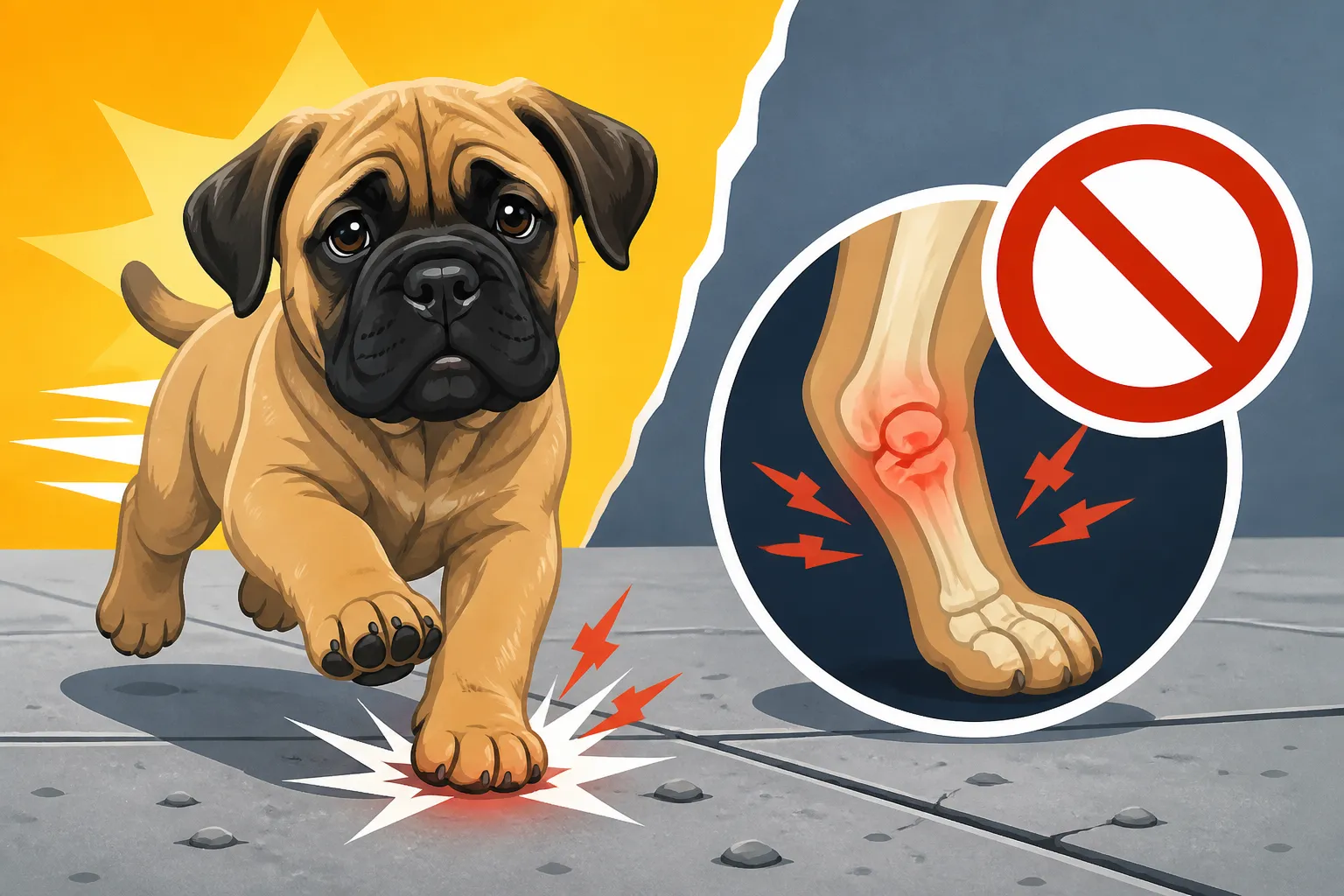
When a rapidly growing, heavy Bullmastiff puppy runs and jumps on hard surfaces like concrete, the concussive forces are sent directly through their immature joints. This isn't like a human child, whose lighter weight and more developed skeletal system can better absorb such impacts. For a Bullmastiff, each jarring step can contribute to inflammation, micro-trauma, and improper development of the joint surfaces. Over time, this chronic stress can accelerate the degeneration of cartilage, exacerbating genetic predispositions to conditions like Hip Dysplasia in a Bullmastiff or Elbow Dysplasia in a Bullmastiff, even in puppies from health-tested lines. Preventing rapid growth by keeping your puppy lean and feeding them appropriate large-breed puppy food, as discussed in Feeding a Bullmastiff Puppy So It Grows Slowly, is also crucial.
Concrete: A Hard Reality for Developing Joints
Concrete, asphalt, and other hard, unyielding surfaces might seem convenient for exercising your Bullmastiff puppy, especially in urban environments or backyards with paved areas. However, these surfaces are the archenemy of developing joints, particularly for a heavy, fast-growing breed like the Bullmastiff. What feels like a solid, stable ground for us is a rigid, unforgiving impact zone for their vulnerable skeletal system.
The Unforgiving Nature of Hard Surfaces
Think about walking barefoot on concrete versus grass. You immediately feel the difference in shock absorption. For a Bullmastiff puppy, whose joints are not yet fully formed and whose ligaments and tendons are still strengthening, concrete offers absolutely no give. Every time their paws hit the pavement, the entire force of their rapidly increasing body weight, amplified by the speed of running or jumping, travels directly up their legs into their growth plates and joints. This lack of cushioning is detrimental.
On softer surfaces like grass, dirt, or even sand, the ground absorbs some of that impact, dispersing the force and reducing the direct stress on the bones and joints. Concrete, on the other hand, acts like a rebound wall, sending all that energy right back into your puppy's developing body. This can lead to bruised bones, strained ligaments, and microscopic damage to cartilage over time. It's a silent threat because the immediate signs of discomfort might not be obvious, but the cumulative damage can be severe, laying the groundwork for painful arthritis and mobility issues later in life.
Repetitive Strain and Long-Term Damage
It's not usually one single run on concrete that causes catastrophic damage (though a severe fall or collision certainly could). More often, it's the consistent, repetitive pounding over weeks and months that truly takes a toll. Imagine your Bullmastiff puppy bounding back and forth in a concrete run or playing fetch on a paved driveway every day. Each time their paws strike the hard surface, tiny stresses accumulate within their joints and growth plates. These micro-traumas might not cause acute lameness, but they can trigger inflammation and interfere with the normal, healthy development of joint cartilage and bone structure.
This kind of repetitive strain can significantly increase the risk of developmental orthopedic diseases. Even if a puppy has excellent genetics, poor environmental management during their critical growth period can bring out or worsen conditions like hip and elbow dysplasia. The consistent jarring can lead to abnormal wear and tear on joint surfaces, contribute to loose ligaments, and ultimately result in chronic pain and reduced mobility as they age. This is why careful consideration of exercise surfaces is so vital during the first two years of a Bullmastiff's life, and even throughout their lifespan as discussed in Caring for a Bullmastiff Past Six.
Safer Exercise Alternatives for Your Bullmastiff Puppy
So, if concrete is out, what's a responsible Bullmastiff owner to do? The good news is there are plenty of wonderful, safe ways to exercise and play with your growing puppy that prioritize their long-term joint health. It's all about making conscious choices and understanding the appropriate limits for their age and development. Remember, the goal is controlled, purposeful exercise, not uncontrolled bursts of activity on hard surfaces.
Soft Surfaces for Play and Training
When it comes to allowing your Bullmastiff puppy to run and play, always opt for soft, yielding surfaces. Natural grass is ideal – think about a grassy park, a large fenced yard, or even a soccer field. The natural cushion of grass helps absorb impact, protecting those vulnerable growth plates and joints. Dirt trails, sandy beaches (if you live near one!), or even soft, packed earth are also much better alternatives than concrete. These surfaces allow for more natural foot placement and shock absorption, distributing the impact more evenly.
If you don't have access to vast grassy areas, consider indoor options with cushioned flooring. Some dog training facilities offer matted floors specifically designed to reduce impact during agility or obedience training. Even a large carpeted room at home can provide a safer space for short bursts of play or training sessions. When choosing puppy classes, make sure the facility has appropriate flooring. You want to avoid any environment that encourages fast, hard stops or turns on unforgiving surfaces. For daily outdoor walks, prioritize paths that are dirt, wood chips, or grass over sidewalks whenever possible.
Controlled Exercise and Development
Beyond just the surface, how your Bullmastiff puppy exercises is just as important. Instead of letting them run wild and unsupervised on any surface, focus on controlled, purposeful activities. Short, frequent walks on a leash on soft ground are excellent. These walks build stamina and muscle without overtaxing their joints. Avoid long, strenuous hikes or forced running until their growth plates have fully closed. Think gentle exploration, not marathon training.
Training sessions, which involve short bursts of activity and mental engagement, are also fantastic. Using positive reinforcement and treats, you can teach commands like "come," "sit," and "stay" in a grassy area. This builds their bond with you, develops their brains, and provides physical activity without the high-impact risks. Programs like BAXTER & Bella offer online puppy training resources that emphasize controlled development and mental stimulation, which are perfect for a growing Bullmastiff who can't safely go jogging for miles. Puzzle toys and gentle games of hide-and-seek can also provide mental and physical exercise without excessive strain. Remember, The Exercise Limit for a Bullmastiff Puppy is less than you might think!
Monitoring for Signs of Discomfort
Even with the best intentions and the safest surfaces, it’s crucial to be vigilant and monitor your Bullmastiff puppy for any signs of discomfort or lameness. Bullmastiffs are stoic dogs and can often hide pain, so you'll need to pay close attention. Watch for subtle changes in their gait, a reluctance to play, difficulty rising, or favoring a limb. After any period of play or exercise, gently check their joints for warmth, swelling, or tenderness.
A slight limp that resolves quickly might be nothing, but persistent lameness, even intermittent, warrants a call to your veterinarian. Early detection of any orthopedic issue is key to successful management. Your vet might recommend rest, anti-inflammatory medication, or further diagnostics like X-rays (see When a Bullmastiff Should Be X Rayed). Don't hesitate to seek professional advice; it's always better to be overly cautious when it comes to a giant breed puppy's developing body. Investing in quality orthopedic bedding from retailers like Amazon can also provide crucial support for their heavy bodies, even when they're just resting, helping to prevent calluses and pressure points that can exacerbate joint discomfort. Bedding and Joints for a Hundred and Thirty Pound Bullmastiff has more on this topic.
Here’s a quick overview of safe and unsafe exercise choices:
| Activity / Surface | Safe for Bullmastiff Puppy? | Why or Why Not |
|---|---|---|
| Running on Concrete | NO | High impact, no shock absorption, risks growth plate injury and joint damage. |
| Running on Grass | YES (controlled) | Provides cushion, reduces impact, safer for developing joints. |
| Short Leash Walks (grass/dirt) | YES | Controlled exercise, builds stamina, minimal impact. |
| Long Hikes/Jogging | NO | Too strenuous, high impact over extended periods, especially before growth plates close. |
| Agility/High Jumps | NO | Extreme twisting, jumping, and landing forces are dangerous for immature joints. |
| Swimming | YES (supervised, gentle) | Excellent low-impact exercise, strengthens muscles without joint stress. |
| Playing Fetch (soft ground) | YES (controlled, short) | Good for bursts of energy, but avoid obsessive retrieving or hard stops. |
| Indoor Play (carpeted) | YES | Offers some cushioning, good for short sessions. |
Remember, keeping your Bullmastiff puppy lean is one of the most important things you can do for their joint health. Every extra pound puts more strain on their developing skeletal system. Keeping a Bullmastiff Lean Is the Best Thing You Can Do emphasizes this crucial point, as does Why a Bullmastiff Puppy Should Be Kept Lean. By prioritizing their safety and making smart choices now, you're setting them up for a lifetime of comfort and mobility, delaying the day when an aging Bullmastiff struggles to rise.
Disclaimer
This article is for general informational purposes only and does not constitute professional advice. Laws, prices and regulations vary by location and change over time. Consult a qualified professional for guidance on your specific situation.