Whether a Bullmastiff Can Run With You
It's a dream many dog owners share: the image of you and your beloved canine companion, pounding the pavement or hitting the trails together, a picture of fitness and boundless energy. For those of us with magnificent Bullmastiffs, that dream often comes with a quiet question: can my big, powerful dog actually run with me? The answer isn't a simple yes or no, but rather a thoughtful exploration of what's truly best for their unique bodies and long-term health. This guide will help you understand the specific considerations for exercising your Bullmastiff, steering you toward activities that keep them happy and healthy without putting undue strain on their formidable frame.
Understanding Your Bullmastiff's Physical Makeup
When we talk about whether a Bullmastiff can be a running partner, we have to go back to their roots and their very build. These aren't lean, agile sighthounds or endurance sled dogs. Our Bullmastiffs were purpose-bred for a very specific job: to catch and hold poachers on sprawling English estates. This meant they needed strength, intimidation, and the ability to cover ground in short, powerful bursts, often in the dark, without barking. They were the "Gamekeeper's Night Dog," and their physical structure reflects that demanding, yet not endurance-focused, history.
Bred for Strength, Not Stamina
Think about a Bullmastiff's proportions: a broad chest, heavy bone, and a deep, powerful body. They are incredibly strong, capable of holding a full-grown man without biting him, a task that requires immense physical power and muscular development. This isn't the body of a long-distance runner. Their musculature is designed for short, explosive action, not sustained, repetitive impact. While they can move with surprising speed for their size, it's typically over short distances. Asking them to run mile after mile like a Border Collie or a Labrador is akin to asking a powerlifter to run a marathon – it's just not what their physique is optimized for, and it can lead to problems. Their ancestors needed to track silently and then pounce, bringing down a threat with their mass and strength. That heritage is still very much present in our modern Bullmastiffs.
Growth and Development Considerations
Another critical aspect of your Bullmastiff's physical makeup is their slow and steady growth. Unlike smaller breeds that reach maturity quickly, a Bullmastiff takes a good long time to fully develop. Their growth plates, the areas of soft, growing tissue at the ends of their bones, don't fully close until they are often 18 months to two years old, sometimes even later for larger individuals. During this crucial period, high-impact activities like sustained running, jumping, or intense agility work can cause irreparable damage to their developing joints. Imagine forcing a child to lift heavy weights or run a marathon before their bones are fully fused; it’s a recipe for long-term injury. Responsible owners understand the importance of patience here, allowing their Bullmastiff's body to mature completely before even considering more strenuous activities. This slow development is a key reason why pushing them into running too early can be so detrimental. You can learn more about this in When a Bullmastiff's Growth Plates Close.
The Risks of High-Impact Exercise for Bullmastiffs
While the idea of running with your Bullmastiff might seem appealing for bonding and exercise, it's vital to be realistic about the significant health risks associated with high-impact activities for this particular breed. Their large size, rapid growth, and specific physiological traits make them prone to certain conditions that can be exacerbated by intense running.
Joint Health Concerns: Hips, Elbows, and Cruciates
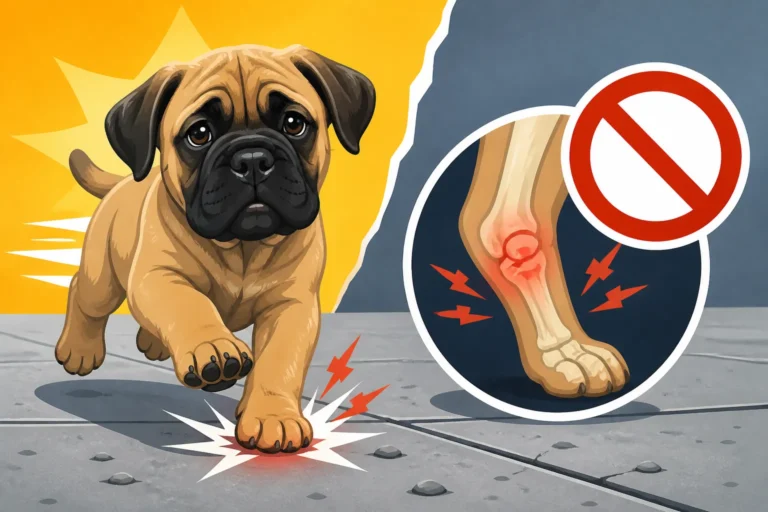
Bullmastiffs, like many giant and large breeds, are unfortunately predisposed to orthopedic issues. Hip and elbow dysplasia are common concerns, where the joints don't develop properly, leading to grinding, pain, and arthritis. Repetitive pounding on hard surfaces, such as sidewalks or roads, puts immense stress on these already vulnerable joints. Even if your Bullmastiff has excellent clearances from health-tested parents, the sheer weight of their body means that every step taken at a run transmits a significant force through their hips, elbows, and stifles. This can accelerate the onset of arthritis or worsen existing subtle issues that might otherwise remain subclinical. Beyond dysplasia, cruciate ligament tears (the canine equivalent of an ACL tear) are also common. These can occur from sudden turns, slips, or simply from cumulative stress over time, and running on uneven terrain or making quick stops can definitely contribute to this risk. Understanding Hip Dysplasia in a Bullmastiff and Elbow Dysplasia in a Bullmastiff is crucial for any Bullmastiff owner.
Overheating and Brachycephalic Syndrome
Perhaps one of the most critical and often underestimated risks for Bullmastiffs during strenuous exercise is overheating. Bullmastiffs are a brachycephalic breed, meaning they have a relatively short muzzle. While not as extreme as a Bulldog or a Pug, their shorter nasal passages, combined with their dense coat and large body mass, make them incredibly inefficient at cooling themselves down. Dogs primarily cool themselves through panting. With a shorter muzzle, the surface area for heat exchange is reduced, and they have to work much harder to dissipate heat. This is why even a brisk walk on a warm day can be dangerous for them, let alone a sustained run.
The danger of heatstroke is real and can be fatal. Unlike us, they can't simply sweat to cool off effectively. Symptoms like excessive panting, drooling, weakness, stumbling, or dark red gums are serious warning signs. If you're out running and your Bullmastiff starts exhibiting any of these, you're not just risking discomfort; you're risking their life. It's a sobering thought, but one every owner needs to keep in mind when planning any outdoor activity, especially during warmer months. Remember, Why eighty degrees Is Dangerous for a Bullmastiff and Signs a Bullmastiff Has Heatstroke are not to be ignored.
Cardiac Conditions
While not directly caused by running, certain underlying cardiac conditions can be severely aggravated by intense physical exertion. Subaortic stenosis (SAS) is a serious heart condition that Bullmastiffs are unfortunately prone to. This condition involves a narrowing of the outflow tract from the left ventricle of the heart, making the heart work harder to pump blood. For a dog with SAS, strenuous activity can increase the heart's workload to dangerous levels, leading to fainting, collapse, or even sudden death. Responsible breeders screen for this, but not all do, and it can be missed in initial puppy checks. If your Bullmastiff has an undiagnosed or mild case, pushing them to run could have tragic consequences. It's another reason why understanding your dog's overall health and avoiding overexertion is paramount. Subaortic Stenosis Is There Before a Bullmastiff's First Birthday is a key article for owners to review.
Alternative Ways to Exercise Your Bullmastiff
So, if sustained running isn't the best idea for your Bullmastiff, does that mean they should just be couch potatoes? Absolutely not! Bullmastiffs still need regular, appropriate exercise to maintain their physical and mental well-being. The key is choosing activities that suit their build and inherent capabilities, focusing on quality over high-impact intensity.
Brisk Walks and Scent Work
The cornerstone of a Bullmastiff's exercise routine should be regular, controlled walks. These walks don't need to be marathons, but they should be consistent and offer opportunities for mental engagement. A good 20-30 minute brisk walk, two to three times a day, is often ideal for an adult Bullmastiff. Focus on varied terrain if possible – grass, dirt paths – to provide proprioceptive input without the harsh impact of concrete. Use a sturdy harness or a head halter to maintain control, as a Teaching a Bullmastiff to Walk on Leash is essential given their immense strength.
During these walks, incorporate elements of scent work. Allow them to sniff and explore. Sniffing is incredibly stimulating mentally and can be just as tiring as physical exertion. Hide treats in the grass or scatter their kibble in the yard, turning mealtime into a fun "hunt." This taps into their natural instincts and provides a wonderful outlet for their intelligent minds without stressing their joints or breathing. You might consider looking for durable, comfortable leashes and harnesses on Amazon that can stand up to a Bullmastiff's power.
Swimming: A Low-Impact Option
For Bullmastiffs that enjoy water, swimming can be an excellent low-impact exercise. It provides a full-body workout that strengthens muscles without any harsh impact on their joints. Think of it as aquatic therapy! Always introduce swimming gradually and ensure safety. A well-fitting life vest is highly recommended, especially for first-timers or if your Bullmastiff isn't a natural swimmer, as their dense bodies aren't naturally buoyant. Supervise them closely, and make sure they have easy access in and out of the water. A shallow, calm lake or a dog-friendly pool are ideal settings. Just be mindful of their brachycephalic tendency even in water; watch for excessive panting and ensure they don't ingest too much water.
Mental Stimulation and Training
Never underestimate the power of mental exercise for a Bullmastiff. These are intelligent, deliberate dogs who thrive on having a "job" to do, even if that job is just learning new commands or solving puzzles. Daily training sessions, even short 10-15 minute bursts, can tire them out more than you'd expect. Work on basic obedience, advanced tricks, or even concept training like "find it" games. These activities engage their brains, build confidence, and strengthen your bond.
Puzzle toys that dispense treats when manipulated are fantastic for solitary mental enrichment. Brands often available on Amazon offer a wide range of difficulty levels. You can also explore online training programs or in-person classes, which are great for socialization and continued learning. Resources like BAXTER & Bella provide structured online programs that can be incredibly helpful for channeling your Bullmastiff's intelligence and desire to please into productive activities. Investing in their mental well-being is just as crucial as their physical health.
Here's a quick comparison of exercise types:
| Exercise Type | Suitability for Bullmastiffs | Benefits | Considerations |
|---|---|---|---|
| Sustained Running | Not Recommended | Minimal | High risk of joint injury, overheating, cardiac strain |
| Brisk Walking | Highly Recommended | Cardiovascular health, mental stimulation, bonding | Appropriate pace, watch for heat, varied surfaces preferred |
| Scent Work/Puzzles | Highly Recommended | Mental enrichment, reduces boredom | Can be done indoors, great for all ages and weather |
| Swimming | Recommended (with caution) | Low-impact muscle strengthening | Safety gear (life vest), supervision, easy water access |
| Short Play Sessions | Recommended | Outlet for energy, fun | Soft surfaces, avoid excessive jumping/pivoting |
| Obedience Training | Highly Recommended | Mental stimulation, builds bond, manners | Consistent, positive reinforcement, short sessions |
Making Smart Exercise Choices for a Long, Healthy Life
Ultimately, providing the right kind of exercise for your Bullmastiff is about making informed, smart choices that prioritize their long-term health and happiness over our own desires for a running buddy. It’s about understanding their breed-specific needs and adapting our routines accordingly.
Prioritizing Health Screenings and Veterinary Advice
Before embarking on any new exercise regimen, even seemingly mild ones, it's always a good idea to chat with your veterinarian. They know your individual Bullmastiff's health history, any potential predispositions, and can offer tailored advice. Regular health screenings, especially for joint issues and cardiac health, are paramount for this breed. If your vet recommends specific limitations or suggests certain activities, heed their advice. They are your best partner in ensuring your Bullmastiff stays healthy. This proactive approach can make a huge difference in their quality of life, especially as they get older. Understanding What a Bullmastiff Breeder Should Have Screened can give you a baseline for what health information you should have on your dog.
Maintaining a Lean Body Condition
One of the absolute best things you can do for your Bullmastiff's joint health, regardless of their activity level, is to keep them lean. Every extra pound puts additional strain on their joints, heart, and respiratory system. A lean Bullmastiff will be more comfortable, more agile, and generally live a healthier life. You should be able to easily feel their ribs without seeing them, and they should have a discernible waist when viewed from above. It can be tempting to let these big, impressive dogs get a little chunky, but it's a disservice to them. Portion control, appropriate diet, and consistent, sensible exercise are your allies here. This is so important that we wrote a whole article about it: Keeping a Bullmastiff Lean Is the Best Thing You Can Do.
Listening to Your Bullmastiff
Your Bullmastiff will communicate their comfort levels, though it might be subtle. They are stoic dogs and may hide pain or discomfort until it's significant. Pay close attention to their gait, enthusiasm for exercise, and recovery time. Are they limping after a walk? Are they reluctant to get up? Are they panting excessively more than usual? These are all signals that something might be amiss or that the exercise intensity is too much. Never force them to continue an activity if they show signs of fatigue, discomfort, or overheating. Respect their limits, and adjust your plans accordingly. They depend on you to be their advocate.
In conclusion, while the vision of running alongside your magnificent Bullmastiff is a beautiful one, it's generally not the ideal or safest activity for this unique breed. Their history, powerful build, and specific health predispositions point towards lower-impact, mentally stimulating forms of exercise. By choosing brisk walks, engaging in scent work, exploring swimming, and prioritizing consistent training, you can ensure your Bullmastiff remains a happy, healthy, and well-adjusted companion for years to come, without putting their precious health at risk.
Disclaimer
This article is for general informational purposes only and does not constitute professional advice. Laws, prices and regulations vary by location and change over time. Consult a qualified professional for guidance on your specific situation.