Whether a Bullmastiff Tears the Other Knee Next
Bullmastiff cranial cruciate ligament tears explain why thirty to fifty percent of dogs injure the other knee within two years.
Know what to watch for.
Breed-specific conditions, screening and DNA tests, what surgery actually costs, and the daily habits that stretch a healthy lifespan.
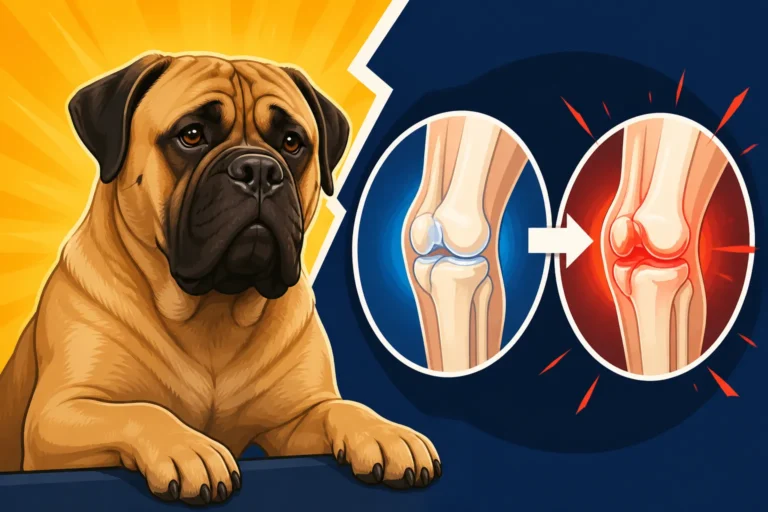
Bullmastiff cranial cruciate ligament tears explain why thirty to fifty percent of dogs injure the other knee within two years.
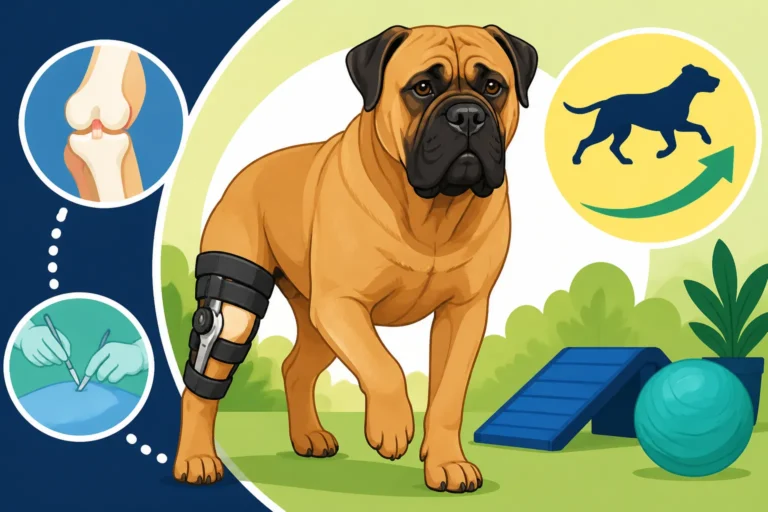
Bullmastiff cruciate ligament surgery recovery details safe home setup, pain management, and incision monitoring steps for healing.
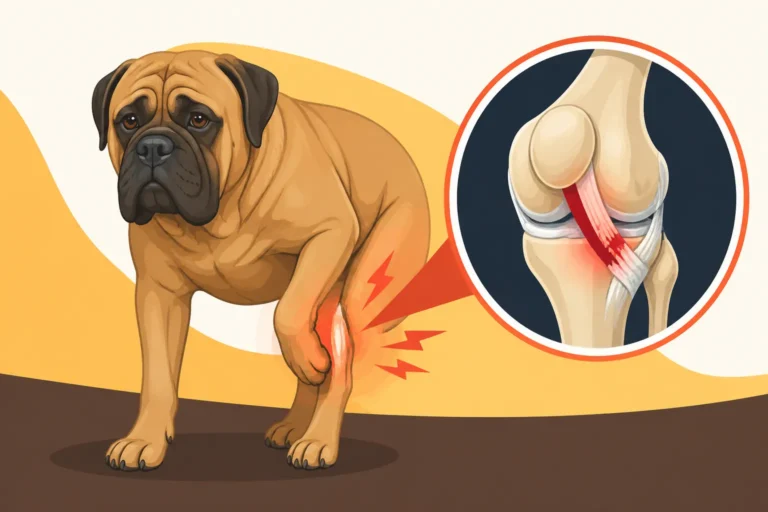
Bullmastiff cruciate ligament tears develop from gradual knee joint degeneration, causing sudden leg lameness and instability.
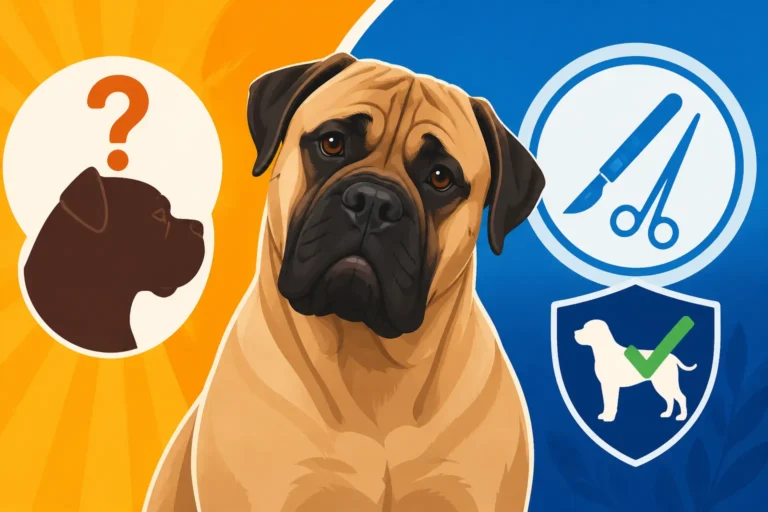
Late neutering for Bullmastiffs allows testosterone and estrogen to properly close bone growth plates and protect giant dog joint health.
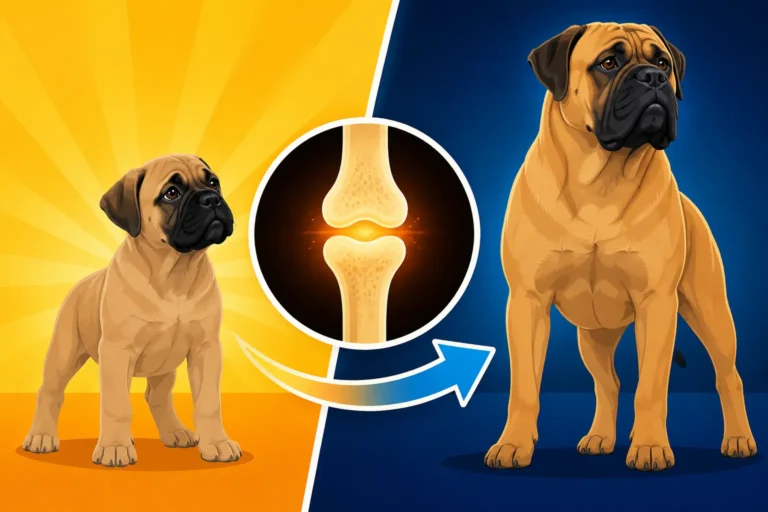
Bullmastiff growth plates typically fuse between twelve and eighteen months of age to complete skeletal maturity and prevent injuries.
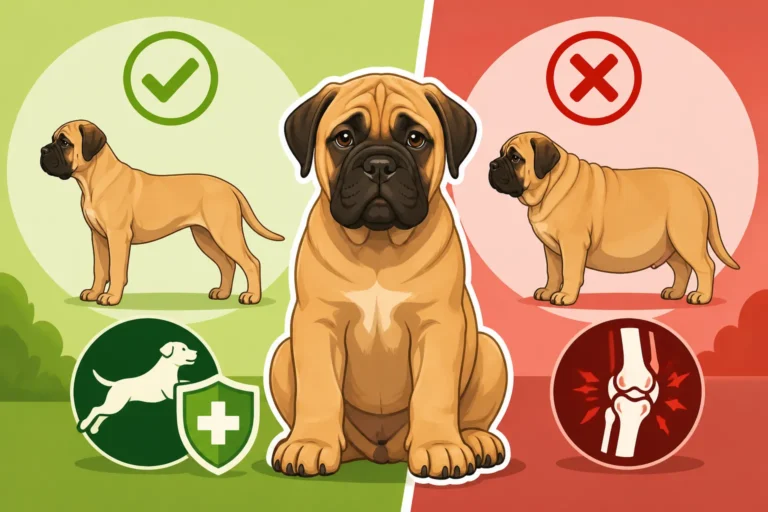
Maintaining a lean Bullmastiff puppy protects fragile skeletal development and prevents painful joint problems like dysplasia later in life.
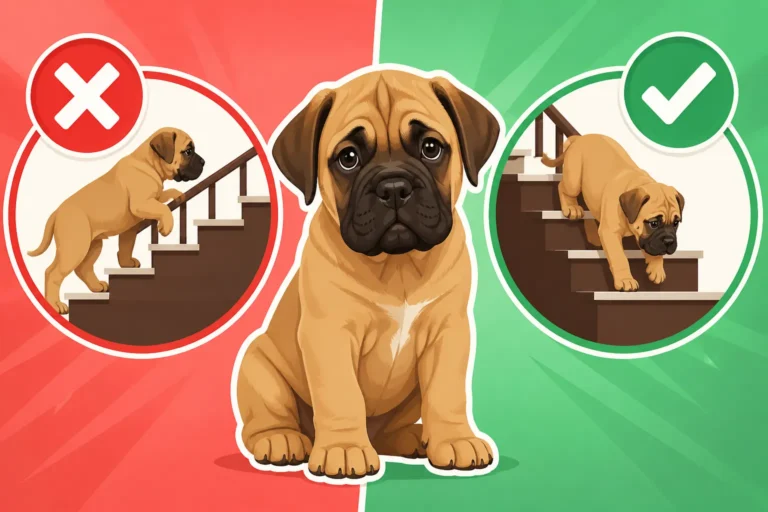
Bullmastiff puppy stair climbing risks, joint vulnerability, growth plate damage, and weight impacts on long term mobility.
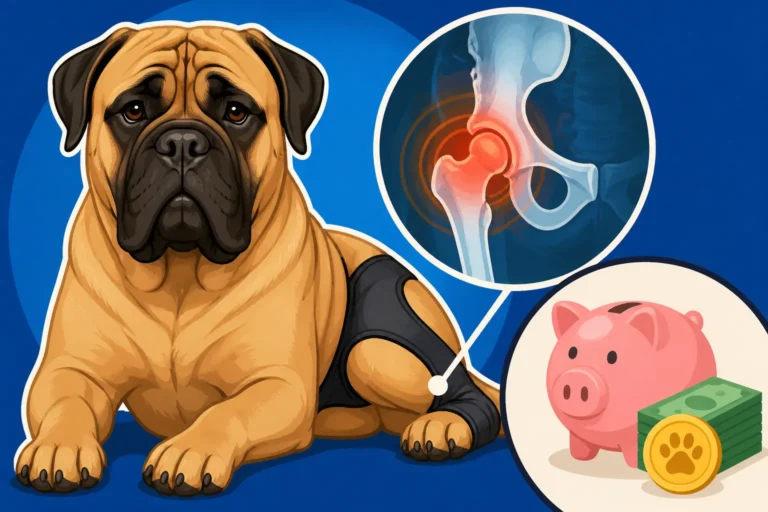
Bullmastiff hip surgery costs include initial veterinary consultations, sedation, diagnostic X-rays, and pre-sedation bloodwork expenses.
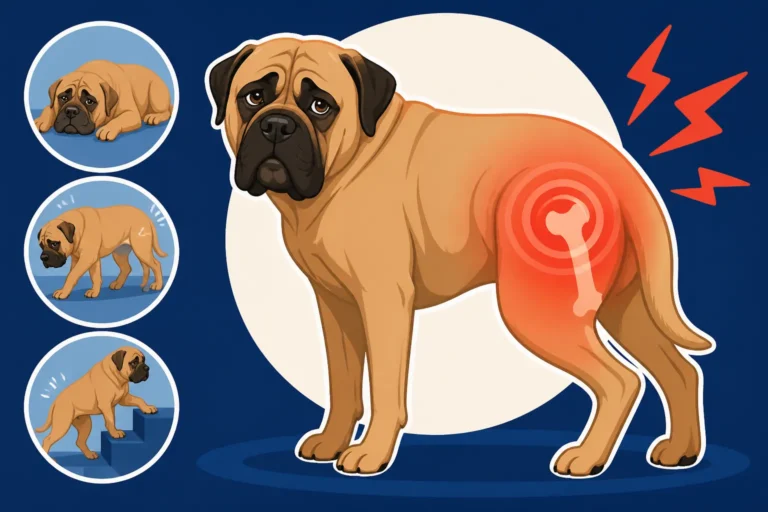
Bullmastiff hip pain signs help owners spot dysplasia, joint laxity, and arthritis early to seek timely veterinary care.
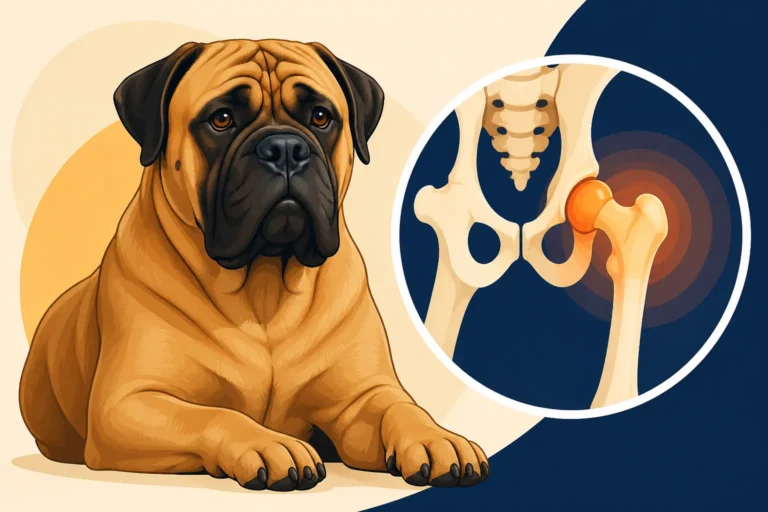
Hip dysplasia affects twenty to thirty percent of evaluated Bullmastiffs, revealing a high hereditary joint condition rate.