Which Faults Would Have Failed a Working Bullmastiff
Historical working Bullmastiff traits, including poor stamina and structural extremes, explain why some dogs failed gamekeeper tasks.
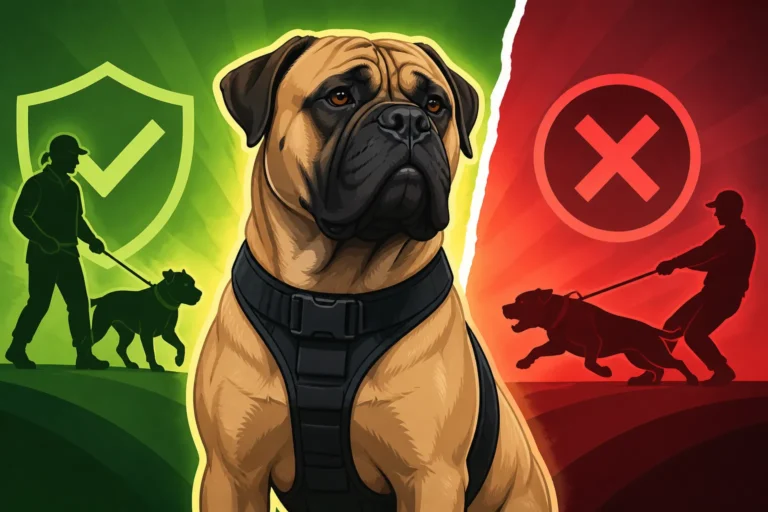
Historical working Bullmastiff traits, including poor stamina and structural extremes, explain why some dogs failed gamekeeper tasks.
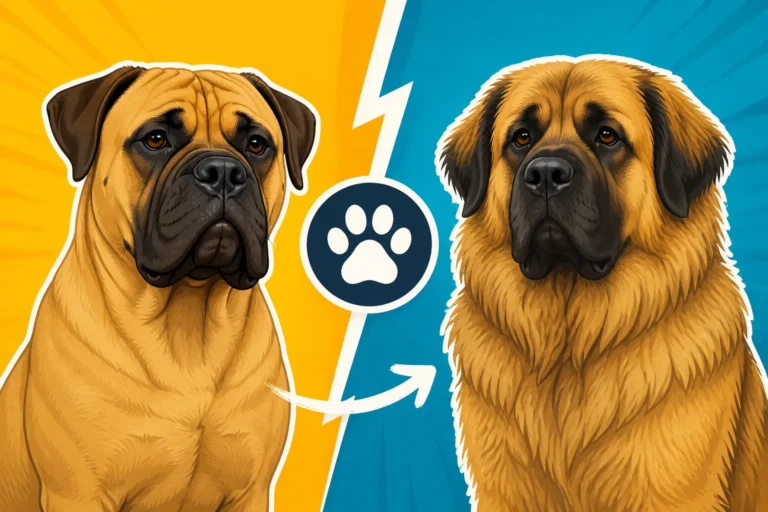
A long-coated Bullmastiff explains how uncommon coat variations occur in purebred dogs, mixed breeds, and unusual puppies.
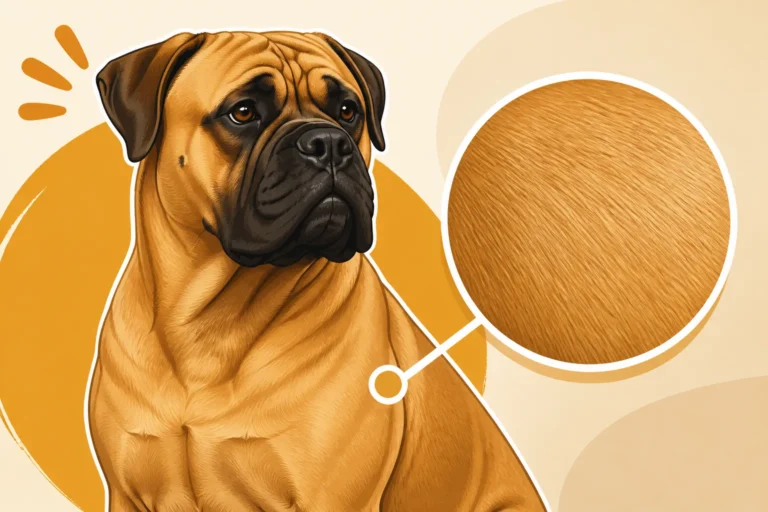
A healthy Bullmastiff coat should feel short, dense, and firm, lying close to the body rather than soft or fluffy.
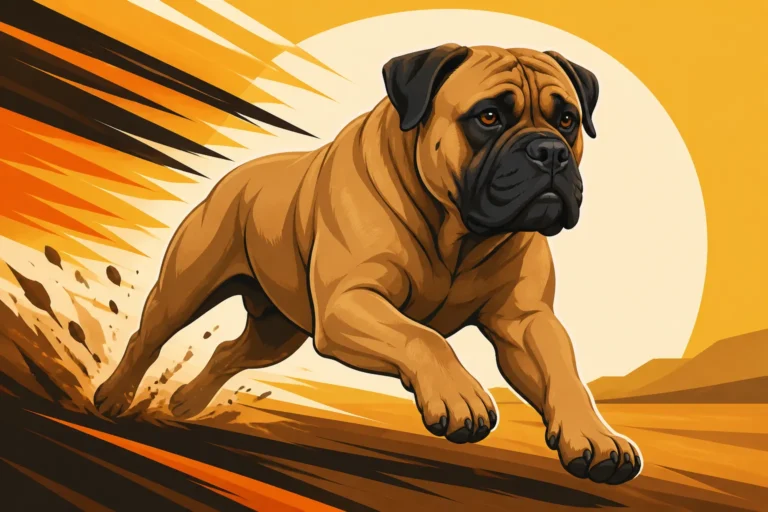
Historical Bullmastiff speed and movement requirements for intercepting poachers in the dark without long distance running.
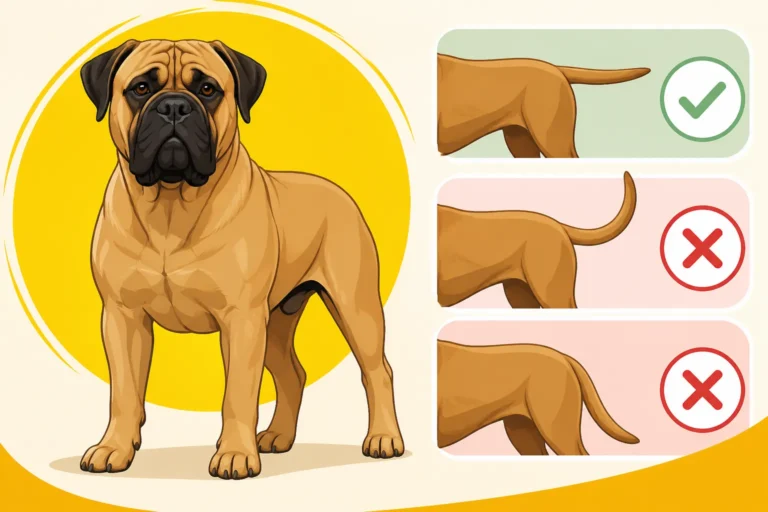
A Bullmastiff tail naturally reaches the hocks, carried straight or with a curve rather than tightly curled over the back.
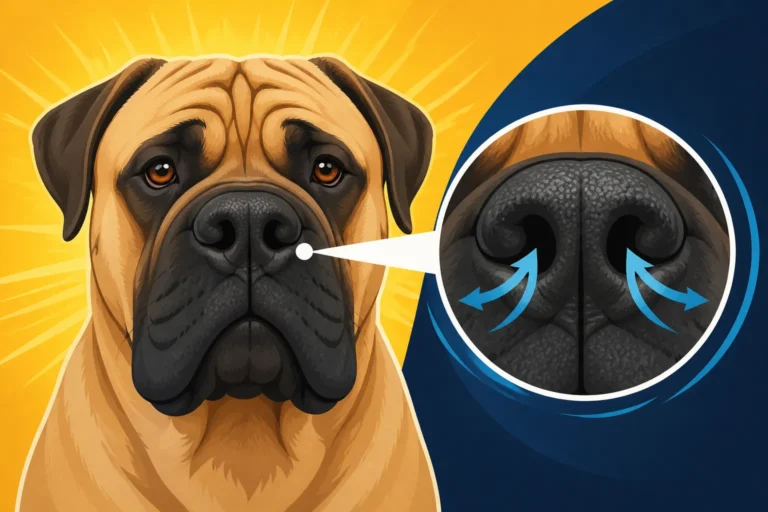
Wide Bullmastiff nostrils help air enter freely, preventing breathing restrictions during exercise or warm weather.
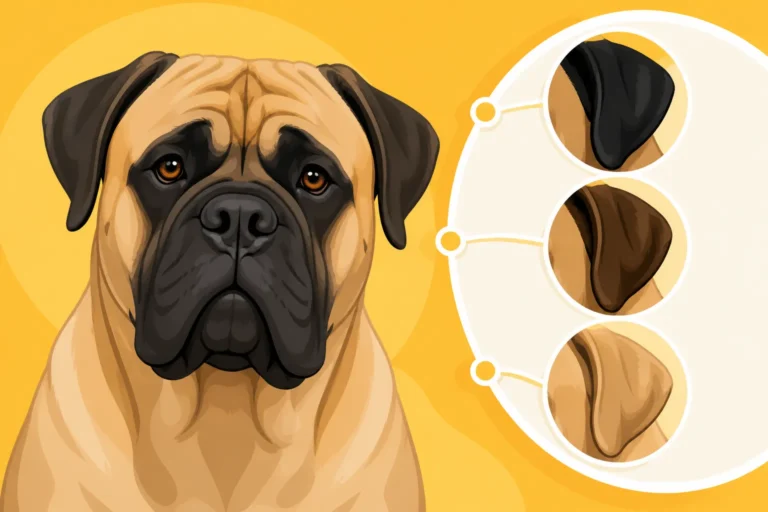
Bullmastiff ear color should be darker than the body, ranging from rich brown to near black on fawn, red, or brindle coats.
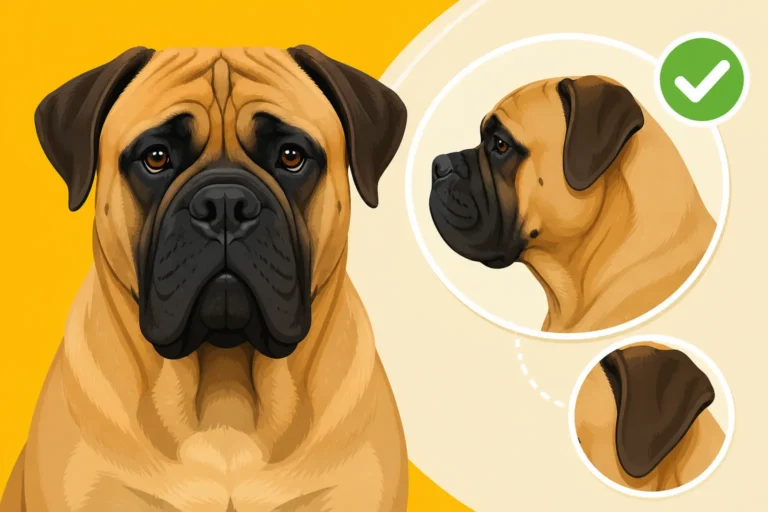
Bullmastiff ears sit high and wide on the head, folding into V shapes and resting close to the cheeks for a small, proportionate appearance.
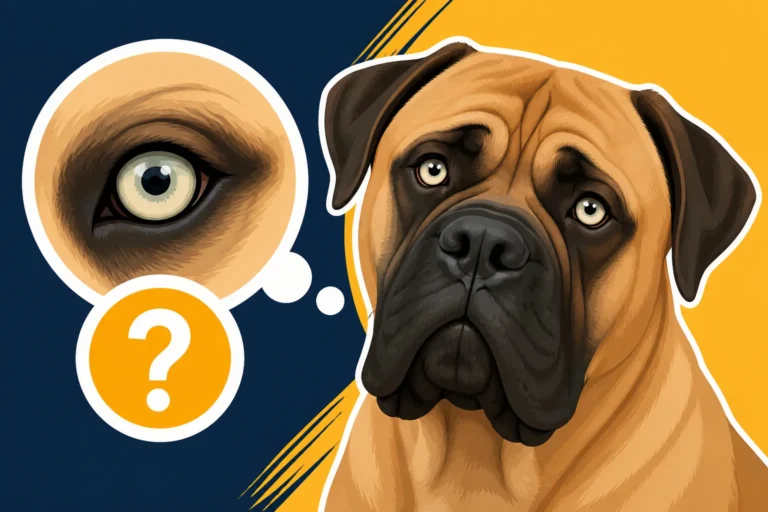
Bullmastiff eye color standards, hazel shades, and signs of health changes requiring a veterinarian examination.
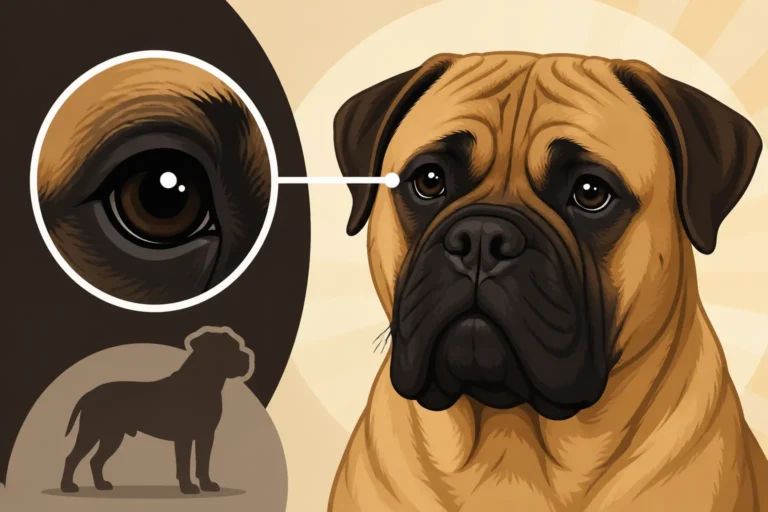
Bullmastiff dark eyes and brown shades explain expected breed appearance, normal variation, and puppy changes.