How to Clean a Bullmastiff’s Face Wrinkles
If you're a Bullmastiff parent, you already know the unique charm of those adorable, wrinkly faces. But alongside that charm comes a daily responsibility: keeping those deep folds clean. Neglecting those precious wrinkles can quickly lead to painful skin infections, odors, and discomfort for your big companion, turning a cute characteristic into a real headache. This guide is here to walk you through everything you need to know about properly cleaning your Bullmastiff's face wrinkles, ensuring their comfort and health.
The Unique Challenge of Bullmastiff Wrinkles
Those magnificent, expressive wrinkles on your Bullmastiff's face are certainly part of what makes them so captivating. They give them that wise, sometimes slightly worried, look that melts our hearts. But from a practical standpoint, these folds create an environment that requires diligent care. Understanding why they have these wrinkles and what can happen if they're neglected is the first step in mastering their care.
Why Bullmastiffs Have So Many Folds
The Bullmastiff's distinct facial structure, characterized by its deep, somewhat loose skin and prominent jowls, isn't just a random genetic quirk; it's a direct result of their fascinating history and the specific blend of breeds that created them. Bred in the mid-19th century by English gamekeepers, the Bullmastiff was developed to be a silent, powerful guardian against poachers. The breed's lineage is roughly 60% Mastiff and 40% Bulldog, and it's from this Bulldog side that many of their facial characteristics, including the wrinkles and broad skull, are derived. The Old English Bulldog, unlike its modern counterpart, was a powerful, athletic dog with strong jaws and a more pronounced facial structure than the extremely brachycephalic dogs we see today, but still contributed heavily to the Bullmastiff's distinctive head.
These folds were partly a byproduct of breeding for that particular head shape – broad, strong, and powerful, yet not excessively jowly to impede breathing during exertion. The loose skin also offered some protection in a physical confrontation, providing a little give before hitting vital structures. What this means for us today is that these aren't just superficial lines; they are often deep channels where skin meets skin, creating warm, moist, and dark pockets. These areas are, unfortunately, the perfect breeding ground for all sorts of unwelcome guests, from bacteria to yeast, if not cleaned regularly.
The Hidden Dangers of Neglecting Wrinkle Care
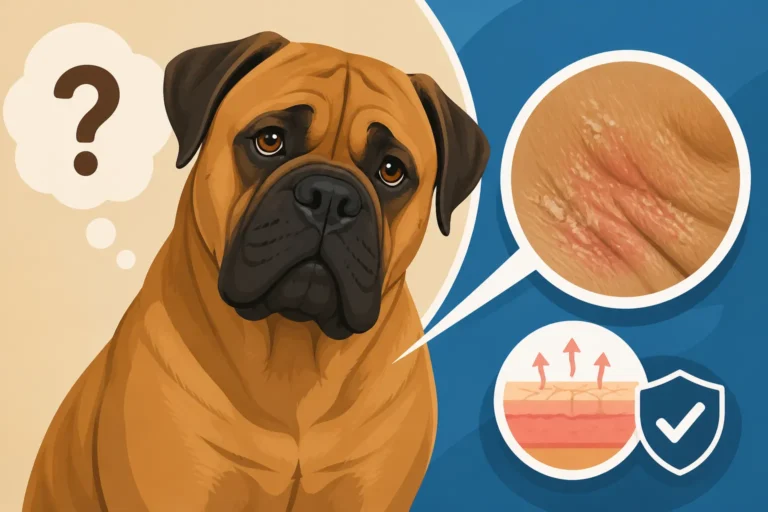
It's easy to overlook cleaning those wrinkles, especially when your Bullmastiff seems perfectly fine. After all, they don't always complain right away. But neglecting these hidden crevices is like leaving a damp, dark corner of your house to fester; sooner or later, problems will arise. The primary concern is the development of skin fold dermatitis or pyoderma. This occurs when moisture, trapped sweat, food particles, and everyday grime accumulate between the folds, leading to irritation. This irritation then invites bacteria and yeast, which thrive in such environments.
The consequences can range from mild discomfort to severe, painful infections. Initially, you might notice a slight redness or a subtle, musky odor that's hard to pinpoint. As the infection progresses, the skin can become visibly inflamed, raw, itchy, and extremely sore. Your Bullmastiff might start rubbing their face on furniture or pawing at the affected area, inadvertently making it worse. In more advanced cases, you could see discharge, scabbing, hair loss, and even open sores. These infections can be incredibly painful, causing your usually stoic Bullmastiff to become lethargic, lose their appetite, or show signs of discomfort when you try to touch their face. Beyond the immediate pain, chronic infections can lead to thickening of the skin, scarring, and persistent issues that require prolonged veterinary intervention, including antibiotics, antifungals, and specialized medicated washes. It’s a situation no Bullmastiff owner wants to face, highlighting why proactive care is so critical.
Essential Tools and Supplies for Wrinkle Cleaning
Before you dive into cleaning your Bullmastiff's wrinkles, gathering the right tools is key. Having everything within reach not only makes the process smoother for you but also helps keep your big dog calm and cooperative. You're aiming for gentle, effective cleaning, and that starts with having the proper arsenal.
Gentle Cleansers and Wipes
Choosing the right cleaning agent is paramount. You need something effective enough to remove debris and combat microbial growth, but gentle enough not to irritate your Bullmastiff's sensitive skin. Harsh chemicals or perfumed products are definitely out, as they can do more harm than good.
One of the most popular and convenient options for daily or every-other-day maintenance is specialized pet wipes. Look for wipes designed for skin folds or specifically for dogs with sensitive skin. Many brands offer formulations with ingredients like chlorhexidine (an antiseptic), ketoconazole (an antifungal), or soothing aloe and vitamin E. For instance, you can often find a good selection of these medicated wipes on platforms like Chewy or Amazon. Make sure they are alcohol-free and fragrance-free. Some owners even use plain, unscented baby wipes, but you must be careful here. While convenient, many baby wipes contain ingredients that might not be suitable for canine skin long-term, so always read the label carefully to ensure it's free of harsh chemicals, propylene glycol, or strong perfumes. If you're unsure, ask your vet for a recommendation.
For more thorough cleaning or when dealing with a bit of redness, a gentle liquid cleanser specifically formulated for canine skin folds can be very effective. These usually require applying to a cotton pad, wiping, and then rinsing. Again, look for veterinarian-recommended antiseptic solutions. Diluted veterinary-grade chlorhexidine solutions are often used, but always follow your vet's specific instructions for dilution and application. The goal is to gently lift away dirt, debris, and any microbial buildup without scrubbing aggressively or leaving a residue that could further irritate the skin.
Drying Agents and Protective Balms
Cleaning is only half the battle; drying is arguably even more important when it comes to wrinkle care. Any moisture left behind, even a tiny bit, creates that warm, damp environment where bacteria and yeast thrive. Think of it like drying between your toes after a shower – you wouldn't just leave them wet, right? It's the same principle for your Bullmastiff's deep skin folds.
For thorough drying, soft, absorbent cotton cloths are your best friend. Microfiber cloths can also work well, as they are highly absorbent and gentle. You want to make sure you have a few clean ones on hand. After wiping with a cleanser, use a fresh, dry cloth to meticulously dab and wick away all moisture from deep within each fold. Don't rub; gently press and lift.
In addition to physical drying, some owners find it beneficial to use a very light dusting of a drying agent, especially in very deep or problematic folds. Unscented cornstarch is a common, gentle option that can absorb residual moisture. There are also specialized anti-fungal or anti-bacterial powders available through your vet or at pet supply stores, often found on platforms like Chewy, that contain ingredients to further deter microbial growth. However, use powders sparingly and ensure they don't clump, as clumps can exacerbate irritation. A pea-sized amount, gently worked into the dry fold, is usually all that’s needed.
For an added layer of protection and to soothe irritated skin, a thin layer of a veterinary-approved protective balm or barrier cream can be applied. These balms often contain ingredients like zinc oxide (non-toxic for dogs in small amounts, but avoid ingestion), calendula, or other skin-soothing botanicals. They create a barrier against moisture and irritants. Just like with cleansers, ensure any balm is specifically formulated for pets and is safe if licked, as your Bullmastiff will inevitably try to clean themselves. Always check with your vet before introducing new products, especially if your dog has existing skin sensitivities or infections.
Soft Cloths and Applicators
The actual act of getting into those folds safely and effectively relies heavily on the right simple tools: your hands, soft cloths, and sometimes cotton balls or swabs. Remember, your Bullmastiff’s facial skin is delicate, and you want to avoid causing any discomfort or micro-abrasions.
When it comes to cloths, think gentle. Old, clean cotton t-shirts cut into squares work wonderfully. Soft washcloths, particularly those made from bamboo or finely woven cotton, are also excellent because they are absorbent and won't scratch. Avoid anything rough, like terrycloth towels with thick loops, as these can snag on skin or cause irritation, especially if the skin is already a bit sensitive. Keep a stack of these cloths readily available – one for cleaning, several for drying, and maybe a fresh one for applying any protective balms. It's often helpful to have them slightly damp with warm water (if not using pre-moistened wipes) for the initial cleaning pass, and then completely dry ones for the subsequent drying steps.
For reaching deeper, tighter creases that your fingers or a cloth might struggle with, plain cotton balls or large cotton swabs (like those designed for babies) can be invaluable. These allow for precise application of cleansers and thorough drying without poking or prodding too aggressively. Just be mindful not to push anything too deep into folds, particularly around the eyes or nose, to avoid injury. The key is gentle pressure and careful manipulation of the folds themselves.
| Tool Category | Specific Items | Purpose | Notes |
|---|---|---|---|
| Cleansers | Medicated Pet Wipes | Daily cleaning & antiseptic | Look for chlorhexidine/ketoconazole, alcohol-free. |
| Hypoallergenic Baby Wipes | Gentle cleaning (check ingredients) | Fragrance-free, alcohol-free, no harsh chemicals crucial. | |
| Liquid Pet Skin Cleanser | Deeper cleaning, specific skin issues | Vet-recommended; dilute if necessary. | |
| Drying Agents | Soft Cotton/Microfiber Cloths | Thoroughly dry folds after cleaning | Have multiple clean, dry cloths ready. |
| Unscented Cornstarch | Absorb residual moisture (use sparingly) | Apply very thin layer; avoid clumps. | |
| Antifungal/Antibacterial Powder | Additional moisture absorption & microbial control | Vet-approved; use as directed. | |
| Protective Balms | Pet-Safe Skin Balm/Barrier Cream | Soothe irritation, protect against moisture | Ensure lick-safe; consult vet for specific formulations. |
| Applicators | Cotton Balls / Large Cotton Swabs | Reaching deep, tight creases | Gentle application; avoid pushing too deep. |
Step-by-Step Guide to Cleaning Your Bullmastiff's Face Wrinkles
Cleaning your Bullmastiff's wrinkles doesn't have to be a wrestle match. With the right approach and a calm demeanor, it can become a regular, even bonding, part of your routine. The key is consistency, patience, and positive reinforcement.
Setting Up for Success and a Calm Dog
Before you even think about touching your Bullmastiff's face, you need to create an environment that's conducive to cooperation. This isn't a quick, rushed chore; it's a dedicated session. First, choose a quiet time when your Bullmastiff is relaxed and not overly energetic. Right after a gentle walk or a meal when they're a bit sleepy is often ideal. Select a comfortable location where both of you can be at ease. For larger Bullmastiffs, this might be on the floor with you kneeling beside them, or if you have a sturdy grooming table (and your dog is used to it), that can also work.
Gather all your supplies beforehand and have them within easy reach: your chosen wipes or cleanser and cotton pads, plenty of soft, dry cloths, any drying powder or balm, and, most importantly, a generous supply of high-value treats. These treats are your secret weapon for positive reinforcement. You want your Bullmastiff to associate wrinkle cleaning with good things. Start slowly, perhaps just by gently touching their face and giving a treat, then gradually work up to lifting a fold, and so on. Keep sessions short and positive, especially at first. If your dog shows signs of stress or resistance, take a break and try again later. Never force the issue, as this can create a negative association that will make future cleanings even harder. Remember, this is a marathon, not a sprint. Consistency is what builds trust and routine. How often a Bullmastiff's face should be wiped really depends on the individual dog and their environment, but a consistent schedule, even if only a few times a week, is vital.
The Cleaning Process: From Top to Bottom
Now that you're prepared, let's get down to the actual cleaning. Always approach your Bullmastiff gently, speaking in a calm, reassuring voice.
- Start with the Less Sensitive Areas: Begin with the broader, more accessible folds on the forehead or around the muzzle, away from the eyes and nose. This helps your dog get used to the sensation before you move to more delicate spots.
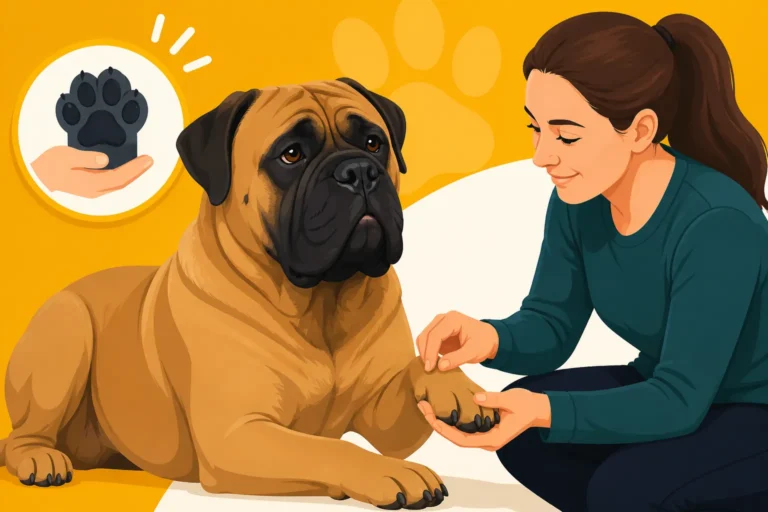
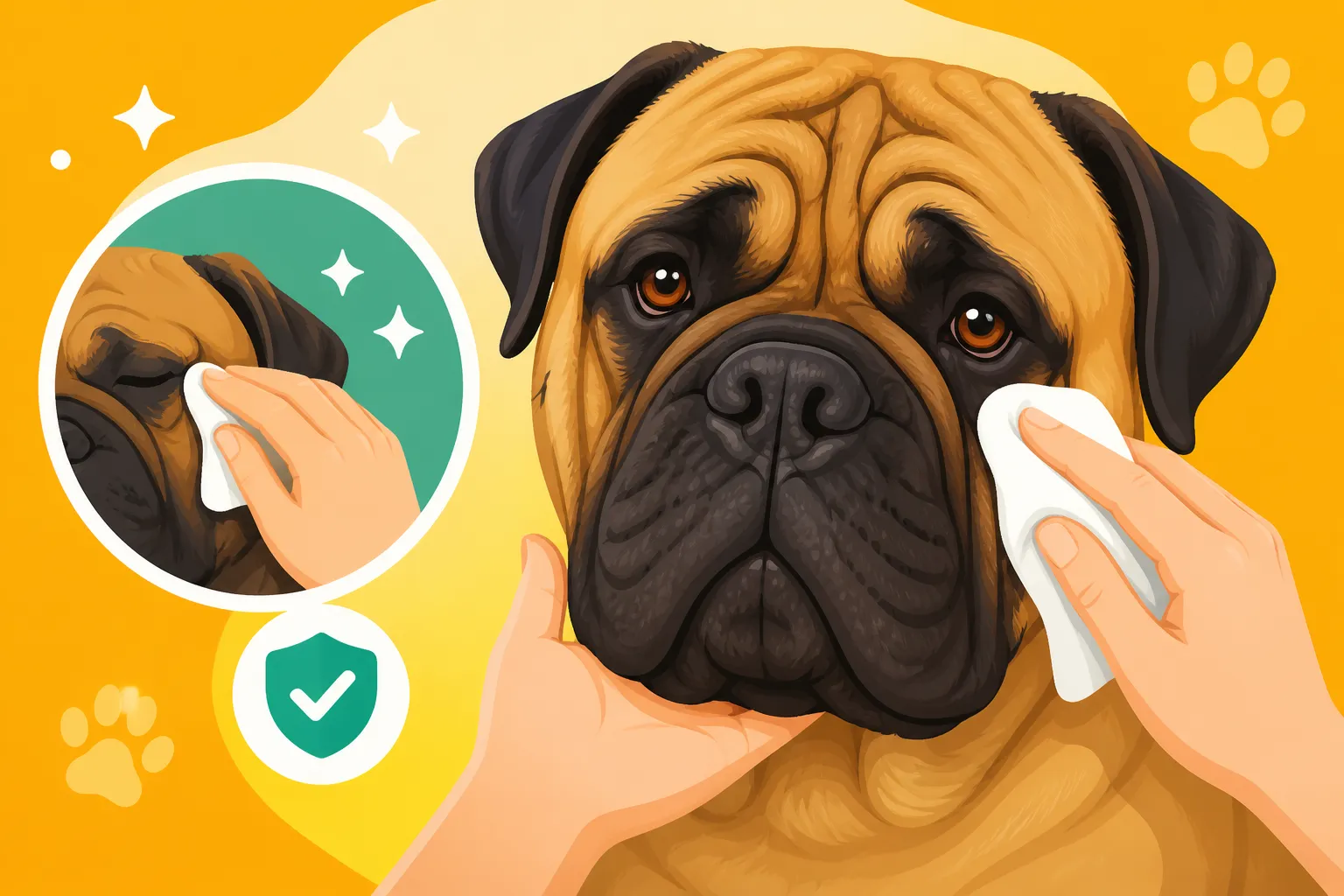
- Lift and Expose Each Fold: The trick is to gently lift and separate each wrinkle to expose the skin beneath. This isn't just about wiping the surface; you need to get into the fold. Use your thumb and forefinger to gently spread the skin apart, revealing the hidden crevices. Be careful not to pull too hard or cause any discomfort.
- Wipe Away Debris: Take your chosen pet wipe or a cotton pad moistened with cleanser and gently wipe the exposed skin. Start from the inner part of the fold and work outwards, removing any visible dirt, crust, food particles, or discharge. You might be surprised by what you find! Be thorough but gentle. Don't scrub; a soft wiping motion is all that's needed. If the wipe gets dirty, discard it and use a fresh one. Continue this process, moving methodically from one fold to the next, carefully exposing and cleaning each one. Pay particular attention to the deep folds around the muzzle and chin, as these tend to collect a lot of moisture and food.
- Check for Irritation: As you clean, make a mental note (or even a physical one) of any redness, odor, raw spots, or discharge. These are signs that an infection might be brewing and could warrant a call to your veterinarian.
Repeat this lifting and wiping motion for every single wrinkle you can find, ensuring no spot is missed. Remember to offer treats frequently and praise your dog for their cooperation. If you encounter a particularly stubborn piece of dried grime, a warm, damp cloth held gently against it for a moment can help soften it before you wipe it away.
Drying and Finishing Touches
This step is absolutely critical and often overlooked. Improper drying can negate all your careful cleaning efforts and actually promote infections.
- Thorough Drying is Non-Negotiable: After cleaning, immediately reach for your stack of clean, dry, soft cloths. Take one cloth and gently dab and blot every single area you just cleaned. Just like when you were wiping, you need to lift and separate each fold again to expose the skin beneath. Gently press the cloth into the crease to absorb moisture. Don't rub aggressively, as this can irritate the now-clean and potentially sensitive skin. You want to wick away all the dampness. It's often helpful to use a fresh, dry part of the cloth for each fold, or even a completely new cloth if the previous one becomes saturated. The goal is for the skin in the folds to feel completely dry to the touch. This might take a few passes.
- Consider a Drying Agent (If Needed): If your Bullmastiff has particularly deep folds prone to excessive moisture or recurrent issues, a very light dusting of an unscented drying agent, like cornstarch or a vet-approved antifungal powder, can be beneficial. Take a tiny pinch of powder on a clean cotton ball or your finger, and gently work it into the completely dry skin fold. Use the absolute minimum necessary; you don't want a powdery buildup, which can also become an irritant. The aim is to create a slightly drier environment.
- Apply Protective Balm (Optional, for Irritation): If you noticed any slight redness or irritation, or if your vet has recommended it, now is the time to apply a thin layer of a pet-safe protective balm. Again, use a clean finger or a fresh cotton ball. Gently rub a tiny amount into the affected area, ensuring it's evenly spread and doesn't create a thick, greasy mess that could trap more dirt. This balm acts as a barrier and can help soothe the skin.
- Reward and Release: Once you're certain all folds are clean and dry, give your Bullmastiff a final, generous treat and lots of praise. Let them know they were a very good dog! This positive reinforcement helps solidify the idea that wrinkle cleaning is a good experience, making future sessions easier. Then, let them go enjoy their day. Keeping your Bullmastiff lean is also a good long-term strategy for overall health and can sometimes reduce the depth of certain skin folds, making cleaning a bit easier. Keeping a Bullmastiff Lean Is the Best Thing You Can Do can offer more insights into this.
Common Problems and Troubleshooting
Even with the best intentions and tools, caring for your Bullmastiff's wrinkles can present a few challenges. Knowing how to identify and address common issues can save you a lot of worry and potentially prevent minor irritations from escalating into serious problems.
Dealing with Redness and Irritation
Sometimes, despite your best efforts, you might notice redness, mild itching, or a slightly unpleasant smell coming from your Bullmastiff's wrinkles. This is often the first sign of irritation, usually due to trapped moisture, allergens, or a nascent bacterial or yeast overgrowth. It's crucial not to ignore these early warnings.
If you observe mild redness or irritation, the first step is to increase your cleaning frequency. Instead of every other day, try a gentle cleaning twice a day with a mild, pet-safe antiseptic wipe or cleanser. Ensure you are absolutely meticulous with drying each fold afterward. You can also try applying a very thin layer of a soothing, pet-safe balm (like those containing calendula or aloe, but always check for dog-safe ingredients) to the irritated areas after cleaning and thoroughly drying. Avoid anything with harsh chemicals, perfumes, or human-grade steroid creams unless specifically prescribed by your vet, as these can cause more harm. Sometimes, an external factor like a new food or environmental allergen can exacerbate skin issues, so consider if anything in their routine has recently changed. If the redness persists for more than a day or two, intensifies, or is accompanied by swelling, pain, or discharge, it's time to call your veterinarian. They can accurately diagnose the cause and prescribe appropriate treatment.
Managing Yeast and Bacterial Infections
When neglected, simple irritation can quickly turn into full-blown yeast or bacterial infections, which are far more uncomfortable and stubborn to treat. The tell-tale signs of a yeast infection often include a distinct, sweet, musty odor (sometimes described as "corn chip" like), reddish-brown staining, and greasy-looking skin within the folds. Bacterial infections, on the other hand, might present with more prominent redness, pus-like discharge, scabbing, hair loss, and sometimes a foul odor. Both types of infections can be incredibly itchy and painful for your Bullmastiff.
If you suspect either a yeast or bacterial infection, it's important to consult your veterinarian immediately. While regular cleaning helps prevent these, once established, they typically require professional diagnosis and treatment. Your vet might perform a skin cytology (a simple test where they take a swab of the affected area and look at it under a microscope) to identify whether it's yeast, bacteria, or both. Treatment often involves prescription medicated shampoos, wipes, or topical creams that contain antifungal or antibiotic agents. In more severe cases, oral antibiotics or antifungals may be necessary. Do not try to self-diagnose or treat severe infections with over-the-counter products, as this can delay effective treatment and worsen your dog's condition. Getting a proper diagnosis ensures your Bullmastiff receives the most targeted and effective relief. Remember that Skin fold infections on a Bullmastiff are quite common and require prompt attention.
Overcoming Resistance from Your Bullmastiff
Let's be real: some Bullmastiffs are not thrilled about having their faces messed with. Their sheer size and stubborn streak can make wrinkle cleaning feel like an impossible task. If your Bullmastiff is resistant, it’s usually because they find the process uncomfortable, scary, or simply not worth their time.
The key to overcoming resistance is patience, positive reinforcement, and gradual desensitization. Never try to force or physically overpower your Bullmastiff, as this can lead to fear, aggression, and make future attempts even harder. Instead, break the process down into tiny, manageable steps. Start by simply touching their head and face for a second, then immediately reward with a high-value treat and praise. Repeat this many times over several short sessions. Once they're comfortable with that, move to gently lifting a single fold for a second, then treat. Gradually increase the duration of the touch, then introduce the wipe.
Make every cleaning session a positive experience. Have plenty of their absolute favorite treats on hand. Peanut butter smeared on a lick mat or a durable chew toy can also be a fantastic distraction while you work. Keep your voice calm and cheerful. If your Bullmastiff pulls away or resists, don't scold them. Simply stop, take a short break, and try again, perhaps going back to an easier step. Short, frequent sessions are more effective than long, frustrating ones. You want to build a positive association, not create a battle. If your Bullmastiff is still highly resistant or shows any signs of aggression, consider enlisting the help of a professional positive reinforcement trainer or your veterinarian, who can offer guidance on behavior modification techniques. The goal is to make wrinkle cleaning a routine, stress-free part of their life, not something they dread.
Proactive Care and Long-Term Strategies
Maintaining healthy wrinkles on your Bullmastiff isn't just about reacting to problems; it's about establishing a proactive routine that minimizes issues in the first place. Long-term health of those folds ties into various aspects of your dog's overall well-being.
Establishing a Consistent Routine
Consistency is truly the unsung hero of Bullmastiff wrinkle care. It's far easier to prevent problems than to treat them once they've taken hold. Establishing a regular cleaning schedule allows you to stay on top of any moisture or debris accumulation before it becomes a breeding ground for bacteria and yeast. Think of it like brushing your own teeth – a little bit every day (or every other day) goes a long way in preventing major dental issues.
The frequency of cleaning will depend on your individual Bullmastiff. Some dogs have deeper, tighter folds that trap more moisture and require daily cleaning. Others might do perfectly well with a cleaning every two or three days. Factors like humidity in your environment, how much your dog drools, or if they tend to bury their face in their food can all influence how often their wrinkles need attention. If you're living in a humid climate, for instance, you'll likely need to be more diligent. Observe your dog's skin; if you notice any redness, dampness, or odor returning quickly, increase the frequency. The most important thing is to pick a schedule you can realistically stick to and integrate it into your regular grooming routine. This consistent attention will not only keep their wrinkles healthy but also allow you to catch any new issues, like lumps or skin changes, early on. How often a Bullmastiff's face should be wiped is a question many owners ponder, and the answer is truly individual to your dog's needs.
Diet, Hydration, and Overall Health Impact
It might seem indirect, but your Bullmastiff's diet, hydration, and overall physical condition play a significant role in the health of their skin, including their wrinkles. Just like with humans, a healthy gut often translates to healthy skin.
Firstly, a high-quality, balanced diet provides the essential nutrients, vitamins, and fatty acids (like Omega-3 and Omega-6) that support skin barrier function and reduce inflammation. If your Bullmastiff is prone to skin issues, discussing their diet with your veterinarian might be beneficial. Sometimes, food allergies or sensitivities can manifest as skin irritation, which can then exacerbate problems in the folds. For instance, some dogs thrive on specific formulas designed for sensitive skin, which you might find from brands like Ollie or available through Chewy.
Secondly, keeping your Bullmastiff at a healthy weight is incredibly important. An overweight Bullmastiff tends to have more pronounced skin folds, and these folds can become deeper and more numerous, making them harder to clean and more susceptible to moisture trapping and infection. Extra fat pads can also stretch the skin in ways that create new problem areas. Keeping a Bullmastiff Lean Is the Best Thing You Can Do is paramount not just for joint health and lifespan, but also for skin health. Regular exercise and appropriate portion control are vital here.
Lastly, good hydration is crucial for overall skin elasticity and health. Ensure your Bullmastiff always has access to fresh, clean water. While this won't directly clean the wrinkles, it contributes to the skin's ability to resist infection and heal. All these elements combined – a good diet, ideal weight, and proper hydration – create a strong foundation for healthy skin that is more resilient against the challenges posed by those beautiful, deep wrinkles.
When to Seek Professional Veterinary Help
Knowing when to transition from home care to professional veterinary intervention is critical. While regular cleaning is your frontline defense, some issues are beyond the scope of wipes and balms. Delaying veterinary care can lead to more severe infections, greater discomfort for your dog, and more extensive (and costly) treatment down the line.
You should contact your vet if you observe any of the following:
- Persistent Redness or Inflammation: If redness or irritation doesn't improve within 24-48 hours of increased cleaning and gentle home remedies.
- Strong, Foul Odor: A truly unpleasant, pungent smell often indicates a bacterial infection.
- Discharge: Pus-like, yellowish, or green discharge is a clear sign of infection. Even thick, excessive brown discharge warrants a vet visit.
- Pain or Sensitivity: If your Bullmastiff yelps, flinches, or acts aggressively when you try to touch their face, indicating significant pain.
- Swelling: Any noticeable swelling around the folds or surrounding areas.
- Bleeding or Open Sores: These are signs of a severe problem that requires immediate medical attention.
- Hair Loss or Thickened Skin: These can indicate chronic irritation or infection.
- Lethargy or Loss of Appetite: If your dog seems generally unwell in addition to the skin issues.
Your veterinarian can accurately diagnose the type of infection (bacterial, yeast, or both), rule out other underlying causes like allergies, and prescribe appropriate treatments. These might include specific medicated washes, topical ointments, oral antibiotics, or antifungal medications. They can also offer advice on advanced care techniques or recommend specialized veterinary dermatologists if the issues are recurrent or severe. Don't hesitate to reach out to your vet; they are your best resource for keeping your beloved Bullmastiff healthy and comfortable.
Disclaimer
This article is for general informational purposes only and does not constitute professional advice. Laws, prices and regulations vary by location and change over time. Consult a qualified professional for guidance on your specific situation.