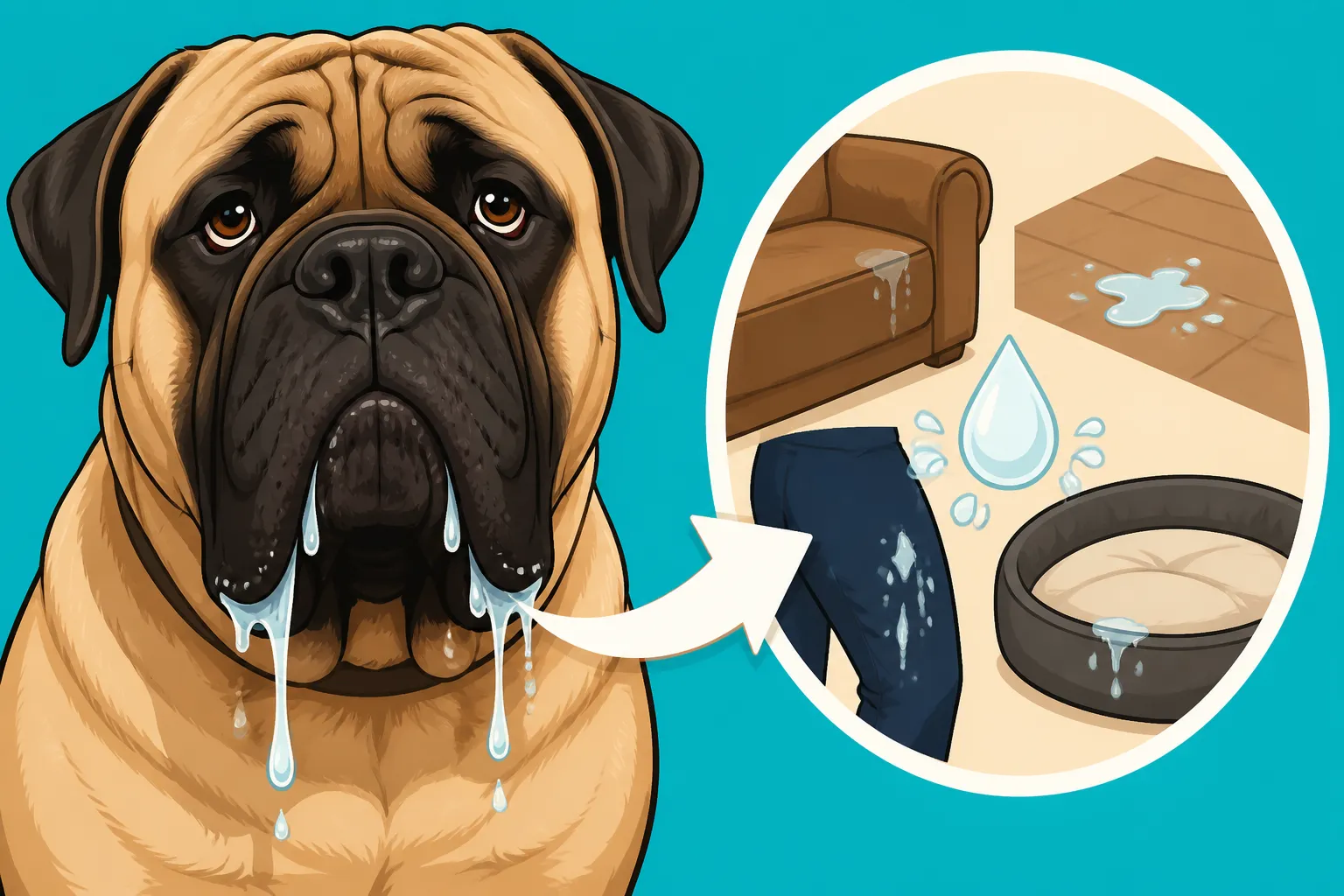
Where a Bullmastiff’s Drool Ends Up
If you share your life with a Bullmastiff, you're intimately familiar with the gentle giant's loving nature, protective instincts, and, let's be honest, the prodigious amount of drool they can produce. It's a question many Bullmastiff owners find themselves pondering: where, exactly, does all that drool end up? This guide will delve into the sticky reality of Bullmastiff drool, exploring the common landing spots and offering practical strategies to keep your home from becoming a permanent drool gallery.
The Unique Anatomy Behind a Bullmastiff's Drool
It's not just a happy slobber; there's a real biological reason why your Bullmastiff contributes so much to the world's moisture levels. Understanding the mechanics helps you anticipate the mess and manage it more effectively. It’s part of their charm, yes, but it’s also a constant cleaning challenge.
The Jowls and Lip Structure: A Design for Drool
Take a good look at your Bullmastiff's magnificent face. Those expressive, hanging jowls, or "flews," are a defining characteristic, but they're also ground zero for drool production and collection. Unlike dogs with tighter, more fitted lips, a Bullmastiff's loose, pendulous jowls create natural pockets and channels. Saliva, which is produced continuously, tends to gather in these folds.
When your Bullmastiff shakes its head – which they often do for a variety of reasons, from scratching an itch to simply re-adjusting their big noggin – that accumulated saliva is given a direct trajectory into the surrounding environment. Think of it like a human with a full mouth of water suddenly shaking their head; it goes everywhere. For a Bullmastiff, it's not water, it's sticky, stringy drool, and the effect is far-reaching. The depth of these jowls means there's a significant reservoir just waiting for an opportunity to escape. This unique oral architecture is truly why a Bullmastiff produces so much drool and becomes such an integral part of understanding Why a Bullmastiff's Jowls Hold Saliva.
Saliva Production: More Than Just Digestion
All dogs produce saliva, primarily to aid in digestion, lubricate food, and help clean their mouths. However, large breeds like the Bullmastiff simply have bigger salivary glands and produce a greater volume. This normal, everyday production is already substantial, but certain triggers can turn a gentle trickle into a full-on faucet.
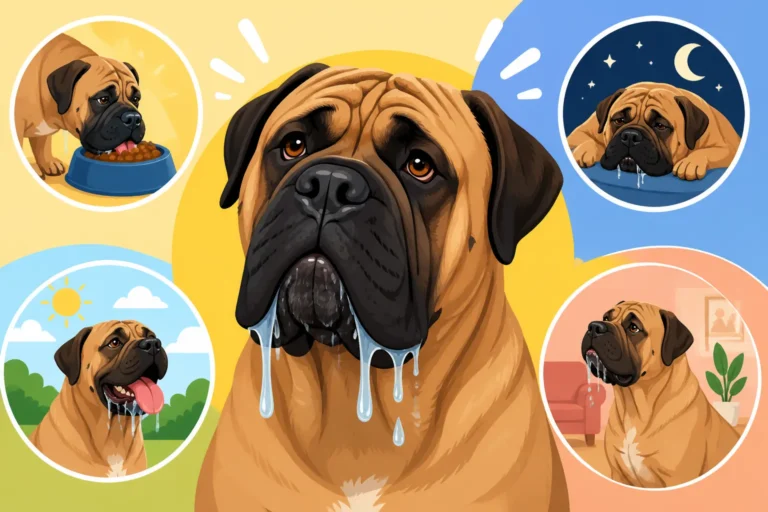
Excitement, anticipation of food, or even stress can dramatically increase saliva flow. Imagine your Bullmastiff watching you prepare dinner, eyes fixed on your every move. Their brain is telling their body that tasty morsels are imminent, and their salivary glands kick into overdrive. The same happens when guests arrive, or when you grab the leash for a walk – any high-stimulation event can lead to a surge in drooling. Sometimes, even the sheer joy of seeing you after a short absence is enough to unleash a river of slobber. If you've ever wondered When a Bullmastiff Drools Most, it's often during these moments of peak emotion or hungry expectation.
Common "Drool Zones" in Your Home and Life
Now that we understand the "why," let's get down to the "where." Bullmastiff drool has an uncanny ability to find its way onto nearly every surface imaginable, often in surprising and gravity-defying ways. It's a daily adventure in spot cleaning.
Walls, Furniture, and Floors: The Main Battlegrounds
These are the predictable, yet endlessly challenging, targets for Bullmastiff drool. You might think you have your routine down, only to discover a new, artistic "drip painting" on a previously clean surface.
The most common culprit is the dreaded "slobber sling." After drinking water, eating, or just waking up with a fresh batch of drool, your Bullmastiff might decide to give a vigorous head shake. The result? Streaks and splatters across your walls, sometimes reaching surprisingly high. Light-colored walls are particularly susceptible, turning into a canvas for unsightly brownish-yellow trails that seem to appear out of nowhere. Fabric furniture, especially sofas and armchairs where your Bullmastiff loves to recline, can become saturated. The drool soaks into the fibers, leaving behind a damp patch that quickly dries into a stiff, discolored spot. Cleaning these fabric surfaces often requires specialized cleaners and a lot of elbow grease. For practical tips, you might find guidance in What to Keep on Hand for a Bullmastiff's Drool.
Hardwood floors, tile, and linoleum also bear the brunt of it. You'll often find small puddles where your Bullmastiff has been resting its head, or sticky trails leading from the water bowl. These are easier to wipe up than drool from fabric, but if left to dry, they become hard, crusty discs that are stubborn to remove. If your dog frequently drinks and then walks away, leaving a trail, you’re not alone. It's a common lament among Bullmastiff owners, who often have to wipe down floors multiple times a day.
People, Pets, and Personal Items: Unexpected Targets
Beyond the inanimate objects, Bullmastiff drool has a knack for finding its way onto living beings and cherished possessions. It's the ultimate sign of affection, even if it's a little gross sometimes.
Your clothes are a primary recipient, especially if your Bullmastiff is a leaner. They love to lean against your legs, and as they do, those jowls can brush against your pants, leaving a damp patch or a string of fresh drool. If they're particularly excited, a joyful head shake in close proximity can leave you looking like you've been slimed. Even your hair isn't safe – if you're bending down to give them a hug or a scratch, a well-timed head movement can result in a surprise drool shower. Other pets in the household, particularly smaller dogs or cats who share sleeping spaces or get too close during a Bullmastiff's excited moments, can also end up with a coat of slobber. They might not appreciate the extra "grooming."
Personal items are also fair game. Have you ever put your phone down on the sofa, only to pick it up moments later with a faint, sticky film? That's your Bullmastiff's contribution. Laptops, remote controls, books, and even food left within reach can acquire a layer of drool, sometimes accompanied by tiny, wet nose prints. This is particularly true if your Bullmastiff decides to give a full-body shake near your desk or coffee table. The physics of how far a Bullmastiff can fling drool are impressive, to say the least.
The Car and Outdoor Spaces: Mobile Drool Factories
Your Bullmastiff's drool isn't confined to the home. Anywhere your big lug goes, the drool goes too. The car is a prime example of a mobile drool zone.
If your Bullmastiff enjoys car rides, you'll inevitably find drool on the windows. As they press their nose against the glass, excited by the passing scenery, their jowls leave a tell-tale wet mark that quickly smears and dries. Seat covers are essential for any Bullmastiff owner, as drool will soak into upholstery just as it does on your furniture at home. Even the dashboard or the back of the front seats can become casualties of a particularly enthusiastic head shake or a sudden burst of excitement. Traveling with a Bullmastiff means accepting that your vehicle will always carry a certain aroma and require regular interior cleaning. For guidance on protecting your car, you might look into Whether a Bullmastiff Needs a Bigger Vehicle.
Outdoors, while the elements usually take care of the mess, you might still notice evidence. Drool can land on garden furniture, patio stones, or even the dog run fence. While less of a concern than indoor drool, it's another reminder of the sheer volume your Bullmastiff produces. Sometimes, after a good drink from an outdoor bowl, they'll leave a little puddle or trail on the grass or concrete before it evaporates or gets washed away by rain.
Strategies for Managing the Drool Deluge
Living with a Bullmastiff means embracing the drool, but it doesn't mean surrendering to it. There are plenty of practical steps you can take to manage the mess and keep your home feeling fresh, not sticky.
Immediate Cleanup and Prevention: Tools of the Trade
Having the right tools and a consistent routine is half the battle when it comes to Bullmastiff drool. It’s about being prepared and proactive.
First and foremost, invest in an arsenal of dedicated drool rags. Microfiber cloths are excellent for absorbing moisture and can be easily washed. Keep them strategically placed around your home: near the water bowl, by the front door, next to your favorite spot on the couch, and in the car. Make it a habit to wipe your Bullmastiff's mouth immediately after they drink, eat, or when you notice excessive slobber building up. This simple act can prevent a lot of flung drool. Some owners even use specific pet wipes, available on Chewy or Amazon, that are gentle on skin but effective at cleaning.
Consider a drool bib, especially for younger, more exuberant Bullmastiffs, or during times when you know drool production will be high (like meal times or when company is over). While it might seem silly, a bib can significantly contain the mess, protecting your dog's chest fur and preventing some of the immediate flinging. You might want to consider Whether a Bullmastiff Needs a Drool Bib for specific situations. For your furniture, throws or washable covers are invaluable. Choose fabrics that are easy to clean and resist staining. If your Bullmastiff tends to lean or shake their head near specific spots, a dedicated mat or a piece of heavy-duty fabric can serve as a buffer.
Long-Term Household Management: Lifestyle Adjustments
Beyond the immediate cleanup, making some long-term adjustments to your home and habits can greatly reduce the impact of drool. It's about setting yourself and your Bullmastiff up for success in a clean environment.
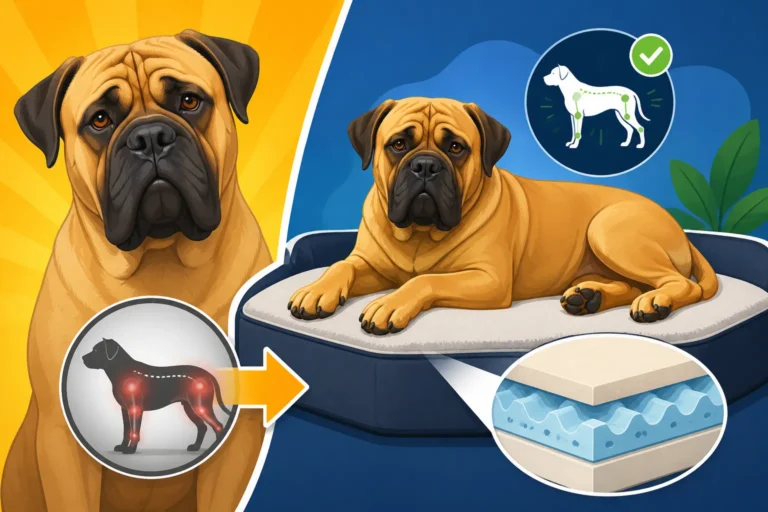
When choosing furniture, prioritize materials that are easy to wipe down, like leather, faux leather, or tight-weave, stain-resistant fabrics. If you love upholstered furniture, consider slipcovers that can be easily removed and machine-washed. For floors, area rugs in high-traffic or high-drool areas can absorb some of the impact, but remember they'll need frequent cleaning or replacement. Hard floors are often preferred by Bullmastiff owners for ease of cleanup. Establish "drool zones" – specific areas where your Bullmastiff is encouraged to lie down and where drool is expected. This might involve a dedicated dog bed with a washable cover or a designated corner with easy-to-clean flooring. Regular cleaning of these areas is paramount.
Creating a routine where you proactively wipe down surfaces, particularly walls and the lower half of doors, can prevent buildup and staining. For stubborn dried drool on walls or hard surfaces, a damp cloth with a mild all-purpose cleaner usually does the trick. Always test cleaners on an inconspicuous spot first, especially on painted walls. For fabrics, enzyme cleaners, often found on Amazon, can be very effective at breaking down organic matter and removing stains and odors associated with drool. Regularly washing dog beds and blankets is also key to overall freshness.
Addressing Excess Drooling Concerns: When to Be Worried
While some drool is just part and parcel of Bullmastiff ownership, it’s important to distinguish between normal slobber and excessive drooling that might signal a health issue. How Much a Bullmastiff Drools can vary, but a sudden, dramatic increase might be a red flag.
Normal Bullmastiff drooling is often associated with excitement, anticipation of food, or after drinking water. It might also increase during hot weather as they try to cool down. However, if your Bullmastiff is drooling profusely and continuously, unrelated to these triggers, it’s worth a closer look. Signs that warrant a vet visit include:
- Sudden, unexplained onset of heavy drooling.
- Drool that is unusually thick, discolored, or foamy.
- Excessive drooling accompanied by pawing at the mouth, reluctance to eat, or signs of pain.
- Bad breath in conjunction with drooling.
- Changes in behavior, lethargy, or other symptoms of illness alongside increased drooling.
These could indicate dental problems, a foreign object lodged in the mouth or throat, nausea, heatstroke, or other medical conditions. Don't hesitate to consult your veterinarian if you're concerned. Prompt action can prevent minor issues from becoming major problems. Understanding When Sudden Drooling Means Something Is Wrong can help you determine if the drool is just normal Bullmastiff antics or something more serious.
Here's a quick guide to managing drool on different surfaces:
| Surface Type | Common Drool Impact | Best Cleaning Method | Preventative Measures |
|---|---|---|---|
| Walls | Streaks, splatters, dried drips | Damp cloth with mild soap/all-purpose cleaner | Regular wiping, dog training to avoid head shakes near walls |
| Fabric Furniture | Damp patches, stiff spots, discoloration | Enzyme cleaner, upholstery cleaner, steam cleaner | Washable throws/slipcovers, designate dog-friendly furniture |
| Hard Floors | Puddles, sticky trails, hard dried spots | Damp mop with floor cleaner, pet-safe floor wipes | Regular wiping, use of rugs, non-slip mats near water bowls |
| Car Interiors | Window smears, seat stains, dashboard film | Glass cleaner, upholstery cleaner, interior wipes | Seat covers, window films, dedicated car kennel/crate |
| Clothing/Hair | Wet patches, slime trails, sticky residue | Immediate washing, lint roller for dried bits | Keep distance during excited moments, quick mouth wipes |
| Personal Items | Sticky film, wet prints | Disinfecting wipes, gentle cleaner (for electronics) | Keep items out of reach, use storage bins/drawers |
Living with a Bullmastiff means living with love, loyalty, and a little bit of slobber. By understanding where the drool ends up and implementing some smart management strategies, you can keep your home cleaner and your Bullmastiff happy and healthy.
Disclaimer
This article is for general informational purposes only and does not constitute professional advice. Laws, prices and regulations vary by location and change over time. Consult a qualified professional for guidance on your specific situation.