How to Clean Bullmastiff Drool Off a Wall
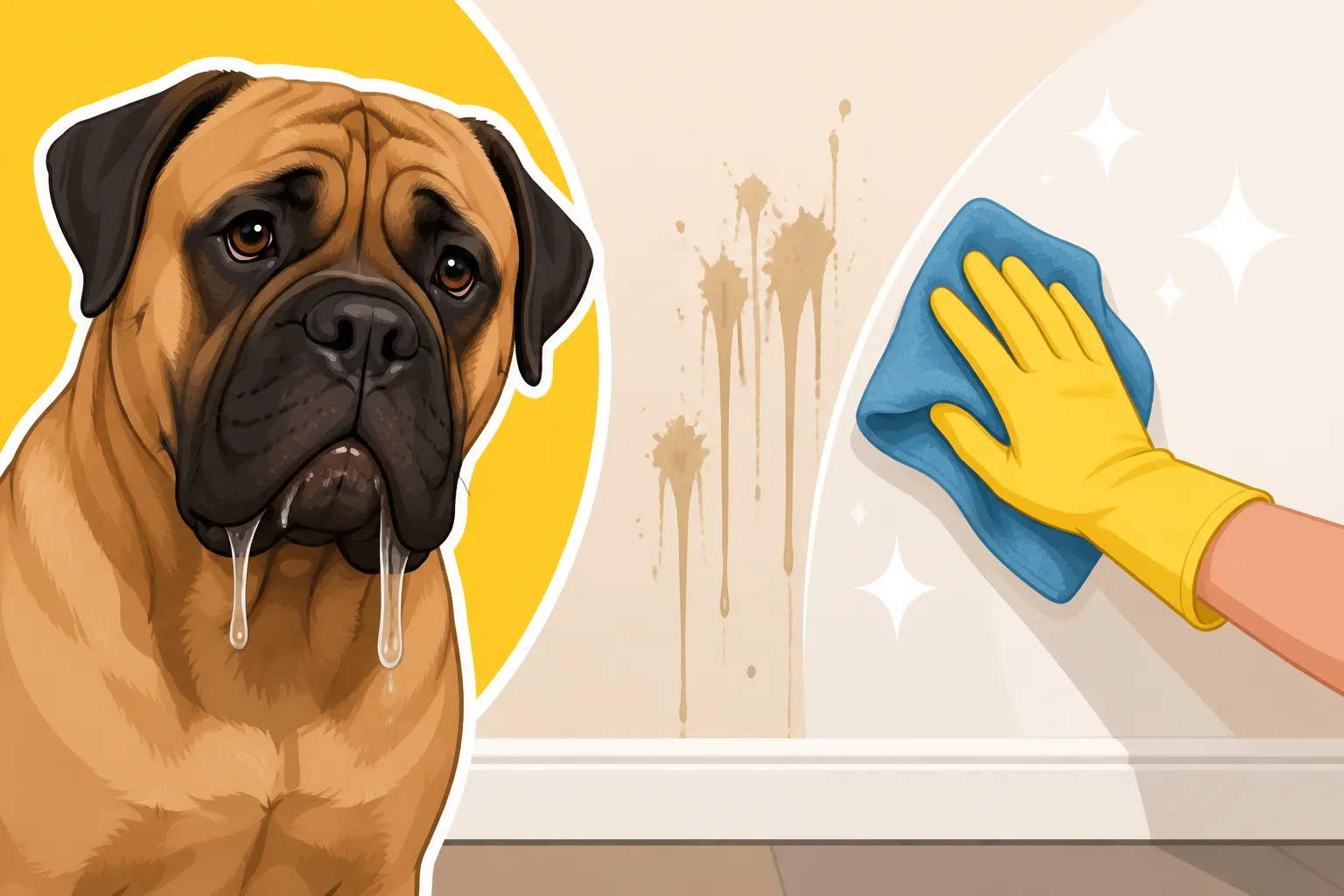
If you share your home with a magnificent Bullmastiff, you're undoubtedly familiar with the unique decorating choice they bring: drool art on your walls. It’s an unavoidable part of living with these wonderful giants, and while we adore them, the streaks and dried crusts of slobber can be a real nuisance to clean. This guide will walk you through the most effective and gentle ways to remove Bullmastiff drool from various wall surfaces, ensuring your home stays as pristine as possible, even with a drooling companion.
The Unavoidable Truth: Why Bullmastiff Drool Ends Up on Your Walls
Before we even get to cleaning, it helps to understand why this happens. It's not just a messy habit; it's a combination of their magnificent anatomy and the simple physics of being a large, jowly dog. When you have a massive dog with those characteristic loose jowls and copious saliva production, drool becomes less of an "if" and more of a "when" and "where."
The Anatomy of the Slobber Sling
Bullmastiffs possess those wonderful, loose flews – the fancy term for their pendulous lips or jowls. These aren't just for aesthetics; they serve a purpose in containing the substantial amount of saliva their mouths produce. However, they aren't watertight, especially when your Bullmastiff is excited, just had a big drink of water, or is anticipating a treat. When their head moves, or they give a good shake, that accumulated saliva, often mixed with water, becomes a projectile. It's a natural phenomenon, and one of the endearing (and sometimes frustrating) aspects of the breed. You might notice your Bullmastiff’s jowls holding onto a surprising amount of liquid after they visit the water bowl; this is a prime time for a slobber sling. We've talked before about Why a Bullmastiff's Jowls Hold Saliva and it's a big part of this whole wall drool saga.
Why Dried Drool Becomes So Stubborn
Fresh drool might seem easy enough to wipe away, but leave it for a bit, and it transforms into something much more tenacious. Canine saliva, like human saliva, isn't just water. It contains proteins, enzymes, and other organic matter. When this liquid evaporates, these components are left behind, creating a sticky, sometimes crusty, residue. This dried film adheres quite strongly to surfaces like painted walls, wallpaper, or even furniture. The longer it sits, the more it hardens and bonds with the surface, making it tougher to remove without potentially damaging the underlying material. It’s not just a surface mark; it’s practically fused on there, which is why a simple dry wipe often just smears it around, or worse, leaves a shiny, unsightly residue. Understanding this makes it clear why a gentle, systematic approach is necessary.
Gearing Up: Essential Preparations for Tackling Wall Drool
You wouldn't head into battle without your armor, and you shouldn't tackle Bullmastiff drool without the right tools and a little foresight. Proper preparation makes the cleaning process far more efficient and minimizes the risk of damaging your walls. This isn't just about having supplies; it's about setting yourself up for success.
Prevention Over Cure: Strategies to Reduce Drool Splatter
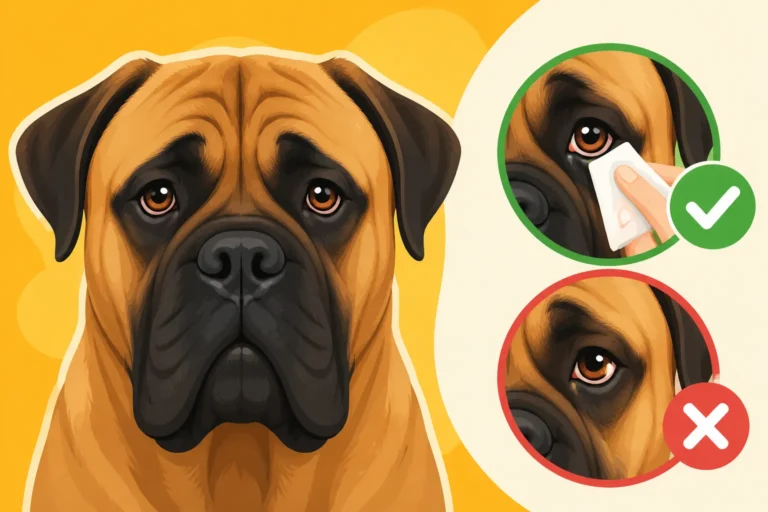
While eliminating wall drool entirely might be a pipe dream, you can significantly reduce its occurrence with some smart preventative measures. Think of it as harm reduction for your home. One of the most obvious points of drool production is around the water bowl. Consider placing absorbent mats, like those designed for pet food areas, beneath and around your Bullmastiff’s water bowl. These can catch splashes and drips before they have a chance to migrate to the wall. Some owners even use dedicated "drool rags" kept near the water bowl or main living areas. A quick wipe of your Bullmastiff's mouth after they drink or eat can prevent a lot of flung drool. We've certainly shared tips on How to Wipe a Bullmastiff's Mouth After Meals in the past, and it really does make a difference.
Another strategy involves managing access to prime "drool-flinging zones." If your Bullmastiff has a favorite spot next to a wall where they tend to shake their head after a drink or a chew, consider placing a tall, easy-to-clean barrier, or even a washable throw blanket over that section of the wall. Furniture placement can also help; if a couch or dog bed is directly against a wall, pull it out a few inches to create a buffer zone. Minimizing exposure to surfaces prone to drool is a simple, yet effective, proactive step.
Tools of the Trade: What You'll Need for Effective Cleaning
Having the right arsenal of cleaning supplies makes all the difference. For Bullmastiff drool, you’ll want a combination of gentle cleaning agents and soft tools to protect your wall surfaces. Here’s a rundown of what to gather before you start:
- Soft Microfiber Cloths or Sponges: These are essential. They're absorbent, gentle on surfaces, and don't leave lint. You'll want several, as they'll get dirty quickly. You can often find multi-packs on Amazon or Chewy.
- Spray Bottles: Perfect for applying cleaning solutions evenly and sparingly.
- Mild Dish Soap (like Dawn) or a Gentle All-Purpose Cleaner: Opt for something pH-neutral and free of harsh chemicals, especially if you have pets. Always check labels.
- Warm Water: The solvent that helps loosen dried drool.
- White Vinegar: An excellent natural cleaner and odor neutralizer.
- Enzymatic Pet Stain Cleaner: For particularly stubborn, dried-on drool or if there's any lingering odor. These cleaners break down organic matter, which is exactly what dried drool is composed of. Brands available on Chewy often specify "pet-safe" and "enzymatic."
- Clean Towels: For drying the wall thoroughly after cleaning.
- Small Bucket or Basin: For mixing solutions.
- Step Ladder: If your Bullmastiff is particularly tall (or a vigorous shaker), drool can reach surprising heights!
- Protective Gloves: To protect your hands from cleaning solutions.
Before applying any cleaner, always do a patch test in an inconspicuous area of your wall (behind a picture, in a closet) to ensure it doesn’t cause discoloration or damage. This is especially crucial for painted walls, as finishes can react differently, and for older or delicate wallpaper.
The Cleaning Playbook: Step-by-Step for Every Wall Surface
Now that you're prepped, let's get down to the actual cleaning. The key here is gentle persistence, and tailoring your approach to the type of wall you're dealing with. Different surfaces require different levels of moisture and scrubbing, so pay close attention to your specific wall material.
Painted Walls: The Gentle Approach
Painted walls are the most common canvas for Bullmastiff drool, and thankfully, often the easiest to clean, provided you're gentle. The type of paint matters here: semi-gloss or satin finishes are generally more durable and washable than matte or flat paints, which can absorb moisture and stain more easily.
First, gently scrape off any loose, crusty drool with a credit card or your fingernail. Be very careful not to scratch the paint. Next, create a cleaning solution: mix a few drops of mild dish soap into a spray bottle filled with warm water. Lightly mist a clean microfiber cloth with this solution – you want the cloth damp, not dripping wet. Excess water can damage paint, especially flat finishes, or even seep into drywall. Gently blot and wipe the drool marks. Work in small sections, always moving from the outside of the stain inward to avoid spreading it. Don’t scrub aggressively, as this can remove paint or leave shiny spots. After the drool is lifted, use a separate, clean, damp (water only) microfiber cloth to wipe away any soap residue. Finally, dry the area immediately with a clean, dry towel to prevent water streaks or moisture damage. Repeat the process if necessary, always taking care to be gentle.
Wallpapered Walls: A Delicate Touch
Wallpapered walls present a greater challenge, as they are more susceptible to water damage, peeling, or discoloration. The very first step is to identify if your wallpaper is washable or not. Vinyl or coated wallpapers are more forgiving, but traditional paper wallpapers can be easily ruined. If you're unsure, proceed with extreme caution, or consider professional cleaning.
For washable wallpaper, start by gently dabbing the dried drool with a barely damp microfiber cloth. The less moisture, the better. Use only warm water, avoiding any harsh soaps or chemicals that could strip the color or damage the paper's adhesive. Blot, don't rub. If the drool is stubborn, try adding a tiny amount of mild dish soap to your water, but again, use it very sparingly on the cloth. Test a hidden spot first! Once the drool is loosened and lifted, immediately blot the area dry with a clean, dry cloth. You want to ensure no moisture lingers. For non-washable wallpaper, your options are extremely limited. You might try very gently flaking off dry drool with a clean, dry, soft brush or cloth, but be prepared for the possibility that the drool may have stained the paper permanently. In such cases, trying to wet clean it will likely cause more damage than the drool itself.
Textured or Specialty Walls: Extra Care Required
Walls with texture, like stucco, knockdown, or even deeply textured wallpaper, or specialty finishes like Venetian plaster, require a unique approach because the drool can settle deep into the crevices. Aggressive scrubbing will damage the texture, while too much moisture can lead to a host of other problems.
For textured walls, begin by using a soft-bristled brush (a clean toothbrush or a soft scrub brush works well) to gently dislodge any dry, crusty drool from the textured valleys. Do this dry first, to avoid grinding the drool deeper into the texture. Once the loose bits are gone, prepare a mild cleaning solution of warm water and a tiny bit of dish soap in a spray bottle. Lightly mist a section of a microfiber cloth, or even the soft brush, with this solution. Don't spray directly onto the wall, as this introduces too much moisture. Gently dab and brush the drool out of the crevices. Work slowly and patiently. After cleaning, use a separate, clean, dry microfiber cloth to blot the area thoroughly, absorbing as much moisture as possible. You may need to press firmly into the texture to get it truly dry. For delicate specialty finishes, like faux finishes or plaster, it is always best to consult the original installer or a professional cleaner, as improper cleaning can irrevocably alter their appearance.
| Wall Surface | Cleaning Agent Recommended | Application Method | Drying Method | Key Caution |
|---|---|---|---|---|
| Painted (Semi-Gloss/Satin) | Mild dish soap + warm water | Damp microfiber cloth | Dry microfiber cloth | Avoid aggressive scrubbing; test in hidden area. |
| Painted (Flat/Matte) | Mild dish soap + warm water | Barely damp microfiber cloth | Dry microfiber cloth | Use minimal moisture; very gentle blotting. |
| Washable Wallpaper | Warm water (optional: tiny soap) | Barely damp microfiber cloth | Dry microfiber cloth | Blot, don't rub; dry immediately; test in hidden area. |
| Non-Washable Wallpaper | Dry, soft brush / credit card | Dry only | N/A | May cause permanent staining; avoid all moisture. |
| Textured Walls | Mild dish soap + warm water | Damp microfiber cloth/brush | Dry microfiber cloth | Avoid direct spraying; work into crevices gently. |
Beyond the Basic Wipe: Stubborn Stains, Lingering Odors, and Prevention
Sometimes, a simple wipe isn't enough. Bullmastiff drool, especially if left for too long, can leave behind a stubborn residue or, even worse, a lingering scent. Addressing these issues requires a bit more firepower, and more importantly, a commitment to ongoing prevention to keep your home fresh and clean. This is where we go from cleaning to actively maintaining.
Targeting Residue: When Regular Cleaning Isn't Enough
If you've tried the gentle wipe-down and there's still a noticeable mark, it's time to bring in specialized cleaners. For organic stains like dried drool, enzymatic pet stain removers are your best friend. These products contain enzymes that break down the protein and organic matter in the drool, effectively lifting the stain rather than just masking it. You can find a wide range of effective enzymatic cleaners on platforms like Chewy or Amazon. Always follow the product's instructions carefully, which usually involve spraying the solution, letting it sit for a specified time (often 10-15 minutes), and then blotting it away with a clean cloth. Remember to test it on an inconspicuous area first, even if it's marketed as pet-safe, especially on painted surfaces.
For very tough, slightly textured residue that won't budge with liquid, a paste made from baking soda and a tiny bit of water can offer a very mild abrasive. Apply the paste with your finger, let it sit for a minute, then gently rub with a damp cloth. This can help lift embedded grime without scratching. However, use this method with extreme caution on anything but very durable painted surfaces, as it can be too abrasive for delicate wallpaper or specialty finishes. Persistence and patience are key with these tougher stains; sometimes several applications are needed.
Neutralizing Odors: Keeping Your Home Fresh
Dried drool can leave behind a distinct, not-so-pleasant odor, especially if there's a large accumulation or if it's on a porous surface. Simply cleaning the visual stain might not remove the smell. For odor neutralization, white vinegar is a fantastic natural option. Mix equal parts white vinegar and water in a spray bottle. Lightly mist the stained area (after it's clean and dry) and allow it to air dry. The vinegar smell will dissipate as it dries, taking the lingering drool odor with it. Again, patch test first, especially on sensitive surfaces.
Another excellent option for odors is, once again, an enzymatic pet stain and odor remover. Many of these are specifically formulated to target and eliminate the source of pet odors, not just cover them up. Applying these after a good cleaning can prevent that faint, "doggy" smell from permeating your home. Ensure adequate ventilation in the room while these products are working to help dissipate both the cleaning solution's scent and the odors it's tackling. Air circulation is your friend in the fight against household pet odors.
Long-Term Strategies for a Drool-Managed Home
Living with a Bullmastiff means accepting a certain level of drool, but you can certainly manage it proactively to reduce wall cleaning frequency. Establishing consistent habits is far easier than battling a build-up of dried drool every few weeks.
One simple yet powerful strategy is to have designated "drool stations" in key areas of your home. Keep a small basket with a stack of old towels or microfiber cloths near your Bullmastiff's favorite napping spots, by the water bowl, and near the door. Make it a habit to quickly wipe down your dog's mouth after they drink, eat, or get excited. This small gesture can dramatically cut down on airborne slobber. We've touched on What to Keep on Hand for a Bullmastiff's Drool and these simple tools make a big difference.
Consider your home's layout. If your Bullmastiff loves to recline against a particular wall, explore washable wall coverings or even install easy-to-clean wainscoting in high-impact areas. Choosing semi-gloss or satin paint finishes, rather than flat, for high-traffic zones can also make a significant difference when it comes to cleanability. Regular, light cleaning is also crucial; don't wait for the drool to build up into crusty works of art. A quick wipe-down of affected areas once or twice a week with a damp cloth will prevent the problem from becoming overwhelming, saving you time and effort in the long run. Embracing these preventative measures means you spend less time scrubbing and more time enjoying your wonderful Bullmastiff.
Disclaimer
This article is for general informational purposes only and does not constitute professional advice. Laws, prices and regulations vary by location and change over time. Consult a qualified professional for guidance on your specific situation.