How to Wipe a Bullmastiff’s Mouth After Meals
Oh, the joy of a Bullmastiff, right? These gentle giants steal our hearts, but let's be honest, they also redecorate our homes with slobber. After a meal, especially, it can feel like your kitchen has been through a drool storm. You love them dearly, but cleaning up sticky, splattered food residue from their jowls and the surrounding floor isn't exactly a glamorous part of dog ownership. This guide is all about making that post-meal cleanup a bit easier, less messy, and more effective for both you and your beloved Bullmastiff.
Understanding Why Your Bullmastiff Drools After Eating
Before we even get to wiping, it helps to understand why our Bullmastiffs turn into drool fountains after enjoying their dinner. It’s not just a quirk; it’s largely down to their unique anatomy and a bit of canine physiology. Knowing the "why" can make the "how" feel less like a chore and more like a necessary part of caring for this wonderful breed.
The Anatomy of a Bullmastiff's Jowls and Mouth
Let’s face it, one look at a Bullmastiff's majestic head and you know they aren't built for a dry, pristine environment. Their signature features, those beautiful, loose jowls (also known as flews), are a big part of their charm and their drooling propensity. These jowls are designed to hang down, creating natural pockets around their mouth. When your Bullmastiff eats or drinks, gravity, combined with the act of chewing and swallowing, means that a good amount of food, water, and saliva inevitably collects in these folds.
Imagine trying to eat a bowl of soup without being able to fully seal your mouth – that's a bit like what a Bullmastiff's jowls contend with. Food particles can easily get lodged, and water dribbles right into those lovely, deep pockets, mixing with saliva to create that familiar slobber. It’s not that they're being messy on purpose; it's simply how their magnificent faces are structured. It's a breed trait, a fundamental part of what makes a Bullmastiff a Bullmastiff, and something we, as owners, just learn to manage. You might find our article Why a Bullmastiff's Jowls Hold Saliva interesting for a deeper dive into this phenomenon.
Normal Drooling vs. Problematic Drooling
So, a certain amount of post-meal drool is completely normal for a Bullmastiff. It’s part of the package deal. However, it's also important to be able to distinguish between your dog’s everyday slobber and drooling that might be indicative of an underlying issue. Normal drooling after eating usually looks like some wetness around the lips and jowls, perhaps a few trails on the floor where they've been shaking their head or getting up from their bowl. It’s usually clear or slightly tinged with food, and it doesn't have a strong, unpleasant odor.
On the other hand, if you notice a sudden increase in drooling, or if the drool itself changes, it might be time to pay closer attention. Is the drool exceptionally thick, discolored (yellowish, brownish, or even reddish), or does it have a foul smell? Is your Bullmastiff pawing at their mouth, acting lethargic, or showing a reluctance to eat despite being hungry? These could be signs of something more than just typical post-meal messiness. Dental problems like gum disease, a broken tooth, or even something stuck in their mouth can cause discomfort and excessive drooling. Sometimes, even nausea or more serious health concerns can manifest with increased salivation. Always keep an eye out for these changes and don't hesitate to reach out to your vet if something seems off.
Essential Tools and Techniques for Post-Meal Mouth Wiping
Okay, now that we understand the glorious science behind the Bullmastiff drool, let's talk practical solutions. Wiping your Bullmastiff's mouth after meals doesn't have to be a wrestling match. With the right tools and a gentle, consistent approach, it can become a routine moment of connection between you and your big pal.
Choosing the Right Wiping Materials
When it comes to wiping up after your Bullmastiff, not all cloths are created equal. You want something absorbent, soft, and easy to clean. Here are a few options, along with their pros and cons:
- Dedicated Drool Rags: Many Bullmastiff owners swear by having a stack of designated "drool rags." These can be simple, inexpensive washcloths or small hand towels made of cotton.
- Pros: Very absorbent, readily available, inexpensive to buy in bulk. You can toss them in the laundry without a second thought.
- Cons: Can look a bit utilitarian. May need frequent washing.
- Microfiber Cloths: These are highly effective at picking up moisture and tiny food particles due to their unique fiber structure.
- Pros: Super absorbent, soft, and quick-drying. Often very durable. You can find large packs on Amazon or Chewy.
- Cons: Some lower-quality microfiber can feel a bit rough after many washes.
- Old Towels or T-shirts: Repurposing old textiles is a budget-friendly and eco-conscious choice.
- Pros: Free! Soft from repeated washing, good absorbency.
- Cons: May fray over time. Less "polished" than dedicated cloths.
- Pet-Specific Wipes: While not ideal for every post-meal wipe due to cost and environmental impact, these can be handy for quick touch-ups on the go or when you need a slightly more sanitizing option for deeper folds. Look for brands that are gentle, fragrance-free, and formulated for pets.
No matter your choice, ensure the material is soft enough not to irritate your Bullmastiff's sensitive facial skin and is free from harsh chemicals or strong perfumes. You'll want a good supply so you always have a clean one handy. For more options, consider checking out the pet accessories sections on sites like Chewy for a variety of pet-specific cloths and wipes.
The Step-by-Step Wiping Process
Making mouth wiping a positive experience is key. Your Bullmastiff is a sensitive soul, and forcing the issue will only create resistance. Here's a gentle, step-by-step approach:
- Preparation is Key: Have your chosen cloth ready before your Bullmastiff finishes eating. This prevents them from wandering off and decorating your floors or furniture.
- Approach Calmly: As your Bullmastiff finishes their meal, approach them with a calm, reassuring demeanor. Use a gentle voice.
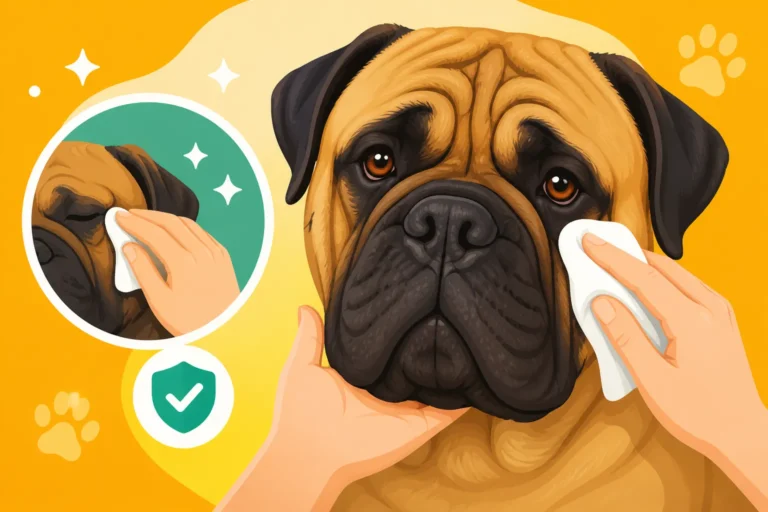
- The "Chin Rest" Technique: Many Bullmastiffs are comfortable having their chin gently cupped in your hand. This helps stabilize their head and gives you access to the jowls. You can even combine this with a pleasant scratch under the chin to make it enjoyable.
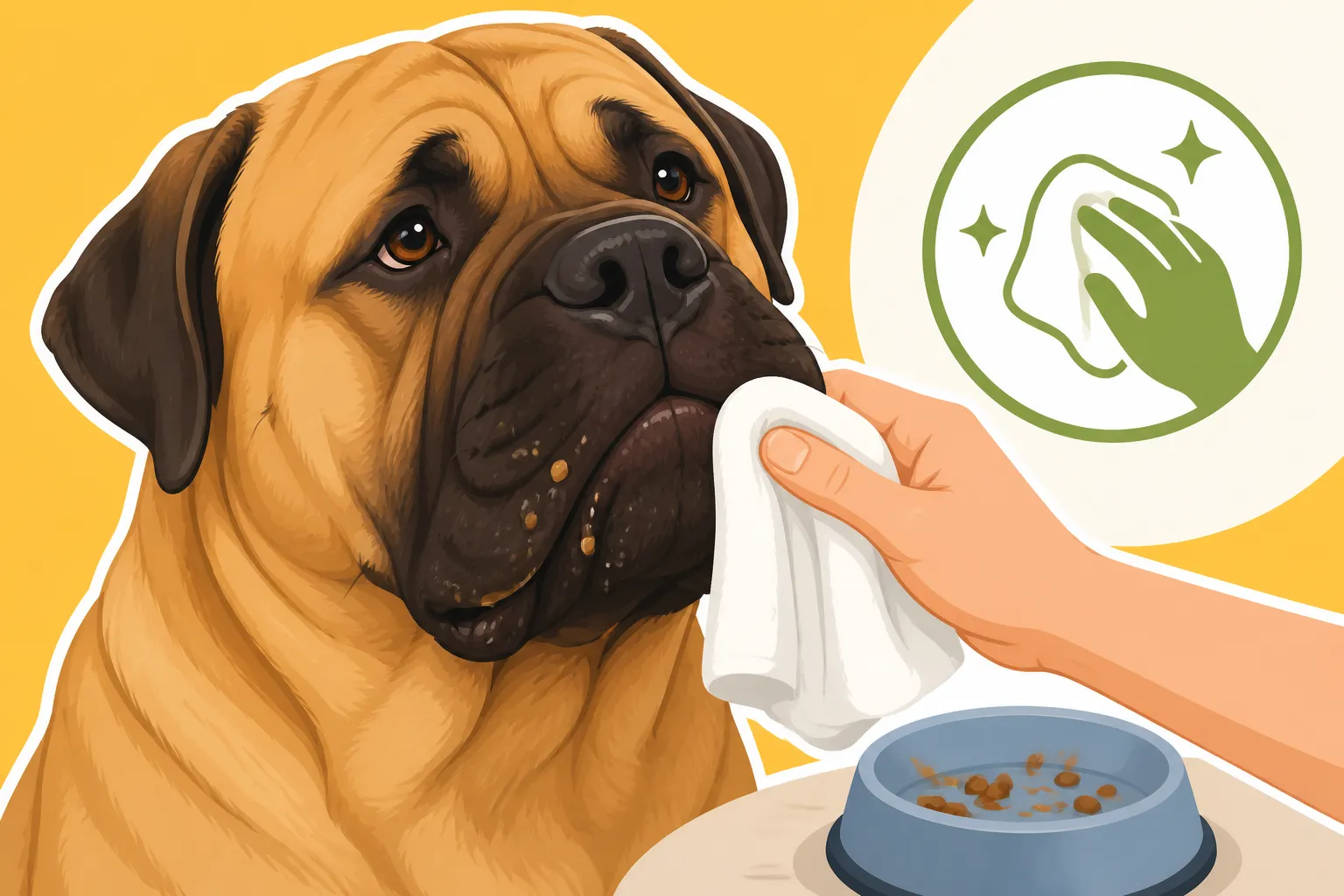
- Wipe the Outer Lips and Chin: Start by gently wiping the main areas around their outer lips and under their chin. This removes the bulk of the surface drool and food. Use light pressure, sweeping downwards.
- Address the Jowls/Flews: This is where the real work happens. Carefully lift one side of their jowl to expose the inner fold. Use a clean part of your cloth to gently wipe inside, removing any trapped food or moisture. Be thorough but don't dig or rub vigorously. Repeat on the other side.
- Under the Chin/Throat Area: Don't forget the area where their jowls meet their neck. Drool often runs down here and can cause irritation if left damp.
- Positive Reinforcement: Once you're done, offer immediate praise, a gentle pat, or even a small, healthy treat. This creates a positive association with the wiping process. The goal is for them to see it as a pleasant interaction, not an intrusion.
Consistency is your best friend here. Wiping immediately after every meal and even after large drinks will prevent buildup and make the whole process quicker and easier over time. For more general advice on keeping those face folds clean, take a look at our guide How to Clean a Bullmastiff's Jowls.
Integrating Wiping into Your Routine
Turning mouth wiping into a seamless part of your daily life with your Bullmastiff is crucial for long-term success. It's not just about getting the job done, but about establishing a routine that your dog accepts and even anticipates.
Start early if you have a puppy. Puppyhood is the prime time for introducing handling and grooming rituals. Even if your Bullmastiff is an adult, you can still build positive habits. Make it predictable: every time they finish eating, out comes the cloth. This consistency teaches them what to expect. Keep the wipes in an easily accessible spot near their eating area – a small basket, a drawer, or a hook by the kitchen entrance. This way, you're not scrambling to find a rag while your dog is already shaking their head across the room.
Consider using a specific verbal cue, like "clean face!" or "wipes!", just before you start. This further signals to your Bullmastiff what's about to happen. During the actual wiping, keep talking to them in a soft, encouraging tone. When they're relaxed and cooperative, reward them with a treat they love. High-value treats will reinforce that staying still and allowing you to wipe is a good thing. Over time, many Bullmastiffs will even present their faces for wiping, seeing it as another opportunity for a treat and some affectionate attention. Remember, patience is key. Some days might be easier than others, but with gentle persistence, this can become a stress-free part of your shared day. For advice on how often this should happen, check out How Often a Bullmastiff's Face Should Be Wiped.
Beyond Wiping: Additional Strategies for Managing Drool
While diligent wiping is your first line of defense against post-meal drool, there are other proactive measures you can take to minimize the mess and keep your Bullmastiff comfortable. These strategies focus on feeding practices, general oral health, and managing the drool that inevitably escapes.
Optimizing Feeding Practices
How and what your Bullmastiff eats can significantly impact the amount of post-meal drool.
- Slow Feeder Bowls: If your Bullmastiff is a speed eater, gobbling down their food in seconds, they're likely to take in more air and produce more excited drool. Slow feeder bowls, which have ridges or obstacles, force them to eat more slowly. This can reduce both the speed of consumption and the amount of slobber. You can find a wide variety of these on Chewy or Amazon.
- Water Bowl Management: Some Bullmastiffs are particularly messy drinkers, leading to massive puddles and wet jowls. Consider a non-splash water bowl designed to minimize spills. Raised bowls are a point of debate, sometimes suggested to help with bloat, but may also make it easier for water to collect in jowls. Observe your dog to see what works best for them.
- Post-Meal Rest: Just like humans often feel sleepy after a big meal, it’s a good idea to encourage your Bullmastiff to relax for a while after eating. Excitement or strenuous activity immediately after food can increase drooling and, more importantly, can be a risk factor for bloat, a serious condition common in large, deep-chested breeds. Encourage a quiet rest period for at least an hour after meals. You might find more tips on this in Why a Bullmastiff Should Rest After Meals.
Dietary Considerations and Oral Health
While less directly tied to post-meal drool, overall oral health and diet can play a supporting role in managing drool and maintaining a clean mouth.
- Food Consistency: While it's largely individual, some owners report that the consistency of food can influence drooling. Very wet, soupy foods might contribute to more dribbling than dry kibble, but this is often outweighed by the breed's natural jowl structure. The most important thing is to feed a high-quality diet appropriate for large breeds.
- Dental Hygiene: Beyond wiping, don't neglect your Bullmastiff's general dental care. Healthy teeth and gums mean a healthier mouth overall, which can reduce inflammation or discomfort that might contribute to drooling. Regular dental check-ups with your vet are essential. You can also explore options like dental chews, water additives, or even daily tooth brushing. If you're wondering how often you should be doing this, our article Whether a Bullmastiff's Teeth Need Brushing and How Often a Bullmastiff's Teeth Need Cleaning offer helpful insights.
Addressing Drool on Your Home and Belongings
Let's be real: no matter how diligently you wipe, some drool is going to end up where you least expect it. It's part of living with a Bullmastiff. But you can still mitigate the impact.
- Strategic Placement of Drool Rags: Keep clean cloths strategically placed around your home – near the front door, next to the couch, in the car. This makes it easy to quickly wipe away any errant slobber before it dries and becomes a crusty stain. You can also refer to What to Keep on Hand for a Bullmastiff's Drool for more ideas.
- Surface Protection: Consider washable covers for couches and chairs where your Bullmastiff loves to nap. Furniture throws can save your upholstery from slobber stains and are much easier to toss in the wash. For walls, a quick wipe with a damp cloth immediately after you notice a drool trail is usually enough. If it dries, a gentle cleaner and a soft sponge might be needed. Our post How Far a Bullmastiff Can Fling Drool might give you a chuckle, but also a realistic idea of the clean-up needed!
- Easy-to-Clean Bedding: For their own beds, choose options with removable, machine-washable covers. Brands like Ollie offer durable, easy-to-clean pet bedding that stands up to the rigors of Bullmastiff life. This ensures their resting spots stay fresh and hygienic despite daily drool.
When to Consult Your Veterinarian
While a certain amount of drooling is a charming, if sometimes messy, hallmark of the Bullmastiff breed, it's crucial to know when drooling might be a symptom of a deeper health issue. Being observant and knowing when to call your vet can make all the difference for your dog's health and well-being.
Signs of Excessive or Unusual Drooling
Normal Bullmastiff drool is usually clear, relatively thin, and occurs most frequently around meal times, during excitement, or when they're particularly warm. However, if you notice any of the following, it's a good idea to contact your veterinarian:
- Sudden Increase in Volume: If your Bullmastiff suddenly starts drooling significantly more than usual, even when not eating or excited, this warrants attention.
- Change in Consistency or Color: Drool that becomes very thick, foamy, yellow, brown, or even bloody is a red flag.
- Foul Odor: A strong, unpleasant smell coming from your dog's mouth or drool could indicate infection, dental disease, or something worse.
- Accompanying Symptoms: Watch for other signs like pawing at the mouth, reluctance to eat, difficulty chewing, lethargy, vomiting, swelling of the face or jaw, or changes in behavior.
- Constant Drooling: If your Bullmastiff is drooling continuously, seemingly without a trigger, it's time for a vet visit.
These changes are not typical Bullmastiff slobber and could point to pain, infection, or a systemic illness. Our article When Sudden Drooling Means Something Is Wrong goes into more detail about these warning signs.
Dental Issues and Other Health Concerns
Often, excessive or unusual drooling is linked to problems within the mouth itself. Bullmastiffs, like all dogs, are susceptible to dental issues, which can be a silent source of pain.
- Dental Disease: Plaque and tartar buildup can lead to gingivitis (gum inflammation) and periodontal disease. This can be very painful, causing your dog to drool more, especially when eating. Abscesses, loose teeth, or broken teeth are also common culprits. Regular dental check-ups are vital for catching these problems early.
- Foreign Objects: Sometimes, a stick, bone shard, or even a piece of toy can get lodged in your dog's mouth, between their teeth, or in their throat, causing irritation and excessive drooling.
- Oral Masses or Tumors: While less common, growths in the mouth or throat can also lead to increased salivation and difficulty swallowing.
- Other Medical Conditions: Beyond the mouth, excessive drooling can sometimes be a symptom of conditions like kidney disease, liver disease, certain neurological disorders, or even exposure to toxins. While these are less common causes for sudden drooling, they are why a thorough veterinary examination is so important when you see persistent or concerning changes.
Regular wellness exams are crucial for catching health issues early, including those that might manifest as unusual drooling. How Often a Bullmastiff Needs a Wellness Exam emphasizes the importance of these routine visits. Don't assume unusual drooling is "just a Bullmastiff thing" if it's accompanied by other worrying symptoms or a change from their normal drooling habits. Your vet is the best person to diagnose the cause and recommend appropriate treatment.
| Wiping Material | Absorbency | Softness | Durability | Cost | Best Use Case |
|---|---|---|---|---|---|
| Cotton Washcloths | High | Medium | Medium | Low | Everyday post-meal wiping, bulk use |
| Microfiber Cloths | Very High | High | High | Medium | Efficient cleanup, good for picking up fine particles |
| Old T-shirts/Towels | High | High | Variable | Free | Budget-friendly, repurposing |
| Pet-Specific Wipes | Medium | High | Low | High | Quick touch-ups, travel, occasional gentle cleaning |
Disclaimer
This article is for general informational purposes only and does not constitute professional advice. Laws, prices and regulations vary by location and change over time. Consult a qualified professional for guidance on your specific situation.