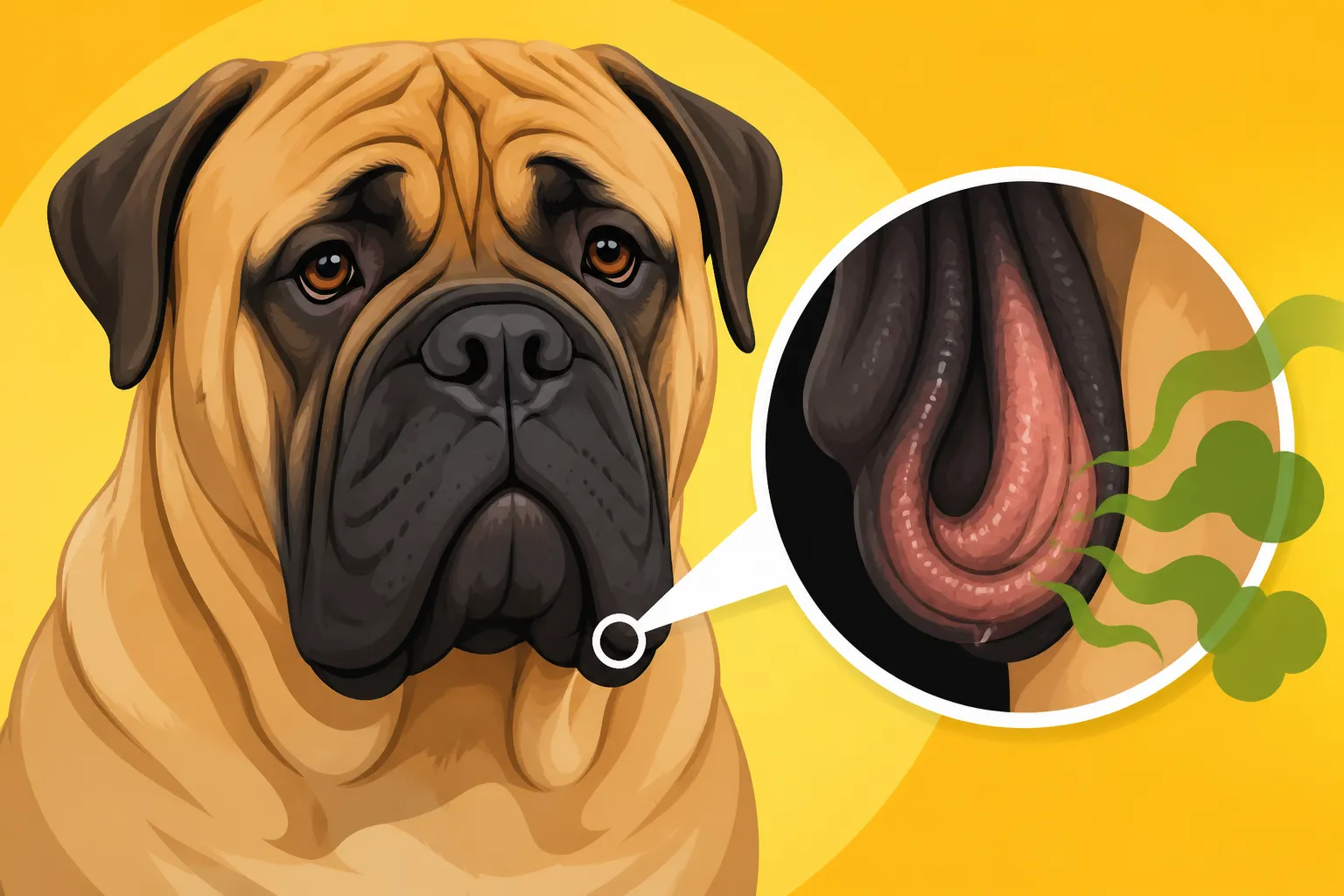
Why a Bullmastiff’s Lip Folds Smell
It’s a struggle many Bullmastiff owners know all too well: that distinct, somewhat funky odor emanating from our beloved giants, often traced back to their wonderfully expressive, yet deeply folded, jowls. It's frustrating when you try to keep your big lug clean, only to find that persistent smell clinging on. This guide is here to unravel the mystery of why your Bullmastiff's lip folds get so stinky and, more importantly, equip you with actionable strategies to keep those magnificent faces fresh and healthy.
The Anatomy Behind the Odor: Why Bullmastiff Folds Are Prone to Trouble
When you look at a Bullmastiff, one of the first things you notice is their impressive head, often adorned with those signature wrinkles and prominent jowls. While undeniably charming, these features are also the primary culprits behind the persistent odor that can sometimes develop. It's not just a superficial issue; the very structure of their face creates an environment ripe for problems if not managed diligently.
Understanding the Bullmastiff's Unique Facial Structure
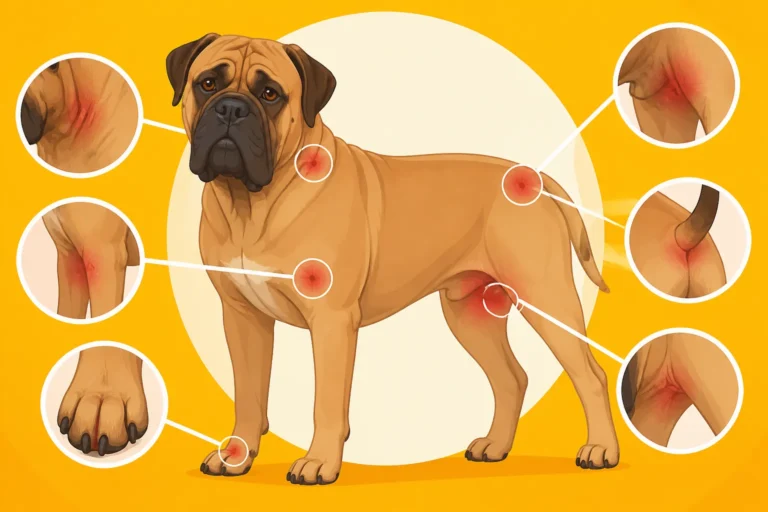
Bullmastiffs possess a distinct head shape, a legacy of their Mastiff and Bulldog heritage, characterized by broad skulls, powerful muzzles, and, crucially, those loose, pendulous jowls and prominent lip folds. These folds aren't just for show; they served a purpose in their ancestral role, but in our modern homes, they present a unique grooming challenge. Think of these folds as little caves or pockets on your dog's face. Unlike flatter-faced breeds, a Bullmastiff's skin doesn't lie smooth and taut. Instead, gravity and genetics have created these deep crevices, especially around the mouth and chin. These areas are naturally warm and, thanks to all that delightful Bullmastiff drool, often moist. They also tend to be less exposed to air circulation, creating a perfect storm for things to get a little… stagnant.
The Ideal Breeding Ground for Bacteria and Yeast
With warmth, moisture, and limited airflow, those facial folds become a five-star resort for microorganisms. Bacteria and yeast, which are naturally present on any dog's skin, thrive in such conditions. When their populations explode, that's when you start to notice the smell. It's similar to how a damp towel left in a laundry basket for too long can get a sour smell – except on your dog's face, it's a constant, ongoing process. The environment inside these folds inhibits the skin's natural ability to dry and breathe, making it very difficult for your Bullmastiff's own immune system to keep these microbial populations in check without a little help from you. This is why regular intervention is so crucial.
Common Causes of Smelly Lip Folds in Bullmastiffs
It's one thing to understand the anatomical predisposition, but it's another to pinpoint the exact reasons why your Bullmastiff's folds are currently emitting that less-than-pleasant aroma. Often, it's a combination of daily habits and underlying issues, all contributing to the problem. The good news is, once you identify the culprits, you're well on your way to finding solutions.
Food, Drool, and Debris Accumulation
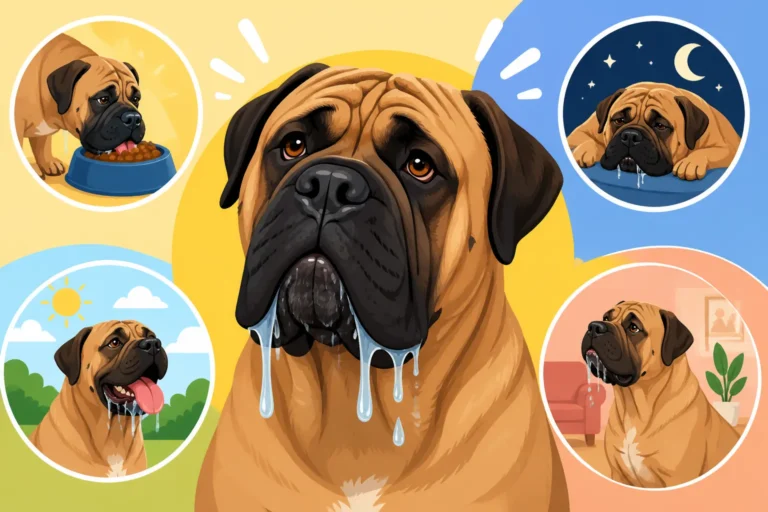
Let's be honest, Bullmastiffs aren't exactly known for their dainty eating habits. They dive into their food with gusto, often leaving a trail of kibble crumbs, wet food residue, and a generous amount of drool in their wake. A significant portion of this messy mealtime aftermath inevitably finds its way into those deep lip folds. Imagine eating a spaghetti dinner and not wiping your mouth – now imagine if your mouth had several deep, damp pockets ready to catch every stray noodle. That's essentially what happens to our Bullmastiffs.
Beyond mealtime, their jowls are constantly producing saliva, and How Much a Bullmastiff Drools can be significant, especially after drinking water, during excitement, or just as a part of their everyday life. This constant moisture, combined with trapped food particles, dirt from sniffing around the yard, or even bits of chew toys, creates a rich organic soup. This material provides ample nutrients for bacteria and yeast to multiply rapidly, leading directly to that pungent smell you're noticing. It's a cyclical problem: the mess gets trapped, the microbes feast, they multiply, and the odor intensifies. This accumulation can also irritate the delicate skin, making it even more susceptible to infection.
Bacterial and Yeast Infections Skin Fold Dermatitis
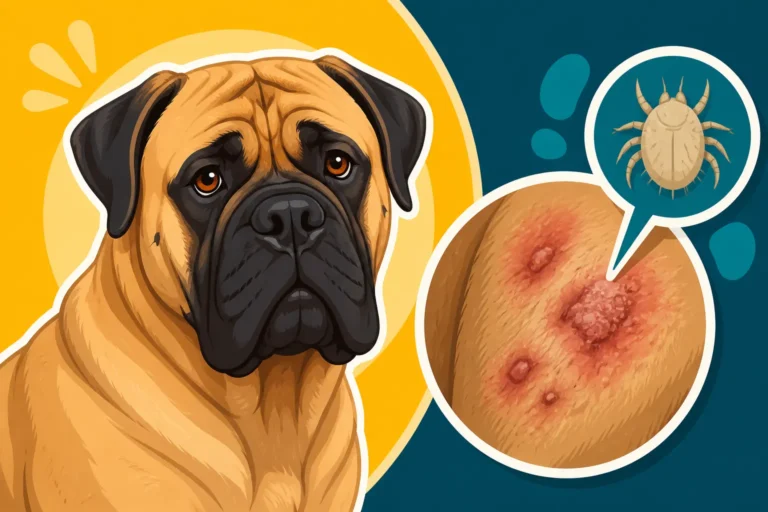
When the conditions are just right – meaning warm, moist, and laden with trapped organic matter – the natural bacteria and yeast on your Bullmastiff's skin can flourish into full-blown infections. This condition is commonly known as skin fold dermatitis or intertrigo. It's not just about the smell; these infections can be incredibly uncomfortable, even painful, for your dog.
You might start to notice more than just a bad smell. The skin within the folds can become red and inflamed, perhaps even appearing raw or ulcerated. There might be a greasy, brownish discharge that crusts over, which is a tell-tale sign of yeast overgrowth. In more severe bacterial cases, you could see pus or a foul, sickly sweet odor. These infections cause itchiness, leading your Bullmastiff to rub their face, further irritating the skin and potentially introducing more bacteria. This cycle can quickly escalate, turning a minor odor into a serious dermatological issue. It’s important to know the Signs a Bullmastiff's Fold Is Infected so you can address the problem promptly.
Underlying Allergies and Skin Sensitivities
Sometimes, the smelly lip folds are not just a standalone problem but a symptom of a larger underlying issue: allergies or general skin sensitivities. Just like humans, dogs can suffer from environmental allergies (to pollen, dust mites, mold) or food allergies (to certain proteins or grains). When an allergic Bullmastiff experiences a flare-up, their skin often becomes more inflamed and itchy overall.
This generalized inflammation can make the skin folds even more sensitive and prone to irritation. Allergies can also lead to increased moisture production in the skin and folds, creating an even more hospitable environment for bacterial and yeast overgrowth. So, while you might be diligently cleaning the folds, if an untreated allergy is causing constant irritation and inflammation, the problem will likely persist or return quickly. Addressing Skin Allergies in a Bullmastiff comprehensively, with the help of your veterinarian, can be a crucial step in managing chronic lip fold issues. It's about treating the root cause, not just the symptom.
Practical Solutions for Managing and Preventing Lip Fold Odor
Once you understand why those folds get smelly, the next step is proactive management. This isn't a one-time fix; it's an ongoing commitment to hygiene and sometimes, a bit of veterinary support. The good news is that with consistent effort, you can significantly reduce or eliminate the odor and keep your Bullmastiff comfortable and healthy.
Daily Cleaning Routines and Best Practices
Establishing a consistent daily cleaning routine is perhaps the single most important thing you can do to combat smelly lip folds. This isn't about deep scrubbing, but gentle, thorough maintenance.
Here’s a simple routine you can follow:
- Gather Your Supplies: You'll need soft cotton pads or gauze squares, and a gentle cleaning solution. Many owners find specialized pet-safe wipes containing ingredients like chlorhexidine or witch hazel to be incredibly effective. These are readily available on platforms like Chewy or Amazon. For example, some brands offer medicated wipes specifically designed for skin folds. You can also use a mild, diluted antiseptic solution prescribed by your vet, or even just warm water with a tiny bit of gentle dog shampoo if followed by thorough drying.
- Gently Expose the Folds: With your Bullmastiff calm and relaxed (perhaps after a meal, so they associate it with a treat!), gently lift their jowls and expose the deep folds. You'll be amazed at what you find lurking there!
- Wipe Thoroughly: Use a fresh cotton pad or wipe for each side, or even each major fold. Carefully wipe away any food debris, drool, and discharge. Make sure you get deep into the crevices without scrubbing harshly. The goal is to remove the accumulated gunk and clean the skin. What to Clean a Bullmastiff's Wrinkles With is a good resource for choosing products.
- Crucial Drying Step: This is often overlooked but absolutely vital. After cleaning, take a clean, dry piece of gauze, a soft cloth, or even a soft paper towel and gently but thoroughly dry the inside of each fold. Remember, moisture is the enemy here. If you leave the folds damp, you're just restarting the cycle for bacteria and yeast. Why a Bullmastiff's Folds Need Drying cannot be stressed enough.
Aim to do this at least once daily, especially after meals. If your Bullmastiff is particularly prone to drooling or has deep folds, twice a day might be necessary. Consistency is key here; a few minutes each day will make a world of difference.
Dietary Adjustments and Bowl Choices
While cleaning addresses the immediate mess, optimizing how your Bullmastiff eats can reduce the accumulation of debris in the first place. Diet can play a surprising role here, both in terms of mess and overall skin health.
First, consider the type of food. Some owners report that certain food formulas, particularly those with a lot of gravy or high moisture content, tend to be messier. If you're feeding wet food, you might try a firmer pâté consistency, or even transition to a high-quality kibble if appropriate for your dog's needs. Brands like Ollie, known for their fresh, human-grade ingredients, might offer formulations that are less prone to sticking in folds and can also contribute to healthier skin overall. A balanced diet supports healthy skin and a robust immune system, which can, in turn, help fight off minor skin irritations.
Next, think about the bowls. A Bullmastiff's broad head and jowls can easily push food and water out of standard bowls, creating more mess that then gets trapped in their folds.
Here’s a table comparing common bowl types and their impact:
| Bowl Type | Pros | Cons | Impact on Fold Odor |
|---|---|---|---|
| Standard Bowl | Widely available, affordable. | Can be too shallow or narrow for Bullmastiffs. | High potential for food/water to spill into folds. |
| Raised Bowl | Can improve posture, reduce neck strain. | Doesn't inherently reduce drool or mess around face. | Whether a Bullmastiff's Water Bowl Should Be Raised is a good idea for hydration, but not necessarily for fold cleanliness. |
| Slow Feeder Bowl | Encourages slower eating, reduces gulping. | Can still allow food to accumulate on the exterior or lips. | Helps reduce food scattering, but still needs face wiped. |
| Wider/Deeper Bowl | More room for muzzle, less spillage. | May not prevent drool from getting trapped in folds. | Better than standard, but dedicated cleaning still needed. |
Consider a wide, shallow bowl for food to minimize how much gets stuck in their jowls. For water, a wider bowl that allows them to drink without immersing their entire muzzle can help. Some owners even put a towel under the water bowl to catch drips. After they eat or drink, a quick wipe with a clean cloth around their mouth can prevent much of the accumulation.
When to Seek Veterinary Intervention
While daily cleaning is incredibly effective for prevention and mild issues, there are times when you absolutely need to involve your veterinarian. If you notice any of the following, it’s time to call your vet:
- Persistent Redness or Inflammation: If the skin in the folds remains red, irritated, or swollen despite your diligent cleaning efforts.
- Worsening Odor: If the smell becomes much stronger, more foul, or takes on a truly sickening, sweetish scent.
- Discharge: Any yellowish, green, or thick brown discharge, especially if it's pus-like.
- Pain or Discomfort: If your Bullmastiff flinches, pulls away, or shows signs of pain when you try to clean their folds. They might also rub their face excessively or become lethargic.
- Bleeding or Ulceration: Open sores, raw spots, or bleeding within the folds are clear indicators of a serious infection.
Your vet will be able to properly diagnose the issue. They might take a swab or skin scraping from the folds to identify whether it's a bacterial infection, a yeast infection, or a combination of both. Based on the diagnosis, they can prescribe appropriate treatments such as:
- Medicated Wipes or Cleansers: Stronger, prescription-strength wipes or washes with higher concentrations of antimicrobial agents like chlorhexidine or miconazole.
- Topical Ointments or Creams: Antibiotic or antifungal creams to apply directly to the affected areas.
- Oral Medications: For more severe or widespread infections, your vet might prescribe oral antibiotics or antifungal medications.
- Addressing Underlying Allergies: If allergies are suspected, your vet can discuss testing and management plans, which might include dietary changes, antihistamines, or other allergy medications.
- Surgical Intervention (Lip Fold Resection): In very rare, chronic, and severe cases where other treatments have failed, and the folds cause constant pain and infection, a surgical procedure called lip fold resection might be considered. This involves removing the excess skin to eliminate the deep pockets. This is typically a last resort, but it's an option for dogs experiencing extreme discomfort.
Don’t hesitate to reach out to your vet. Early intervention can prevent minor irritation from escalating into a painful and more difficult-to-treat condition.
Long-Term Strategies for a Healthier, Happier Bullmastiff
Managing your Bullmastiff's lip fold odor isn't just about quick fixes; it's about integrating consistent care into their overall health regimen. Think of it as part of their comprehensive wellness plan, right up there with good nutrition and regular exercise. A holistic approach ensures not only fresh folds but a healthy and happy life for your big companion.
Maintaining a Healthy Weight and Overall Hygiene
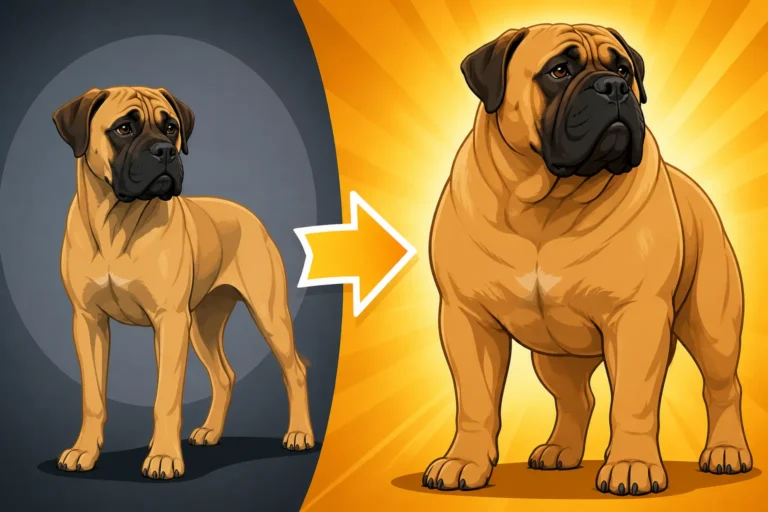
A Bullmastiff's weight can indirectly impact the severity of their skin folds and associated issues. While you want your Bullmastiff to be well-muscled and robust, an overweight dog can develop deeper, more pronounced skin folds across their body, including their face. Excess fat can make folds more prominent and even create new ones, increasing the surface area for moisture and debris to get trapped. Keeping a Bullmastiff Lean Is the Best Thing You Can Do for their joints and overall health also pays dividends for their skin health. A lean Bullmastiff typically has less exaggerated skin folds, making them easier to clean and less prone to moisture trapping.
Beyond weight, general hygiene plays a crucial role. This includes regular bathing, ensuring their coat is clean, and trimming their nails to prevent them from scratching at irritated areas. While Bullmastiffs don't require frequent bathing, a periodic bath with a gentle, moisturizing dog shampoo can help keep their skin healthy. However, always ensure their facial folds are thoroughly dried after any bath or swim to prevent moisture accumulation. Think about all aspects of their grooming, not just the folds, to contribute to a healthier skin environment overall.
Regular Health Check-ups and Early Detection
Routine veterinary visits are indispensable for early detection and prevention of many health issues, and lip fold dermatitis is no exception. While you're diligent with your daily cleaning, your veterinarian has a trained eye and the diagnostic tools to spot subtle changes or underlying issues that you might miss. How Often a Bullmastiff Needs a Wellness Exam is typically once a year for adult dogs, and more frequently for puppies and seniors.
During these check-ups, your vet can:
- Thoroughly Examine the Folds: They can meticulously inspect the folds, often lifting and stretching the skin in ways that might be difficult for you to do effectively at home. They'll check for signs of inflammation, infection, or abnormal growths.
- Discuss Your Routine: You can talk to your vet about your current cleaning methods and products. They can offer advice on improving your routine or recommend specific medicated wipes or solutions if needed.
- Address Underlying Conditions: If your Bullmastiff has chronic or recurring fold issues, your vet can investigate potential underlying causes, such as allergies. They might suggest allergy testing or dietary trials to pinpoint triggers.
- Provide Preventative Advice: Your vet can also offer advice on overall skin health, nutrition, and weight management, all of which contribute to preventing future problems with your Bullmastiff's lip folds.
By working closely with your vet and maintaining a consistent, proactive approach to your Bullmastiff's hygiene, you can ensure those beautiful, expressive faces stay healthy, clean, and free from unpleasant odors for years to come. It’s a small effort for such a big reward: a happy, comfortable companion by your side.
Disclaimer
This article is for general informational purposes only and does not constitute professional advice. Laws, prices and regulations vary by location and change over time. Consult a qualified professional for guidance on your specific situation.