Lymphoma Kills More Bullmastiffs Than Anything Else
One of the most heartbreaking realities of loving a Bullmastiff is facing their tragically short lifespan, often cut even shorter by an aggressive disease. For far too many of us, the time we get with these magnificent, devoted companions is simply not enough, and unfortunately, lymphoma is a primary reason for this profound loss. This comprehensive guide aims to shed light on why lymphoma devastates the Bullmastiff breed, how to recognize its insidious signs, navigate the diagnostic maze, understand treatment options, and cope with the immense emotional and financial burden this disease places on owners.
Understanding Lymphoma's Devastating Impact on Bullmastiffs
It's a conversation no Bullmastiff owner wants to have, but it's one we often face: the stark reality that our beloved giants are disproportionately susceptible to lymphoma. This isn't just a random occurrence; it's a deeply rooted issue within the breed that leaves countless families reeling.
Why Lymphoma Is So Prevalent in the Breed
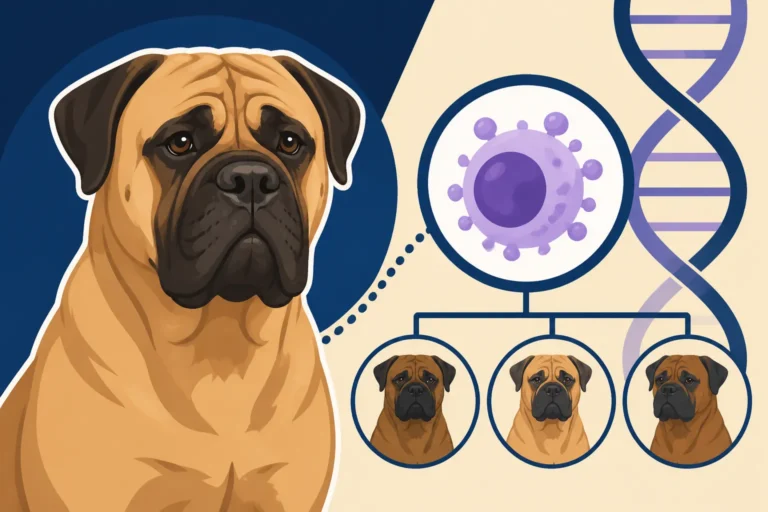
When you fall in love with a Bullmastiff, you're embracing a lineage with specific traits, both wonderful and challenging. Unfortunately, a propensity for certain cancers, particularly lymphoma, seems to be a significant part of their genetic blueprint. While specific genetic markers are still being researched and aren't fully understood, veterinary oncologists and breed enthusiasts alike acknowledge a clear trend. It's not just a few isolated cases; rather, the breed, as a whole, seems to carry an increased genetic risk for this particular type of cancer. This makes the statistics truly grim. For instance, some studies suggest that Bullmastiffs face a five-fold higher risk of lymphoma compared to a mixed-breed dog, a truly staggering difference. It’s a bitter pill to swallow, knowing that despite all your best efforts, your dog might be fighting an uphill battle from birth. This heavy genetic burden means that even with the most impeccable care and a wonderful life, a diagnosis can still strike. Understanding Why Bullmastiffs Carry So Much Lymphoma Risk is crucial for any owner, as it helps us prepare for and potentially mitigate the impact of this devastating disease.
The Heartbreaking Reality of Early Diagnoses
Perhaps one of the cruelest aspects of lymphoma in Bullmastiffs is its tendency to strike during what should be the prime of their lives. We often expect our dogs to live into their senior years, enjoying a long, comfortable retirement of napping and gentle walks. However, with Bullmastiffs, lymphoma frequently appears much earlier than anticipated, sometimes even before they reach their fifth birthday. Imagine, you’ve spent the formative years with your puppy, watching them grow into a magnificent, protective, and loving adult, only to be told they have a life-threatening illness when they should still be bounding with energy. This premature diagnosis steals away precious years, leaving owners feeling robbed and heartbroken. It’s not just the loss of time, but the loss of potential – the hikes you dreamed of taking, the quiet evenings you envisioned, the grandchildren you hoped they’d meet. This early onset means that for many Bullmastiff owners, the fight against cancer becomes an unexpected and profoundly challenging part of their dog's journey, making discussions around The Age Lymphoma Appears in a Bullmastiff particularly poignant.
Recognizing the Subtle Signs of Lymphoma in Your Bullmastiff
Bullmastiffs are stoic creatures by nature. They were, after all, bred to be silent guardians, and this inherent resilience often translates into a remarkable ability to hide discomfort or illness. This stoicism, while admirable, can make early detection of lymphoma incredibly challenging, adding to the frustration and worry for attentive owners.
Swollen Lymph Nodes and Where to Find Them
The most classic sign of lymphoma, and often the first tangible clue, is the enlargement of lymph nodes. These small, bean-shaped glands are part of the immune system and are found throughout the body. When they swell, it often indicates the body is fighting something, and unfortunately, with lymphoma, it's often the cancer itself proliferating within these nodes. Knowing Where a Bullmastiff's Swollen Nodes Are Felt First is key. The most accessible nodes to check are the submandibular nodes, located under the jaw on either side of the windpipe. Feel gently, moving your fingers just behind the angle of the jawbone. In a healthy dog, they should feel like small, soft beans, not much larger than a pea. With lymphoma, they can swell to the size of a grape, a walnut, or even larger, becoming firm and distinct.
Beyond the jaw, other palpable lymph nodes include the prescapular nodes (in front of the shoulders, at the base of the neck), the axillary nodes (in the armpits, though these are harder to feel), the inguinal nodes (in the groin area, just in front of the hind legs), and the popliteal nodes (at the back of the knee). Make it a routine to gently check these areas during your regular grooming or petting sessions. A lump that feels fixed, firm, and non-painful, especially in multiple locations, should raise immediate alarm bells. Don't dismiss it as just a fatty tumor, which can also be common in Bullmastiffs, as delaying veterinary attention can drastically impact prognosis. If you find anything suspicious, even if your dog seems otherwise fine, a prompt visit to the vet is absolutely non-negotiable.
Non-Specific Symptoms That Often Go Unnoticed
While swollen lymph nodes are often the hallmark, lymphoma doesn't always present so obviously, especially in its earlier stages or in certain forms. Many owners first notice subtle, non-specific symptoms that can easily be attributed to other minor ailments, or even just "being a Bullmastiff." Your dog might seem a little more tired than usual, perhaps taking longer naps or showing less enthusiasm for their daily walk. They might start leaving a few kibbles in their bowl, or refusing a treat they once adored. A gradual, unexplained weight loss can also be a red flag, as can a general "off" feeling where they just don't seem like their usual self.
More insidious signs can include difficulty breathing, especially if the lymphoma affects lymph nodes within the chest, or gastrointestinal upset if the cancer is in the abdominal organs. Some Bullmastiffs might develop a cough, or an increased thirst and urination if the cancer impacts calcium metabolism. The challenge here is that Bullmastiffs are masters of disguise when it comes to pain. They might still wag their tail, still lean into you for pets, but their energy levels are a whisper lower, their appetite slightly reduced, their eyes a touch less bright. It takes an observant owner, someone deeply attuned to their dog's unique quirks and routines, to pick up on these faint signals. Never hesitate to discuss these subtle changes with your veterinarian, even if they seem minor. Sometimes, these seemingly insignificant shifts are the very first Signs a Bullmastiff Has Lymphoma and warrant further investigation.
The Diagnostic Journey: What to Expect
Once you suspect something is wrong, the path to diagnosis can feel like a whirlwind of appointments, tests, and waiting. It’s an anxious time, filled with questions and the fear of the unknown. Understanding each step can help alleviate some of that stress and empower you to advocate for your Bullmastiff effectively.
Initial Vet Visit and Screening Tests
Your first stop will be your regular veterinarian. They’ll perform a thorough physical examination, feeling all the accessible lymph nodes, listening to your Bullmastiff's heart and lungs, and palpating their abdomen. If swollen lymph nodes are found, or if other symptoms strongly suggest cancer, your vet will likely recommend some initial screening tests. This typically includes a complete blood count (CBC) and a biochemistry panel. While these blood tests usually won't definitively diagnose lymphoma, they can provide clues about your dog's overall health, kidney and liver function, and detect abnormalities like anemia or elevated calcium levels, which can be associated with certain types of lymphoma.
For many Bullmastiffs, the journey starts with a simple, non-invasive procedure: a fine needle aspirate (FNA) of the suspicious lymph node. This involves inserting a very thin needle into the node and collecting a small sample of cells, which are then spread on a slide and examined under a microscope by a pathologist. An FNA is often the quickest and least expensive way to get a preliminary idea of what you’re dealing with. While it can often confirm lymphoma, sometimes the sample might not be conclusive, especially if the cells don't exfoliate well or if the node is reactive rather than cancerous. In such cases, your vet might recommend a more invasive procedure, but it's a critical first step in determining How Lymphoma Is Diagnosed in a Bullmastiff.
Biopsies and Staging for a Clearer Picture
If the fine needle aspirate is inconclusive or if a definitive diagnosis and subtype of lymphoma are needed, your veterinarian will likely recommend a surgical biopsy. This involves removing a piece of the affected lymph node, or sometimes the entire node, for histopathological examination. A surgical biopsy provides much more tissue for the pathologist to analyze, allowing them to not only confirm lymphoma but also determine its specific type (e.g., B-cell vs. T-cell lymphoma) and grade (low vs. high grade). This information is incredibly important because it dictates the most effective treatment protocol and influences the prognosis. While a biopsy is a more involved procedure, it provides the most accurate diagnosis, which is crucial for tailoring your Bullmastiff's care plan.
Once lymphoma is confirmed, the next vital step is "staging." Staging involves a series of tests to determine how far the cancer has spread throughout the body. This typically includes abdominal ultrasound to check the liver, spleen, and internal lymph nodes; chest X-rays to look for enlarged lymph nodes in the chest or fluid around the lungs; and sometimes bone marrow aspirates or biopsies if bone marrow involvement is suspected. The staging process helps categorize the lymphoma into stages I through V, with stage V being the most advanced. Understanding What Staging a Bullmastiff's Lymphoma Involves is crucial because it directly impacts the treatment recommendations and gives you a more realistic picture of your Bullmastiff's prognosis. This comprehensive approach ensures that you and your veterinary team have all the necessary information to make the most informed decisions for your beloved companion.
Navigating Treatment Options and Their Realities
Receiving a lymphoma diagnosis for your Bullmastiff is overwhelming, but understanding the available treatment paths can help you regain a sense of control. It's a journey filled with medical terms, difficult decisions, and a deep desire to give your dog the best chance possible.
Chemotherapy Protocols and Their Effectiveness
For most Bullmastiffs diagnosed with lymphoma, chemotherapy is the cornerstone of treatment. Unlike human chemotherapy, the goal in veterinary medicine is primarily to achieve remission and maintain a good quality of life, rather than outright cure. This often means less aggressive protocols with fewer and milder side effects. The most common and effective protocol for multicentric lymphoma (the most frequent type in dogs) is the CHOP protocol, named for the drugs involved: Cyclophosphamide, Hydroxydaunorubicin (Doxorubicin), Oncovin (Vincristine), and Prednisone. This protocol is typically administered over several months, with weekly or bi-weekly visits to the veterinary oncologist for injections and oral medications. Understanding How Many Weeks a Bullmastiff's Chemotherapy Runs is important for planning your schedule and financial commitment.
During chemotherapy, your Bullmastiff will likely experience some side effects, though generally less severe than in humans. These can include mild lethargy, temporary decreases in appetite, or occasional gastrointestinal upset (vomiting or diarrhea). Your oncology team will provide anti-nausea medications and other supportive care to manage these symptoms. The good news is that many Bullmastiffs tolerate chemotherapy remarkably well, often maintaining their playful personalities throughout treatment. The hope is to achieve remission, where the cancer cells are no longer detectable, and your Bullmastiff feels healthy and energetic again. While a complete cure is rare, achieving and maintaining remission can offer many months, and sometimes even years, of good quality life.
Palliative Care and Quality of Life Considerations
Chemotherapy isn't always the right choice for every Bullmastiff or every family. Sometimes, the lymphoma is too aggressive, the dog has other health issues, or the financial and emotional toll of intensive treatment is simply too much. In these situations, palliative care becomes the focus, aiming to maximize comfort and quality of life for the remaining time. One of the most common palliative approaches involves the use of corticosteroids, such as Prednisone. Prednisone can be incredibly effective at shrinking enlarged lymph nodes, reducing inflammation, and improving a dog's appetite and energy levels, sometimes dramatically. For a while, your Bullmastiff might feel much better, allowing for precious extra weeks or even a few months of good times. Understanding Whether Prednisone Alone Helps a Bullmastiff is crucial here. While Prednisone can offer significant relief, it typically does not offer a long-term solution. It's a fantastic tool for palliative care, but it usually doesn't prevent the progression of the disease in the same way multi-drug chemotherapy protocols might.
The decision to pursue palliative care is deeply personal and should be made in close consultation with your veterinarian. It often involves a combination of medication to manage pain, nausea, and other symptoms, along with dietary adjustments and a focus on creating a loving, low-stress environment. The goal is always to prioritize your Bullmastiff's comfort and happiness, ensuring their remaining days are filled with love, warmth, and as little suffering as possible. This approach validates the owner's desire to cherish every moment, even if it means choosing a path of comfort over aggressive treatment.
The Emotional and Financial Toll of Lymphoma Treatment
Caring for a Bullmastiff with lymphoma isn't just a medical undertaking; it’s an emotional marathon and a significant financial commitment. Owners often find themselves stretched thin, grappling with profound sadness while simultaneously navigating complex veterinary bills.
The High Costs of Oncology Care
Let’s be honest: owning a Bullmastiff, even a healthy one, isn't cheap. But when a cancer diagnosis like lymphoma enters the picture, the financial reality can be staggering. The diagnostic phase alone, with fine needle aspirates, biopsies, blood work, X-rays, and ultrasounds, can quickly run into thousands of dollars. Then, if you opt for chemotherapy, the costs escalate significantly. A typical CHOP protocol, which might involve weekly or bi-weekly treatments over several months, can easily cost between $5,000 and $10,000, and sometimes even more, depending on your location, the specific drugs used, and any complications. This doesn’t even include supportive care medications for nausea, pain management, or emergency vet visits if your Bullmastiff experiences severe side effects. The heartbreaking truth is that for many families, the sheer expense dictates their ability to pursue full treatment, forcing them to make impossible choices. It’s a harsh reality that adds immense stress to an already difficult situation. Knowing What Chemotherapy Costs for a Bullmastiff upfront helps prepare for these realities.
Supporting Your Bullmastiff and Yourself Through the Process
Beyond the financial strain, the emotional burden of a lymphoma diagnosis is immense. Watching your usually robust Bullmastiff go through treatments, seeing them tired or occasionally unwell, can be incredibly painful. You're constantly weighing their quality of life against the benefits of treatment, celebrating small victories like a good appetite day, and bracing yourself for setbacks. It’s a journey filled with anxiety, hope, grief, and sometimes, guilt. It’s crucial to remember that you’re doing your best for your beloved companion, and your feelings are valid.
This is where having a strong support system, both human and financial, can make a world of difference. Many owners find comfort in online support groups or by talking to friends and family who understand. From a financial perspective, pet insurance can be a literal lifesaver. Companies like Healthy Paws often cover a significant portion of cancer treatments, including diagnostics, chemotherapy drugs, and consultations with specialists, provided the policy was in place before the diagnosis. This can dramatically reduce the out-of-pocket expenses, allowing you to focus on your Bullmastiff's care rather than agonizing over every bill. For many, a good insurance plan, like one from Healthy Paws, isn't just about covering costs; it's about buying peace of mind and the freedom to pursue the best possible treatment without financial constraints becoming the primary barrier. Learning How a Bullmastiff Tolerates Chemotherapy can also help manage expectations and reduce anxiety for owners.
Prognosis, Recurrence, and Long-Term Outlook
No one wants to talk about prognosis when it comes to their beloved Bullmastiff, but understanding the typical course of lymphoma is essential for managing expectations and making informed decisions. It’s a disease often characterized by periods of hope followed by the harsh reality of recurrence.
Understanding Remission and Relapse
When your Bullmastiff undergoes successful chemotherapy, the goal is to achieve remission. Remission means that the visible signs of cancer, such as swollen lymph nodes, have disappeared, and your dog is feeling well and acting like their old self. It's a moment of immense relief and celebration, a brief return to normalcy. The length of remission, however, varies widely. For Bullmastiffs, with aggressive forms of lymphoma, the first remission typically lasts for several months, often between 6 to 12 months, although some dogs experience shorter or longer periods. It's important to savor these times, allowing your Bullmastiff to enjoy good quality of life and create more cherished memories.
Unfortunately, lymphoma is rarely cured, and most Bullmastiffs will eventually experience a relapse. This means the cancer has returned, and you'll likely see the familiar signs of swollen lymph nodes or other symptoms reappear. When a relapse occurs, your veterinary oncologist will discuss options for "rescue protocols," which are different chemotherapy drugs or combinations aimed at inducing a second remission. However, subsequent remissions are often shorter in duration and harder to achieve than the first. This cycle of remission and relapse is emotionally draining for owners, as it can feel like a constant battle. Knowing How Long Remission Lasts in a Bullmastiff helps owners prepare for the likelihood of the disease returning and plan for the next steps.
When to Say Goodbye: Making the Toughest Decision
Perhaps the most agonizing part of the lymphoma journey is knowing when to make the compassionate decision to say goodbye. This is a moment no pet owner ever wants to face, but it is an act of profound love. As the disease progresses, or after multiple relapses, your Bullmastiff’s quality of life will inevitably decline. They might become increasingly lethargic, lose their appetite consistently, struggle with pain despite medication, or simply no longer find joy in their favorite activities. Your veterinary oncologist and regular vet will help you assess these signs, often using a "quality of life scale" to objectively evaluate your Bullmastiff's daily experience. This scale considers factors like pain, appetite, hydration, hygiene, happiness, mobility, and how good days outweigh bad days.
The decision is deeply personal and fraught with emotion. It’s about ensuring your beloved companion doesn’t suffer unnecessarily. It’s about putting their needs before your own heartache. While it’s the hardest decision you’ll ever make, it is also the final, most selfless act of kindness you can offer. Knowing When Treatment Stops Being Right for a Bullmastiff is a painful but necessary realization that allows you to ensure their final moments are peaceful and surrounded by love.
Proactive Measures and Breeder Awareness
While lymphoma carries a strong genetic component in Bullmastiffs, there are still steps owners can take, and important questions to ask breeders, to potentially mitigate risk or at least be better prepared for this challenging disease.
The Role of Responsible Breeding and Health Screening
One of the most impactful proactive measures starts long before you bring a Bullmastiff puppy home: choosing a responsible breeder. A truly dedicated Bullmastiff breeder will be intimately familiar with the health challenges of the breed, including lymphoma. They should be transparent about the health history of their breeding dogs and their extended pedigrees, including any instances of cancer and the age of onset. They might not have all the answers, as the genetics of lymphoma are complex, but their willingness to discuss it openly is a good sign. Asking Whether Bullmastiff Breeders Track Cancer in Pedigrees is a crucial question. While there isn't a specific genetic test for lymphoma in Bullmastiffs yet, a breeder who tracks longevity and causes of death in their lines demonstrates a commitment to improving the breed's health.
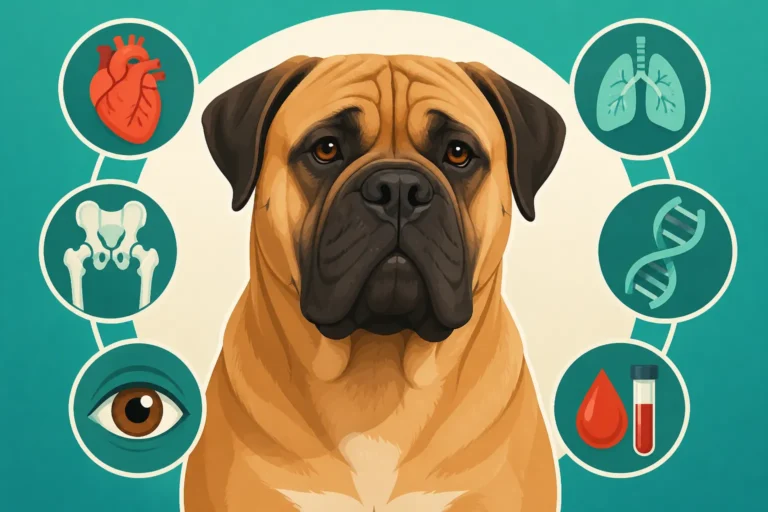
Furthermore, responsible breeders will perform other recommended health screenings for Bullmastiffs, such as hip and elbow evaluations, cardiac exams for subaortic stenosis, and thyroid testing. While these don't directly screen for lymphoma, they indicate a breeder who prioritizes overall health and temperament, which often correlates with more robust lines. It’s a sign that they are trying to produce the healthiest puppies possible, even in the face of widespread breed-specific health issues. Don't be shy about asking tough questions and expecting honest answers; a good breeder welcomes them.
Lifestyle Choices: Diet, Environment, and Early Detection
While genetics play a dominant role in lymphoma risk, lifestyle choices can contribute to overall health and potentially influence a dog's resilience. Feeding a high-quality, balanced diet appropriate for large breeds is fundamental. Avoid highly processed foods with questionable ingredients, and discuss any specific dietary concerns with your vet. Ensuring your Bullmastiff maintains a lean body weight throughout their life is also incredibly important for joint health and overall longevity. Limiting exposure to environmental toxins, such as pesticides, herbicides, and certain household chemicals, where possible, can also contribute to a healthier life.
Perhaps the most crucial lifestyle "choice" for an owner is committing to regular veterinary check-ups and being vigilant about changes in your Bullmastiff's health. Regular wellness exams, especially as your Bullmastiff ages, provide opportunities for your vet to perform thorough physical examinations and catch subtle changes early. Being proactive about these visits, and not just waiting until something is clearly wrong, can make a monumental difference in early detection. This includes performing your own regular checks for lumps and bumps, particularly swollen lymph nodes. If you identify anything unusual, prompt veterinary attention is key. Early detection of lymphoma, even with its challenging prognosis, can significantly impact the effectiveness of treatment and extend precious time. Having a pet insurance plan from a provider like Healthy Paws can empower you to act quickly on any suspicious symptom, knowing that the cost of diagnostics and potential treatment won't be an insurmountable barrier, thereby maximizing the chances of successful early intervention. Make it a habit to understand How Often a Bullmastiff Should Be Checked for Cancer and integrate those checks into your routine.
| Lymphoma Stage | Description | Typical Treatment Approach | Median Survival Time (approx.) |
|---|---|---|---|
| Stage I | Involves a single lymph node. | Surgery + Chemotherapy | 12-18 months |
| Stage II | Regional lymph nodes affected (e.g., all nodes in one limb or side of the body). | Chemotherapy (CHOP protocol) | 8-12 months |
| Stage III | Generalized lymph node enlargement throughout the body. | Chemotherapy (CHOP protocol) | 6-9 months |
| Stage IV | Stage III with liver and/or spleen involvement. | Chemotherapy (CHOP protocol) | 4-8 months |
| Stage V | Stage III/IV with bone marrow, blood, or other organ involvement (e.g., skin, GI). | Chemotherapy (often more aggressive initial protocols or palliative care depending on site) | 1-4 months (highly variable) |
This table provides a general overview, but individual prognoses can vary significantly based on the specific type of lymphoma (B-cell vs. T-cell), grade, and individual response to treatment.
Disclaimer
The information provided in this article is for educational and informational purposes only and does not constitute veterinary advice. Always consult with a qualified veterinarian for any health concerns or before making any decisions about your Bullmastiff's care.