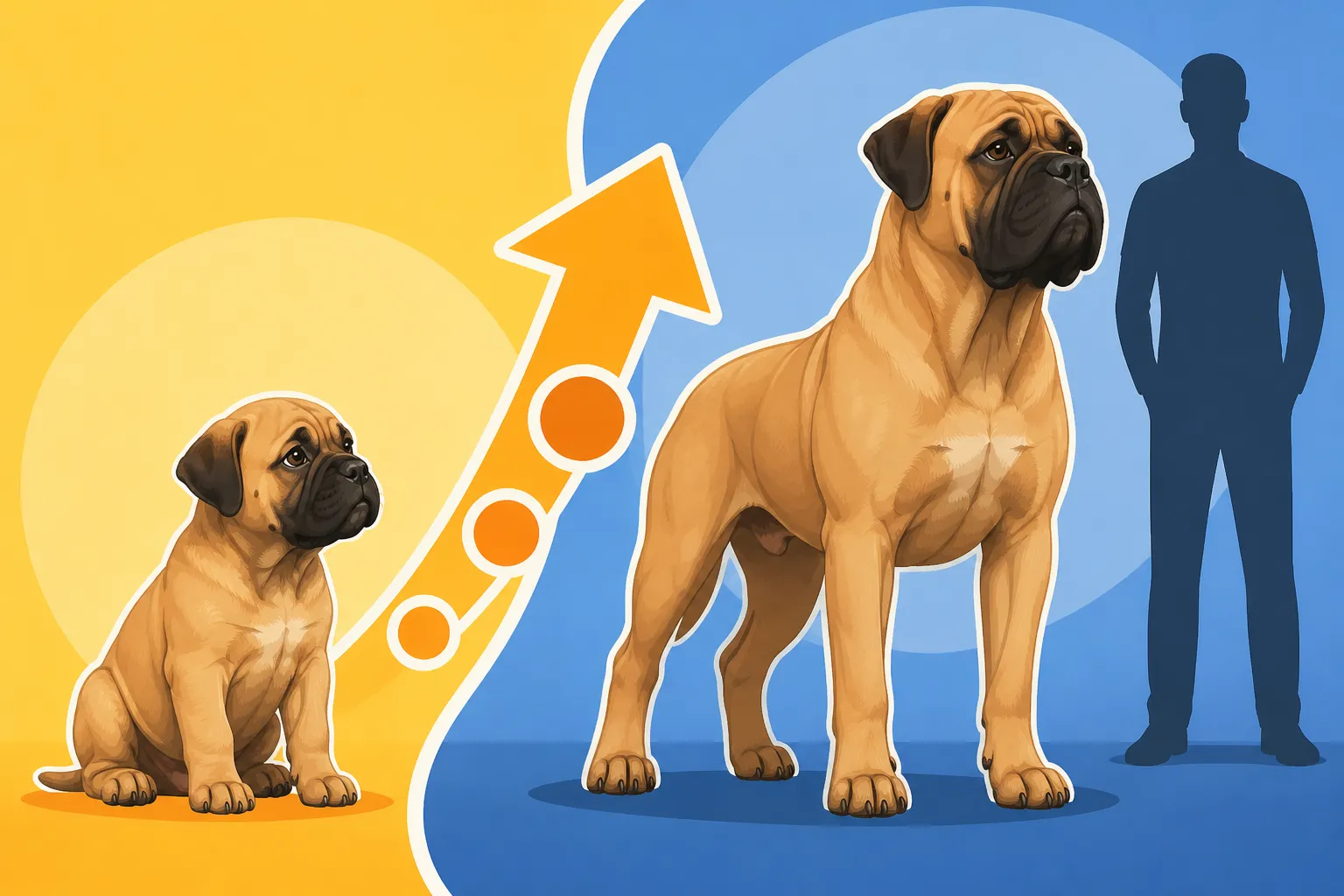
When a Bullmastiff Reaches Full Height
If you're raising a Bullmastiff puppy, you know the feeling: one day they're a tiny bundle of wrinkles, the next they're a rapidly growing, albeit clumsy, giant. It's completely natural to wonder just when your enormous companion will finally stop growing upwards and start filling out. This guide will walk you through the distinct stages of Bullmastiff growth, distinguishing between reaching full height and achieving their imposing adult bulk, so you know exactly what to expect and how to best support their development.
Understanding the Bullmastiff Growth Timeline
Watching a Bullmastiff puppy grow is like witnessing a small, furry tank gain momentum. They experience incredible growth spurts in their first year, which can be both exciting and a little bit nerve-wracking. Unlike many smaller breeds that hit their adult size around 12 months, Bullmastiffs, being a giant breed, have a much more extended development period.
The Initial Rapid Growth Phase: Puppyhood to Adolescence
From the moment you bring your Bullmastiff puppy home, typically around eight to ten weeks, their growth is astonishing. In these early months, they seem to double in size almost overnight. Their bones are lengthening rapidly, and they're gaining weight at an impressive rate. This period, roughly up to about six to eight months of age, is where most of their vertical growth occurs. You'll notice their legs getting longer, their bodies stretching out, and their paws looking comically large in comparison to the rest of them. It's a period of intense skeletal development. For a deeper dive into these early stages, you might find our article How Fast a Bullmastiff Puppy Grows particularly insightful.
During this phase, it’s crucial to manage their growth carefully. Too much rapid growth, especially in terms of weight, can put undue stress on their developing joints. This is why experienced breeders and veterinarians emphasize controlled nutrition and appropriate exercise for large breed puppies. It's not about making them huge as fast as possible; it's about fostering slow, steady, and healthy development.
Reaching Full Height: A General Timeframe
For most Bullmastiffs, they will largely reach their full adult height by around 12 to 18 months of age. That's typically when their long bones have finished extending. While they might still add a tiny fraction of an inch here and there, the significant vertical growth has usually concluded. At this point, they'll often look a bit gangly, almost like an awkward teenager who's shot up too fast and hasn't quite caught up to their own frame. They'll have their impressive height, but they won't yet possess the deep chest and broad, powerful build that is characteristic of the mature Bullmastiff.
Keep in mind that individual dogs can vary. Some might be early bloomers, hitting their height closer to a year, while others might take a few more months. Females generally mature a bit faster than males, often reaching their full height a little earlier. Observing their parents, if you have that information, can sometimes give you a rough idea of their genetic predisposition for growth timing.
The Difference Between Height and "Filling Out"
This is where many first-time Bullmastiff owners get a little confused, and understandably so! There's a big difference between a dog reaching its mature height and truly "filling out" into the powerful, imposing presence that defines the breed. Your Bullmastiff might be tall, but they won't look like a fully grown adult until much later.
The Adolescent "Lanky" Stage
Imagine a human teenager who's grown six inches in a year – they're tall, but still lean, all arms and legs, perhaps a bit clumsy. Your Bullmastiff goes through a very similar phase. From roughly 12 months up to two years, and sometimes even a bit beyond, they're in what we call their "lanky" adolescent stage. They've largely achieved their height, but their bodies are still developing. Their muscles haven't fully ripened, their chests haven't completely sprung, and their bone density is still increasing.
During this time, while they are physically large, they might not appear as powerful or substantial as the adult Bullmastiffs you see in pictures. This is perfectly normal! They are still consolidating their frame. It’s important not to try and force them to gain weight during this stage, as it can be detrimental to their long-term joint health. Patience is key as they grow into their body. You can get a sense of their weight progression by checking What a Bullmastiff Weighs at Six Months.
When the Bullmastiff Truly "Fills Out"
The real transformation into a fully mature Bullmastiff—the development of their impressive breadth, musculature, and deep chest—typically takes place between two and three years of age. Some Bullmastiffs might even continue to broaden and deepen a little past their third birthday. This is when their skeletal structure becomes more dense, their muscles develop fully, and they achieve that characteristic powerful, robust look. It’s a slow, steady process of maturation that requires time.
Think of it this way: a one-and-a-half-year-old Bullmastiff might stand as tall as a three-year-old, but the older dog will look significantly more substantial, with a more developed head, a broader chest, and a more defined musculature. This "filling out" phase is what truly defines the adult Bullmastiff silhouette. Our article When a Bullmastiff Fills Out delves deeper into this fascinating aspect of their development.
Factors Influencing a Bullmastiff's Growth
While genetics play a huge role in determining your Bullmastiff's ultimate size and the timing of their growth, several other factors can significantly influence how they develop. Understanding these can help you support your dog's healthy maturation.
Genetics and Breed Lines
Just like people, Bullmastiffs inherit their genetic blueprint from their parents. If your puppy comes from a line of exceptionally large or very slow-maturing Bullmastiffs, there's a good chance your dog will follow a similar pattern. A responsible breeder will be able to share information about the size and growth patterns of the parents and even grandparents. This genetic predisposition sets the general parameters for their final height and weight, but it's not the only piece of the puzzle. It's why Which Health Tests a Bullmastiff Breeder Should Run is so important.
The individual variation within the breed means that even littermates can have slightly different growth curves. Some might hit their height a bit sooner, while others might take longer to fill out. These nuances are a natural part of canine development.
Nutrition and Diet Quality
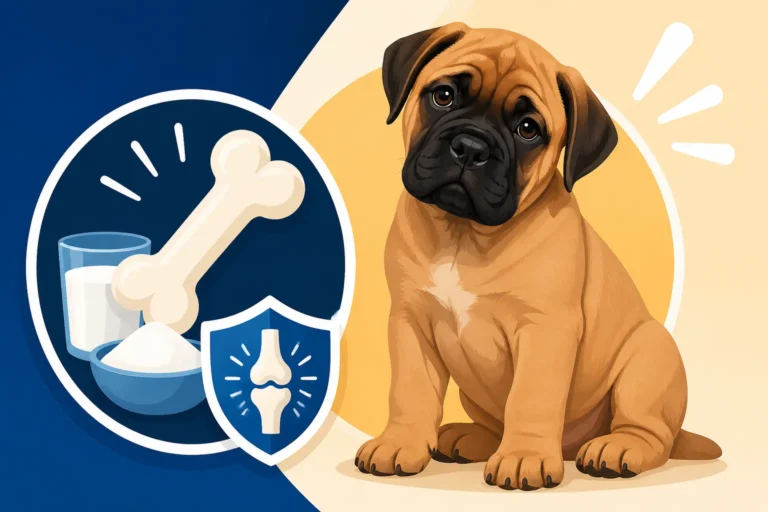
Perhaps the most impactful external factor on a Bullmastiff's growth is their nutrition. Giant breed puppies require a very specific diet formulated to promote slow, controlled growth. Feeding a regular puppy food, which is often higher in calories and certain minerals like calcium, can lead to excessively rapid growth in a large breed. This accelerated growth puts immense stress on their developing bones and joints, increasing the risk of orthopedic problems like hip and elbow dysplasia later in life. This is why Why a Bullmastiff Puppy Should Not Grow Fast is a critical read for any Bullmastiff owner.
Look for high-quality large breed puppy formulas that specify appropriate calcium-to-phosphorus ratios and moderate protein levels. Brands like Ollie and options found on Chewy often have large-breed specific formulas that are excellent choices. These diets are carefully balanced to support strong, healthy bone development without promoting dangerous growth spurts. Transitioning to an adult large breed food at the appropriate time, typically around 12 to 18 months, is another key nutritional consideration. You can learn more about their early diet in What a Bullmastiff Puppy Eats at Four Months.
Exercise and Activity Levels
While exercise is vital for a Bullmastiff's overall health and mental well-being, too much or the wrong kind of exercise can be detrimental during their growth phases. High-impact activities like excessive running, jumping, or intense agility training should be avoided, especially in puppies and adolescents. Their growth plates, the soft areas at the ends of their bones where growth occurs, are very vulnerable to injury until they close, which happens around 12 to 18 months.
Controlled, moderate exercise like leash walks, gentle play, and supervised romps in a soft yard are ideal. The goal is to build muscle tone and promote healthy joint function without putting excessive strain on their developing skeletal system. Forcing a young Bullmastiff to run long distances or jump repeatedly before their growth plates are closed can lead to serious, lifelong orthopedic issues. Understanding The Exercise Limit for a Bullmastiff Puppy is essential for their long-term health.
Spaying and Neutering Timing
The timing of spaying or neutering can also have an impact on a Bullmastiff's growth and overall skeletal development. Research suggests that for large and giant breeds, waiting to spay or neuter until after growth plates have closed (often around 18-24 months or even later) can be beneficial. Sex hormones play a role in the closure of growth plates. Removing these hormones too early can delay the closure of growth plates, potentially leading to taller dogs with different bone structures, which some believe may increase the risk of certain orthopedic conditions.
This is a complex topic with ongoing debate among veterinarians and breeders. Discussing the pros and cons of early vs. late spay/neuter with your veterinarian, considering your specific dog's development and lifestyle, is crucial. Our article Whether a Bullmastiff Should Be Neutered Late offers further insights into this decision.
Caring for Your Growing Bullmastiff
Supporting a Bullmastiff through their growth journey requires consistent care, keen observation, and proactive management of their health and environment. Their size and developmental timeline mean they have unique needs that differ significantly from smaller breeds.
Monitoring Weight and Body Condition
Keeping your Bullmastiff lean throughout their growth is paramount. It’s easy to think a big puppy should be chunky, but excess weight puts enormous strain on their rapidly developing joints, hips, and elbows. You should be able to easily feel your Bullmastiff’s ribs without seeing them protruding, and they should have a discernible waist when viewed from above.
Regular vet check-ups are essential to monitor their weight and ensure they are on a healthy growth curve. Your vet can provide guidance on appropriate feeding amounts and help you assess their body condition score. Don't fall into the trap of overfeeding or believing a "chunky" puppy is a healthy one. Being lean is one of the best things you can do for their long-term joint health and overall longevity. Keeping a Bullmastiff Lean Is the Best Thing You Can Do offers valuable advice on maintaining an ideal weight for your Bullmastiff.
Nutritional Support and Appropriate Feeding
As mentioned, a high-quality large breed puppy food is non-negotiable for their first 12-18 months. These specialized formulas ensure they get the right balance of nutrients without over-accelerating growth. Brands available on platforms like Chewy and Ollie make it convenient to find and order these specific diets. Once they transition to adult food, continue with a large breed formula.
Consider using a slow-feeder bowl, readily available on Amazon, especially if your Bullmastiff tends to gulp down their meals. This can help reduce the risk of bloat, a life-threatening condition that giant breeds are prone to. Feed multiple smaller meals throughout the day rather than one large one to aid digestion and again, reduce bloat risk.
Joint Health and Environmental Considerations
Given their propensity for orthopedic issues, proactive joint care is vital. Provide your Bullmastiff with ample, comfortable, and supportive bedding from a young age. Orthopedic beds with dense foam can help cushion their joints and prevent pressure sores, especially in those heavy elbows and hips. You can find excellent options for giant breeds on Amazon. Bedding and Joints for a Hundred and Thirty Pound Bullmastiff explores the importance of good sleeping arrangements.
Ensure they have good traction on indoor surfaces. Slippery floors like tile or hardwood can be challenging for growing puppies and can lead to splaying, falls, and potential injury to their still-developing ligaments and joints. Consider rugs or runners in high-traffic areas. Minimize activities that involve repetitive jumping or hard landings, particularly during their growth phases. A general veterinary consensus points to a median lifespan around The Median Bullmastiff Lives Eight and a Half Years, making early joint care a significant factor in their quality of life.
Ongoing Veterinary Care
Regular veterinary check-ups are not just for vaccinations. These visits allow your vet to monitor your Bullmastiff's growth, discuss any concerns you might have, and catch potential health issues early. Your vet can advise on appropriate supplements if needed, and confirm when growth plates have closed, signaling it might be safer to consider more strenuous activities or spay/neuter surgery.
A comprehensive approach to care, focusing on slow, steady growth, appropriate nutrition, controlled exercise, and environmental support, will give your Bullmastiff the best chance to grow into a healthy, robust, and magnificent adult, ready to be your devoted companion for years to come.
Disclaimer
This article is for general informational purposes only and does not constitute professional advice. Laws, prices and regulations vary by location and change over time. Consult a qualified professional for guidance on your specific situation.