How to Put a Bullmastiff on a Diet
It’s a scenario many Bullmastiff owners know all too well: you look at your beloved giant, and suddenly, those extra pounds that crept on so subtly are undeniable. It's easy for these magnificent, heavy-boned dogs to become a bit too hefty, and then the worry sets in about their health and comfort. This guide is here to walk you through the practical, empathetic, and safe steps to put your Bullmastiff on a diet, focusing on their long-term well-being without making them feel deprived.
Understanding Why Your Bullmastiff Might Be Overweight
It’s truly incredible how quickly extra weight can accumulate on a large breed like a Bullmastiff. One day they're a sleek, powerful companion, and the next, you're noticing a distinct lack of a waistline. This isn't usually a reflection of poor care, but rather a common challenge that comes with owning such a big, loving dog who excels at convincing you they're always hungry. Understanding the root causes is the first step toward a healthier future.
The Silent Creep of Extra Pounds
Bullmastiffs are naturally substantial dogs, so it can be genuinely hard to tell when their weight shifts from "impressively solid" to "definitely overweight." Their deep chests and broad frames can mask a thickening midsection for a long time. You might not notice the subtle changes until their mobility seems a little off, or they're panting a bit more after a short walk. This slow, almost invisible accumulation of fat is often why owners don't realize there's an issue until it's become quite pronounced. Don't beat yourself up if you're in this boat; you're not alone, and it's a very common experience.
The heavy build of a Bullmastiff also means that just a few extra pounds on their frame can translate to significant stress on their joints, heart, and other organs. While a few pounds on a Chihuahua might be negligible, the same amount on a 120-pound Bullmastiff represents a much larger percentage of their ideal body weight. It's a critical difference that directly impacts their quality of life and lifespan. You can learn more about how to assess this with Signs a Bullmastiff Is Overweight.
Common Culprits: Diet and Exercise Imbalance
For most Bullmastiffs, the extra weight usually boils down to a simple equation: too many calories in, not enough calories out. Many of us are guilty of overfeeding, often unknowingly. We scoop food from a bag without truly measuring, or we use a "cup" that's actually larger than a standard eight-ounce measuring cup. Those innocent-looking handfuls of treats, table scraps shared under the dinner table, or even just leaving a bowl out for free-feeding can quickly add up to hundreds of excess calories each day.
On the exercise front, while Bullmastiffs aren't hyperactive dogs, they do need consistent, moderate activity. If their daily walks become shorter, or if they spend more time lounging than moving, the caloric deficit needed to maintain a healthy weight disappears. It's a delicate balance, and sometimes life gets busy, or the weather doesn't cooperate, and those daily movements start to dwindle. Remember that Bullmastiffs are prone to overheating, so exercise must be carefully managed, especially in warmer climates, but that doesn't mean no exercise.
Underlying Health Issues to Rule Out
While diet and exercise are the most common culprits, sometimes there's more to the story. Certain health conditions can contribute to weight gain, making it incredibly difficult for your Bullmastiff to shed pounds, even with diligent efforts. Hypothyroidism, where the thyroid gland doesn't produce enough hormones, is a prime example. This condition can slow metabolism, leading to weight gain, lethargy, and a dull coat. It's one of the reasons a vet check-up is so vital before embarking on any serious weight loss plan.
Another factor could be developing joint pain. If your Bullmastiff is quietly struggling with hip dysplasia or elbow dysplasia, they might naturally reduce their activity levels to avoid discomfort. Less movement means fewer calories burned, and a cycle of weight gain can begin. This pain can be subtle, as Bullmastiffs are notoriously stoic, so what appears as laziness might actually be a quiet plea for help. Exploring How Hypothyroidism Presents in a Bullmastiff and How a Bullmastiff Hides Pain can give you more insight into these possibilities.
The Vet Visit: Your First Crucial Step
Before you change a single kibble, the very first and most important step is a visit to your veterinarian. This isn't just about getting a number on a scale; it's about getting a comprehensive health assessment to ensure any weight loss plan is safe, effective, and tailored specifically for your Bullmastiff's unique needs. Skipping this step can lead to frustration, or worse, unintended health consequences for your beloved dog.
Getting an Accurate Assessment
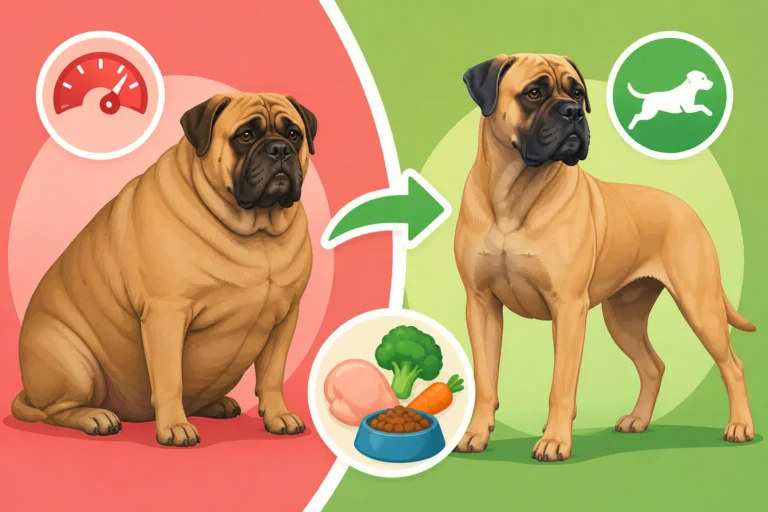
Your vet will do a lot more than just weigh your Bullmastiff. They'll perform a thorough physical examination, feeling for fat pads, muscle mass, and assessing their overall body condition score (BCS). This score, often on a scale of 1 to 9 (with 5 being ideal), is a much more accurate indicator of a dog's health than just their numerical weight, especially for a breed like the Bullmastiff where weight ranges can be quite broad. They'll be able to tell you if your Bullmastiff needs to lose weight, and if so, how much. You might be surprised to learn that their ideal weight is often leaner than what we've become accustomed to seeing. Knowing What a Lean Bullmastiff Looks Like can help you visualize the goal.
Beyond the physical exam, your vet might recommend blood tests to rule out underlying medical conditions like hypothyroidism or other metabolic issues that could be contributing to the weight gain. This is a critical step because if there's an undiagnosed medical problem, simply reducing food won't solve the issue, and could even exacerbate it. They might also check for signs of arthritis or joint pain, which could impact the type and intensity of exercise your Bullmastiff can safely undertake.
Crafting a Tailored Weight Loss Plan
With a complete picture of your Bullmastiff's health, your vet can then help you craft a truly individualized weight loss plan. This isn't a one-size-fits-all approach. They'll advise you on a safe and appropriate target weight and a realistic timeline for reaching it. Rapid weight loss can be dangerous, especially for large breeds, so a slow and steady approach is always best. Your vet will likely recommend a specific caloric intake based on your dog's ideal weight, activity level, and any health conditions.
They might also suggest a change in diet, recommending specialized weight management foods that are lower in calories and fat but still provide essential nutrients and fiber to help your Bullmastiff feel full. These diets are formulated to support muscle mass while encouraging fat loss. Alternatively, they might provide guidelines for adjusting the portions of your current food. Remember, their advice is gold here, as they have the medical knowledge to guide you safely.
Discussing Realistic Goals and Timelines
It's tempting to want to see immediate results, but putting a Bullmastiff on a diet is a marathon, not a sprint. Your vet will help you set realistic goals, usually aiming for a gradual weight loss of about 1-2% of their body weight per week. For a Bullmastiff that needs to lose 20 pounds, this could mean several months of consistent effort. This slow and steady approach minimizes muscle loss, prevents nutritional deficiencies, and is much safer for their organs and metabolism.
It's also important to discuss potential challenges. What if your Bullmastiff is always hungry? What if they're particularly resistant to exercise? Your vet can offer strategies and encouragement, and sometimes, simply knowing what to expect can make the journey feel less daunting. Think of your vet as your ultimate partner in this process, there to support you every step of the way as you work towards Keeping a Bullmastiff Lean Is the Best Thing You Can Do.
Implementing the Diet: Practical Steps at Home
Once you have your vet's guidance and a clear plan, it's time to put it into action at home. This is where consistency, careful measurement, and a little creativity come into play. It’s about more than just less food; it’s about a lifestyle adjustment for both you and your Bullmastiff.
Re-evaluating Food and Portions
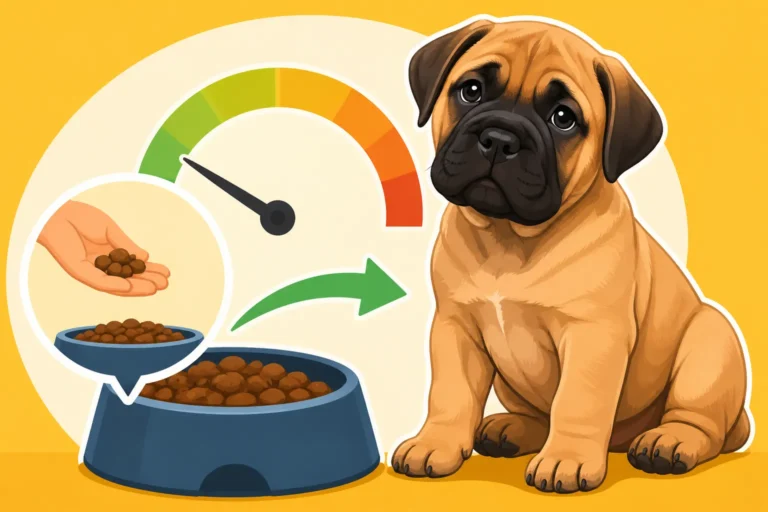
The cornerstone of any weight loss plan is controlling caloric intake. If your vet recommended a specific weight management diet, make the switch gradually over a week or so to avoid upsetting your Bullmastiff's stomach. Once on the new food, or if you're sticking with your current one at reduced portions, precise measurement is absolutely non-negotiable. Throw out the old coffee scoop or generic plastic cup and invest in a proper measuring cup that holds exactly 8 ounces of dry food. Better yet, consider a kitchen scale to measure food by weight, which is far more accurate than volume. Many dry kibbles, especially those available from retailers like Chewy or Amazon, will list feeding guidelines by weight.
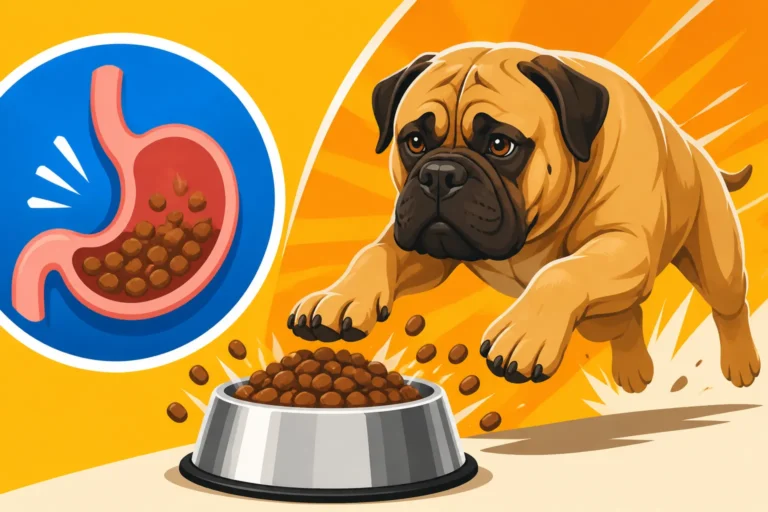
Divide your Bullmastiff’s daily food allowance into at least two meals, possibly three if it helps them feel fuller throughout the day and manages hunger better. This can also help reduce the risk of bloat, a serious concern for deep-chested breeds. If your Bullmastiff tends to "bolt" their food, a slow feeder bowl can be incredibly helpful. It makes them work a bit for their meal, extending mealtime and promoting a feeling of satiety. Remember, consistency is key—everyone in the household needs to be on board with the new feeding regimen.
Smart Snacking: Treats and Table Scraps
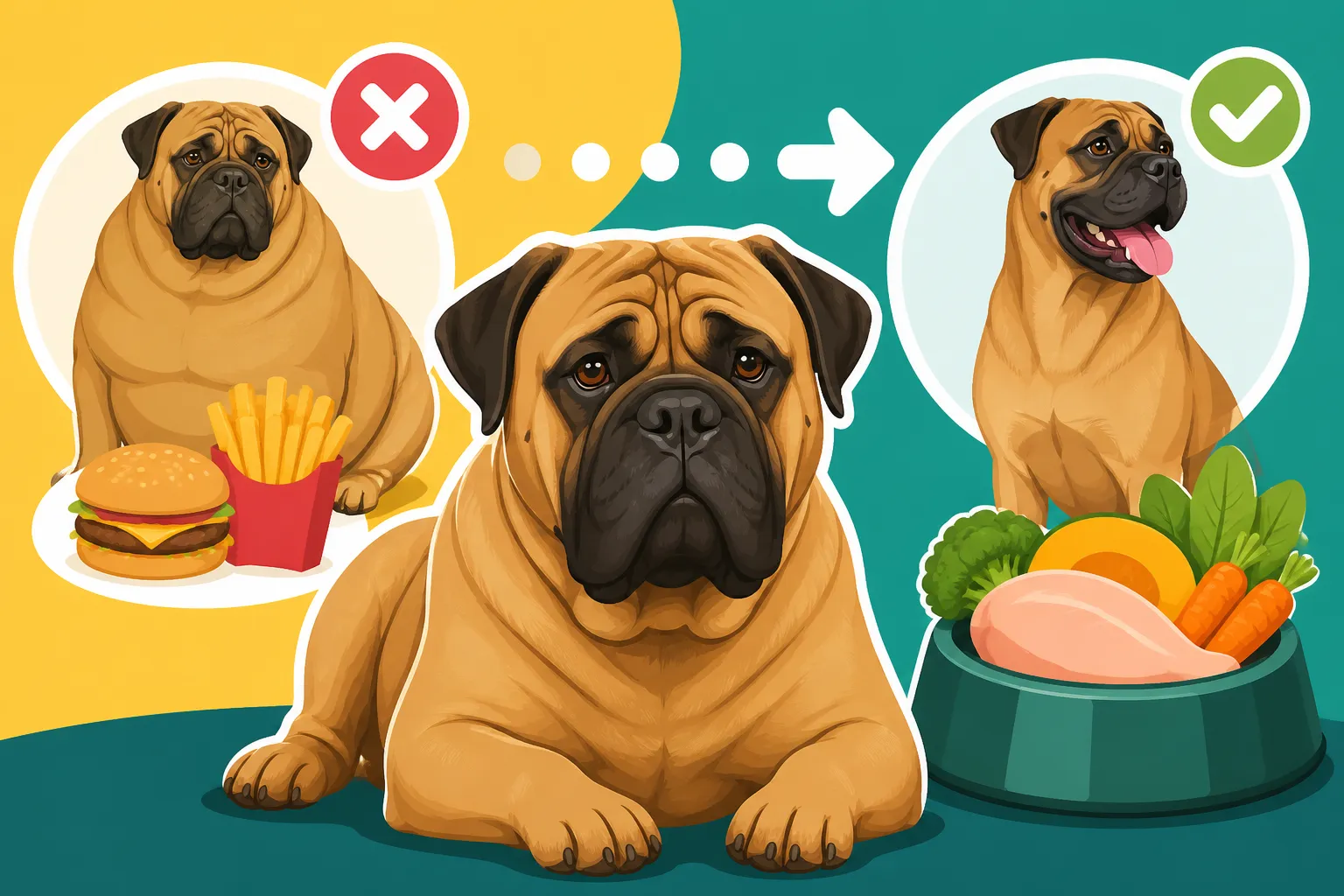
This is often the hardest part for owners, because we love to spoil our dogs! However, those extra treats and table scraps can quickly derail a diet. The easiest rule to adopt is: absolutely no table scraps. Period. Even small amounts of human food, especially fatty or sugary items, can add hundreds of calories and aren't nutritionally balanced for dogs. As for treats, they shouldn't account for more than 10% of your Bullmastiff's daily caloric intake. This is where smart substitutions come in.
Instead of high-calorie biscuits, offer low-calorie, healthy alternatives. Plain green beans (canned, no salt added), baby carrots, cucumber slices, or apple slices (without seeds) can be fantastic, crunchy rewards that provide fiber without the caloric burden. Some commercial treats, like those from "Ollie" or other natural food brands, offer lower-calorie options, but always check the label. You can also use a portion of their daily kibble as training treats throughout the day. This way, they still get rewarded, but it's already accounted for in their diet. Using food puzzles or Kongs stuffed with a small amount of their kibble or pureed pumpkin can also make a little go a long way and provide mental enrichment.
Increasing Activity Safely
While diet is paramount for weight loss, increasing activity supports metabolism and muscle retention. However, with a Bullmastiff, "increasing activity" doesn't mean marathon runs or agility courses, especially if they are overweight or have underlying joint issues. Controlled, low-impact exercise is the name of the game. Start with longer, more frequent walks at a moderate pace. Instead of one 20-minute walk, try two 30-minute walks. Pay attention to the weather; Bullmastiffs can overheat easily, so avoid the hottest parts of the day, particularly in summer. Understanding Why a Bullmastiff Overheats So Easily is vital here.
Swimming can be an excellent, low-impact exercise for Bullmastiffs, as it's easy on their joints and a great way to cool down. Always supervise them closely. If walking on a leash is challenging due to their size or your strength, a sturdy, well-fitting harness can make a huge difference, allowing for better control and less strain. Remember to gradually increase the duration and intensity of exercise, always listening to your Bullmastiff's cues. If they're lagging, panting excessively, or showing signs of discomfort, it's time for a break.
Monitoring Progress and Staying Motivated
You've started the diet, adjusted the treats, and got your Bullmastiff moving more. Now comes the important part: tracking their progress and staying positive through the ups and downs. Weight loss is rarely a linear journey, and patience is a virtue, especially with a large breed.
Regular Weigh-Ins and Body Condition Checks
Consistency in monitoring is crucial. Schedule regular weigh-ins, ideally on the same scale at the same time of day. Your vet can show you how to use their scale, or you might invest in a large, sturdy pet scale or weigh yourself, then yourself holding your Bullmastiff, and subtract the difference (though this becomes tricky with a 100+ pound dog!). Every two to four weeks is a good frequency to track trends without becoming obsessive. Don't be discouraged by small fluctuations; what matters is the overall downward trend. You can find more details on How Often a Bullmastiff Should Be Weighed.
Between vet visits, get comfortable performing a body condition score check at home. You should be able to easily feel your Bullmastiff's ribs with light pressure, almost like feeling the knuckles on your hand when it's flat. Their waist should be visible from above, and there should be an abdominal tuck when viewed from the side. If you can’t easily feel the ribs or see a waist, they likely still have weight to lose. This hands-on assessment is often more informative than the number on the scale.
Adjusting the Plan as Needed
Weight loss is not always a straightforward path. There might be plateaus where your Bullmastiff's weight seems to stall despite your best efforts. This is normal! Their metabolism adjusts, and sometimes a slight tweak to the diet or exercise plan is necessary. Don't hesitate to reach out to your vet if you hit a plateau or have concerns. They can advise whether to slightly reduce calories further, increase exercise, or explore other factors.
Your Bullmastiff's caloric needs will also change as they lose weight. A lighter dog requires fewer calories to maintain their new, healthier weight. Your vet will help you make these adjustments so you can slowly transition your Bullmastiff to a maintenance diet once they reach their ideal weight. This continuous feedback loop with your vet ensures the plan remains safe and effective throughout the entire process.
Celebrating Milestones and Maintaining the New Lifestyle
Every pound lost, every extra minute walked, every healthier treat chosen—these are victories! Celebrate these milestones with your Bullmastiff (perhaps with an extra-long cuddle or a new puzzle toy, not food!). It takes immense dedication to help a large dog like a Bullmastiff lose weight, and your efforts are making a huge difference in their health and longevity. It's a testament to your love and commitment.
The goal isn't just to lose weight, but to establish a sustainable, healthier lifestyle. This means continuing precise portion control, offering healthy treats, and maintaining a consistent exercise routine indefinitely. Once your Bullmastiff reaches their ideal weight, transitioning to a "maintenance" diet will involve finding the right balance of food and exercise to keep them there. This commitment to their well-being will significantly improve their comfort, vitality, and potentially add valuable years to their life. You're giving them the gift of a healthier, happier future.
Disclaimer
This article is for general informational purposes only and does not constitute professional advice. Laws, prices and regulations vary by location and change over time. Consult a qualified professional for guidance on your specific situation.