How a Bullmastiff’s Hair Shows on Furniture
Anyone who shares their home with a magnificent Bullmastiff knows the struggle: you look away for one second, and suddenly, your sofa is covered in a fine layer of dog hair that seems to have materialized out of thin air. It’s a common frustration for Bullmastiff owners, who often find themselves battling a never-ending tide of fur on their furniture, clothes, and pretty much every surface. This guide is here to help you understand why your Bullmastiff's hair seems to cling to everything and, more importantly, what you can do to manage the situation and keep your home feeling a bit less like a fur farm.
Understanding the Bullmastiff Coat and Shedding Patterns
Let's be real, no dog is truly "non-shedding," and our big Bullmastiffs are no exception. Their coat, while short, is quite dense, and it sheds more than many people anticipate. Understanding the nature of their fur is the first step in tackling the hair problem head-on.
The Bullmastiff's Unique Coat Texture
A Bullmastiff's coat is short, dense, and feels quite coarse to the touch, especially compared to some softer-coated breeds. This isn't a fluffy, airy type of hair that floats around gently like a dandelion seed. Instead, it's a sturdier strand, designed to protect them from the elements when they were originally guarding estates. Because the individual hairs are relatively straight and stiff, they have a tendency to embed themselves into fabric rather than just resting on the surface. This is particularly true for items like upholstery, carpets, and blankets, making them feel like Velcro for Bullmastiff fur. You might run your hand over your favorite armchair, and while it looks clear, a closer inspection or a sticky roller reveals a carpet of tiny, stubborn hairs. What you feel when you pet them is a testament to What a Bullmastiff's Coat Should Feel Like.
Seasonal Shedding vs. Year-Round Hair Loss
While Bullmastiffs are often touted as moderate shedder, the reality for many owners is that they shed consistently. You might find yourself thinking, "Is it always shedding season?" The answer is often yes, but there are definitely peak times. Like many breeds, Bullmastiffs tend to "blow their coat" more significantly in spring and fall. In the spring, they're shedding their denser winter undercoat to prepare for warmer weather, and in the fall, they shed their lighter summer coat to make way for a thicker one. During these periods, the amount of hair you find on your furniture can feel overwhelming. However, even outside these seasons, daily hair loss is a fact of life. Environmental factors, diet, and even stress can influence the rate of shedding, meaning you're always going to find some of their signature short, stiff hairs around the house. You can learn more about this by checking out How Much a Bullmastiff Sheds.
Why Their Hair Is So Noticeable
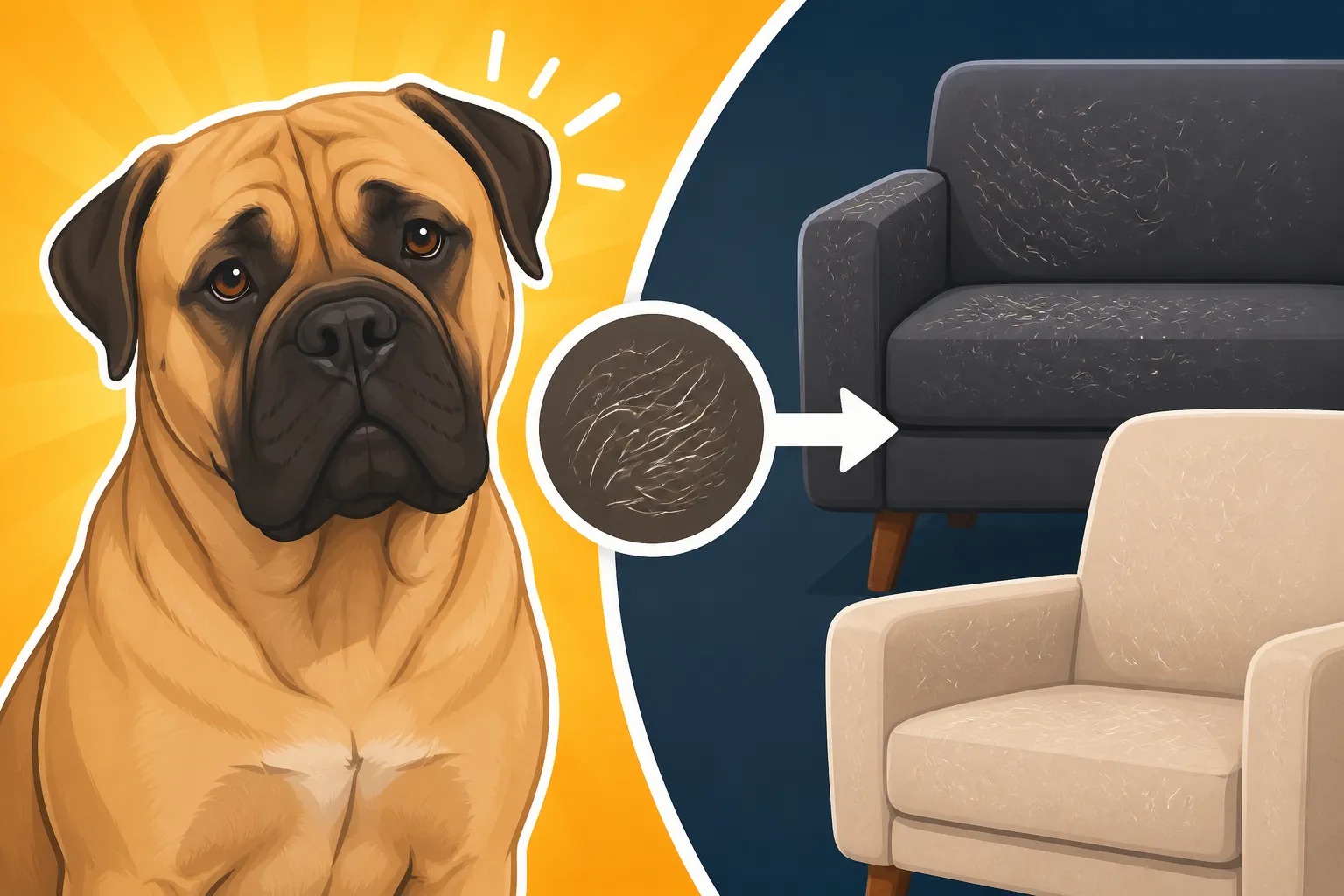
The color of your Bullmastiff’s coat plays a huge role in how visible their shedding is. Most Bullmastiffs come in fawn, red, or various shades of brindle, all of which are earthy tones. If your furniture happens to be a contrasting color – say, a dark gray sofa with a fawn Bullmastiff, or a light-colored rug with a deep red brindle – every single hair will stand out like a beacon. Even if your furniture matches their coat somewhat, the sheer volume of hair means it's hard to miss.
Moreover, the short, stiff nature of their hair means it doesn't just sit on surfaces; it often gets woven into the fibers of fabric. This embedding makes it incredibly difficult to remove with just a quick brush or vacuum. You'll notice it clinging to throw pillows, embedded in blankets, and creating a soft, fuzzy texture on any surface your Bullmastiff has decided to nap on. It becomes a constant reminder of their presence, even when they're not in the room.
How Bullmastiff Hair Appears on Different Furniture Types
The way Bullmastiff hair presents itself can vary wildly depending on the type of furniture it lands on. It’s not just about visibility; it’s about how it interacts with the material, making removal a unique challenge for each.
Fabric Upholstery: The Hair Magnet
Fabric upholstered furniture – think sofas, armchairs, and decorative pillows – are often the biggest culprits when it comes to collecting Bullmastiff hair. The weave of the fabric acts like a series of tiny hooks, perfectly designed to trap and hold onto those short, coarse hairs.
- Velvet and Microfiber: These materials, while soft and luxurious to the touch, are notorious for attracting and holding pet hair. The dense, short pile of velvet, or the fine fibers of microfiber, literally grab onto the hairs, making them embed deeply. You'll often see a visible "sheen" of hair that can only be removed with significant effort.
- Cotton and Linen Blends: While perhaps not as magnetic as velvet, these natural fibers still collect plenty of hair. The looser weave of some cottons can allow hairs to work their way into the fabric, becoming intertwined with the threads. It might not look as dense as on microfiber, but the hairs are still there, often requiring specific tools for removal.
- Textured Fabrics: Anything with a nubby or textured surface will be a nightmare. Those raised patterns and varied weaves provide even more nooks and crannies for Bullmastiff hair to nestle into, making it almost impossible to brush away without dedicated effort. It's not just visible on the surface; it becomes part of the texture.
Hard Surfaces: Wood, Leather, and Plastic
While fabric furniture is a hair trap, hard surfaces present a different kind of challenge. You might think wood floors, leather sofas, or plastic crates would be easy targets for a quick wipe-down, but Bullmastiff hair still manages to make its presence known.
- Wood and Laminate: On these surfaces, the hair tends to accumulate in corners, along baseboards, and under furniture, often forming dust bunnies or tumbleweeds of fur. It doesn't embed, but it certainly doesn't stay in one place. Static electricity can also make individual hairs stick stubbornly to surfaces, requiring a damp cloth or a specific static-attracting duster for effective removal.
- Leather and Faux Leather: While hair doesn't embed in leather, it does sit on top and can be easily transferred. If your Bullmastiff gets up from a leather sofa, expect a clear outline of their recent resting spot to be visible in fur. It's often easier to wipe away than from fabric, but it can still cling, especially if the surface isn't perfectly smooth or has any texture. You might notice it more around seams or creases.
- Plastic Crates and Dog Bowls: Even these mundane items become coated in Bullmastiff hair. The smooth plastic can attract static, causing hairs to stick. When they shake their head after drinking, stray hairs and drool combine to create a sticky, furry residue on the sides of the bowl. It's a small detail, but it speaks to the pervasive nature of their shedding. And speaking of drool, How Much a Bullmastiff Drools can be quite a lot!
Beds, Rugs, and Other Soft Furnishings
Your Bullmastiff's own bed, your favorite area rug, or even those decorative throws you love – these are prime real estate for Bullmastiff hair. Because these are often chosen for comfort and warmth, their materials are usually designed to be soft and inviting, which, unfortunately, also makes them excellent hair collectors.
- Dog Beds: This is ground zero. Your Bullmastiff spends a significant portion of their day sleeping, and their bed will accumulate an astonishing amount of hair. Most dog beds are made from materials like fleece, faux fur, or canvas, all of which readily trap hair. It becomes so embedded that a regular wash cycle often isn't enough to remove it entirely; you'll often find hairs still clinging after a run through the dryer.
- Area Rugs and Carpets: Similar to upholstered furniture, carpets have a pile that captures hair. For Bullmastiffs, those short, stiff hairs work their way deep into the fibers, making them particularly difficult to extract with a standard vacuum. You might vacuum an area and still feel a texture of fine hair underfoot, especially in high-traffic areas where your Bullmastiff likes to relax.
- Blankets and Throws: These are often made from soft, woven materials that are perfect for snuggling but terrible for shedding. If your Bullmastiff is allowed on the sofa, these items will bear the brunt of their shedding, becoming thoroughly coated in fur. Again, the hair gets woven into the fabric, making washing and drying a multi-step process to ensure thorough removal. What a Bullmastiff Does to Furniture extends far beyond just hair, but the hair is certainly a primary component.
Strategies for Minimizing Hair on Furniture
Living with a Bullmastiff means accepting a certain level of fur, but that doesn't mean you have to surrender your home to a furry takeover. There are plenty of proactive and reactive strategies you can employ to minimize the hair that ends up on your furniture.
Regular Grooming and Deshedding Tools
The most effective way to reduce hair on your furniture is to remove it from your Bullmastiff before it has a chance to fall out naturally. Consistent grooming is your first line of defense.
- Daily Brushing: Even a few minutes of daily brushing can make a significant difference. Use a short-bristled brush or a rubber curry comb. The goal isn't just to make their coat shiny, but to actively pull out loose, dead hairs before they end up on your couch. This is particularly crucial during seasonal shedding periods. Aim for 5-10 minutes each day, making it a pleasant bonding experience for both of you. You might find a rubber mitt quite effective for this, as described in Whether a Rubber Mitt Works on a Bullmastiff.
- Deshedding Tools: For more intensive hair removal, specialized deshedding tools can be incredibly helpful. Brands like Furminator offer brushes designed to reach through the topcoat and gently remove loose undercoat without damaging the healthy guard hairs. Used once or twice a week, these can dramatically reduce the amount of shedding. Be careful not to overdo it, as excessive use can irritate their skin. Learning Which Brush Suits a Bullmastiff is key to success. You can find a range of these on Chewy or Amazon.
- Bathing Schedule: While you don't want to bathe your Bullmastiff too frequently, a bath every 4-6 weeks can help loosen dead hair, making it easier to brush out afterward. Use a good quality dog shampoo that nourishes their skin and coat. Follow up with thorough brushing once they are dry. Regular grooming helps manage their coat, as discussed in How Often a Bullmastiff Needs Brushing.
Protective Covers and Designated Dog Spaces
Sometimes, the best offense is a good defense. Physically preventing hair from reaching your furniture is a smart move, especially for those prized pieces.
- Furniture Covers: Invest in washable furniture covers, blankets, or throws for the areas where your Bullmastiff spends the most time. These can be easily removed and tossed in the laundry, catching the majority of the hair. Look for materials that don't attract hair as much, or those that are specifically designed for pet use. You can find stylish and durable options on Amazon. Having designated spots can also align with What a Bullmastiff's Ideal Day Looks Like by providing comfort and routine.
- Designated Dog Beds: Provide comfortable, attractive dog beds in key areas where your Bullmastiff likes to lie down. If they have a cozy spot that's "theirs," they might be less inclined to hog the human furniture. Ensure these beds are easy to clean and have removable covers. Place them strategically near family activity centers so your Bullmastiff can still feel included.
- "No Dog Zones": If there's a particular piece of furniture or a room you want to keep completely hair-free, establish clear boundaries. This might involve gates or consistent training to teach your Bullmastiff which areas are off-limits. Consistency is crucial here; if you sometimes allow them on the couch, they won't understand why other times it's not allowed.
Effective Cleaning Methods and Tools
Even with diligent grooming and protective measures, some hair will inevitably make its way onto your furniture. Having the right tools and techniques can make cleanup much less daunting.
- Specialized Vacuums: A regular vacuum might not cut it. Look for vacuums specifically designed for pet hair, which often feature stronger suction, special attachments with rubberized components, and tangle-free brush rolls. Some models from brands like Bissell or Dyson are highly recommended by pet owners. These often excel at pulling embedded hairs from upholstery and carpets.
- Rubber Gloves and Squeegees: For removing embedded hair from fabric, a simple trick is to put on a damp rubber glove (like those used for dishwashing) and rub your hand over the surface. The friction and static will ball up the hair, making it easy to pick off. A clean window squeegee can achieve a similar effect on carpets and rugs, pulling the hair to the surface.
- Lint Rollers and Pet Hair Removers: Keep lint rollers strategically placed around your home – near the front door, by your favorite armchair, and in your laundry room. They're great for quick touch-ups on clothes and light hair on furniture. For heavier duty removal, reusable pet hair removers (often with static-generating fabrics or silicone surfaces) work wonders on larger areas of upholstery. Chewy offers a wide selection of these handy tools.
Here’s a quick comparison of cleaning methods for different surfaces:
| Surface Type | Best Cleaning Method(s) | Notes |
|---|---|---|
| Fabric Upholstery | Pet-specific vacuum attachments, damp rubber gloves, squeegee, reusable lint rollers | Focus on embedded hair; dampness helps collect. |
| Leather/Faux Leather | Damp cloth, microfiber cloth, lint roller | Hair sits on top; easy to wipe, but static can make it cling. |
| Wood/Laminate | Damp mop or cloth, static duster, robot vacuum (daily) | Hair gathers in clumps; static cling is an issue. |
| Carpets/Rugs | Pet-specific vacuum, squeegee, stiff brush, rubber broom | Embedded hair needs strong suction and agitation. |
| Dog Beds/Blankets | Machine wash (pre-vacuum if heavily coated), lint roller | Remove as much hair as possible before washing to protect your machine. |
Living with Bullmastiff Hair: A Realistic Perspective
As much as we adore our Bullmastiffs, accepting that their hair is simply part of the package is crucial for maintaining your sanity. It's about finding a balance between keeping your home clean and embracing the furry reality of sharing your life with a giant, loving dog.
Accepting the Inevitable
Let's be honest with ourselves: a completely hair-free home with a Bullmastiff is an unrealistic dream. They are large dogs with dense coats, and they shed. Period. Trying to achieve perfection will only lead to frustration and endless cleaning. Instead, embrace a mindset of "managed fur." Understand that you will always find some hair, no matter how diligent you are. This acceptance can significantly reduce stress and allow you to enjoy your Bullmastiff more fully without constantly scrutinizing every surface. Your beautiful dog is a part of your family, and their hair is just a small token of their presence. For those with senior Bullmastiffs, you might notice changes in their coat, as discussed in What an Aging Bullmastiff's Coat Looks Like.
Maintaining a Clean Home with a Shedder
While perfection is out of reach, a consistently tidy home with a Bullmastiff is absolutely achievable. It requires a routine, not sporadic deep cleans.
- Establish a Daily Routine: Make quick, daily tasks part of your routine. This might mean a quick once-over with a pet hair vacuum attachment on the sofa, a pass with a rubber broom on the carpets, or a sweep of the hard floors. These small efforts prevent massive build-up.
- Invest in Good Tools: As mentioned, a quality pet vacuum is non-negotiable. Beyond that, consider robot vacuums that can run daily, collecting loose hair from hard floors and low-pile carpets. Keep lint rollers and pet hair removers easily accessible in every room.
- Washable Fabrics are Your Friend: When purchasing new furniture or linens, prioritize washable materials. Life with a Bullmastiff is full of slobber, muddy paws, and hair, so choose fabrics that can withstand frequent laundering without losing their integrity. Whether a Bullmastiff Needs Deshedding is often a question of consistency rather than intense, infrequent sessions.
When to Consult a Vet About Excessive Shedding
While shedding is normal for Bullmastiffs, there are times when it can be a red flag for an underlying health issue. If you notice a sudden, dramatic increase in shedding, or if it's accompanied by other symptoms, it's always wise to consult your veterinarian.
- Changes in Coat Quality: Is your Bullmastiff's coat suddenly dull, brittle, or greasy? Are there bald patches, or does their skin seem irritated, red, or flaky? These are signs that something might be amiss beyond normal shedding.
- Other Symptoms: Excessive shedding accompanied by weight loss, lethargy, increased thirst, changes in appetite, or excessive scratching could indicate a problem. Hormonal imbalances (like hypothyroidism), parasites (fleas, mites), fungal infections, nutritional deficiencies, or Skin Allergies in a Bullmastiff can all manifest with coat and skin issues.
- Stress and Anxiety: Just like humans, dogs can shed more when stressed or anxious. If your Bullmastiff is experiencing a significant life change (new home, new pet, change in routine), increased shedding could be a symptom of their stress. Your vet can help rule out medical issues and suggest strategies for managing anxiety.
Your Bullmastiff is a beloved member of your family, and a little bit of hair is a small price to pay for their companionship. By understanding their coat, implementing smart grooming habits, and having the right cleaning tools on hand, you can manage the fur situation effectively and keep your home comfortable for both two-legged and four-legged residents.
Disclaimer
This article is for general informational purposes only and does not constitute professional advice. Laws, prices and regulations vary by location and change over time. Consult a qualified professional for guidance on your specific situation.