Subaortic Stenosis Is There Before a Bullmastiff’s First Birthday
It’s a heartbreaking reality for many Bullmastiff families: the devastating news of a heart condition like subaortic stenosis (SAS) often comes far too soon, sometimes even before their beloved companion’s first birthday. This silent, insidious disease can dramatically shorten their already precious lives, leaving owners feeling helpless and blindsided. This comprehensive guide is here to shed light on what SAS is, how it impacts your Bullmastiff, and what steps you can take to understand, manage, and potentially mitigate its effects, offering clarity in a truly challenging situation.
What is Subaortic Stenosis and Why It Matters for Bullmastiffs
Subaortic stenosis, or SAS, is a congenital heart defect, meaning it's present from birth, although its clinical signs might not be immediately obvious. For Bullmastiff owners, understanding this condition is paramount because our big, loving dogs are disproportionately affected compared to many other breeds. It’s a structural anomaly that can have profound implications for their health and lifespan, often becoming noticeable before they are even a year old.
Understanding the Heart's Structure and Blood Flow
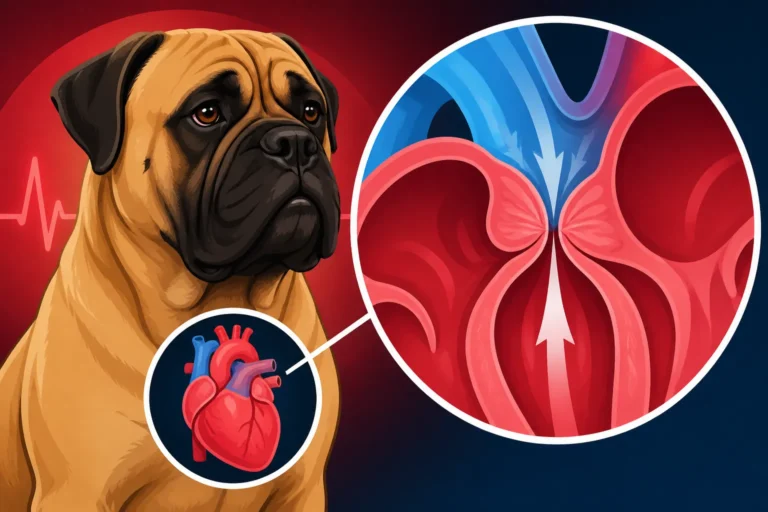
To truly grasp SAS, let’s quickly visualize a healthy heart. Your Bullmastiff’s heart is a powerful pump, divided into four chambers. Blood from the body, low in oxygen, enters the right side, gets pumped to the lungs to pick up oxygen, and then returns to the left side. From the left ventricle, the most muscular chamber, oxygen-rich blood is forcefully ejected into the aorta – the body's main artery – to supply every tissue and organ. This entire process relies on unobstructed blood flow.
The Specific Impact of SAS on the Bullmastiff Heart
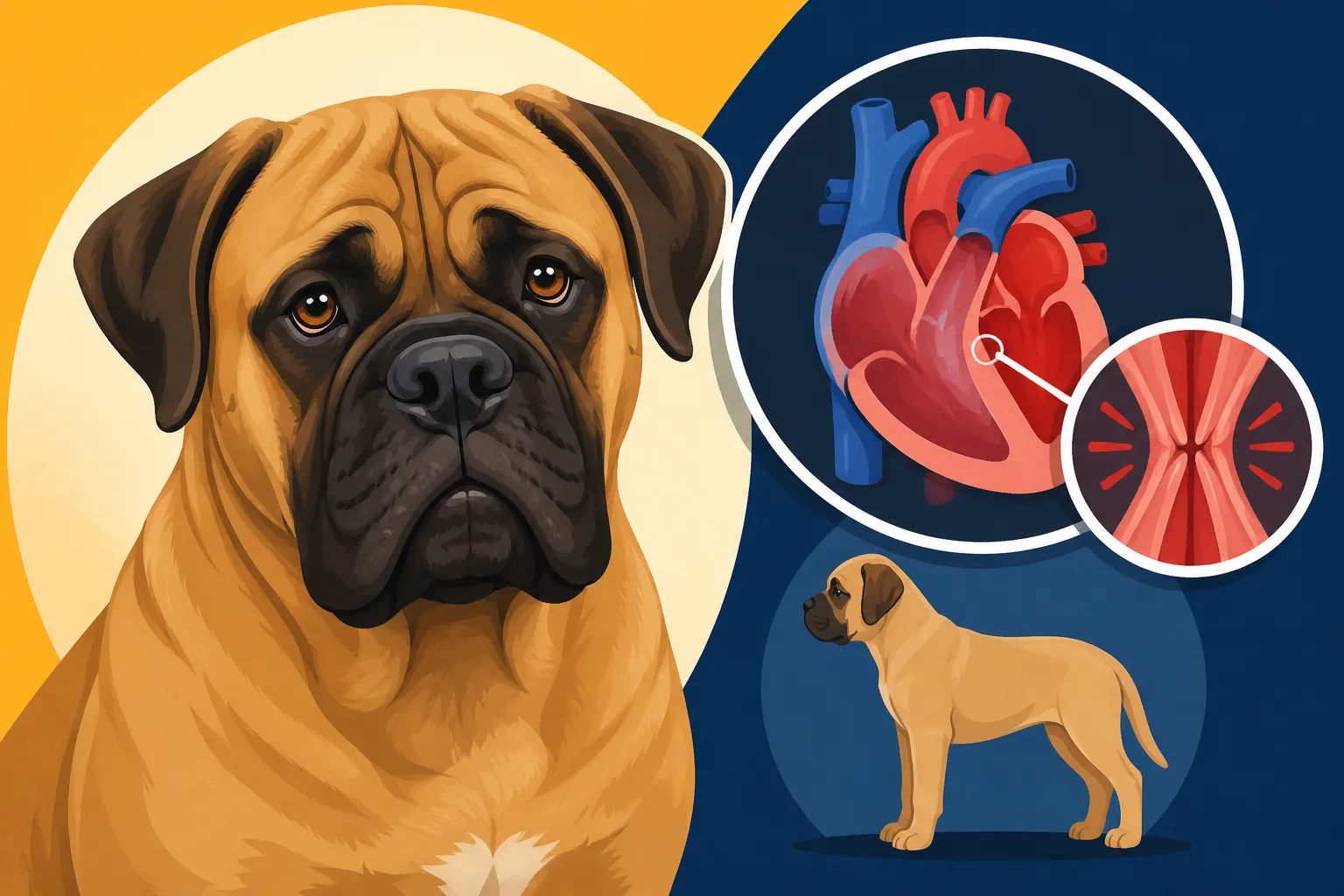
With subaortic stenosis, there's an obstruction just below the aortic valve, usually a ring of fibrous tissue. Imagine a garden hose with a kink near the nozzle; the water still comes out, but with much greater force and strain on the pump. In a Bullmastiff with SAS, the left ventricle has to work incredibly hard to push blood past this narrowing. Over time, this constant struggle causes the left ventricle muscle to thicken and enlarge – a condition called left ventricular hypertrophy. This thickened muscle can become inefficient, less able to fill with blood properly, and eventually, can lead to heart failure, arrhythmias, or even sudden death. It's a progressive disease, meaning the obstruction and its effects often worsen over time, placing immense stress on their large, gentle hearts.
Why Early Onset is a Major Concern
The fact that SAS is present and often diagnosable before a Bullmastiff's first birthday, as highlighted in "Subaortic Stenosis Is There Before a Bullmastiff's First Birthday", makes it a particularly cruel condition. Puppies are meant to be boisterous, playful, and full of life, but an underlying heart defect can mean their future is already compromised. This early onset also means that breeders have a crucial role to play in screening to prevent passing on this genetic predisposition. For owners, it means being vigilant even with young dogs, knowing that a problem could be developing silently during what should be their healthiest, most carefree months. Early detection, while emotionally tough, is key to managing the condition and ensuring the best possible quality of life for your furry family member.
How Subaortic Stenosis Develops in Young Bullmastiffs
Subaortic stenosis isn't something that suddenly appears; it's a developmental anomaly that occurs as the puppy grows, specifically in the tissues around the outflow tract of the left ventricle. While the genetic blueprint is present from conception, the physical manifestation of the obstruction evolves during their early months, explaining why it's often detected in the first year of life.
The Role of Abnormal Tissue Growth
At its core, SAS involves the abnormal development of fibrous tissue or a fibrous ring just beneath the aortic valve. Normally, this area is smooth and unrestricted, allowing blood to flow freely into the aorta. However, in affected Bullmastiffs, cells in this region proliferate excessively, forming a thickened band or ridge. This extra tissue effectively creates a shelf or narrow passage, forcing the blood to squeeze through a smaller opening. This structural defect is what creates the "stenosis" or narrowing, setting the stage for increased pressure and strain on the heart. It's not an infection or an injury; it's simply a misstep in cardiac development.
The Progression of the Narrowing Over Time
While the abnormal tissue is present from birth, the degree of narrowing can sometimes become more significant as the puppy grows and matures. This means a mild obstruction at a few weeks old might progress to a moderate or severe one by six months or a year. The left ventricle, sensing the increased resistance, begins to work harder, its walls thickening in response to the added workload. This hypertrophy is initially a compensatory mechanism, trying to maintain adequate blood flow. However, this thickened muscle eventually becomes less elastic, making it harder for the heart to fill efficiently and increasing the risk of abnormal electrical activity, known as arrhythmias. This progressive nature is why, even if a faint murmur is heard in a young puppy, follow-up evaluations are critical.
Genetic Predisposition in the Breed
It’s widely accepted that subaortic stenosis has a strong genetic component in Bullmastiffs. It's not just a random occurrence; certain bloodlines carry a higher risk. While the exact mode of inheritance can be complex, involving multiple genes, the evidence strongly suggests that it’s passed down from parent to offspring. This genetic link is a major reason why How Subaortic Stenosis Is Inherited in Bullmastiffs is such an important topic for anyone considering adding a Bullmastiff to their family. Responsible breeders are keenly aware of this and actively screen their breeding stock. They understand that by breeding dogs free of SAS, they can significantly reduce the incidence of this heartbreaking condition in future generations. Unfortunately, the prevalence in the breed means that even with careful breeding, the risk can't be entirely eliminated without rigorous screening.
Recognizing the Subtle Signs of SAS in Your Bullmastiff Puppy
One of the greatest challenges with subaortic stenosis is that Bullmastiff puppies are often masters at hiding their discomfort. They are naturally stoic and eager to please, meaning the early signs of a heart problem might be incredibly subtle, easily mistaken for normal puppy behavior, or simply missed altogether. This is why vigilance and regular veterinary check-ups are so vital for this breed, especially during their first year.
Listen for a Heart Murmur
The most common initial indication of SAS is a heart murmur. A murmur is an abnormal sound heard when listening to the heart with a stethoscope, caused by turbulent blood flow. In SAS, this turbulence occurs as blood is forced through the narrowed subaortic area. Your veterinarian will typically check for murmurs during routine puppy exams, but it's important to know that not all murmurs are created equal. A "flow murmur" in a very young, fast-growing puppy might be innocent and disappear, but a murmur associated with SAS is usually persistent, often crescendo-decrescendo (waxing and waning loudness), and typically loudest over the left heart base. If your vet mentions a murmur, especially in a Bullmastiff, it should always prompt further investigation, as discussed in Signs a Bullmastiff Has a Heart Murmur. The grade of the murmur (how loud it is) can sometimes correlate with the severity of the stenosis, but this isn't always a direct relationship and further diagnostics are always needed for a definitive diagnosis.
Symptoms Beyond the Murmur
While a murmur is often the first clue, as the disease progresses or if the stenosis is severe, you might start to notice other, more overt symptoms. These can include:
- Exercise Intolerance: Your usually energetic Bullmastiff puppy might tire more quickly during play or walks than their littermates or other puppies. They might lag behind, refuse to play, or collapse after exertion. This isn't just "being lazy" – it's their heart struggling to keep up with oxygen demand.
- Weakness or Fainting (Syncope): In more severe cases, reduced blood flow to the brain, particularly during excitement or exercise, can lead to episodes of weakness, dizziness, or even full-blown fainting spells. These can be incredibly frightening for an owner to witness.
- Shortness of Breath or Difficulty Breathing: You might notice your Bullmastiff breathing heavily after minimal exertion, or even at rest. They might pant excessively or show increased effort in their breathing.
- Poor Growth or Weight Gain: Pups with significant heart conditions often struggle to thrive. They might be smaller than their siblings, have a dull coat, or fail to gain weight appropriately despite adequate food intake.
- Sudden Death: This is the most tragic and devastating outcome, particularly in young Bullmastiffs with severe, undiagnosed SAS. An arrhythmia or acute heart failure can occur without any prior obvious symptoms, especially during periods of high excitement or physical stress.
When to Seek Veterinary Attention
Anytime you notice any of the above symptoms, or if your vet identifies a heart murmur, it's absolutely crucial to seek veterinary attention promptly. Don't wait. Early intervention, even if it's just monitoring, can make a significant difference. If your Bullmastiff has collapsed or is struggling to breathe, this is an emergency that requires immediate veterinary care. Remember, they are often stoic, so by the time symptoms are obvious, the condition might be quite advanced. Being proactive about their heart health, especially with a breed prone to such issues, is truly an act of love.
Diagnosing Subaortic Stenosis Accurately
Getting an accurate diagnosis of subaortic stenosis in your Bullmastiff is a multi-step process that often begins with your regular veterinarian and may progress to a specialist, a veterinary cardiologist. This thorough approach is essential to confirm the presence of SAS, determine its severity, and establish the best course of action for your dog's care.
Initial Veterinary Examination and Auscultation
The journey to diagnosis typically starts during a routine wellness check with your primary veterinarian. During this exam, your vet will perform a complete physical assessment, which includes listening to your Bullmastiff's heart with a stethoscope, a process known as auscultation. As mentioned earlier, the presence of a heart murmur is often the first red flag. Vets are trained to identify the characteristics of a murmur – its location, intensity (grade), timing within the heartbeat, and quality – which can give clues about its potential cause. If a significant murmur is detected, especially in a Bullmastiff puppy, your vet will likely recommend further diagnostics, often referring you to a veterinary cardiologist. This initial step is vital, reinforcing why routine check-ups, like those covered by a comprehensive pet insurance plan from a provider such as Healthy Paws, are so important from a young age.
The Importance of an Echocardiogram
While a murmur signals a problem, it doesn't definitively diagnose SAS or its severity. For that, an echocardiogram is the gold standard. An echocardiogram is a non-invasive ultrasound of the heart that allows a cardiologist to visualize the heart's structure, measure blood flow velocities, and assess its function in real-time. During this procedure, the specialist can:
- Identify the fibrous ring or narrowing: They can directly see the obstruction below the aortic valve.
- Measure blood flow velocity: By measuring how fast blood moves past the obstruction, they can quantify the pressure gradient and thus the severity of the stenosis. This is critical for prognosis and treatment planning.
- Assess ventricular hypertrophy: They can measure the thickness of the left ventricular wall to determine how much the heart muscle has enlarged due to the increased workload.
- Detect other abnormalities: An echo can also rule out other heart conditions or concurrent issues that might be affecting your Bullmastiff's heart.
This detailed imaging provides the most accurate and comprehensive picture of your dog's heart health. For more information on this crucial test, you can explore resources like When an Echocardiogram Is Needed on a Bullmastiff.
Other Diagnostic Tools
In addition to an echocardiogram, a cardiologist might utilize other diagnostic tools to get a full understanding of your Bullmastiff's condition:
- Electrocardiogram (ECG/EKG): This test measures the electrical activity of the heart. It can detect arrhythmias (irregular heartbeats) which are common complications of SAS, especially as the heart muscle thickens and becomes stressed. An ECG helps guide medication choices if arrhythmias are present.
- Chest X-rays: While X-rays don't show the heart's internal structure in detail, they can reveal if the heart is enlarged overall (cardiomegaly) or if there's any fluid buildup in the lungs (pulmonary edema), which could indicate congestive heart failure. They also provide a good view of the lungs and surrounding structures.
- Blood Tests: Routine blood work can assess overall organ function, detect any secondary issues caused by poor circulation, or help determine if other health conditions are present. While not directly diagnostic for SAS, they provide important systemic health information, especially if medications are being considered.
By combining these diagnostic approaches, your veterinary team can establish a precise diagnosis, accurately grade the severity of the SAS, and create a tailored management plan for your Bullmastiff.
| SAS Severity Grade | Echocardiogram Findings | Clinical Signs | Management Approach |
|---|---|---|---|
| Mild | Velocity < 3.0 m/s | Often none, faint murmur | Monitoring, re-evaluations |
| Moderate | Velocity 3.0 – 4.5 m/s | Exercise intolerance, clear murmur | Monitoring, sometimes medication |
| Severe | Velocity > 4.5 m/s | Syncope, weakness, heart failure | Medication, possible intervention |
Living with a Bullmastiff Diagnosed with SAS
Receiving a diagnosis of subaortic stenosis for your Bullmastiff can be overwhelming, but it's important to remember that many dogs with SAS can still lead fulfilling lives with appropriate management. The key is to understand the limitations imposed by their heart condition and to work closely with your veterinarian and cardiologist to implement strategies that support their cardiac health. It becomes a delicate balance of providing a good quality of life while minimizing stress on their heart.
Managing Exercise and Activity Levels
One of the most critical aspects of living with a Bullmastiff with SAS is carefully managing their exercise and activity. The degree of restriction will depend entirely on the severity of the stenosis. For mild cases, perhaps only avoiding extremely strenuous activity or overheating might be enough. For moderate to severe cases, significant modifications are often necessary.
- Avoid High-Intensity Activities: Say goodbye to long runs, vigorous fetching sessions, or intense dog park play. These activities dramatically increase heart rate and blood pressure, placing immense strain on an already compromised heart.
- Opt for Gentle, Controlled Exercise: Think short, calm leash walks, supervised indoor play, or gentle strolls in cooler temperatures. The goal is to keep them moving for mental and physical well-being without pushing their heart into overdrive.
- Monitor for Signs of Fatigue: Always watch for signs like excessive panting, lagging behind, or reluctance to continue. If your Bullmastiff shows any of these, it’s time to stop and rest. It’s also important to remember Why Eighty Degrees Is Dangerous for a Bullmastiff, as heat can exacerbate cardiac stress.
- Emotional Regulation: Excitement can also elevate heart rate significantly. Try to keep their environment calm and predictable, especially when you leave or return home, or when guests arrive.
Dietary Considerations for Heart Health
Nutrition plays a supportive role in managing SAS. While there isn't a specific "heart diet" that cures SAS, certain considerations can help alleviate the burden on the heart and maintain overall health.
- Maintain Ideal Body Weight: Keeping your Bullmastiff lean is paramount. Extra weight puts additional strain on the heart, making it work even harder. Work with your vet to determine an ideal body condition score and adjust their food intake accordingly. For more on this, you might find "Keeping a Bullmastiff Lean Is the Best Thing You Can Do" helpful.
- Sodium Restriction (in advanced cases): If your Bullmastiff develops signs of congestive heart failure, your cardiologist might recommend a diet with controlled sodium levels. Sodium can lead to fluid retention, which further stresses the heart and lungs. However, for early or mild SAS, extreme sodium restriction is usually unnecessary and might even be detrimental if not properly balanced.
- High-Quality, Balanced Diet: Ensure they are receiving a complete and balanced diet appropriate for their life stage, ideally a large breed formula if they are still growing. Avoid excessive treats, especially those high in fat or sodium.
- Supplements (under veterinary guidance): Your vet or cardiologist might suggest certain supplements like omega-3 fatty acids for their anti-inflammatory benefits or L-carnitine and taurine, especially if there's any concern about deficiencies or specific types of heart muscle issues. Always discuss supplements with your vet first, as not all are beneficial for all heart conditions.
The Role of Regular Veterinary Check-ups
Regular, ongoing veterinary care is absolutely non-negotiable for a Bullmastiff with SAS. This isn't a condition that gets diagnosed once and then ignored.
- Frequent Monitoring: Your cardiologist will likely recommend regular follow-up appointments, often every 6-12 months, depending on the severity and stability of the condition. These visits will involve physical exams, auscultation, and potentially repeat echocardiograms or ECGs to monitor progression of the disease and adjust medications as needed.
- Medication Management: If your Bullmastiff is on heart medications, these check-ups are crucial for evaluating their effectiveness and monitoring for any side effects. Dosage adjustments are common as the disease progresses or if new symptoms arise.
- Proactive Health Management: These appointments also allow your vet to address any other health concerns promptly, ensuring that other issues don't put additional stress on your dog's heart. This continuous oversight is a lifeline for dogs with chronic conditions, and it’s why a good pet insurance policy, like those offered by Healthy Paws, can be incredibly valuable for covering these ongoing specialist visits and medications. Knowing that What a Bullmastiff's Heart Should Be Rechecked Yearly is a commitment you'll be making can help you prepare mentally and financially for the journey.
Treatment Options and Prognosis for Bullmastiffs with SAS
When your Bullmastiff is diagnosed with Subaortic Stenosis, the conversation inevitably turns to treatment. It's important to manage expectations: there is no "cure" for SAS in dogs that completely reverses the structural defect. Instead, treatment focuses on managing symptoms, slowing the progression of the disease, and improving their quality of life. The approach will largely depend on the severity of the stenosis and the individual dog's clinical signs.
Medications to Manage Symptoms
For most Bullmastiffs diagnosed with SAS, medical management is the cornerstone of treatment, especially for moderate to severe cases. The primary goal of medication is to reduce the workload on the heart and prevent complications.
- Beta-Blockers (e.g., Atenolol, Propranolol): These are the most commonly prescribed medications for SAS. Beta-blockers work by slowing the heart rate and reducing the force of heart contractions, thereby decreasing the turbulent blood flow across the narrowed subaortic area. This helps to reduce the pressure gradient, protect the heart muscle from further thickening, and decrease the risk of life-threatening arrhythmias. They essentially make the heart's job easier and more efficient.
- ACE Inhibitors (e.g., Enalapril, Benazepril): While not typically used as a primary treatment for SAS itself, ACE inhibitors might be introduced if signs of congestive heart failure develop. These medications help to relax blood vessels, reducing blood pressure and making it easier for the heart to pump blood throughout the body.
- Diuretics (e.g., Furosemide): If fluid buildup (edema) occurs due to heart failure, diuretics are used to help the body excrete excess fluid, reducing congestion in the lungs and other tissues.
- Antiarrhythmics: If significant arrhythmias are detected on an ECG, specific antiarrhythmic drugs may be prescribed to stabilize the heart's electrical activity and prevent sudden cardiac death.
It's a delicate balance, and finding the right medication regimen often involves trial and error and close monitoring with your cardiologist. These medications are typically lifelong and require consistent administration and regular check-ups to ensure optimal dosing and efficacy.
Surgical Interventions and Their Limitations
Unlike in humans, where open-heart surgery to widen the narrowed area or replace the aortic valve is common, surgical options for SAS in dogs are much more limited and carry significant risks, especially for a large breed like a Bullmastiff.
- Balloon Valvuloplasty: This minimally invasive procedure involves inserting a catheter with a balloon into the narrowed area and inflating it to stretch the fibrous ring. While it can reduce the obstruction, it's not always effective in SAS (more so for pulmonic stenosis) because the fibrous ring often re-narrows, and there's a risk of causing damage to the aortic valve itself. It's rarely a permanent fix and is typically only considered in very severe cases in young puppies where the prognosis without intervention is extremely poor.
- Open-Heart Surgery: This is extremely rare in veterinary medicine for SAS due to its complexity, high cost, and significant risks, especially for large breed dogs with existing heart disease. The specialized equipment and expertise required are not widely available.
Therefore, for the vast majority of Bullmastiffs with SAS, surgical intervention is not a viable or recommended option. The focus remains on medical management and supportive care.
Understanding the Long-Term Outlook
The prognosis for Bullmastiffs with SAS varies widely depending on the severity of the stenosis.
- Mild SAS: Bullmastiffs with mild SAS might live a relatively normal lifespan, sometimes without needing medication, though regular monitoring is still recommended.
- Moderate SAS: The prognosis is more guarded. With careful management, including exercise restriction and potentially beta-blockers, they can often live for several years. However, the risk of complications and shortened lifespan is increased.
- Severe SAS: The outlook for Bullmastiffs with severe SAS is unfortunately poor. Many succumb to sudden cardiac death or develop congestive heart failure at a young age, often before two or three years old. Even with aggressive medical management, their median lifespan can be significantly reduced, as outlined in articles like The Median Bullmastiff Lives Eight and a Half Years.
It’s a tough reality, but proactive care, adherence to veterinary advice, and consistent medication (if prescribed) are the best ways to maximize both the quantity and quality of life for a Bullmastiff living with subaortic stenosis.
The Genetic Component and Responsible Breeding Practices
The disheartening prevalence of subaortic stenosis in Bullmastiffs isn't a random coincidence; it's deeply rooted in the breed's genetics. Understanding this hereditary link is crucial, not only for current owners but especially for prospective owners and responsible breeders dedicated to the health and future of the breed.
How SAS is Inherited
Research strongly indicates that subaortic stenosis in Bullmastiffs is an inherited condition, likely involving a complex mode of inheritance, possibly polygenic (involving multiple genes). This means it's not as simple as a single "good" or "bad" gene, making it harder to eradicate. Both parents may carry genes that, when combined in their offspring, result in the development of SAS. A dog that appears healthy and has no murmur could still be a carrier, passing on the predisposition to its puppies. This is why pedigree analysis and extensive health screening of all breeding animals are so critically important, as detailed in How Subaortic Stenosis Is Inherited in Bullmastiffs. It also helps to explain why, even with careful selection, SAS can sometimes appear unexpectedly in a litter.
Screening Parents and Puppies
For responsible breeders, screening for SAS is an ethical imperative. The American Bullmastiff Association, for example, strongly recommends cardiac evaluations for all breeding dogs.
- Parental Screening: Before breeding, both the sire and dam should undergo a thorough cardiac examination by a board-certified veterinary cardiologist. This typically includes an auscultation (listening for murmurs) and, most importantly, an echocardiogram. The cardiologist can then clear the dog for breeding or identify any issues. Breeders should be transparent about these results and should never breed a dog diagnosed with even mild SAS, or one with a history of producing affected offspring.
- Puppy Screening: While SAS is present from birth, the murmur might not be obvious immediately. Many reputable breeders will have puppies screened by a cardiologist between 8-12 weeks of age, before they go to their new homes. This "clearance" should involve auscultation for a murmur, and sometimes a preliminary echo if any concerns arise. If a murmur is detected, the puppy should not be sold for breeding, and the new owners should be aware of the need for follow-up diagnostics, as discussed in Why a Bullmastiff Puppy Needs a Cardiac Exam.
It’s an investment, both in time and money, but these screenings are vital steps to ensure healthier generations. If you’re looking for a Bullmastiff puppy, always ask to see the cardiac clearances of both parents, preferably from a board-certified cardiologist.
The Ethical Dilemma of Breeding Affected Dogs
The genetic nature of SAS presents a significant ethical challenge for breeders. The widely accepted standard is that dogs with any degree of SAS should be removed from breeding programs. This is a difficult decision, especially if the dog is otherwise outstanding in temperament or conformation. However, continuing to breed affected dogs, even those with mild SAS, perpetuates the genes within the breed, increasing the likelihood that future generations will suffer from this life-limiting condition.
Furthermore, even dogs that are clinically clear but have produced offspring with SAS should be carefully considered for future breeding. This is why open communication within the breeding community and tracking health outcomes across pedigrees is so important. The focus must always be on the long-term health and welfare of the breed over individual achievements, even if it means retiring a beloved show dog from breeding. Decisions around Whether a Bullmastiff With Stenosis Should Be Bred are complex, but the health of future puppies must always be the priority.
Preventative Measures and Ongoing Care for Your Bullmastiff's Heart Health
While subaortic stenosis is a congenital condition that cannot be entirely prevented in an individual dog once the genetic predisposition is set, proactive measures and diligent ongoing care can make a significant difference in managing the condition, delaying its progression, and ensuring the best possible quality of life for your Bullmastiff.
Regular Cardiac Screenings
For any Bullmastiff owner, especially those with a history of SAS in their dog's lines or breed, regular cardiac screenings are a cornerstone of preventative health.
- Puppyhood Screening: As we've discussed, a primary cardiac exam including auscultation and potentially an echocardiogram around 8-12 weeks of age is critical for puppies from at-risk lines. This initial screening can catch early murmurs or signs of SAS.
- Annual Wellness Exams: Every year, your Bullmastiff should have a comprehensive physical exam with your regular veterinarian. This includes auscultation, which can detect new murmurs or changes in existing ones. For a breed prone to heart issues, this annual check-up isn't just a formality; it's a vital screening opportunity.
- Cardiologist Consultations: If a murmur is detected, or if your Bullmastiff comes from a line with a strong history of SAS, regular follow-up with a board-certified veterinary cardiologist is highly recommended. These specialists have the equipment and expertise to perform detailed echocardiograms and provide precise monitoring, even if your dog is not yet symptomatic. Knowing What a Cardiac Exam Costs for a Bullmastiff can help you plan your budget, and this is another area where pet insurance like Healthy Paws can be incredibly beneficial. Early detection and consistent monitoring allow for timely intervention, should it be needed.
Maintaining an Ideal Weight
One of the most impactful things you can do for your Bullmastiff's overall health, and particularly their heart, is to keep them at a lean, healthy weight throughout their life.
- Reduced Cardiac Load: Every extra pound your Bullmastiff carries puts additional strain on their heart, making it work harder to pump blood throughout the body. This is especially detrimental for a heart already compromised by SAS.
- Improved Mobility and Joint Health: Being lean also benefits their large joints, preventing exacerbation of conditions like Hip Dysplasia in a Bullmastiff, which can indirectly impact heart health by limiting exercise and leading to a more sedentary lifestyle.
- Proper Nutrition and Portion Control: Work with your vet to determine the appropriate calorie intake for your Bullmastiff's age, activity level, and metabolic rate. Use a high-quality large breed dog food and measure portions carefully. Avoid free-feeding, and limit treats to healthy options in moderation. Regularly check their body condition score by feeling their ribs – you should be able to feel them easily without seeing them prominently. If you need help, don't hesitate to ask your vet for guidance on "Keeping a Bullmastiff Lean Is the Best Thing You Can Do".
Being Proactive with Your Vet
Your veterinarian is your most valuable partner in your Bullmastiff's health journey. Being proactive and maintaining open communication is key.
- Share Family History: When you acquire a Bullmastiff puppy, be sure to share any known cardiac history from the breeder with your vet. This allows them to be extra vigilant.
- Report Any Changes: Don't hesitate to contact your vet if you notice any subtle changes in your Bullmastiff's energy levels, breathing, exercise tolerance, or any instances of coughing or fainting. Even seemingly minor changes can be significant indicators for a dog with a predisposition to heart disease.
- Follow Recommendations: Adhere strictly to your vet's and cardiologist's recommendations regarding diet, exercise restrictions, and medication schedules. Skipping doses or altering routines without professional advice can have serious consequences.
- Consider Pet Insurance: Given the potential for costly diagnostics, specialist visits, and lifelong medications associated with SAS and other large breed health issues, pet insurance can be a financial lifesaver. Providers like Healthy Paws offer coverage that can help offset these expenses, allowing you to focus on your Bullmastiff's health without added financial stress. Preparing for "Eight and a Half Years of a Bullmastiff, Priced Out" includes considering the potential for significant health expenditures, and insurance can provide invaluable peace of mind.
By embracing these preventative measures and committing to ongoing, diligent care, you can help your Bullmastiff live the happiest, healthiest life possible, even with the challenges that subaortic stenosis might present.
Disclaimer
Please remember that the information provided in this guide is for informational purposes only and does not constitute veterinary medical advice. Always consult with a qualified veterinarian or veterinary cardiologist for any health concerns or before making any decisions about your Bullmastiff's care. Individual cases can vary, and professional guidance is essential.