Whether a Bullmastiff Needs a Coat in Winter
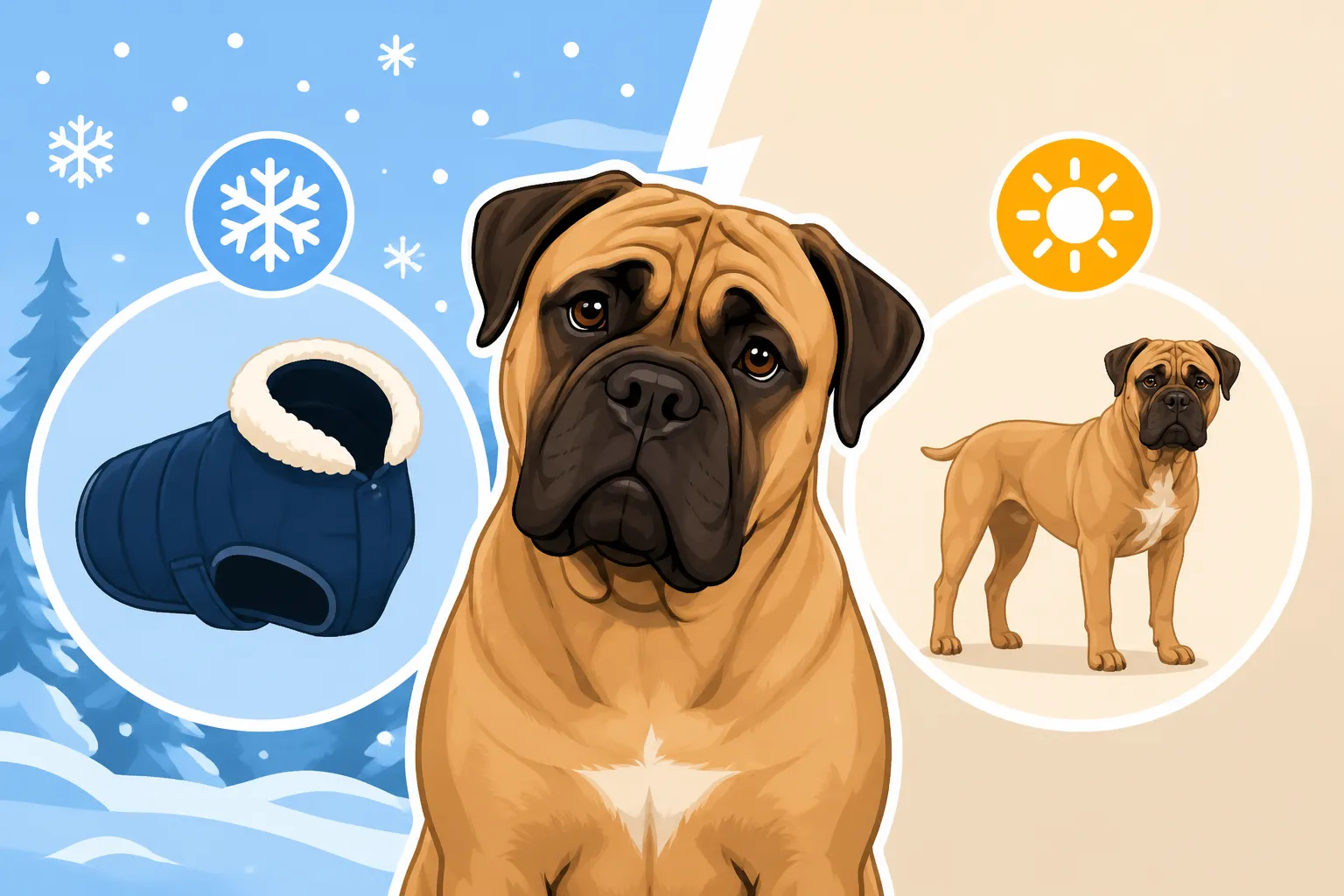
It's a common misconception that because a Bullmastiff is a big, powerful dog, they must be inherently tough and impervious to the cold. We often see pictures of large dogs romping in the snow, looking like they're having the time of their lives, and assume all big breeds are built for winter. But the truth is, not all giants are created equal when it comes to battling frosty temperatures, and your majestic Bullmastiff definitely has a unique set of needs. This comprehensive guide will help you understand whether your Bullmastiff truly needs a winter coat and how to best protect them when the mercury drops.
Understanding Your Bullmastiff's Natural Insulation (or Lack Thereof)
When we look at a Bullmastiff, we see a thick, muscular dog, and our brains naturally associate that bulk with warmth. However, their specific breed characteristics tell a different story about their natural defenses against the cold.
The Bullmastiff's Coat and Body Fat
Let's talk about that coat. A Bullmastiff has a short, dense, and smooth coat. It's designed to offer some protection, but it's fundamentally different from the double-coated breeds like Siberian Huskies or Newfoundlands, who have a thick, woolly undercoat specifically evolved to trap air and insulate against extreme cold. Your Bullmastiff’s single, smooth coat simply doesn't provide that level of insulation. Think of it like wearing a single sweater versus a heavy winter parka – both offer some warmth, but one is clearly more equipped for truly frigid conditions.
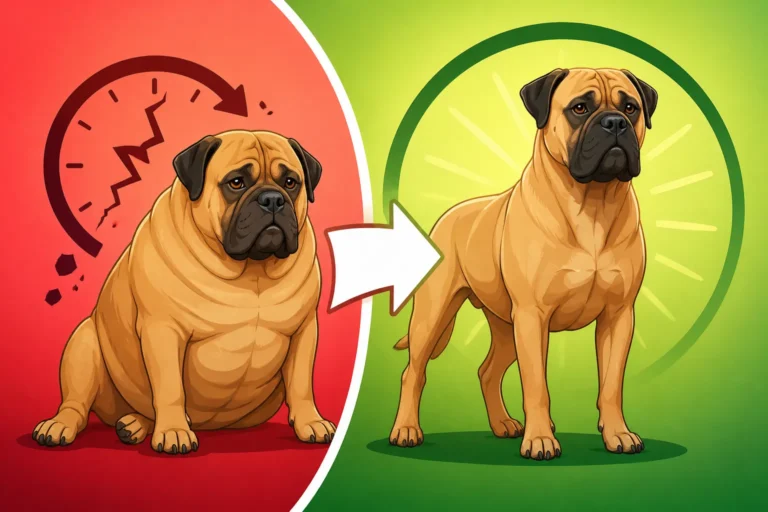
While their large body mass helps them retain heat better than a tiny Chihuahua, it's not a magical shield. A significant portion of their weight is dense muscle, which, while metabolically active, doesn't offer the same insulating properties as a thick layer of fat. Keeping a Bullmastiff lean is critical for their overall health, and a healthy, lean Bullmastiff won't have an excess layer of fat to provide extra warmth. This means they can lose body heat surprisingly quickly, especially when they're not actively moving or if they get wet. Their short hair also means that unlike breeds with longer coats, they don't have that extra buffer of fur to protect their skin from wind and snow. When you consider How Much a Bullmastiff Sheds, it's mostly fine, short hair, not the fluffy undercoat you'd expect from a true cold-weather dog.
Brachycephalic Concerns and Cold Weather
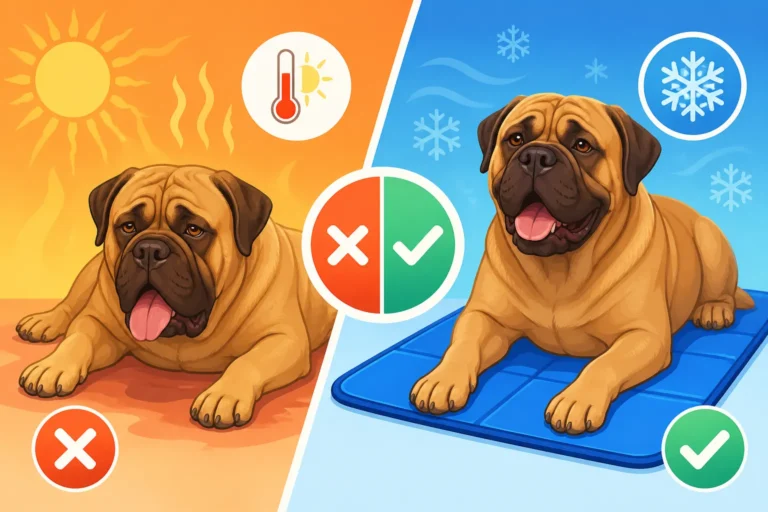
Another crucial factor for Bullmastiffs in cold weather is their brachycephalic (short-nosed) anatomy. While we often associate brachycephalic breeds with overheating issues, which is a very real concern—you can learn more about this in Why Eighty Degrees Is Dangerous for a Bullmastiff and Signs a Bullmastiff Has Heatstroke—their unique respiratory system also impacts their ability to cope with cold.
Dogs naturally warm and humidify the air they breathe through their nasal passages before it reaches their lungs. For a Bullmastiff, with their shortened muzzle and sometimes constricted airways, this process is less efficient. When they breathe in very cold air, it's not warmed as effectively before it enters their respiratory tract. This can lead to irritation of the airways and a feeling of discomfort, making it harder for them to breathe deeply and comfortably. Imagine breathing icy air through a very short straw – it's not ideal. This isn't just about lung health; it’s about their overall comfort and metabolic effort. Their bodies have to work harder to regulate temperature, putting extra strain on their system. While not as dramatic as the dangers of heatstroke, cold stress from inefficient air warming is a legitimate concern for brachycephalic dogs like Bullmastiffs, and it's a reason why Whether a Bullmastiff Snores can sometimes be an indicator of underlying respiratory characteristics that affect all aspects of their health.
Signs Your Bullmastiff Is Feeling the Cold
Our Bullmastiffs are tough and stoic, often trying to mask discomfort. That's why it's so important for us, their humans, to be vigilant and understand the subtle (and not-so-subtle) signs that they're feeling the chill. Ignoring these cues can lead to health risks like hypothermia or frostbite.
Behavioral Cues to Watch For
When a Bullmastiff is getting too cold, their body will start sending signals. The most obvious, of course, is shivering. While a little shiver after a quick potty break might be normal, persistent or intense shivering is a clear alarm bell. But it's not always so dramatic. Watch for more subtle behavioral changes:
- Reluctance to go outside: If your dog usually loves walks but is suddenly hesitant to step out the door, especially when it’s cold, they might be telling you something.
- Hunching their back or tucking their tail: This is a classic posture for dogs trying to conserve heat. By drawing their body inward, they reduce their exposed surface area.
- Lifting paws or standing on three legs: This is an attempt to get cold paws off the frozen ground. They might alternate which paw they lift.
- Seeking warmth immediately: As soon as you open the door to come back inside, do they bolt for their bed or the nearest warm spot? Are they trying to burrow under blankets or lean against you for body heat?
- Decreased activity: On walks, do they seem less energetic, moving more slowly than usual, or stopping frequently? They might be trying to conserve energy and heat.
- Anxiety or whining: Some dogs might vocalize their discomfort or appear anxious, especially if they are feeling vulnerable due to the cold.
These behaviors are their way of communicating that they are uncomfortable and need help getting warm. Don't dismiss them as just being "stubborn" or "lazy" if the weather is truly cold.
Physical Indicators of Discomfort or Risk
Beyond behavior, there are physical signs that your Bullmastiff is experiencing more than just a little chill, potentially heading into dangerous territory.
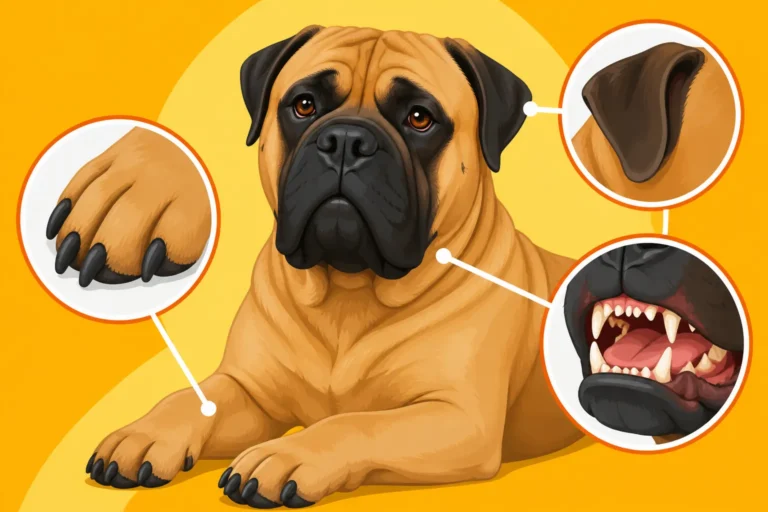
- Cold extremities: Gently feel their ears, paws, and the tip of their tail. If these areas feel noticeably cold to the touch, it indicates that their body is constricting blood flow to the extremities to preserve core body temperature. This is a survival mechanism, but it puts those areas at risk for frostbite.
- Pale gums: In severe cold, reduced blood flow to the capillaries can make their gums appear paler than their usual healthy pink. This is a serious sign and warrants immediate intervention to warm them up.
- Slowed movement or stiffness: If they are moving sluggishly, appear stiff, or are having trouble coordinating their movements, it could be a sign of hypothermia setting in. Muscles don't function as effectively when cold.
- Increased heart rate or shallow breathing: While less common for simple cold exposure and more indicative of severe hypothermia, keep an eye out for any changes in breathing or heart rate, as these are critical bodily functions.
It's important to differentiate between merely feeling a bit chilly and being in a potentially dangerous state. If you observe any of the more severe physical indicators, get your Bullmastiff warmed up immediately and consider contacting your vet.
When and What Kind of Coat Your Bullmastiff Might Need
Deciding on a winter coat for your Bullmastiff isn't just a fashion statement; it's a practical decision based on a few key factors. It's not a one-size-fits-all answer, as every Bullmastiff and every winter day is a little different.
Factors Influencing Coat Necessity
The need for a coat isn't solely dependent on the thermometer reading. Several elements come into play:
- Temperature and Wind Chill: This is probably the most obvious. A crisp 40°F (4°C) with no wind is vastly different from a blustery 20°F (-6°C) day with a strong wind making it feel like 0°F (-18°C). Wind chill can cut through a Bullmastiff's short coat surprisingly fast, stripping away any trapped warmth. Always consider the "feels like" temperature.
- Precipitation: Rain, sleet, or wet snow will soak through their short coat, making them much colder, much faster. A wet dog loses heat far more rapidly than a dry one. In these conditions, a waterproof layer is essential.
- Activity Level: Is your Bullmastiff just doing a quick potty break in the backyard, or are you going for a longer walk? A dog that's actively moving generates some body heat, but prolonged exposure, even with exercise, can still lead to chilling. If they're standing around waiting for you, say, at a dog park in cold weather, they'll get colder much quicker.
- Age and Health: This is a huge one. Puppies and senior Bullmastiffs are much more susceptible to cold. Puppies haven't fully developed their internal temperature regulation, and older dogs, like those mentioned in Caring for an Aging Bullmastiff, may have thinning fur, less muscle mass, or underlying health issues that make them less tolerant to cold. For instance, a Bullmastiff with Hypothyroidism in a Bullmastiff might feel the cold more intensely due to a slower metabolism. Dogs recovering from illness or surgery will also have a reduced ability to regulate their body temperature.
- Individual Tolerance: Just like people, some Bullmastiffs are naturally more tolerant to cold than others. You know your dog best. Observe their behavior closely.
A good rule of thumb: If you're bundling up in multiple layers, a hat, and gloves, your Bullmastiff probably needs more than just their natural coat.
Choosing the Right Winter Wear
Once you've decided a coat is needed, how do you pick the right one? There's a bewildering array of options out there, but focusing on function and fit will simplify things.
-
Material:
- Waterproof/Water-Resistant Shells: Crucial for rainy, snowy, or sleety conditions. Look for materials like nylon or polyester with a waterproof coating. These are great for keeping them dry and blocking wind, even if they don't offer a ton of insulation on their own.
- Insulated Coats: For dry, truly cold weather, you'll want something with a fleece lining, synthetic fill, or even wool. These coats are designed to trap body heat and provide warmth. Many excellent options are available on sites like
ChewyandAmazon, offering various levels of warmth. - Combination Coats: Many great options combine a waterproof outer shell with a warm, insulated lining, giving you the best of both worlds.
-
Fit: This is paramount. A coat that doesn't fit properly can be uncomfortable, restrictive, or simply ineffective.
- Coverage: Ideally, a good coat for a Bullmastiff should cover from the base of their neck all the way to the base of their tail. It should also cover their chest and belly, as these areas are often quite exposed and vulnerable to cold.
- Range of Motion: Ensure the coat doesn't restrict their shoulders or legs. They should be able to walk, run, and relieve themselves naturally without the coat getting in the way. Adjustable straps around the chest and belly are key for a snug, yet comfortable, fit.
- Measuring: Always measure your Bullmastiff's back length (from the base of the neck to the base of the tail) and chest girth (around the widest part of their rib cage). Consult the manufacturer's sizing chart carefully. Remember, Bullmastiffs are a deep-chested breed, so a coat that fits their length might be too tight around the chest, or vice-versa. Don't just guess their size.
It's often helpful to look for coats designed specifically for large or giant breeds. Companies like Ollie (though known for food, they often partner with accessory brands or recommend specific gear) or other specialized pet outfitters understand the unique dimensions of a Bullmastiff. Avoid anything with excessive bells and whistles that could snag or annoy your dog. Simplicity, warmth, and waterproof capabilities are usually your best friends.
Best Practices for Winter Bullmastiff Care (Beyond Just a Coat)
While a good winter coat is a fantastic tool, it's part of a larger strategy to keep your Bullmastiff happy and healthy during the colder months. Think holistically about their environment, activities, and specific needs.
Limiting Exposure and Monitoring
Even with a coat, extreme cold is not a Bullmastiff’s friend. Their design makes them more susceptible to both heat and cold extremes. Just as What Temperature Is Dangerous for a Bullmastiff and How Fast a Bullmastiff Overheats in a Car highlight their sensitivity to high temperatures, they also have limitations in the cold.
- Shorter, More Frequent Outdoor Trips: Instead of one long walk in freezing temperatures, opt for several shorter excursions. This allows them to do their business and get a bit of fresh air without prolonged exposure to the cold. A quick romp in the yard might be enough, especially if it's truly frigid.
- Indoor Play and Mental Stimulation: On days when outdoor conditions are prohibitive, pivot to indoor activities. Tug-of-war, hide-and-seek with treats, puzzle toys, or even just a dedicated training session can burn off energy and provide mental enrichment. Bullmastiffs are not overly high-energy dogs, so quality indoor time can often suffice.
- Constant Supervision: Never leave your Bullmastiff unattended outside in cold weather, even for a few minutes. Their condition can deteriorate rapidly. Always keep an eye out for those behavioral and physical cues we discussed earlier.
Paw Protection and Post-Walk Care
Your Bullmastiff's paw pads are tough, but they aren't invincible, especially against the harsh realities of winter. Ice, snow, road salt, and de-icing chemicals can cause painful cracks, irritation, and even chemical burns.
- Dog Boots: The most effective protection for paws is a good set of dog boots. This might take some training and getting used to, as many dogs initially protest wearing them. Look for boots designed for large breeds that offer good traction and stay on securely. Websites like
ChewyandAmazonhave a wide selection, but check reviews for durability and fit on large, heavy-boned dogs. - Paw Balm: If boots aren't an option, or for less severe conditions, apply a protective paw balm before walks. These create a barrier against irritants and moisturize the pads, preventing cracking. Be sure to use a pet-safe product.
- Thorough Cleaning After Walks: Regardless of whether they wore boots or balm, always wipe down your Bullmastiff's paws thoroughly after coming inside. This removes any salt, chemicals, or ice balls that might have accumulated. Pay special attention to the areas between their paw pads. Check for any redness, cracks, or irritation.
Warm Sleeping Areas and Hydration
A Bullmastiff's comfort and health during winter extend to their downtime. Where and how they rest is just as important as how they exercise.
- Cozy, Insulated Beds: Your Bullmastiff needs a warm, soft place to sleep that is off the cold floor and away from drafts. An orthopedic bed is not just about comfort; it provides crucial insulation from cold floors and supports their heavy joints. You can find excellent options on
AmazonorChewy. Remember, Which Bed a Bullmastiff Needs isn't just a luxury; it's a health necessity for a large breed prone to joint issues. Placing their bed in a warm, interior room is always preferable to a drafty entryway or unheated space. - Hydration is Key: Even though it’s cold, indoor heating can be very drying. Ensure your Bullmastiff always has access to fresh, unfrozen water. Dehydration can affect their ability to regulate body temperature and impact overall health.
By combining appropriate outerwear, thoughtful care of their paws, and a warm, safe indoor environment, you can ensure your Bullmastiff remains comfortable and healthy throughout the winter months. They may be big, but they rely on us to protect them from the elements.
Winter Care Checklist for Your Bullmastiff
To help you keep track, here's a quick summary of essential winter care considerations for your Bullmastiff:
| Factor | Consideration | Recommended Action |
|---|---|---|
| Coat Type | Short, dense, single coat; minimal insulation. | Assume they need extra warmth in cold/wet weather. |
| Body Size/Mass | Large, muscular body helps retain some heat but isn't enough. | Don't rely solely on size; layer up with a coat. |
| Brachycephalic | Less efficient warming of inhaled cold air. | Limit strenuous exercise in very cold air; ensure coat covers chest. |
| Temperature | Any temperature below freezing (32°F / 0°C). | Consider a coat. Below 20°F (-6°C), a coat is highly recommended, and limit outdoor time. |
| Wind Chill | Significant factor that makes actual temperature feel colder. | Always check "feels like" temperature; waterproof/windproof outer layer is critical. |
| Precipitation | Rain, sleet, wet snow rapidly lead to heat loss. | Waterproof coat is essential to keep them dry. |
| Activity Level | Less active dogs get colder faster. | Coat for all but quick potty breaks if inactive. |
| Age/Health | Puppies, seniors, or ill dogs are more sensitive. | Coat always recommended for vulnerable dogs in cold. |
| Paw Protection | Ice, salt, chemicals can cause injury. | Use dog boots or apply paw balm. Clean paws thoroughly after every outing. |
| Indoor Comfort | Drafts, cold floors contribute to chilling. | Provide an orthopedic, insulated bed in a warm area. Ensure fresh water. Consider Whether a Bullmastiff Needs a Warmer Bed. |
This article is for general informational purposes only and does not constitute professional advice. Laws, prices and regulations vary by location and change over time. Consult a qualified professional for guidance on your specific situation.