Whether a Bullmastiff’s Bite Traps Food
If you're a Bullmastiff owner, you've probably noticed that their impressive, broad muzzle and powerful jaws are quite distinctive. However, this unique oral structure, while magnificent, can sometimes lead to an unexpected little problem: food getting trapped in their mouth after meals. It’s a frustration many of us face, worrying if our beloved giants are uncomfortable or if this leftover tidbit will cause bigger issues. This guide is here to walk you through why this happens, what to watch out for, and how to keep your Bullmastiff’s mouth clean and healthy.
Understanding the Bullmastiff's Unique Mouth Anatomy
The Bullmastiff's mouth is a marvel of strength and purpose, but it's also a landscape of folds, pockets, and specific dental alignments that can inadvertently become a hiding spot for dinner. It's not just about what they eat, but how their mouth is built that creates this common little headache for owners.
The Bullmastiff's Undershot Jaw and Brachycephalic Features
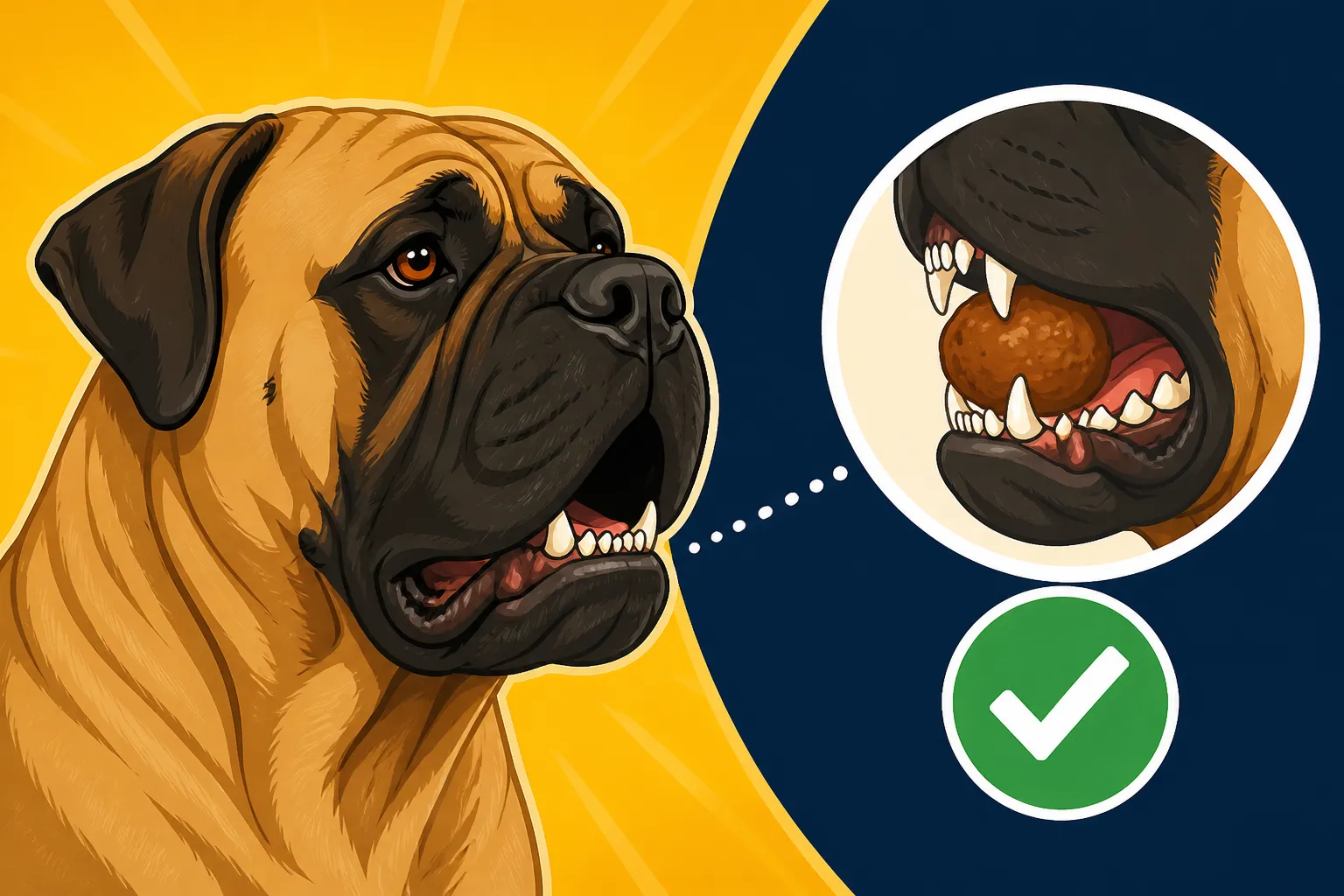
Our Bullmastiffs inherit a good deal of their facial structure from their Bulldog ancestry, which means they often have what's called an undershot jaw. This is where the lower jaw protrudes slightly beyond the upper jaw, leading to those charming, jowly expressions we all adore. While this gives them their classic look and powerful bite designed for holding, it also creates more crevices and gaps than you might find in a dog with a scissor bite. Think of it like a series of ledges and corners where small bits of kibble or even raw food particles can easily lodge themselves. This isn't a defect, it's just how they're built, and it's something we, as their caregivers, need to be mindful of.
Beyond the jaw, Bullmastiffs are a brachycephalic breed, meaning they have a relatively short muzzle. While not as extreme as some other brachycephalic dogs, this shorter muzzle can contribute to a more crowded mouth, with teeth that might not align as perfectly as in longer-snouted breeds. This dental crowding, coupled with the undershot jaw, can result in small pockets forming around their molars and along the gumline, especially towards the back of the mouth. These aren't always visible without a good look, making them prime real estate for food particles to hide away, sometimes for hours after a meal. This unique structure is part of How a Bullmastiff's Muzzle Length Should Be and affects more than just aesthetics; it's a practical consideration for their daily care.
Deep Lip Folds and Salivary Pockets
Perhaps one of the most significant contributors to trapped food in a Bullmastiff's mouth is their characteristic deep lip folds and jowls. These beautiful, soft folds are part of what gives them their gentle, dignified appearance, but they also serve as natural collection points. When a Bullmastiff eats, especially if they’re a fast eater, food can get pushed into these folds by their tongue and cheeks. It's not just food either; water can also gather here, leading to that tell-tale dribble we often see.
These folds, particularly the deeper ones around the lower jaw and at the corners of their mouth, can retain moisture and food particles. Combine this with the natural production of saliva, which is often generous in a Bullmastiff (leading to How Much a Bullmastiff Drools), and you have a warm, moist environment. This is often where you might find small pieces of kibble or softened remnants of raw food stuck. It's not always obvious, and sometimes you'll only notice it if you gently lift their jowls or see them pawing at their mouth. The constant moisture in these areas is also why Why a Bullmastiff's Lip Folds Smell can become an issue if not regularly cleaned.
Why Food Traps Happen and the Risks Involved
It’s easy to dismiss a bit of trapped food as a minor annoyance, but for our Bullmastiffs, it can lead to discomfort and, if left unaddressed, more serious health problems. Understanding the "why" helps us better manage the risks.
Common Culprits: Kibble, Raw Food, and Chews
The type of food your Bullmastiff eats can definitely play a role in how often food gets trapped. Dry kibble, especially smaller pieces or those with irregular shapes, can easily lodge in the nooks and crannies of an undershot jaw or slip into a lip fold. Imagine trying to eat a bowl of crumbs – some are bound to stick. If your Bullmastiff is a speedy eater, which many are, they tend to inhale their food rather than meticulously chewing, increasing the chances of bits getting stashed away. Consider using a slow feeder bowl, available from retailers like Amazon, to encourage slower eating and reduce this tendency, which can also help with conditions like bloat. Whether a Slow Bowl Reduces a Bullmastiff's Bloat Risk is a question many owners ponder, and the answer is generally yes, by making them eat slower.
Raw feeding, while offering many benefits, also presents its own unique challenges. Minced or ground raw food can be particularly sticky and adhere to the teeth, gums, and folds more readily than dry kibble. Even larger chunks of raw meat or recreational bones, while great for dental health, can leave stringy bits or small fragments that get caught between teeth or deeply embedded in those jowls. Then there are chews and treats. Bully sticks, dental chews, and other long-lasting treats can break down into smaller, pliable pieces that become perfectly shaped to wedge into tight spaces. Always supervise your Bullmastiff with chews and dispose of small, swallowable pieces to prevent not only choking but also food trapping. For high-quality chews and treats, many owners turn to online pet suppliers like Chewy.
The Health Hazards of Leftover Bites
Beyond the immediate discomfort, regularly trapped food can escalate into several health issues for your Bullmastiff. The most common and insidious problem is dental disease. When food particles remain in the mouth, they provide a fertile breeding ground for bacteria. This bacteria combines with saliva to form plaque, which, if not removed, hardens into tartar. Over time, this buildup leads to gum inflammation (gingivitis), bad breath (halitosis), and eventually, periodontal disease, which can cause pain, tooth loss, and even systemic infections affecting other organs. It's a silent threat that can significantly impact their quality of life. Regular teeth brushing, which may seem daunting with a Bullmastiff, is crucial; you can find specialized large breed toothbrushes and enzymatic toothpastes on sites like Amazon.
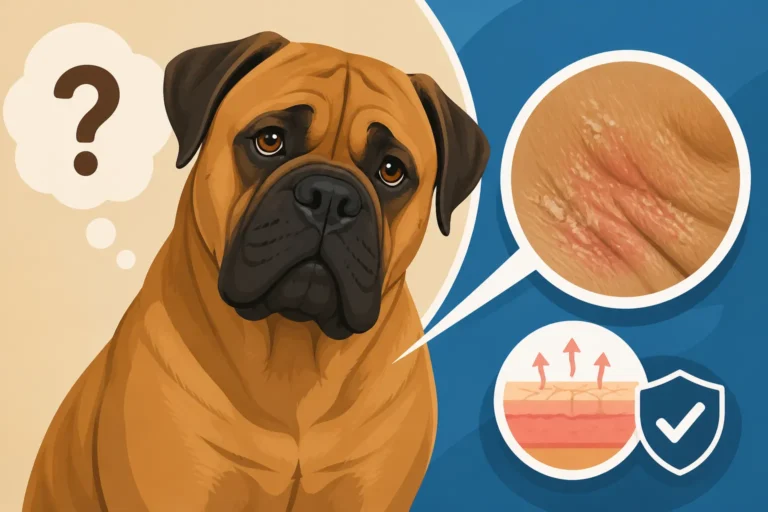
Another concern, especially in the deep lip folds, is skin fold dermatitis or infection. Those warm, moist pockets that collect food are also ideal environments for yeast and bacteria to thrive. The constant presence of food debris and moisture can irritate the skin, leading to redness, inflammation, and a foul odor. If not cleaned regularly, these folds can develop painful infections that require veterinary intervention. You might notice your Bullmastiff pawing at their face, rubbing their muzzle on furniture, or showing sensitivity around their mouth. Signs of irritation or infection in these folds require prompt attention. This is why Signs a Bullmastiff's Fold Is Infected is a critical article to review if you suspect a problem.
Furthermore, chronic food trapping can contribute to digestive upset. While a tiny bit of leftover food might not seem like much, if it's regularly happening and your dog is re-ingesting stale or bacteria-laden food from their jowls hours later, it could potentially irritate their digestive system. And of course, the constant bad breath from decaying food in their mouth isn't pleasant for anyone.
Practical Strategies for Preventing Trapped Food
The good news is that with a bit of vigilance and some smart routine adjustments, you can significantly reduce the chances of food getting trapped in your Bullmastiff's mouth and mitigate the associated risks.
Dietary Choices and Feeding Techniques
One of the first places to look is their diet. If you feed kibble, consider the size and shape. Some larger kibble pieces or those designed with unique textures might be less likely to become lodged, or conversely, more likely to encourage proper chewing. Talk to your vet or a canine nutritionist about appropriate kibble choices for your Bullmastiff's specific needs. If you're feeding raw, ensuring the grind is consistent or that bone pieces are appropriately sized can help. For those interested in fresh food, brands like Ollie offer pre-portioned, human-grade meals that are often softer and less likely to leave hard, stubborn residues in tricky spots. These fresh food options might be easier for some Bullmastiffs to eat cleanly, though the soft texture still warrants a good post-meal check.
Feeding techniques are just as important. Many Bullmastiffs are enthusiastic eaters, inhaling their meals in record time. This fast eating not only increases the risk of bloat (a life-threatening condition for large breeds like ours) but also makes it more likely for food to be gulped down without thorough chewing, leading to more trapped bits. Using a slow feeder bowl, as mentioned earlier, is a fantastic solution. These bowls have raised obstacles that force your Bullmastiff to eat around them, significantly slowing down their mealtime. You can find a wide variety of effective slow feeders on Chewy and Amazon. Another strategy is to divide their daily food into two or three smaller meals rather than one large one. This not only aids digestion but also reduces the sheer volume of food being consumed at once, which can help minimize trapping. Whether a Bullmastiff Should Be Fed Three Times a Day is a common question, and for many, it's a beneficial practice. Also, it’s always best to allow your Bullmastiff to relax and digest their meal afterward, avoiding vigorous exercise immediately post-eating. Why a Bullmastiff Should Rest After Meals is crucial for their overall health, including preventing digestive issues related to eating too quickly.
Daily Oral Hygiene Routines
This is where the real preventative power lies. Incorporating a daily oral hygiene routine might sound like a lot of work, but it's genuinely the best defense against trapped food and its consequences.
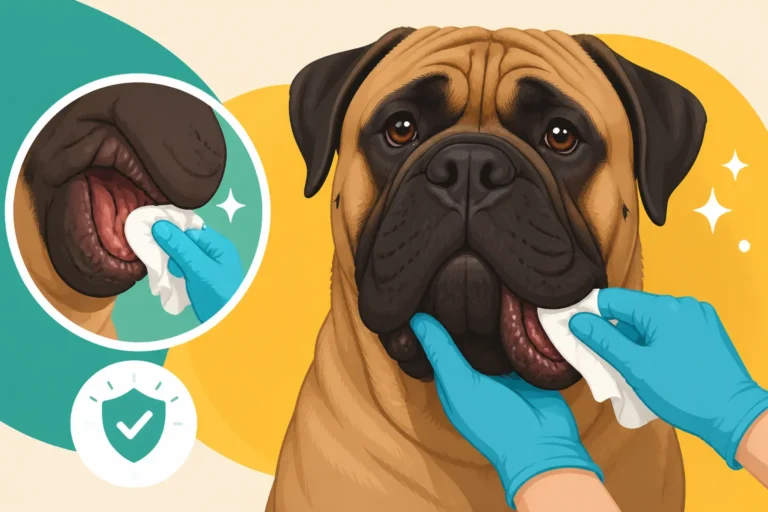
First and foremost, regular post-meal checks and wipes are essential. As soon as your Bullmastiff finishes eating, take a soft, damp cloth or a piece of dog-specific dental wipe and gently clean around their mouth. Pay special attention to lifting their jowls and wiping inside the lip folds, as this is where food loves to hide. This simple act removes any immediate trapped food, slobber, and prevents bacterial buildup. I always keep a stack of clean washcloths by my Bullmastiff's feeding area, making it easy to grab one after every meal. How to Wipe a Bullmastiff's Mouth After Meals delves deeper into the technique for this vital step.
Brushing your Bullmastiff’s teeth, even just a few times a week, makes a world of difference. Use a large breed toothbrush (often finger brushes work best for getting into those tight spots) and an enzymatic dog toothpaste. Never use human toothpaste, as it contains ingredients toxic to dogs. Focus on the outer surfaces of the teeth, paying attention to the back molars and the gumline where plaque tends to accumulate. Even if you only manage a quick brush for 30 seconds, it's better than nothing. Regular brushing helps dislodge any stubborn food particles and prevents plaque from hardening into tartar. Whether a Bullmastiff's Teeth Need Brushing is a resounding yes from most vets!
Finally, incorporating dental chews or appropriate chew toys can provide supplementary cleaning action. While not a substitute for brushing, many dental chews are designed to scrape plaque off teeth as your dog chews. Just be sure to choose chews appropriate for your Bullmastiff's size and chewing style to prevent choking hazards. Look for trusted brands on Chewy or Amazon and always supervise your dog while they’re enjoying a chew.
What to Do When Food Gets Stuck
Despite our best efforts, sometimes food will inevitably get stuck. It happens! The key is to know how to respond safely and effectively to minimize discomfort and prevent more serious problems.
At-Home Inspection and Gentle Removal
The moment you suspect food is trapped or you notice a foul odor, it's time for a thorough at-home inspection. Get your Bullmastiff into a comfortable, well-lit position. You might need to have someone gently hold their head if they're not used to having their mouth examined. Start by gently lifting their upper lips and pulling down their lower jowls, systematically checking all the areas where food tends to hide: along the gumline, between teeth, and deep within those lip folds. Sometimes you can see a piece of kibble wedged in there quite clearly.
If you spot something, the goal is gentle removal. Use a soft, damp cloth or a cotton swab to try and dislodge it. You can also try gently rinsing their mouth with a small amount of warm water from a syringe (without a needle, of course) or a squeeze bottle, directing the stream at the trapped food. A soft-bristled toothbrush can also be used with care to gently brush the area. The crucial word here is gentle. Never use sharp objects like toothpicks, tweezers, or your fingernails, as you could easily injure their gums or teeth, leading to infection or further complications. If the food seems firmly stuck and you can't easily dislodge it with gentle methods, don't force it. Pushing it further in can cause more harm than good. How to Clean a Bullmastiff's Face Wrinkles is a good reference for gentle cleaning techniques that apply here.
When to Seek Veterinary Assistance
While many instances of trapped food can be resolved at home, there are times when a trip to the vet is absolutely necessary. You should seek professional help if:
- You can't remove the food: If the food particle is deeply wedged, hard to reach, or your Bullmastiff is in too much discomfort for you to attempt removal, it's best to let a professional handle it. Vets have specialized tools and techniques for safely removing foreign objects from a dog's mouth.
- There are signs of pain or distress: If your Bullmastiff is pawing at their mouth incessantly, refusing to eat, drooling excessively, rubbing their face, or showing any signs of pain (like yelping when you touch the area), it could indicate a deeper problem or an injury.
- You notice inflammation or infection: Redness, swelling, discharge (pus), a very strong foul odor, or bleeding from the gums or lip folds are all red flags. These symptoms suggest a potential infection that will require veterinary treatment, possibly including antibiotics or anti-inflammatory medication. This is directly related to Signs a Bullmastiff's Fold Is Infected.
- Your Bullmastiff has bad breath that doesn't improve: Persistent bad breath, even after regular cleaning, can be a sign of underlying dental disease or an infection that needs professional attention.
- You suspect a broken tooth or gum injury: If the trapped food was particularly hard or sharp, or if your Bullmastiff chewed aggressively, there's a chance they might have chipped a tooth or injured their gums. These injuries can be painful and lead to infection if not treated.
Your vet can perform a thorough oral examination, possibly under sedation if your Bullmastiff is uncooperative or in pain, and safely remove any trapped food. They can also address any resulting dental issues, infections, or injuries. Don't hesitate to contact them if you have any concerns; it's always better to be safe than sorry when it comes to your Bullmastiff's health and comfort.
Disclaimer
This article is for general informational purposes only and does not constitute professional advice. Laws, prices and regulations vary by location and change over time. Consult a qualified professional for guidance on your specific situation.