What an Aging Bullmastiff’s Coat Looks Like
It’s a bittersweet moment when you start to notice the subtle, yet undeniable, changes in your beloved Bullmastiff’s coat. One day, they’re a picture of youthful vigor, and the next, you spot that first distinguished streak of silver around their muzzle, or feel a slight shift in the texture of their fur. These changes are a natural part of aging, but understanding what to look for, and when a change might signal something more, is crucial for keeping your senior Bullmastiff comfortable and healthy. This guide will walk you through the typical transformations in an aging Bullmastiff's coat, helping you discern normal signs of time from those that might warrant a closer look from your vet.
The Subtle Shift: Early Signs of Coat Changes in Senior Bullmastiffs
Just like us, Bullmastiffs show their age, and often, the first place we truly notice it is in their fur. It's a gentle transition, not a sudden flip of a switch, and it can catch you off guard with its quiet progression. You might find yourself staring at your loyal companion, wondering when those little specks of gray decided to become quite so prominent, or why their once rich fawn coat seems a touch less vibrant.
Graying Around the Muzzle and Eyes
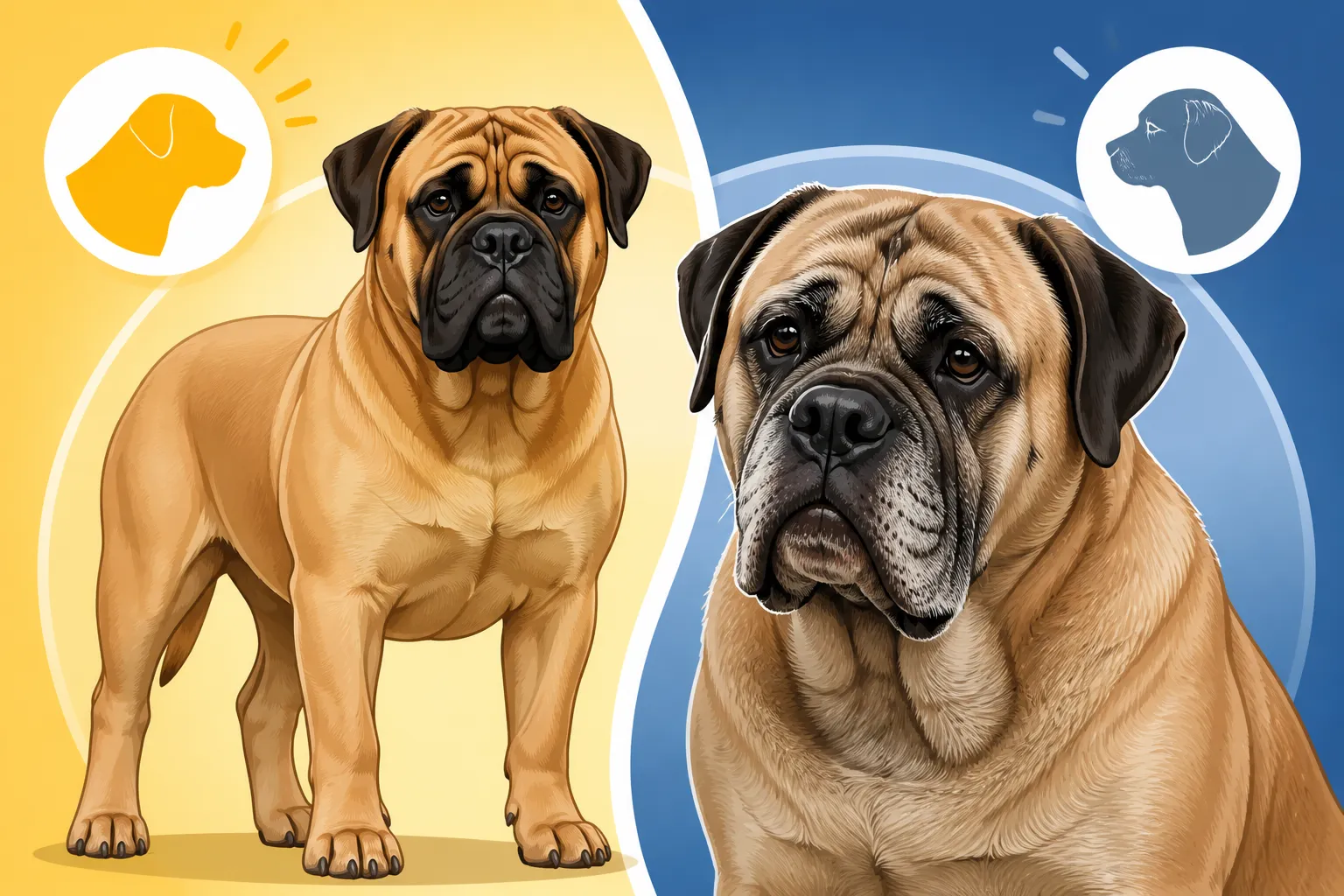
This is often the hallmark of a senior dog, regardless of breed, but it has a particular charm on a Bullmastiff's noble face. You’ll typically see the first wisps of white or gray hairs appearing around their muzzle, almost like powdered sugar. This can then spread to their chin, eyebrows, and around their eyes, giving them a wise and distinguished appearance. It's a universal sign of age, often starting as early as five or six years old for some Bullmastiffs, though others might hold onto their youthful color a bit longer.
For many Bullmastiff owners, seeing this graying can bring a pang of emotion. It's a tangible reminder that your puppy is truly growing into their golden years. Initially, it might just be a few stray hairs, easily missed. But over time, especially after your Bullmastiff reaches around The Age a Bullmastiff Is Considered Senior, those sparse hairs will fill in, creating a more pronounced silvering. This process is usually symmetrical and gradual, a slow fade rather than an abrupt change. If you notice sudden, uneven patches of graying, or accompanying skin irritation, that’s a different story and worth mentioning to your vet. Otherwise, enjoy those distinguished silver whiskers – they tell a story of many years of love and companionship.
A Fading in Color and Intensity
Beyond the graying, you might notice that the overall color of your Bullmastiff's coat, whether they are a fawn, red, or brindle, starts to lose some of its youthful vibrancy. That deep, rich red might soften to a more muted tone, or a vibrant fawn could become a lighter, perhaps almost dusty, shade. Even the intricate patterns of a brindle Bullmastiff can seem less sharply defined, the stripes perhaps a little less stark against their base color.
This fading isn't just about the absence of color; it's a reflection of changes happening at a cellular level within the hair follicles. As dogs age, the pigment-producing cells in their hair follicles become less efficient, or even stop functioning entirely. The coat might also appear duller due to a reduction in the natural oils that contribute to a healthy sheen. You might find yourself thinking, "Did their coat always look this way?" and realizing the shift has been so gradual you barely noticed until one day it was undeniable. This general dulling or lightening of the coat is a normal part of the aging process and, by itself, is usually not a cause for concern, though it can be an indicator that their skin and coat might benefit from some extra nutritional support or external conditioning to restore some luster.
Texture and Thickness: More Than Just Color
It’s not just the color that changes as your Bullmastiff matures into their senior years; the very feel and density of their coat can undergo a transformation too. That smooth, often plush, puppy coat eventually gives way to a more adult texture, but as they age further, even that adult coat can start to feel different under your hand. You might notice areas that feel a little thinner, or individual hairs that seem coarser than they once did.
Thinning Hair and Patchiness
One of the common changes you might observe is a general thinning of your Bullmastiff’s coat. This can manifest in several ways: a reduction in the density of the undercoat, making the fur feel less lush, or more noticeable hair loss, particularly in certain areas. You might run your hand over their back and feel less "bulk" than before, or notice that the hair on their flanks, belly, or even behind their ears seems sparser.
For many senior Bullmastiffs, this thinning is a slow and even process, often related to a general decline in the efficiency of hair follicle function as they age. However, sometimes thinning can be more pronounced or appear as distinct patches, and that's when you should pay closer attention. If you see bald spots, irritation, redness, or if the thinning is accompanied by excessive scratching, it could be a sign of an underlying health issue. Hormonal imbalances, like Hypothyroidism in a Bullmastiff, or skin infections can lead to significant hair loss and changes in coat quality. So, while some thinning is normal, any rapid, asymmetrical, or accompanied-by-other-symptoms hair loss warrants a vet visit.
Coarseness or Brittleness
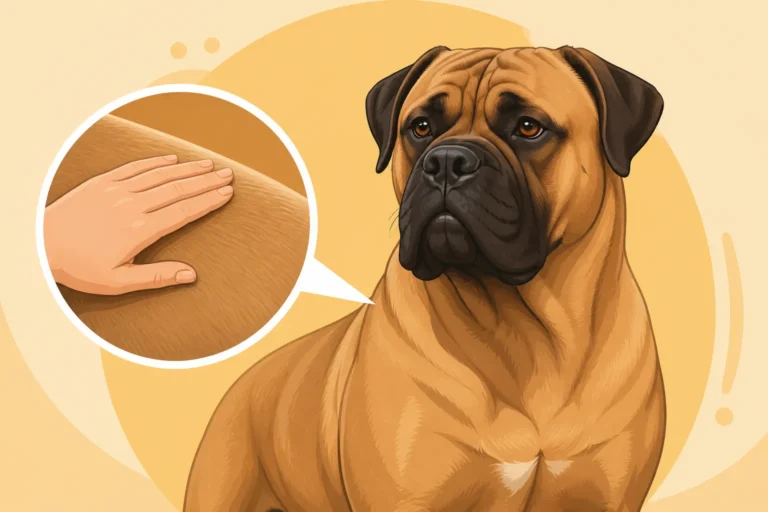
When you run your hands through your Bullmastiff’s coat, you might find it no longer has that soft, resilient feel it once did. Instead, it could feel a bit coarser, rougher, or even brittle to the touch. The individual hairs might seem less supple, more prone to breaking, or lack that healthy bounce. This change in texture often goes hand-in-hand with the fading of color and general dullness.
This shift in texture is often due to a combination of factors. Older skin tends to produce fewer natural oils, which are vital for keeping the coat moisturized and flexible. A lack of these oils can make the hair dry and more susceptible to damage. Additionally, an aging Bullmastiff's body might not be as efficient at absorbing nutrients crucial for hair health, even if they are eating a good diet. Dehydration can also play a role, as can environmental factors like excessive sun exposure or harsh grooming products. Ensuring your Bullmastiff is well-hydrated and reviewing their diet to make sure they're getting sufficient omega fatty acids can help, and many owners look to supplements available on sites like Chewy or Amazon to support skin and coat health in their seniors. If the brittleness is severe, or accompanied by flaking skin or unusual odor, it’s always best to consult with your veterinarian to rule out any medical causes.
Shedding Patterns and Skin Health as They Age
It’s easy to think of a Bullmastiff’s coat as simply hair, but it’s intimately connected to their skin, which is the largest organ of their body. As your Bullmastiff enters their senior years, both their shedding habits and the health of their underlying skin can change, sometimes subtly, sometimes dramatically. Keeping an eye on these shifts can give you valuable insights into their overall well-being.
Changes in Shedding
You might be used to a certain amount of shedding from your Bullmastiff – those short, stiff hairs that somehow manage to weave themselves into every fabric in your home! But as they age, you might notice changes in this familiar routine. Some owners report that their senior Bullmastiff sheds less than they did in their prime, as hair growth cycles slow down. Others find that shedding becomes more persistent, or that specific areas seem to shed more frequently or heavily.
It's common for an aging coat to become a bit less dense, which can sometimes lead to the perception of less shedding, simply because there's less hair overall. However, if your Bullmastiff suddenly starts shedding excessively or in clumps, this is a definite red flag. This kind of acute shedding, especially if accompanied by visible skin irritation, lethargy, or changes in appetite, could point to a stress response, allergies, or an underlying medical condition. It’s also important to remember that even if shedding decreases, regular brushing is still vital. It helps distribute natural oils, removes dead hair, and stimulates circulation, which are all beneficial for an older dog’s skin. You can find a good quality brush on Amazon specifically designed for short-coated breeds to help with this. How Much a Bullmastiff Sheds can give you a baseline for what’s normal for the breed, but be prepared for individual variations as they age.
Increased Sensitivity and Skin Issues
Just as human skin becomes more delicate with age, so too can your Bullmastiff's. The skin under their coat might become thinner, less elastic, and more prone to dryness. This increased sensitivity means they might react differently to environmental allergens, grooming products, or even changes in humidity. You might notice them scratching more often, even without visible fleas, or developing dry, flaky patches.
Older Bullmastiffs can also be more susceptible to conditions like hot spots, minor infections, or pressure sores, especially if they spend more time lying down. Their immune system may not be as robust as it once was, making them slower to heal or more prone to secondary infections when their skin is compromised. Maintaining good hygiene, gentle grooming, and providing soft, supportive bedding (you can find excellent orthopedic beds on Chewy) can help prevent some of these issues. If you notice persistent redness, inflammation, sores, excessive licking or chewing at specific areas, or a foul odor emanating from the skin or coat, don't hesitate to contact your vet. These symptoms are often indicators of something more serious than just aging skin and require professional attention.
What These Coat Changes Mean for Your Bullmastiff's Health
It's natural to observe your aging Bullmastiff and wonder if every little change is a sign of trouble. The coat is a wonderful barometer of internal health, and while many changes are simply part of the natural aging process, others can serve as important clues that your beloved companion might need a little extra care or a vet visit.
Normal Aging vs. Underlying Health Concerns
Distinguishing between a normal sign of aging and a symptom of a health issue can be tricky. Generally, normal aging changes are gradual, symmetrical, and don't cause your Bullmastiff discomfort. The graying muzzle, the slight dulling of coat color, and a general, even thinning of the fur without bald patches or irritation usually fall into this category. These are the graceful signs of a life well-lived.
However, certain coat changes should prompt a call to your veterinarian. These include:
- Sudden or rapid changes: If your Bullmastiff's coat quality deteriorates quickly over weeks rather than months or years.
- Patchy or asymmetrical hair loss: Bald spots, particularly if they are red, itchy, or scabby.
- Severe dullness, greasiness, or dryness: A coat that feels consistently oily or extremely dry and flaky could indicate metabolic issues or nutritional deficiencies.
- New lumps or bumps under the coat: While not strictly a coat change, discovering new growths during grooming is vital for early detection of issues like Mast Cell Tumors and the Lumps on a Bullmastiff.
- Excessive scratching, licking, or chewing: This often points to allergies, parasites, or skin infections.
- Changes accompanied by other symptoms: If coat changes coincide with lethargy, weight changes (either gain or loss), changes in appetite or thirst, or behavioral shifts, it's definitely time for a check-up. Conditions like Hypothyroidism in a Bullmastiff are notorious for causing significant coat and skin problems.
Here’s a quick overview to help differentiate:
| Feature | Normal Aging Change | Potential Health Concern |
|---|---|---|
| Color | Gradual graying (muzzle, eyes), overall slight fading | Sudden, widespread depigmentation; extreme dullness/discoloration |
| Texture | Slightly coarser, less soft, some brittleness | Very brittle, excessively oily, or extremely dry/flaky |
| Thickness | General, even thinning; less dense undercoat | Patchy hair loss, bald spots, uneven thinning, excessive shedding |
| Skin beneath | Mild dryness, reduced elasticity | Redness, inflammation, sores, scabs, strong odor, excessive itching |
| Accompanying Symptoms | None, dog remains active and comfortable | Lethargy, appetite changes, weight loss/gain, excessive scratching, behavioral changes |
Taking your aging Bullmastiff for How Often a Bullmastiff Needs a Wellness Exam is crucial. Your vet can perform blood tests and skin scrapes if needed, to rule out underlying medical conditions and address any discomfort.
Supporting a Healthy Coat in Senior Years
Even with the inevitable march of time, you can do a lot to support your senior Bullmastiff's coat and skin health. It's all about providing foundational care and making thoughtful adjustments as their needs evolve.
Firstly, nutrition is paramount. An aging Bullmastiff's body processes nutrients differently, and a high-quality diet formulated for senior dogs can make a huge difference. Look for foods rich in omega-3 and omega-6 fatty acids, as these are crucial for skin barrier function and coat luster. Brands like Ollie offer fresh, customized meal plans that often provide these vital nutrients in a highly digestible form, which can be beneficial for older dogs. You might also consider adding supplements like fish oil, readily available on Chewy or Amazon, to their daily regimen, but always discuss this with your vet first to ensure proper dosage. Whether an Aging Bullmastiff Needs Softer Food is another consideration, as dental health can also impact overall nutrient intake.
Secondly, regular, gentle grooming is essential. Even if your Bullmastiff sheds less, daily brushing helps remove dead hair, prevents matting (especially in areas like behind the ears or on the flanks), and stimulates blood circulation to the skin. This can encourage healthier hair growth and help distribute natural skin oils. Be extra gentle, as older skin can be more fragile. How Often a Bullmastiff Needs Brushing is a good baseline, but adjust to your individual dog's needs.
Thirdly, hydration is key. Ensure your Bullmastiff always has access to fresh, clean water. Good hydration contributes to skin elasticity and overall health, which in turn reflects in the coat.
Finally, environmental comfort plays a role. Protect your senior Bullmastiff from extreme temperatures and excessive sun exposure, which can dry out their skin and coat. Provide soft, supportive bedding to prevent pressure sores and ensure comfort, as these can indirectly affect skin health. Keeping a Bullmastiff Lean Is the Best Thing You Can Do for their overall health, and a healthy weight often correlates with a healthier coat.
By being observant and proactive, you can help your aging Bullmastiff enjoy a comfortable, healthy coat throughout their golden years. These changes are a testament to the life you've shared, and with a little extra care, their coat can remain a source of pride and softness for years to come.
Disclaimer
This article is for general informational purposes only and does not constitute professional advice. Laws, prices and regulations vary by location and change over time. Consult a qualified professional for guidance on your specific situation.