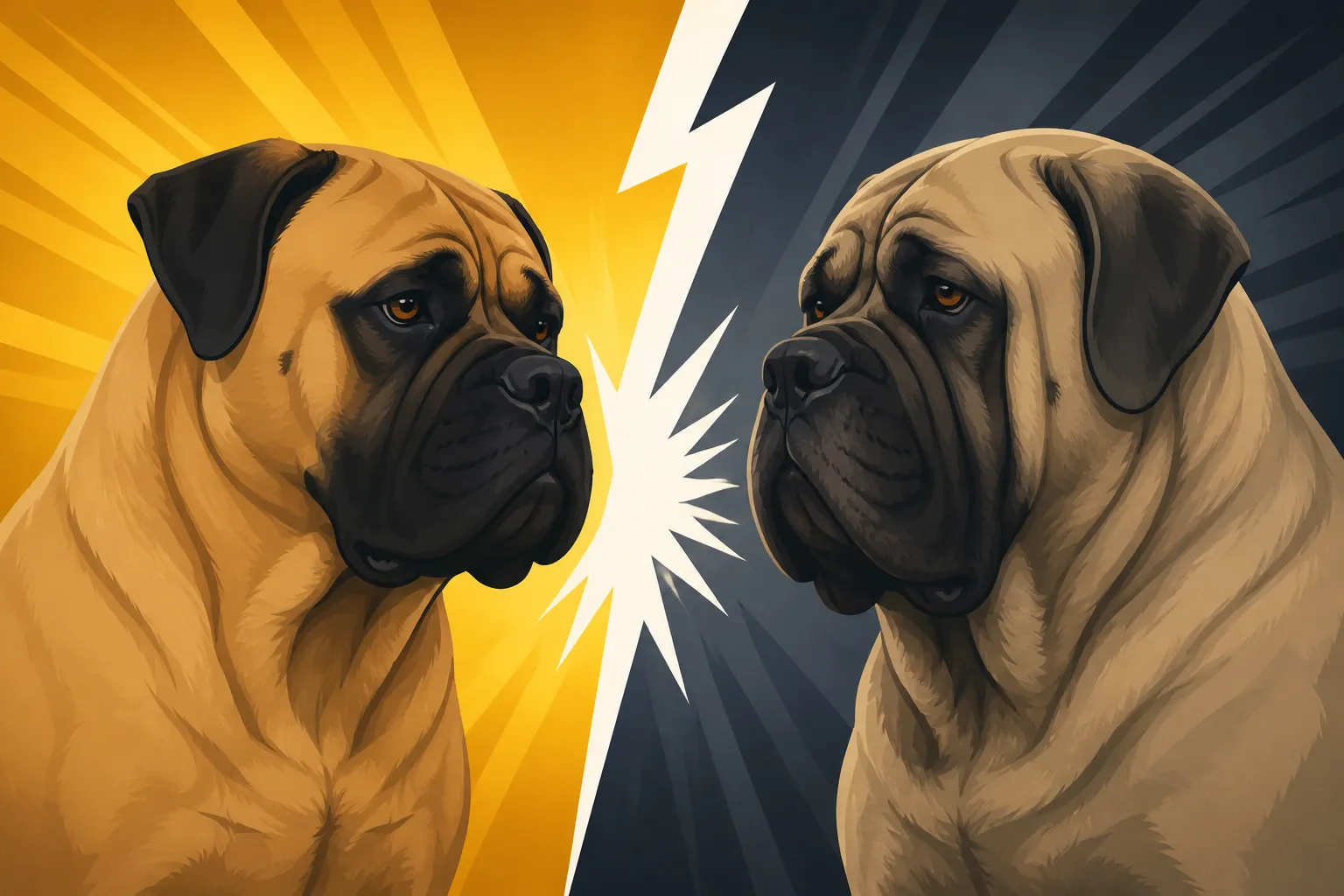
The Bullmastiff Against the Mastiff
It's easy to look at a Bullmastiff and a Mastiff and think they're essentially the same dog, or perhaps just different versions of the same ancient breed. Many people, myself included when I first started my journey with these magnificent dogs, initially struggled to discern the nuanced differences beyond their sheer size. But while they share a powerful presence and a deep loyalty, these two molossers have distinct histories, temperaments, and needs that make them uniquely suited to different homes. This guide will delve into these differences, helping you understand what truly sets the Bullmastiff apart from its larger cousin.
A Shared History, Divergent Paths
While both the Mastiff and the Bullmastiff trace their lineage back to ancient protectors, their specific purposes diverged significantly, shaping the breeds we know and love today. Understanding their historical roles is key to appreciating their modern traits.
The Ancient Roots of the Mastiff
The Mastiff, often referred to as the "Old English Mastiff," boasts a truly ancient history, with ancestors thought to have been brought to Britain by the Phoenicians thousands of years ago. These massive dogs were bred for sheer strength and intimidation. Imagine a dog tasked with guarding estates, accompanying Roman legions, or even participating in brutal arena sports. Their size alone was a deterrent, and their calm, imposing presence was precisely what was needed to stand watch over vast properties and ensure the safety of their human families. They were the ultimate watchdogs, relying on their formidable appearance and deep, resonant bark to ward off intruders, rather than engaging in swift pursuit. They were often tethered or confined to a specific area, their role being one of static, unwavering protection.
The Bullmastiff's Gamekeeper Origins
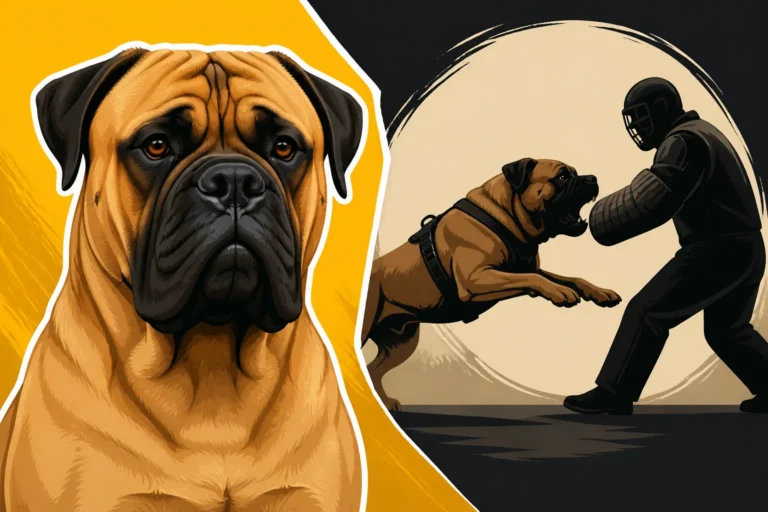
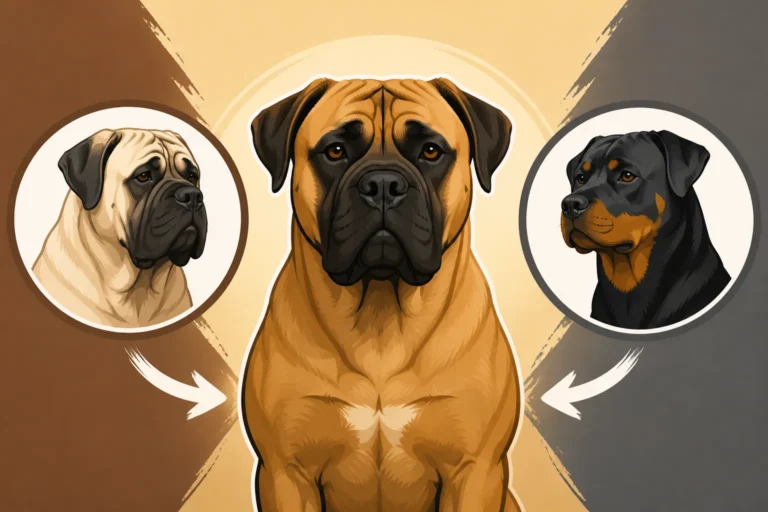
The Bullmastiff's story is much more recent, born out of a very specific need in 19th-century England. As poaching became a serious problem on large estates, gamekeepers needed a dog that could actively assist them in catching and holding poachers without severely injuring them. The Mastiff, while powerful, was often too slow and its temperament not suited for active pursuit. The Bulldog of the era, while agile and tenacious, lacked the necessary size and strength. So, the gamekeepers began to cross the Mastiff with the Bulldog, aiming for a dog that was roughly The Bullmastiff Is Sixty Percent Mastiff and Forty Percent Bulldog. This new breed needed to be faster than the Mastiff, but also quiet and capable of tracking a human through the night. Its primary job was to use its bulk to knock down and hold a man, pinning him until the gamekeeper arrived. They were bred to be silent, swift, and effective deterrents against criminals who were often armed and desperate. This distinct role meant they couldn't be purely intimidating; they needed a specific set of active working traits. If you're curious about their initial purpose, read more in The Bullmastiff Was Built to Catch Poachers in the Dark.
How Their Roles Shaped Their Development
The different jobs these dogs performed had a profound impact on their physical and psychological development. The Mastiff, with its centuries-long history as a guardian of property, evolved into a truly gigantic breed, often possessing a serene and patient disposition, almost as if aware of its own immense power. They were bred to be imposing, capable of scaring off threats with their mere presence. Their instinct is often to stand their ground.
The Bullmastiff, on the other hand, was developed for a more active, dynamic role. It needed to be agile enough to pursue, strong enough to subdue, and intelligent enough to understand the nuanced command of "hold." This meant a slightly more compact, muscular build and a quicker, more alert temperament. They retain the Mastiff's protective instincts but pair them with the Bulldog's tenacity and athleticism. This blend results in a dog that is often more reactive and ready to engage when a threat is perceived, though still with a strong sense of discrimination. Their entire design, from muzzle to tail, was about effective, non-lethal apprehension.
Size and Stature: The Obvious Differences
Even a casual observer can tell these breeds are large, but there are distinct differences in their overall size and build that are critical to understand when considering which might be right for your home.
Weighing In: Mastiff vs. Bullmastiff
When we talk about weight, the Mastiff is truly in a league of its own. These dogs are absolute behemoths. An adult male Mastiff can easily tip the scales at 160 to 230 pounds, with some individuals growing even larger. Females are typically a bit smaller, ranging from 120 to 170 pounds, but still incredibly substantial. Imagine an animal that weighs as much as, or more than, an average adult human! This sheer mass contributes to their imposing presence but also comes with unique challenges in terms of mobility, joint health, and even the size of your vehicle.
The Bullmastiff, while undeniably a large and powerful dog, is considerably more moderate in comparison. Males typically weigh between 110 and 130 pounds, while females usually range from 100 to 120 pounds. While still a very big dog – imagine trying to walk A Hundred and Thirty Pounds of Bullmastiff, Measured on a leash if they decide to chase a squirrel! – they are built for more agility and speed than their Mastiff cousins. This "medium-large" giant size means they are often perceived as less overwhelming by people unfamiliar with giant breeds, and their weight can be slightly more manageable in terms of general care and potential vet visits.
Standing Tall: Height and Build
Height also distinguishes these two magnificent breeds. Mastiffs are among the tallest dogs, with males typically standing 30 to 36 inches at the shoulder, and females 27.5 to 30 inches. Their immense height, combined with their bulk, creates an impressive, almost regal silhouette. They have a deep chest, well-sprung ribs, and powerful hindquarters, giving them a truly majestic and ponderous appearance. Their body is generally longer than it is tall, giving them a rectangular profile.
Bullmastiffs are shorter and more compact. Males stand 25 to 27 inches at the shoulder, and females 24 to 26 inches. Their build is often described as powerful and symmetrical, showcasing the athleticism required for their original job. They have a broad, deep chest and a shorter back, giving them a more square and substantial look than the Mastiff. This combination of height and weight means they are built for power and quick bursts of movement rather than sustained speed or sheer overwhelming mass. You'll notice they have a very athletic, almost "bulldoggy" musculature beneath their smooth coat.
The Distinctive Head and Muzzle
Both breeds have impressive heads, but again, there are clear differences. The Mastiff has a large, broad, and somewhat heavy head with a moderate stop and a long, square muzzle. Their jowls are usually more pronounced, contributing to their famously droopy appearance. You'll often see more loose skin around their face and neck, giving them a benevolent, wrinkled look.
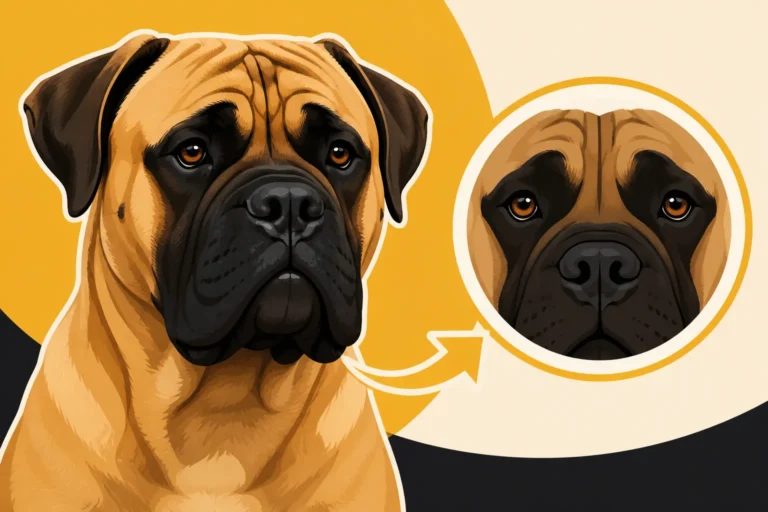
The Bullmastiff's head is broad and somewhat wrinkled, but it's typically more square and less heavily jowled than the Mastiff's. The Bullmastiff's muzzle is shorter, usually about one-third the length of the entire head, and broad. This shorter muzzle is a clear nod to their Bulldog heritage, providing a powerful grip. They also typically have a very distinct black mask that covers their muzzle, extending up around their eyes, which is a hallmark of the breed. This mask is a crucial characteristic, and you can learn more about it in The Black Mask Every Bullmastiff Must Have. While both breeds can drool, the Bullmastiff's slightly tighter lips often mean less excessive drooling compared to some Mastiffs, though a Bullmastiff owner will still tell you that Drool Is the Daily Job With a Bullmastiff!
Here’s a quick comparison of their key physical traits:
| Feature | Mastiff | Bullmastiff |
|---|---|---|
| Weight (Male) | 160-230+ lbs | 110-130 lbs |
| Weight (Female) | 120-170 lbs | 100-120 lbs |
| Height (Male) | 30-36 inches | 25-27 inches |
| Height (Female) | 27.5-30 inches | 24-26 inches |
| Build | Very large, rectangular, often ponderous | Powerful, symmetrical, square, athletic |
| Head | Large, broad, heavy, pronounced jowls | Broad, square, somewhat wrinkled, distinct mask |
| Muzzle | Long, square, moderate stop | Shorter (1/3 head length), broad, black mask |
| Loose Skin | More prominent, especially on face/neck | Less pronounced, especially on face |
Temperament and Disposition: Guarding Styles
Both breeds are known for their protective instincts, but the way they express these traits and interact with the world around them is quite different, rooted deeply in their original roles.
The Mastiff: A Gentle, Patient Protector
The Mastiff is often described as a "gentle giant" or a "nanny dog," and for good reason. Despite their imposing size, their temperament is typically one of extreme gentleness, patience, and unwavering devotion to their family. They are calm, dignified, and remarkably good with children, often tolerating endless pats and clumsy interactions with a serene composure. They tend to be less energetic and more inclined to lounge by your side, observing the world with quiet vigilance.
Their protective instincts manifest primarily as a formidable deterrent. A Mastiff rarely needs to bark or physically engage; their sheer size and serious demeanor are usually enough to make an intruder think twice. If a perceived threat persists, a Mastiff might place itself between its family and the stranger, or give a deep, rumbling growl, but they are not typically quick to aggression. They assess situations carefully and tend to be slow to react, preferring to intimidate rather than confront. However, their size means any reaction, even a gentle one, can be impactful, so proper socialization and training are still essential to ensure they understand appropriate boundaries.
The Bullmastiff: The Silent, Alert Guardian
The Bullmastiff, while equally devoted to its family, embodies a more active and alert form of guardianship. Bred to catch and hold, they are inherently more watchful and responsive to their environment. They have a strong instinct to survey their surroundings and are quicker to notice and react to anything out of the ordinary. While not typically barkers (as they were bred to be silent working dogs), they possess a deep, rumbling growl that can certainly command attention. They are often described as having a "gamekeeper's intelligence," meaning they are discerning and can quickly distinguish between a friend and a potential threat. For more on their guarding nature, check out How Protective a Bullmastiff Is.
With strangers, a Bullmastiff will likely be reserved and observant. They may stand between you and a newcomer, or subtly block a pathway. They are not prone to indiscriminate barking or aggression, but they will certainly let you know if they are uncomfortable with a situation. Once they accept a person, they are generally calm and affectionate. This breed also loves to lean into its people, a characteristic often attributed to their "holding" instinct from their gamekeeper days – they were bred to keep a poacher from moving!
Family Dynamics and Stranger Interactions
Both breeds are deeply loyal to their families, but their approaches differ. A Mastiff will often adopt a whole-house guardianship, slowly ambling to check on each family member and settling nearby. They are often content with quiet companionship and will usually accept trusted friends and relatives with their characteristic gentle tolerance. They are big softies who love to be included but aren't necessarily "in your face" about it.
The Bullmastiff often forms a particularly strong bond with one or two primary caregivers, although they are affectionate with the entire family. They tend to be more "velcro" dogs, following you from room to room. Their alert nature means they are constantly aware of who is coming and going. While they are usually excellent with children within their family, their sheer size and playful bursts of energy can mean they sometimes accidentally knock over smaller kids, so supervision is always vital. Introducing them to new people requires a calm, structured approach, allowing them to observe and accept on their own terms. When someone new comes to the house, don't be surprised if your Bullmastiff watches them like a hawk until given the all-clear from you.
Exercise and Energy Levels: Gentle Giants or Active Companions
It's a common misconception that all large dogs need vast amounts of exercise. While both breeds benefit from regular activity, their needs are quite distinct, largely dictated by their historical roles and physical builds.
The Mastiff's Relaxed Routine
The Mastiff is undeniably a low-energy breed. They are not built for strenuous activity or long-distance running. Their immense size and weight put significant stress on their joints, especially during their growth phases. Adult Mastiffs are perfectly content with a couple of short, leisurely walks each day, perhaps a slow wander around the yard, and plenty of nap time on a comfy bed. Their ideal day often involves snoozing on the sofa, occasionally moving to a sunbeam, and always being close to their people.
Over-exercising a Mastiff, particularly as a puppy, can lead to serious orthopedic problems later in life. Their joints need time to develop without excessive strain. While they enjoy being outdoors, especially in cooler weather, they are not dogs for hiking trails, jogging partners, or intense dog park sessions. Their primary activity is usually observing their domain and gently interacting with their family.
The Bullmastiff's Need for Purposeful Activity
The Bullmastiff, while still a giant breed that enjoys its rest, definitely requires more structured exercise than the Mastiff. Remember, they were bred to be more active, capable of tracking and subduing. This translates to a need for moderate, consistent exercise to keep them physically and mentally healthy. A Bullmastiff typically thrives with a daily routine that includes a brisk walk (30-60 minutes), some playtime in a securely fenced yard, and mental stimulation through training or puzzle toys.
They aren't endurance athletes, but they have bursts of energy and enjoy short sprints and games of fetch. They need a purpose, and channeling their natural protective instincts and intelligence into obedience training or scent work can be incredibly rewarding. If not given adequate exercise and mental stimulation, a Bullmastiff can become bored, which might lead to destructive behaviors like chewing or excessive digging. For a deeper dive into their exercise needs, consider How Much Exercise a Bullmastiff Needs. It's a common misunderstanding that Why a Bullmastiff Needs Less Exercise Than It Looks, but "less" here is relative to more athletic breeds, not "none."
Managing Their Exercise as Puppies and Adults
For both breeds, managing puppy exercise is crucial. Giant breed puppies grow rapidly, and their bones and joints are highly susceptible to damage from excessive impact or strain.
Mastiff Puppies: Should have very limited formal exercise. Short, supervised play sessions on soft surfaces are ideal. Long walks, jumping, or repetitive activities should be avoided until they are fully grown, which can be up to two years or even more. Their exercise should largely be self-directed and low-impact.
Bullmastiff Puppies: Also require careful exercise management. While they have more energy, it's vital to keep their activities short, structured, and low-impact during their rapid growth phase. Avoid forced running, jumping from heights, or long walks until their growth plates have closed, typically around 18-24 months. Think multiple short play sessions and training bursts rather than one long, intense activity. Keeping a Bullmastiff puppy lean through careful feeding is also critical for joint health, as extra weight puts more stress on developing bones. When it comes to their diet, places like Chewy offer a wide array of large breed puppy formulas designed to support slow, steady growth, which is exactly what these big pups need.
As adults, both breeds still benefit from consistency. The Mastiff will continue its laid-back lifestyle, while the Bullmastiff will happily engage in moderate daily activity to stay fit and happy. Remember, a well-exercised dog is a well-behaved dog, even if "well-exercised" means something different for a Mastiff than it does for a Border Collie!
Care Requirements: More Than Just Food and Water
Owning a giant breed means you're signing up for "large" everything – large food bills, large medication doses, large beds, and specific care needs. Both the Mastiff and the Bullmastiff share some of these large-scale requirements, but also have their own peculiarities.
Feeding the Giants: Nutritional Needs
Feeding any giant breed is a significant undertaking, both in terms of quantity and quality. Both Mastiffs and Bullmastiffs need a high-quality large-breed specific dog food. These formulas are typically designed with a carefully balanced calcium and phosphorus ratio to support slow, steady bone growth in puppies, which is crucial to help prevent orthopedic issues like hip and elbow dysplasia. As adults, they need food that supports their large muscle mass and provides appropriate energy without leading to obesity.
Mastiffs: Due to their sheer size, adult Mastiffs can consume a substantial amount of food daily, often needing 6-10 cups or more, divided into at least two meals to prevent bloat, a life-threatening condition common in deep-chested breeds. Their slow metabolism means it's easy for them to put on excess weight if their food intake isn't carefully monitored.
Bullmastiffs: While they eat less than a Mastiff, they still consume a considerable amount, typically 4-8 cups per day for an adult, also divided into two or more meals. Like Mastiffs, they are prone to bloat, so feeding multiple smaller meals and ensuring they rest after eating is vital. For more detailed insights, consider Feeding a Hundred and Thirty Pound Bullmastiff. Accessing quality food in bulk from retailers like Chewy can often make managing the large quantities more convenient and cost-effective.
Both breeds benefit from being kept lean throughout their lives, especially during puppyhood. Excess weight is a major contributor to joint problems and can shorten their lifespan. Regular body condition scoring is essential – you should be able to feel their ribs without seeing them prominently.
Grooming for a Short Coat, and for Drool
Neither breed is particularly high-maintenance in terms of coat care, but they both have a few grooming quirks.
Coat Care: Both Mastiffs and Bullmastiffs have short, dense coats that shed moderately year-round, with heavier shedding during seasonal changes. A weekly brushing with a rubber curry mitt or a bristle brush is usually sufficient to remove loose hair and distribute natural oils, keeping their coats healthy and shiny. Neither requires professional grooming, though baths are necessary when they get dirty.
Drool Management: This is where the breeds can differ. Mastiffs are generally known for being prolific droolers. Their looser jowls can collect saliva, and a shake of the head can send slobber flying across the room. Bullmastiffs, while still capable of impressive drool flings, often have tighter lips, which can mean slightly less constant drooling. However, after eating, drinking, or during excitement, a Bullmastiff will certainly produce its fair share of slobber. Keeping "drool rags" handy is a universal truth for both breeds! Regularly wiping their faces, especially around their jowls and any facial folds, can prevent skin irritation and odor.
Wrinkle Care: Bullmastiffs, with their more prominent facial wrinkles, may require a little extra attention to keep these areas clean and dry to prevent skin fold dermatitis. A quick daily wipe with a damp cloth and ensuring the folds are completely dry can go a long way.
Environmental Considerations
Due to their size and brachycephalic (short-nosed) tendencies, both breeds are sensitive to extreme temperatures.
Heat Sensitivity: Both Mastiffs and Bullmastiffs are highly susceptible to overheating, especially in warm or humid climates. Their short muzzles make it harder for them to pant effectively and cool themselves down. They should never be left outdoors in hot weather, and exercise should be limited to the cooler parts of the day. Air conditioning is not a luxury but a necessity for these breeds in many regions. Signs of overheating like excessive panting, lethargy, or stumbling demand immediate veterinary attention.
Cold Tolerance: Their short coats offer minimal insulation, so they can also get cold easily in winter. While a brisk walk in chilly weather is often enjoyed, prolonged exposure to freezing temperatures without protection is not advisable. A dog coat might be necessary for extended outdoor time in colder climates.
Space: While both breeds are often described as being relatively inactive indoors, their sheer size means they need space. They need room to turn around, stretch out, and move without constantly bumping into furniture or people. A large, orthopedic dog bed is a must for both breeds to support their heavy joints and prevent calluses. Investing in a quality bed, perhaps even a memory foam one available on Chewy, will pay dividends in their joint health and comfort over their lifetime.
Trainability and Intelligence: Working with Giants
Training a giant breed is not merely a suggestion; it is an absolute necessity. Given their immense strength and potential for stubbornness, early and consistent training is paramount for a well-behaved and safe companion.
Understanding Their Motivation
Both Mastiffs and Bullmastiffs are intelligent dogs, but they are not typically eager-to-please, "workaholic" breeds like some herding dogs. They are independent thinkers, and their intelligence often manifests as deliberation rather than lightning-fast obedience. They need to understand why they should do something, or at least be sufficiently motivated.
Mastiffs: Are generally slower to learn new commands but possess a solid, reliable nature once a behavior is established. They respond best to calm, patient, and positive reinforcement methods. Harsh corrections are usually counterproductive and can lead to a shut-down dog. Their motivation often comes from a desire to please their beloved family, combined with food rewards and gentle praise.
Bullmastiffs: Can be more willful and stubborn, a trait inherited from their Bulldog ancestry. They are intelligent and capable of learning complex commands, but they might take their time to "process" if they deem it worth their effort. Consistency is key, and finding what truly motivates your Bullmastiff (often high-value treats, favorite toys, or engaging praise) is essential. They also respond very poorly to heavy-handed training; they need a confident, fair leader who uses positive methods. When you're Training a Bullmastiff That Weighs More Than You Do, physical force is simply not an option, making positive reinforcement the only practical and humane approach.
Patience and Consistency in Training
For both breeds, successful training hinges on patience, consistency, and early intervention.
Start Young: Puppy classes and early socialization are critical. Introducing them to various sights, sounds, people, and other well-behaved dogs during their critical development period helps them grow into confident, well-adjusted adults. This is especially important for breeds with guarding instincts, as it teaches them appropriate responses to novel situations.
Positive Reinforcement: Both Mastiffs and Bullmastiffs thrive on positive reinforcement. Rewards-based training using treats, toys, and praise makes learning a positive experience and builds a strong bond between dog and owner. Clicker training can be very effective for these breeds, providing clear markers for desired behaviors.
Short Sessions: Keep training sessions short, fun, and engaging. Longer sessions can lead to boredom and disinterest, especially with a Bullmastiff's tendency to deliberate. Five to ten minutes, several times a day, is far more effective than one long, tedious session.
Leash Training: This is non-negotiable. Both breeds grow to be incredibly strong, and a pulling giant can be dangerous for both the dog and the handler. Start leash training as early as possible, using a front-clip harness or head halter to gain better control without causing discomfort. A solid "stay" and "heel" command are lifesavers.
Early Socialization and Handling
Beyond basic obedience, early and continuous socialization is vital.
Exposure: Regularly expose your Mastiff or Bullmastiff puppy to a wide variety of people, environments, and experiences in a positive and controlled manner. This helps them generalize their understanding of the world and develop confidence. Invite friends over, take them to dog-friendly stores (if appropriate for the individual dog), and explore different parks.
Handling: Get them accustomed to being handled, especially around their mouths, feet, and ears, from a young age. This makes future veterinary visits, nail trims, and grooming much easier and less stressful for everyone involved. Practice mock examinations, gently touching all parts of their body, and rewarding them for their cooperation. This is particularly important for breeds that can be suspicious of strangers, as it ensures they will tolerate essential handling from vets and groomers throughout their lives.
Lifespan and Health Concerns: A Look at Longevity
One of the most challenging aspects of loving giant breeds is their typically shorter lifespan compared to smaller dogs. Both Mastiffs and Bullmastiffs are susceptible to a range of health issues, many of which are characteristic of large and giant breeds.
Common Health Issues in Mastiffs
Mastiffs, despite their robust appearance, are prone to several significant health problems that can impact their quality of life and longevity.
- Bloat (Gastric Dilatation-Volvulus – GDV): This is an acute, life-threatening condition where the stomach twists, trapping gas and cutting off blood flow. It's an emergency requiring immediate surgery. Mastiffs, with their deep chests, are particularly at risk.
- Canine Hip and Elbow Dysplasia: Malformation of the hip and elbow joints is prevalent in many large breeds. It can lead to arthritis, pain, and lameness. Responsible breeders screen their dogs, but it remains a concern.
- Cancer: Various forms of cancer, including osteosarcoma (bone cancer) and lymphoma, are unfortunately common in Mastiffs.
- Cardiac Issues: Dilated cardiomyopathy (DCM) is a heart condition where the heart muscle weakens and becomes enlarged, affecting its ability to pump blood.
- Eye Problems: Conditions like entropion (inward-rolling eyelids) and ectropion (outward-rolling eyelids) can cause irritation and require surgical correction.
The median lifespan for a Mastiff is typically around 6-10 years, with variations based on genetics, care, and health management.
Bullmastiff Specific Health Challenges
Bullmastiffs, while sharing some common giant breed ailments, also have their own particular health concerns. The median lifespan for a Bullmastiff is notably shorter than many other breeds, with The Median Bullmastiff Lives Eight and a Half Years being a common figure. This shorter lifespan often means owners face significant health challenges earlier in their dog's life.
- Cancer: This is the leading cause of death in Bullmastiffs. Lymphoma is particularly prevalent, as is hemangiosarcoma and osteosarcoma. Lymphoma Kills More Bullmastiffs Than Anything Else, making it a major concern for the breed. If you're wondering What Most Bullmastiffs Die Of, the answer is almost certainly cancer.
- Subaortic Stenosis (SAS): This is a congenital heart defect that causes a narrowing below the aortic valve, restricting blood flow from the heart. It can range from mild to severe and can lead to sudden death. Subaortic Stenosis Is There Before a Bullmastiff's First Birthday and is a critical screening concern for ethical breeders.
- Hip and Elbow Dysplasia: Similar to Mastiffs, Bullmastiffs are highly susceptible to these joint conditions. Good breeding practices are essential to reduce the risk.
- Bloat (GDV): As a deep-chested breed, Bullmastiffs are also at high risk for bloat. Many owners opt for a prophylactic gastropexy during spay/neuter surgery to tack the stomach in place and prevent it from twisting.
- Entropion: This eyelid condition is also common in Bullmastiffs and can require surgical intervention.
- Hypothyroidism: An underactive thyroid gland, leading to symptoms like weight gain, lethargy, and skin issues. Hypothyroidism in a Bullmastiff is fairly common and can usually be managed with daily medication.
Managing Health for a Longer, Happier Life
For both breeds, proactive health management is absolutely crucial.
Responsible Breeding: Always seek a reputable breeder who performs extensive health testing on their breeding stock for conditions like hip and elbow dysplasia, cardiac issues (including SAS for Bullmastiffs), and eye problems. What a Bullmastiff Breeder Should Have Screened includes several key tests that can help reduce the incidence of hereditary diseases.
Preventative Care: Regular veterinary check-ups, appropriate vaccinations, parasite control, and maintaining a healthy weight are foundational to good health. Discuss bloat prevention strategies with your vet, including the possibility of gastropexy.
Early Detection: Be vigilant for any changes in your dog's behavior, appetite, or physical condition. Early detection of issues like cancer or heart disease can significantly impact treatment outcomes. Regular checks for lumps and bumps, especially important for Bullmastiffs due to their cancer risk, should be part of your routine.
Nutrition: As discussed, feeding a high-quality large-breed specific diet is essential for proper growth and maintaining optimal health throughout their lives. Stores like Chewy often carry specialized diets formulated for giant breeds, which can be immensely helpful.
Joint Support: Many owners choose to start joint supplements (glucosamine, chondroitin, MSM) early in their giant breed's life, even before signs of arthritis appear, to help support joint health over time.
While you cannot guarantee a long life, especially with breeds known for shorter lifespans, providing the best possible care from day one gives your beloved giant the best chance at a comfortable and happy existence.
Suitability for Different Lifestyles: Who's the Right Fit?
Choosing between a Mastiff and a Bullmastiff isn't just about preference; it's about matching the dog's inherent needs and traits to your lifestyle, experience, and living situation. Both are truly magnificent companions, but they thrive in different environments.
Living Space and Family Compatibility
Mastiff: Due to their gargantuan size, Mastiffs are best suited for homes with plenty of space, both indoors and out. A small apartment, while not entirely out of the question if their minimal exercise needs are met, would feel incredibly cramped for a dog of their stature. They need room to sprawl, stand up, and move without constantly bumping into furniture. A securely fenced yard is a bonus, allowing them to leisurely patrol their territory. They are typically excellent family dogs, renowned for their patience and gentleness with children, though their sheer size always necessitates supervision around very young kids to prevent accidental knocks. They thrive in a calm household where they can be an integrated part of the family, content to be a quiet, watchful presence. They are not suited for homes that expect a high-energy playmate or long adventures.
Bullmastiff: While smaller than the Mastiff, the Bullmastiff is still a substantial dog and needs adequate space. They are often more adaptable to slightly smaller living situations than a Mastiff, provided their exercise and mental stimulation needs are consistently met. A well-socialized and trained Bullmastiff can do well in a larger apartment or a house with a yard, but they absolutely need daily walks and engaging activities. They are also generally excellent with children, often forming strong bonds with the younger members of the family, but again, their power and enthusiasm mean careful supervision is always prudent. They do best with families who are active enough to meet their moderate exercise requirements but also appreciate a dog that loves to relax with them indoors. Their guarding instincts mean they are naturally wary of strangers, so a household with a constant stream of unfamiliar visitors might be challenging without significant management.
Experience Level of Owners
Mastiff: While incredibly gentle, a Mastiff is still a massive dog. Handling a 200-pound animal, even a docile one, requires a certain level of physical capability and understanding of giant breed dynamics. They are often a good choice for first-time giant breed owners who are committed to patient, consistent training and can provide a calm, structured environment. Their lower energy levels can be a blessing for those who aren't looking for an intensely active companion. However, their health issues and the sheer scale of their care requirements mean that a "first-time dog owner" might be overwhelmed without solid support and resources.
Bullmastiff: The Bullmastiff is often considered a breed better suited for experienced dog owners, or at least highly dedicated and informed first-time owners who are prepared for the commitment. Their intelligence, combined with a strong will and protective instincts, means they need an owner who can be a confident, consistent leader. They will test boundaries and require clear, fair guidance from puppyhood into adulthood. Training a Bullmastiff That Weighs More Than You Do isn't just a suggestion; it's a necessity, and a failure to establish leadership can lead to behavioral challenges that are difficult to manage in such a powerful dog. Their moderate exercise needs and slightly higher energy levels also demand more active engagement from their owners compared to a Mastiff.
The Commitment of Owning a Giant Breed
Regardless of which breed you choose, owning a giant dog is a massive commitment in every sense of the word.
- Financial Investment: From larger food bills (think bulk purchases from Chewy), more expensive medications (dosed by weight), larger crates and beds, to higher vet bills for treatments and surgeries, the financial outlay is significant. Even routine care like spaying/neutering or anesthesia costs more due to their size.
- Time Commitment: While Mastiffs are lower energy, both breeds require dedicated time for training, socialization, exercise, and basic care. Early puppyhood for either breed demands intensive time investment.
- Space: Not just floor space, but space in your car, space for their beds, and space in your life.
- Emotional Investment: The shorter lifespans of giant breeds mean that owners often face heartbreaking decisions and significant health challenges sooner than with smaller dogs. The bond formed with these loyal giants is profound, making their relatively brief time with us all the more precious.
Choosing between a Bullmastiff and a Mastiff ultimately comes down to a realistic assessment of your lifestyle, your experience, and what you're truly prepared to offer. Both are noble, devoted guardians, but they offer distinct forms of companionship and require different levels of active engagement.
Disclaimer
This article is for general informational purposes only and does not constitute professional advice. Laws, prices and regulations vary by location and change over time. Consult a qualified professional for guidance on your specific situation.