Why a Male Bullmastiff Outweighs a Female by Twenty Pounds
It’s a common sight at the dog park or even in our own homes: a male Bullmastiff standing next to a female, and the size difference is simply striking. You might find yourself wondering if your boy is just exceptionally large, or if your girl is particularly petite, but the truth is, this noticeable disparity in weight and overall mass is entirely normal and expected within the breed. This guide will delve into the fascinating reasons why male Bullmastiffs typically outweigh their female counterparts by about twenty pounds, exploring the biological, genetic, and developmental factors that contribute to this robust difference, and what it means for you as an owner.
The Biological Foundation of Size Differences in Dogs
When we talk about the size differences between male and female Bullmastiffs, we're really touching on a phenomenon known as sexual dimorphism. This isn't unique to Bullmastiffs, or even to dogs in general; it's a widespread biological characteristic across many animal species where males and females of the same species exhibit different traits beyond their primary reproductive organs. In the case of our beloved Bullmastiffs, this dimorphism manifests most clearly in size, weight, and general robustness.
Genetic Influences on Canine Size
At the very core of this difference lies genetics. Every dog, male or female, inherits a set of chromosomes from its parents. The most crucial pair for determining sex are the X and Y chromosomes. Females typically have two X chromosomes (XX), while males have one X and one Y chromosome (XY). The presence of the Y chromosome in males triggers the development of male characteristics, including the production of certain hormones that play a massive role in growth and physical build.
Beyond the sex chromosomes themselves, there are numerous genes located on other chromosomes that influence growth hormone production, bone density, muscle development, and overall body size. These genes interact in complex ways, and their expression can differ between sexes, often being modulated by sex hormones. For instance, genes that promote larger bone structure or greater muscle mass might be expressed more strongly or for a longer duration in males due to hormonal cues, leading to their typically heavier and more substantial physique. It's a fundamental blueprint difference that starts from conception and guides their entire development.
Hormonal Roles in Development
The primary drivers behind the physical distinctions we see between male and female Bullmastiffs are hormones, specifically testosterone in males and estrogen in females. These powerful chemical messengers surge during different developmental stages, shaping everything from skeletal structure to muscle mass.
In male Bullmastiffs, the higher levels of testosterone, especially as they enter adolescence and continue into maturity, promote increased muscle development and denser bone structure. Testosterone encourages longer growth periods in certain bones, particularly in the limbs and skull, leading to a broader head, thicker neck, and more substantial frame overall. This hormonal influence means males tend to "fill out" more, gaining significant muscle mass and bone density, even after reaching their full height. This contributes significantly to that extra twenty pounds, and often even more, making them true giants. For instance, if you're looking for specialized large breed food to support this kind of growth, stores like Chewy offer many options tailored for huge, rapidly developing dogs.
Conversely, females have higher levels of estrogen. While estrogen is vital for healthy development, it also tends to lead to earlier closure of growth plates in bones, which can result in a slightly smaller overall frame and less pronounced bone density compared to males. Female Bullmastiffs develop a more refined, elegant build, which, while still powerful and robust, typically lacks the sheer bulk and heaviness of their male counterparts. They mature physically a bit sooner than males, often reaching their adult size and weight at a younger age. This hormonal interplay ensures that each sex develops the characteristics traditionally associated with their gender, optimizing them for their natural roles, even if those roles are now primarily as beloved companions.
The Bullmastiff Breed Standard and Size Expectations
Every recognized dog breed has a standard, a written description of the ideal specimen. For Bullmastiffs, this standard is incredibly specific, outlining not just temperament and coat color, but also precise size and weight ranges. These standards inherently acknowledge and codify the sexual dimorphism we observe, clearly delineating different expectations for males and females.
Official Breed Standards for Males and Females
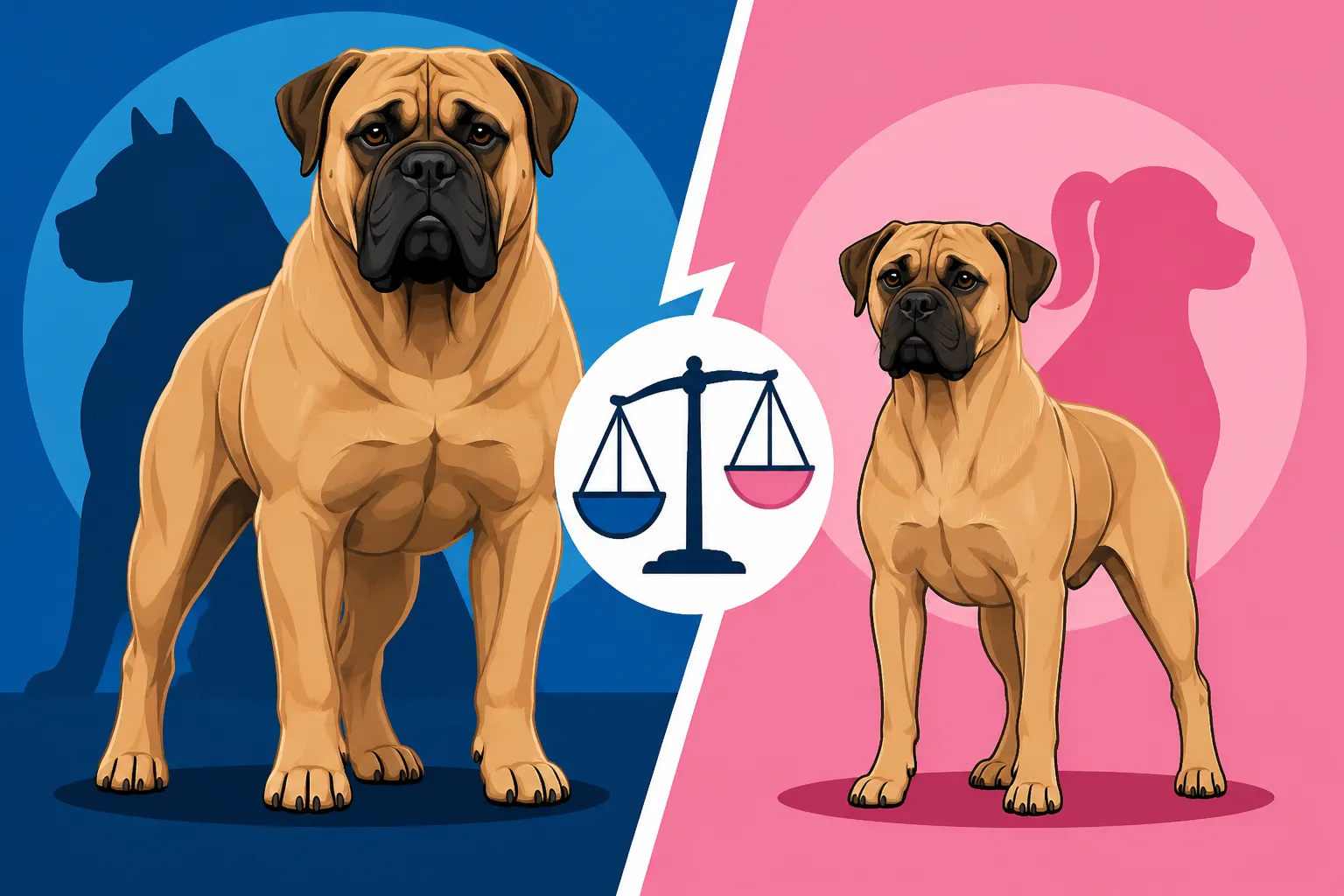
The breed standard for Bullmastiffs clearly sets different weight and height ranges for males and females, reflecting their natural biological differences. For example, a typical male Bullmastiff might stand between 25 and 27 inches at the shoulder and weigh anywhere from 110 to 130 pounds, sometimes even more. Females, on the other hand, are generally expected to be a bit smaller, often ranging from 24 to 26 inches in height and weighing between 100 to 120 pounds. This is where that approximate twenty-pound difference often comes into play. These aren't just arbitrary numbers; they are the result of generations of breeding and observation, recognizing what is healthy and characteristic for each sex.
It’s not just about the numbers, though; the standard also often describes the impression of size and substance. A male is often described as having a "more massive" or "heavier" bone structure, a broader head, and a more powerfully built physique. A female, while still incredibly substantial, will typically present a slightly more refined and less blocky outline. These subtle descriptive cues further highlight the inherent differences that breeders strive to maintain. When you're considering a Bullmastiff puppy, a reputable breeder will be very familiar with these standards and can give you a good idea of what size range to expect for a male versus a female from their lines. How Much a Bullmastiff Weighs and How Tall a Bullmastiff Stands go into these specifics in more detail.
The Historical Context of Size
To truly understand why the Bullmastiff breed standard dictates such a significant size difference, we need to look back at their origins. The Bullmastiff was developed in England in the mid-19th century by gamekeepers to protect large estates from poachers. Their job was to track down and hold poachers silently until the gamekeeper arrived, without mauling them. This demanding role required a very specific set of physical attributes, and these attributes differed slightly between the sexes, influencing modern size expectations.
The gamekeepers needed a dog that was large enough to intimidate and powerful enough to physically subdue a grown man, but also agile enough to cover ground quickly and quietly. The male Bullmastiff, with its greater bulk, strength, and intimidating presence, was perfectly suited for the brute force aspect of the job. Their heavier bone structure and pronounced musculature made them formidable deterrents and effective "silent catch dogs." The Bullmastiff Was Built to Catch Poachers in the Dark delves deeper into this fascinating history.
While females were also strong and capable, the emphasis in breeding for the working role naturally favored the more robust males for their sheer physical advantage in overpowering a human target. This historical preference for maximum physical deterrence and strength in the working male influenced the breed's development, leading to a standard that acknowledges and values the greater substance of the male. Even today, though their role has shifted to loyal family guardians, these physical traits remain embedded in the breed's genetic makeup and its official standard.
Growth and Development: When the Difference Becomes Apparent
Observing a Bullmastiff from puppyhood through maturity is a journey of incredible growth. While all Bullmastiffs grow rapidly, the divergence in size between males and females becomes increasingly obvious as they progress from cuddly puppies to majestic adults. It's a gradual process, but there are distinct stages where the male's tendency towards greater mass really starts to shine through.
Puppyhood Growth Patterns
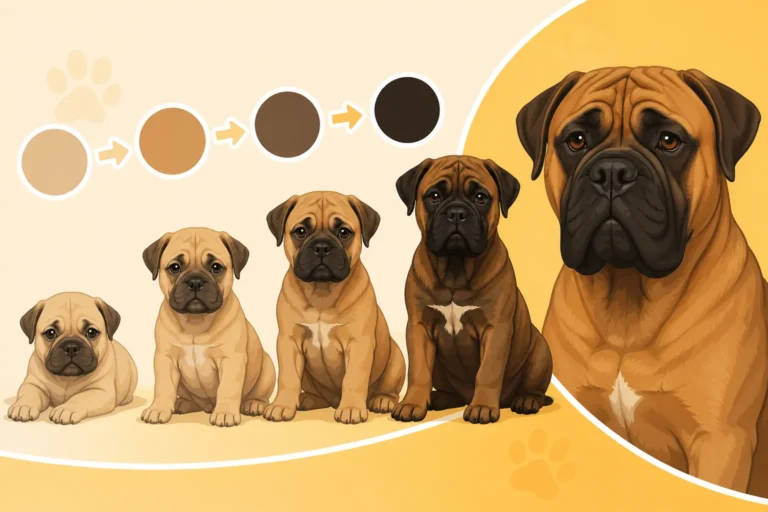
In the earliest weeks and months of a Bullmastiff puppy's life, the size difference between males and females might not be immediately apparent to the casual observer. Both sexes grow at an astonishing rate, transforming from tiny, pudgy bundles into substantial youngsters in a matter of months. However, even in puppyhood, subtle differences begin to emerge. Male puppies often have slightly larger heads and thicker bone structure from a young age.
As they progress through their first six months, both sexes gain weight and height quickly, but males will typically start to pull ahead in terms of sheer weight and breadth. A male puppy might carry more overall substance, even if their height difference isn't huge yet. It’s crucial during this period to ensure both male and female Bullmastiff puppies are on a high-quality, large-breed puppy food designed to support controlled, steady growth. Too rapid growth, especially in large breeds, can lead to orthopedic problems later in life. Companies like Chewy offer a wide selection of these specialized diets formulated for giant breeds to ensure proper skeletal development.
Adolescence and Maturation
The real divergence in size becomes profoundly clear during adolescence, which for Bullmastiffs, can stretch from around 8-9 months all the way up to two or even three years of age. While females often reach their full height and a good portion of their adult weight around 18 months, males continue to grow, particularly in terms of "filling out," for much longer. When a Bullmastiff Finishes Maturing highlights this prolonged growth phase.
During this adolescent phase, the male Bullmastiff's body is still undergoing significant changes driven by those male hormones. They continue to add muscle mass, broaden through the chest and skull, and gain bone density. This is where they pack on those extra pounds, truly developing the impressive, powerful physique that the breed is known for. It’s not uncommon to see a male Bullmastiff continue to gain noticeable bulk between two and three years of age, long after a female of the same age might have settled into her final adult form. This prolonged maturation period for males is a key reason why they ultimately outweigh females by that significant margin.
Factors Influencing Individual Size Variation
While genetics and hormones lay down the fundamental blueprint for a male Bullmastiff to be larger than a female, individual dogs within each sex can still show variation. Not every male will hit the absolute top of the weight range, and not every female will be at the bottom. Several other factors play a crucial role in how big an individual Bullmastiff ultimately becomes.
Nutrition and Diet's Role
Just as with humans, proper nutrition is absolutely paramount for a Bullmastiff to reach its full genetic potential in terms of size and health. While genetics provide the potential for a large, powerful dog, poor nutrition can easily stunt growth and prevent a Bullmastiff from developing into the substantial specimen it's meant to be. This is especially critical during the rapid growth phases of puppyhood and adolescence.
Feeding a high-quality, large-breed specific diet is essential. These foods are formulated with balanced calcium and phosphorus levels to support healthy bone growth without encouraging excessively fast development, which can lead to orthopedic issues like hip and elbow dysplasia. An underfed Bullmastiff, regardless of sex, will likely be smaller and less robust than genetically predisposed. Conversely, an overweight Bullmastiff, while technically heavier, isn't healthy; their weight is fat, not muscle and bone. Keeping a Bullmastiff lean, allowing you to easily feel their ribs without seeing them, is ideal for long-term health, and contributes to proper muscle development rather than excess fat. Keeping a Bullmastiff Lean Is the Best Thing You Can Do cannot be stressed enough.
| Characteristic | Male Bullmastiff (Typical) | Female Bullmastiff (Typical) |
|---|---|---|
| Height (Shoulder) | 25-27 inches | 24-26 inches |
| Weight | 110-130+ pounds | 100-120 pounds |
| Overall Build | More massive, heavier bone, broader skull, pronounced musculature | Slightly more refined, substantial but less bulky, often longer in body |
| Maturation Time | Slower to mature, fills out until 2-3 years | Reaches adult height/weight earlier, often by 18-24 months |
| Head Shape | Broader, more dominant | Slightly less broad, more feminine |
Genetics Beyond Sex Chromosomes
While the XY/XX chromosomes determine sex and initiate hormonal differences, the specific lineage and individual genetic makeup inherited from parents contribute significantly to variations within each sex. Just like in human families, some Bullmastiff lines are naturally larger and heavier, while others tend to produce slightly smaller, though still standard-compliant, individuals. This is why when you visit a reputable breeder, they will often show you the parents and even grandparents of the puppies; you get a visual sense of the size and type they produce.
A puppy born to two larger-than-average, yet still within-standard, parents is more likely to be larger as an adult, regardless of sex, compared to a puppy from two slightly smaller parents. This is called polygenic inheritance, where multiple genes contribute to a single trait like size. So, while a male will almost always be larger than his sister from the same litter, his ultimate adult size compared to another male from a different lineage can still vary quite a bit depending on the specific genes passed down. It's a roll of the genetic dice, influenced by the overall genetic pool of their ancestors. This is also why What a Bullmastiff Breeder Should Have Screened is such an important question to ask.
Health and Exercise Impact
A Bullmastiff's health and the amount of appropriate exercise they receive also play a critical role in their eventual size and condition. A puppy or adolescent dog suffering from chronic illness, parasites, or significant nutritional deficiencies will likely have stunted growth and fail to reach its full potential size. Good health is foundational for proper development. Regular veterinary check-ups, appropriate vaccinations, and prompt treatment for any health issues are all part of ensuring a Bullmastiff can grow strong and healthy.
Similarly, appropriate exercise is crucial for developing strong bones and muscles. A Bullmastiff puppy needs controlled exercise to prevent injury to developing joints, but they do need regular, moderate activity to build muscle tone and maintain a healthy weight. An adult male Bullmastiff, for instance, with its larger frame and muscle mass, benefits from consistent, moderate exercise to keep that physique toned and powerful. Too little exercise can lead to muscle atrophy and weight gain (fat, not healthy bulk), while too much strenuous, inappropriate exercise, especially in growing puppies, can damage developing joints. Balancing rest and activity, tailored to their age and sex, helps them develop into their intended size and stature.
Practical Implications of the Size Difference for Owners
Understanding that male Bullmastiffs are inherently larger and heavier isn't just a fun fact; it has very real, practical implications for owners in terms of daily care, training, equipment, and even veterinary considerations. A twenty-pound difference, coupled with increased muscle and bone density, translates to a significantly more powerful dog.
Training and Handling Considerations
Training a Bullmastiff, regardless of sex, requires consistency, patience, and positive reinforcement. However, the sheer size and strength of a fully grown male Bullmastiff mean that training and handling considerations are amplified. A male weighing 130 pounds can easily overpower an adult human if not properly trained, especially on a leash. Training a Bullmastiff That Weighs More Than You Do is a critical read for any Bullmastiff owner.
Early and consistent leash training, teaching proper walking manners, and instilling reliable recall are non-negotiable. Using appropriate equipment, such as a sturdy harness designed for giant breeds or a head halter, can provide better control for walks. It’s not just about pulling power; a large male can also lean with incredible force or unintentionally knock over a child or even an adult if not taught spatial awareness. Owners must be prepared to manage a dog that is literally bigger and stronger than they are, making foundational obedience training not just a convenience, but a necessity for safety and harmony in the home.
Equipment and Space Needs
The size difference directly impacts the type and size of equipment you'll need. Everything for a male Bullmastiff will inevitably be larger and more robust. Think about crates: a male will need a truly giant-sized crate to comfortably stand, turn around, and lie down. Standard large crates simply won't cut it. Beds, too, must be extra-large and, ideally, orthopedic, to support their heavy joints. You can often find a good selection of extra-large beds designed for giant breeds on Chewy.
Consider your home and vehicle. A 130-pound male Bullmastiff takes up significant space. They need room to move around without constantly bumping into furniture, and they need a dedicated, comfortable resting spot that isn't in the way. In a car, a male Bullmastiff might require the back seat of an SUV or a spacious cargo area, making smaller sedans impractical for travel. Even everyday items like leashes and collars need to be industrial strength to withstand their power. This scale of equipment means larger upfront and ongoing costs. What a Crate for a Bullmastiff Costs can give you an idea of the expense involved.
Veterinary Care and Medication Dosing
While the core principles of veterinary care remain the same for both sexes, the larger size of a male Bullmastiff often translates to different considerations in practice. Medication dosages, for instance, are almost always calculated by weight. A 130-pound male will require significantly higher doses of medications, from antibiotics to pain relief, compared to a 100-pound female. This directly impacts the cost of medication, as more product is needed per dose.
Anesthesia is another area where size matters. Larger dogs often require more careful monitoring during sedation and surgery due to their body mass and sometimes slower metabolic rates. Diagnostic imaging, like X-rays, might require larger plates or multiple views to capture the entire skeletal structure of a massive male. Even simple procedures like nail trims or blood draws can be more challenging with a dog of such immense size and power, often requiring more staff or specialized equipment at the veterinary clinic. Being prepared for these "large breed" adjustments in veterinary care is an important aspect of owning one of these magnificent giants. Why a Bullmastiff's Medication Costs More Per Dose can elaborate on the financial aspects.
Disclaimer
This article is for general informational purposes only and does not constitute professional advice. Laws, prices and regulations vary by location and change over time. Consult a qualified professional for guidance on your specific situation.