Which Colors a Bullmastiff Comes In
Choosing a Bullmastiff means inviting a magnificent, powerful dog into your life, but for many prospective owners, one of the first questions beyond their incredible temperament is often about their appearance. It can be surprisingly confusing to navigate the breed standard when you start looking at puppies or rescue dogs, especially with all the various terms for colors and markings. This guide aims to clear up all the confusion about what colors a Bullmastiff truly comes in, why some colors are accepted and others are not, and how these beautiful coats came to be.
The Standard Bullmastiff Colors You'll See
When you look at a Bullmastiff, you'll notice a distinct, short, dense coat that lays close to their powerful body. There are only three colors recognized in the breed standard for Bullmastiffs, and understanding these will help you appreciate the subtle nuances and rich history behind each one. These are not merely cosmetic differences; they are part of what defines the Bullmastiff as a breed.
Fawn: The Most Common and Classic Look
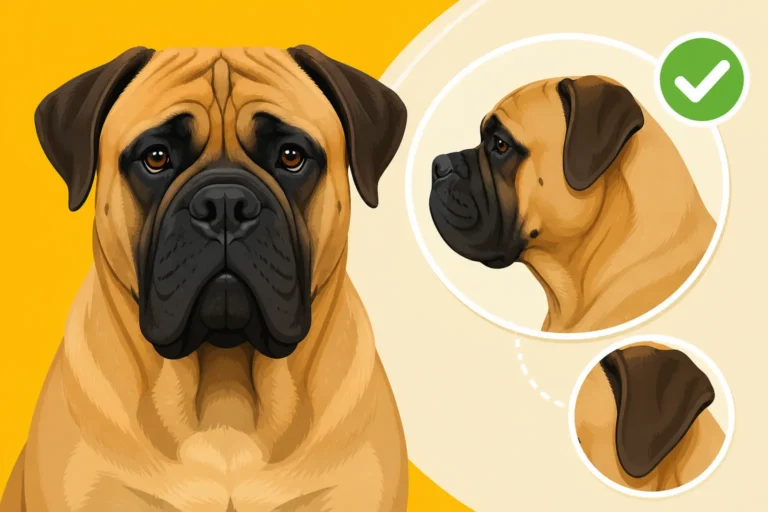
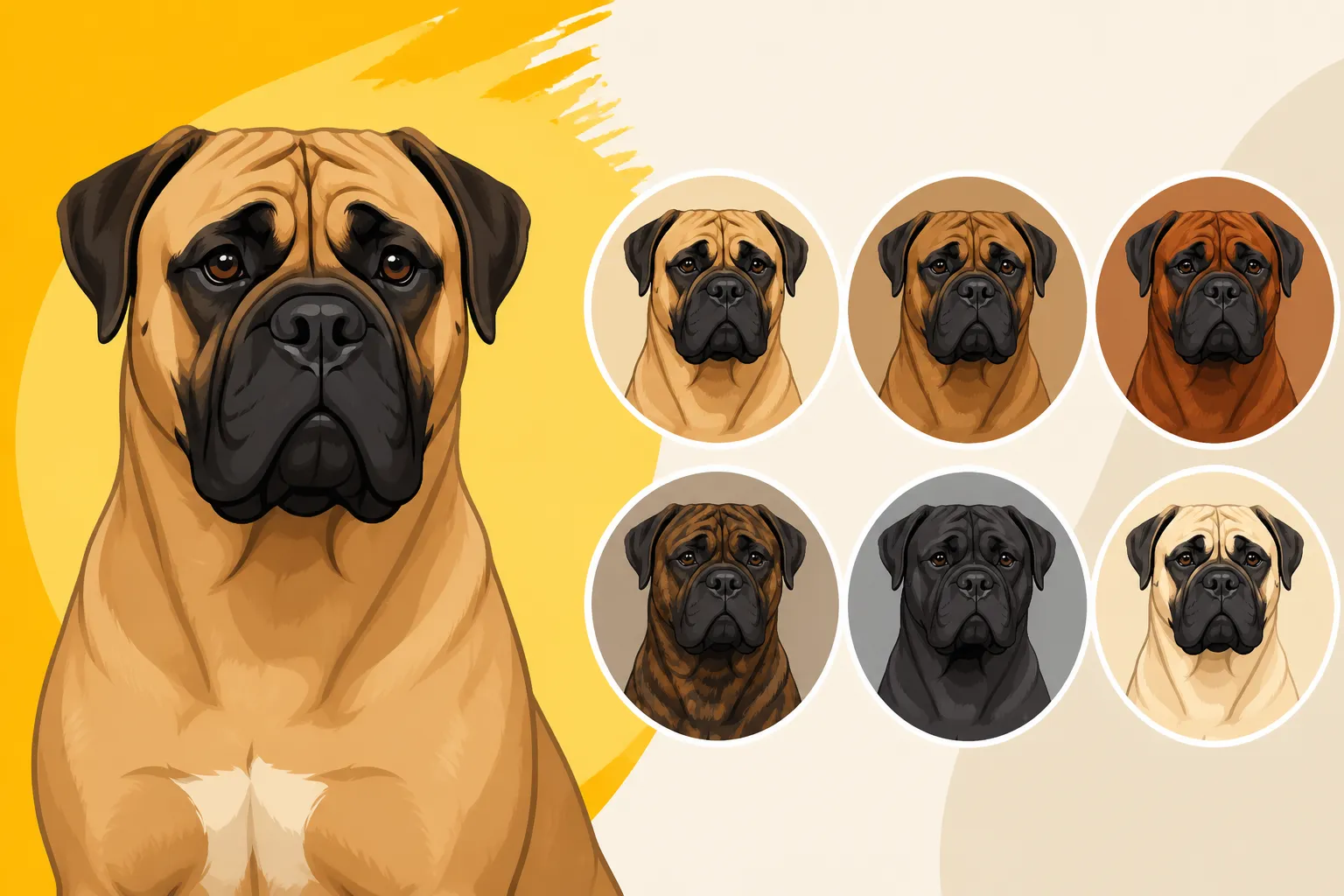
Fawn is probably the color you picture most often when you think of a Bullmastiff. It's an incredibly popular and classic choice, ranging from a very light, sandy shade to a deeper, richer golden-tan. When you see a fawn Bullmastiff, their coat typically has a beautiful warmth to it, sometimes appearing almost apricot depending on the individual dog and the lighting. This color provides a striking contrast with the breed's signature black mask, highlighting their expressive eyes and powerful head.
Many owners are drawn to fawn Bullmastiffs because of this elegant appearance, and it's certainly a dominant color in show rings and family homes alike. A healthy fawn coat should be smooth and dense, with a natural sheen that speaks to good nutrition and care. While the shade can vary, the key is consistency throughout the body, providing a uniform backdrop for the defining black mask. The Bullmastiff Was Built to Catch Poachers in the Dark is a good read on how their original purpose influenced some aspects of their appearance, though fawn became more popular later.
Red: A Striking, Rich Hue
Red Bullmastiffs are truly a sight to behold, showcasing a deeper, more intense coloration than the fawn. Imagine the warm, burnished tones of mahogany or chestnut, and you're getting close to the richness of a red Bullmastiff's coat. This color adds another layer of majesty to their already imposing presence, making their musculature and powerful build stand out. The red can vary from a medium red to a very deep, almost brown-red, but it always carries that distinctive fiery undertone.
Just like the fawn, the red Bullmastiff also features the essential black mask, which provides a dramatic frame to their impressive head. The contrast between the rich red coat and the deep black mask is particularly striking, giving these dogs a regal and commanding look. While perhaps not as ubiquitous as fawn, red Bullmastiffs have a dedicated following for their vibrant and strong appearance. Maintaining a healthy, shiny coat, regardless of color, often involves good quality food and regular brushing with a suitable tool, which you can find at places like Chewy.
Brindle: A Timeless, Camouflaged Pattern
Brindle is, for many breed enthusiasts, the most historically significant and visually captivating Bullmastiff color. This isn't a solid color but a striking pattern of dark stripes (usually black or very dark brown) over a fawn or red base coat. Think of a tiger's stripes, but often more subtle and irregular, creating a beautiful, almost wood-grain effect. The brindle pattern can range from "light brindle," where the base color is more prominent and the stripes are sparse, to "reverse brindle" (though often just called heavy brindle), where the dark stripes are so dense they almost obscure the base color, making the dog appear predominantly dark.
The brindle pattern served a crucial purpose in the Bullmastiff's origins. Gamekeepers, who developed the breed, specifically sought out dark brindle dogs because the stripes provided excellent camouflage in the low light of a forest at night. Why Early Bullmastiffs Were Bred Dark Brindle explains this fascinating history. This natural camouflage made them incredibly effective at their job of catching poachers. Today, while their working role has largely faded, the brindle pattern remains a testament to their heritage and is deeply cherished by those who appreciate the breed's roots.
Understanding the Bullmastiff's Essential Black Mask
Beyond the primary body colors, there's one defining characteristic that every single purebred Bullmastiff, regardless of their fawn, red, or brindle coat, must possess: the black mask. This isn't just a preference; it's a non-negotiable part of the breed standard, serving as a hallmark of their appearance and, historically, even contributing to their effectiveness as silent guardians.
Why the Mask Is Crucial for the Breed Standard
The black mask is more than just a facial marking; it’s a defining feature that frames the Bullmastiff's powerful head and expressive eyes. The standard dictates that the mask should extend up to the eyes, encompassing the muzzle and ideally darkening around the eye rims. It should be a true, dense black, standing in sharp contrast to the lighter body color. This mask adds depth and intensity to their gaze, reinforcing their vigilant and intelligent expression. Without a proper black mask, a dog cannot be considered a standard Bullmastiff, regardless of how perfectly fawn, red, or brindle their body coat might be.
Historically, this dark pigmentation around the face also served a practical purpose. When working at night, a dark muzzle and eye area would have made the dog's face less conspicuous, helping them blend further into the shadows. It enhanced their ability to remain unseen until the critical moment. The emphasis on the black mask is so strong that reputable breeders prioritize it, ensuring their breeding stock consistently produces puppies with this essential feature. If you're unsure, you can also explore The Black Mask Every Bullmastiff Must Have for more detail.
Variations in Mask Intensity and Coverage
While the black mask is a must-have, its exact intensity and coverage can vary slightly from one Bullmastiff to another. Some dogs will have a very deep, broad mask that covers a significant portion of their muzzle and extends distinctly up to and around their eyes, almost like a natural facial tattoo. Others might have a slightly less intense mask, still clearly black but perhaps not as wide or reaching quite as high up the forehead.
The key is that the mask should always be present, clearly defined, and black. A "smudgy" or faded mask is typically considered less desirable in the show ring, as is a mask that doesn't reach the eye rims. Puppies' masks can sometimes darken slightly as they mature, but the fundamental presence and color should be evident from a young age. Breeders often pay close attention to the development of the mask in their litters, as it's a critical component of the breed's iconic look. Whether a Maskless Bullmastiff Can Be Shown offers more insight into how judges view this crucial feature.
Unacceptable Colors and Markings: What Not to Expect
While the Bullmastiff breed standard is fairly broad regarding the shade of fawn, red, or the density of brindle, it is very strict about colors and markings outside of these parameters. Understanding what is considered unacceptable is just as important as knowing what is allowed, especially if you're looking for a purebred Bullmastiff from a responsible breeder.
Why Black or White Bullmastiffs Aren't Standard
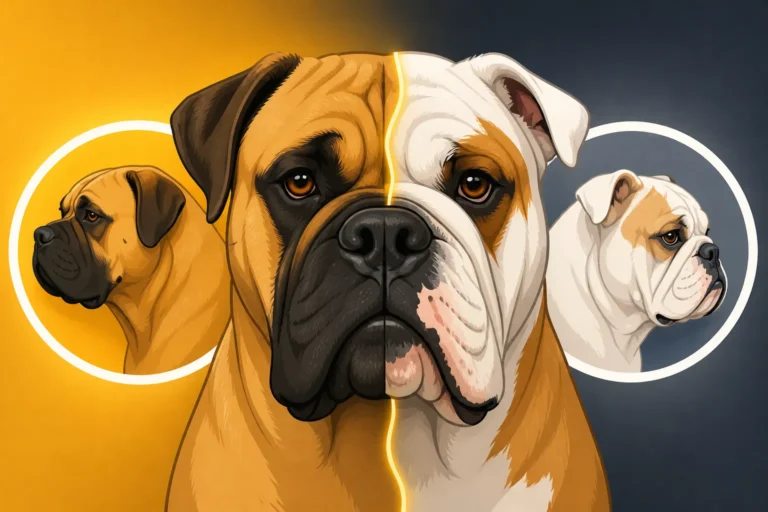
You might occasionally see a dog advertised as a "black Bullmastiff" or a "white Bullmastiff," but it's important to know that these colors are not recognized in the official breed standard. A truly black Bullmastiff would either be a mix with another breed, or a genetic anomaly that deviates significantly from the established type. The same goes for white Bullmastiffs; while some Bullmastiffs might have a very light fawn coat, a pure white dog with no underlying pigmentation is not a Bullmastiff according to the standard.
These "off-colors" often stem from cross-breeding or are marketed by less reputable sources looking to capitalize on novelty. If you encounter a breeder advertising these colors, it should be a red flag. Responsible breeders adhere to the standard set by governing kennel clubs, which explicitly limits acceptable coat colors to fawn, red, and brindle, all with a black mask. Deviations like solid black or pure white often mean the dog isn't a purebred Bullmastiff, or comes from a line that disregards fundamental breed traits.
Disqualifying Markings and Their Significance
Beyond solid black or white body colors, certain markings are also considered disqualifying faults in the Bullmastiff breed standard. The most common disqualifying marking is any white on the body, with the exception of a very small, unobtrusive white patch on the chest. Even a tiny speck of white on the paws, legs, or any other part of the body (besides that tiny chest patch) is enough to disqualify a Bullmastiff from conformation showing. This strictness underscores the importance of a clean, uniform body color for the breed.
The reason for this goes back to the breed's origins. The gamekeepers wanted dogs that could blend into the night, and prominent white markings would have made them easily visible. While this function is no longer paramount, the aesthetic standard derived from it remains. Disqualifying markings don't necessarily impact a dog's health or temperament, but they do indicate that the dog does not meet the strict visual criteria for the breed. Whether White Markings Disqualify a Bullmastiff provides a deeper dive into this specific aspect of the standard. If you are ever looking for specific training tools or health supplements for your Bullmastiff, whether a show dog or a beloved pet, online retailers like Chewy provide a wide range of products for all dog needs.
The Historical Context of Bullmastiff Colors
The specific colors and markings accepted in the Bullmastiff breed standard aren't arbitrary; they are deeply rooted in the breed's history and original purpose. Understanding this historical context helps us appreciate why certain colors became prominent and why others were actively avoided.
Brindle's Original Purpose in Poacher Catching
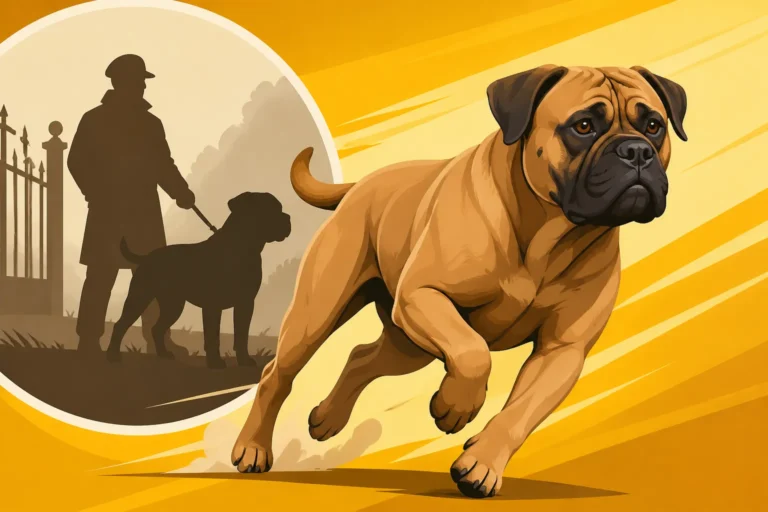
As mentioned, the Bullmastiff was specifically developed in 19th-century England by gamekeepers to protect large estates from poachers. Their job was to silently track, corner, and hold intruders without mauling them. For this role, camouflage was paramount, especially during their night patrols. Dark brindle coats offered the perfect solution. The pattern of dark stripes on a darker base allowed them to blend seamlessly into the shadows of the forest, making them virtually invisible until they were right upon an unsuspecting poacher. Why Dark Brindle Hid a Bullmastiff at Night truly captures the essence of this working aspect.
The gamekeepers deliberately bred for these dark brindle coats, understanding that lighter or solid colors would compromise the dog's effectiveness. This preference for brindle was so strong that for a long time, it was the most desired and prevalent color. It was a functional trait, not merely an aesthetic one, a direct reflection of the demanding work the Bullmastiff was created to do.
How Fawn Became Widely Accepted
While dark brindle was the original workhorse color, fawn eventually gained widespread acceptance and popularity, particularly as the breed transitioned from solely a working dog to also being a companion and show dog. The exact shift isn't precisely documented, but it's likely that as the breed's function evolved, the strict necessity for night camouflage lessened. Breeders began to appreciate the beauty of the fawn coat, especially with the striking contrast of the black mask.
It's possible that fawn variations occurred naturally within litters from brindle parents, and once their working value wasn't the sole driving factor, these lighter colors were simply not culled. Over time, fawn became equally, if not more, popular than brindle in many parts of the world. Today, fawn Bullmastiffs are incredibly common, and this color is just as recognized and valued as red or brindle within the breed standard. When Fawn Bullmastiffs Became Popular delves deeper into this cultural shift.
Does Color Affect Temperament or Health?
It's a common question for many breeds: does coat color influence a dog's personality or predispose them to certain health issues? With Bullmastiffs, the answer is generally reassuringly straightforward, but it's worth exploring the nuances.
The Myth of Color-Linked Traits
In many breeds, you'll hear old wives' tales or anecdotal claims that certain colors are associated with specific temperaments—for example, that "red dogs are spicier" or "black dogs are calmer." For Bullmastiffs, there is absolutely no scientific or empirical evidence to suggest that a fawn, red, or brindle coat, or the intensity of their black mask, has any bearing on their personality, intelligence, or overall demeanor. A Bullmastiff's temperament, whether they are a Silent Guard: Why a Bullmastiff Barks So Little or a playful giant, is primarily shaped by genetics (the specific lines they come from), early socialization, and consistent training.
You will find equally gentle, protective, and loving Bullmastiffs across all three standard colors. A dog's individual personality is far more complex than a simple coat pigment. Relying on color to predict temperament is a misguided approach that can lead to misunderstandings and potentially selecting a dog that isn't the best fit for your home. Focus instead on the pedigree, the reputation of the breeder, and the individual puppy's behavior and personality traits when making your choice.
Genetic Health Considerations by Color
For the vast majority of health issues in Bullmastiffs, coat color plays no role whatsoever. Conditions like Subaortic Stenosis Is There Before a Bullmastiff's First Birthday, Hip Dysplasia in a Bullmastiff, or Lymphoma Kills More Bullmastiffs Than Anything Else are unfortunately prevalent in the breed regardless of their coat color. These are complex genetic predispositions that affect the breed as a whole, not just specific color variations.
The one notable area where color can be linked to health in some breeds is with extreme dilution genes or certain patterns (like merle), which can sometimes carry associated health risks (e.g., deafness or blindness). However, Bullmastiffs do not carry these genes for their standard colors. Their fawn, red, and brindle coats are "normal" pigments and patterns for the breed and are not associated with any specific color-linked health conditions. Therefore, when choosing a Bullmastiff, prioritizing the health screening and reputation of the breeder, and understanding the general health challenges of the breed, is far more important than focusing on coat color as an indicator of health. Always ask a breeder about Which Health Tests a Bullmastiff Breeder Should Run to ensure you're getting a healthy puppy, regardless of its beautiful coat.
A Quick Reference to Bullmastiff Colors
To help summarize the accepted and unaccepted color characteristics, here's a quick table:
| Color/Marking Feature | Description | Status in Breed Standard | Notes |
|---|---|---|---|
| Fawn | Light tan to golden-tan, varying in depth. | Accepted | Very common. Must have a black mask. |
| Red | Rich, deep red, often resembling mahogany or chestnut. | Accepted | Striking and vibrant. Must have a black mask. |
| Brindle | Dark stripes (black/dark brown) over a fawn or red base coat. | Accepted | Historically significant for camouflage. Stripe density varies. Must have a black mask. |
| Black Mask | Dark black pigmentation covering the muzzle and extending to the eyes. | Essential | Mandatory for all standard Bullmastiffs. Clarity and density are preferred. |
| White Chest Patch | Small patch of white on the chest. | Acceptable | Must be small and not extend significantly beyond the chest area. |
| Solid Black | Entire body coat is solid black. | Not Accepted | Indicates a mix breed or non-standard genetics. |
| Pure White | Entire body coat is solid white. | Not Accepted | Indicates a mix breed or non-standard genetics. |
| White on Body | Any white markings on paws, legs, or other body parts (besides small chest patch). | Disqualifying | Leads to disqualification from conformation showing. Historically undesired for camouflage. |
| Maskless | Absence of the black mask. | Disqualifying | Leads to disqualification from conformation showing. A core characteristic of the breed is missing. |
Understanding these distinctions is key to recognizing a true Bullmastiff and appreciating the history and dedication that has gone into maintaining this magnificent breed's unique appearance.
Disclaimer
This article is for general informational purposes only and does not constitute professional advice. Laws, prices and regulations vary by location and change over time. Consult a qualified professional for guidance on your specific situation.